Our approach
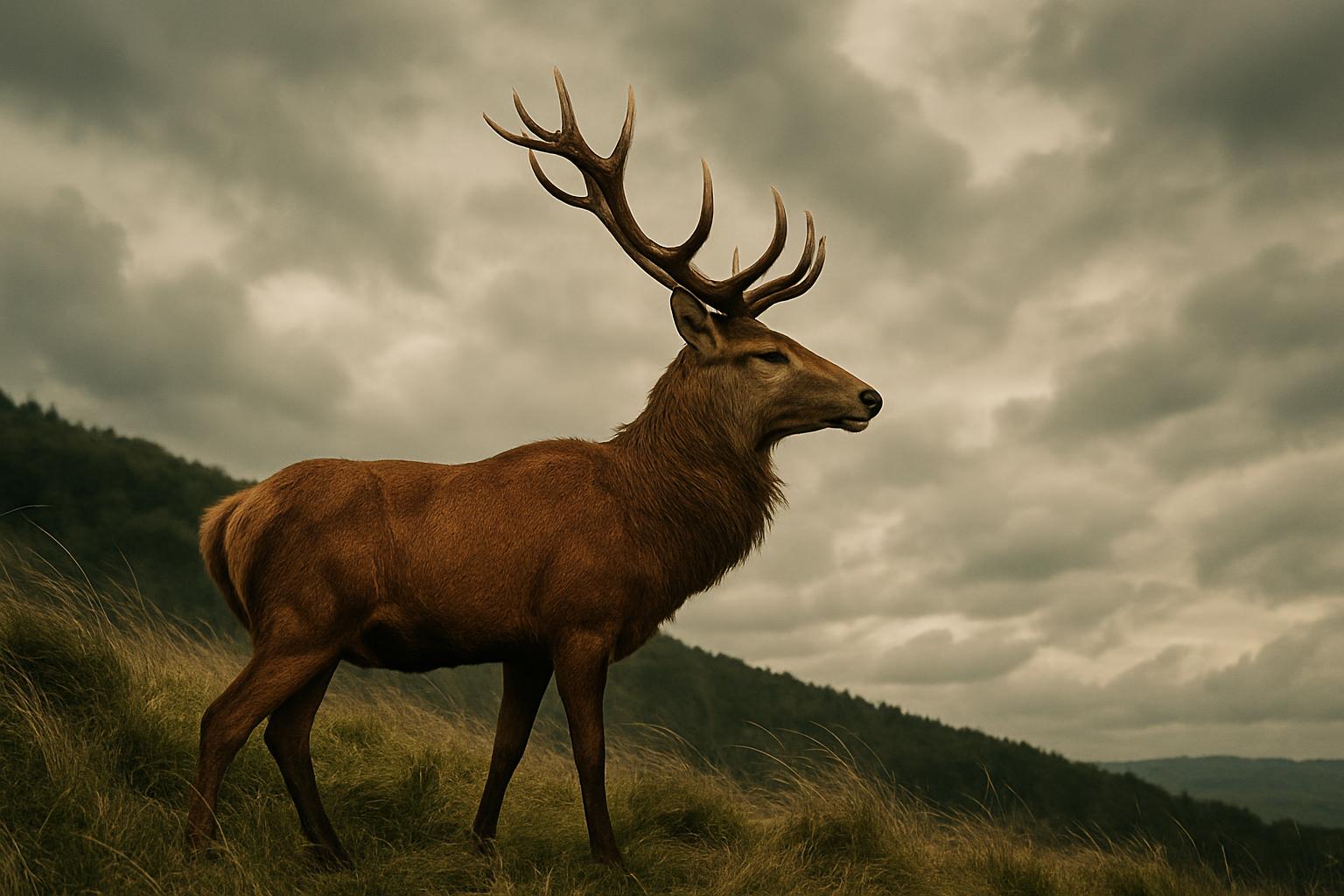
We raise fallow, red, sika and chital (axis) deer in the Karoo and beyond with careful attention to welfare, veld health and clear provenance from the first day to the last.
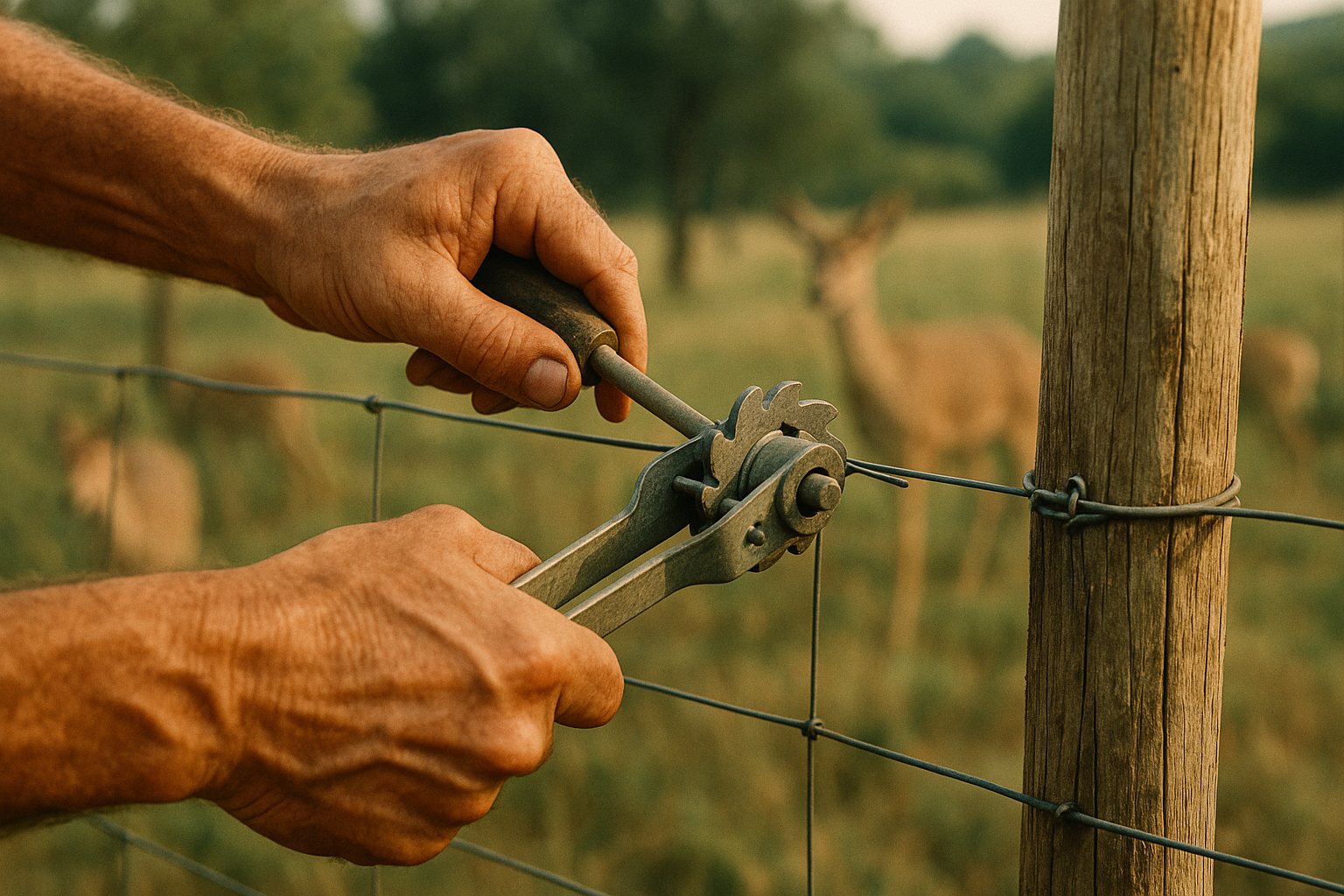
We handle the deer quietly, in small groups and with as few people as possible. Our herd husbandry manager leads the team on herd care, making sure all handling is done quietly, with patience and skill. We work on foot, using calm body language and slow bakkie moves, never rushing or crowding the animals. Deer are flighty by nature, so we plan all camp work and kraal sessions to avoid heat, dust and pressure. We use solid handling lanes, wide pens and shade screens, giving the herd space to see and move. If a deer seems stressed, we let them settle before continuing. This reduces injury and makes for healthier, calmer herds.
No animal is ever chased or handled roughly. That principle covers every deer on the farm, whether kept for breeding, released to other farms or sent for meat.
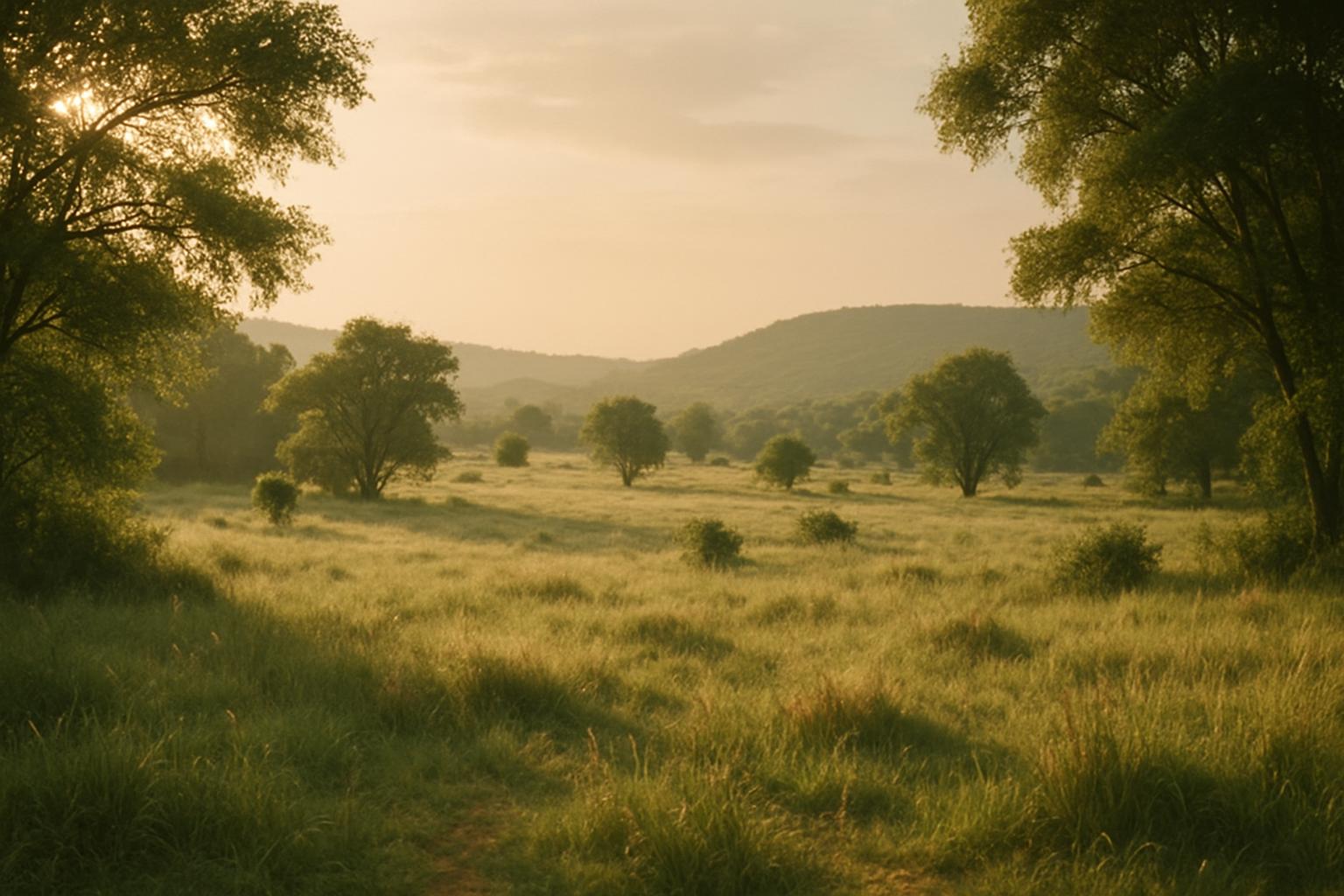
Good veld supports healthy deer. Our pasture and forage manager looks after the veld by splitting the land into well-fenced camps of different sizes and resting each camp for part of the year. Camps are rotated seasonally, which helps the veld recover from grazing and gives space for natural seeds to take hold. We map out grazing plans each quarter, always watching for overuse near water points or shade trees.
Every camp has its own trough or dam, checked daily for leaks, mud or fouling. In El Niño years, we top up storage tanks and run portable troughs on backup lines through the dry periods. We keep indigenous trees and plant windbreaks for shade, and add shade nets in open parts of the Karoo and Midlands. If temperatures run high, we move herds more often and rest hard-worked veld for longer.
Our veterinary liaison officer keeps regular contact with game veterinarians for herd health plans, vaccinations and dosing for internal and external parasites. All our deer are checked for signs of lameness, injury or illness during routine handling, and any needing more care are treated or isolated as needed. We keep health records for every lot.
Permits are strict: all fallow, red, sika and chital deer are regulated under NEMBA as Category 2 invasive species. We work closely with the authorities to keep up with permit conditions, and never move or sell deer without the right permissions. Electric fences are checked daily and energisers run with battery or solar backup to keep the perimeter secure.
Every animal has a record from tagging to sale or slaughter. Our stud records lead keeps our stud books, tracking every deer’s parentage, birth year and any movements between camps or farms. Buyers receive a full pedigree pack for breeding or conservation stock, including all health and movement documents.
For venison, our venison provenance manager maintains a chain of provenance for each named lot, from the home camp and the live delivery to the registered partner abattoir, through the slaughter date, and onward to chefs or butchers. This way, every kilogram of our venison can be traced back to its origin.
Every animal harvested for venison is handled with respect. Animals for venison are walked quietly to the handling kraal and rested before the short trip to our registered partner abattoir, so they stay calm until the last moment. All venison for sale is processed in line with the Meat Safety Act. Our venison provenance manager oversees the cold chain, keeping the venison chilled from the abattoir chiller through transport and storage. Packed lots come back to our Karoo Edge cold room for collection and delivery, and its backup power keeps the product safe, even during power cuts.
We only supply restaurants, butchers and farm shops with meat we can vouch for, down to the camp of origin. For any queries on provenance or welfare, you are welcome to contact us through our contact form.