Send us a message
How we shape our grazing camps

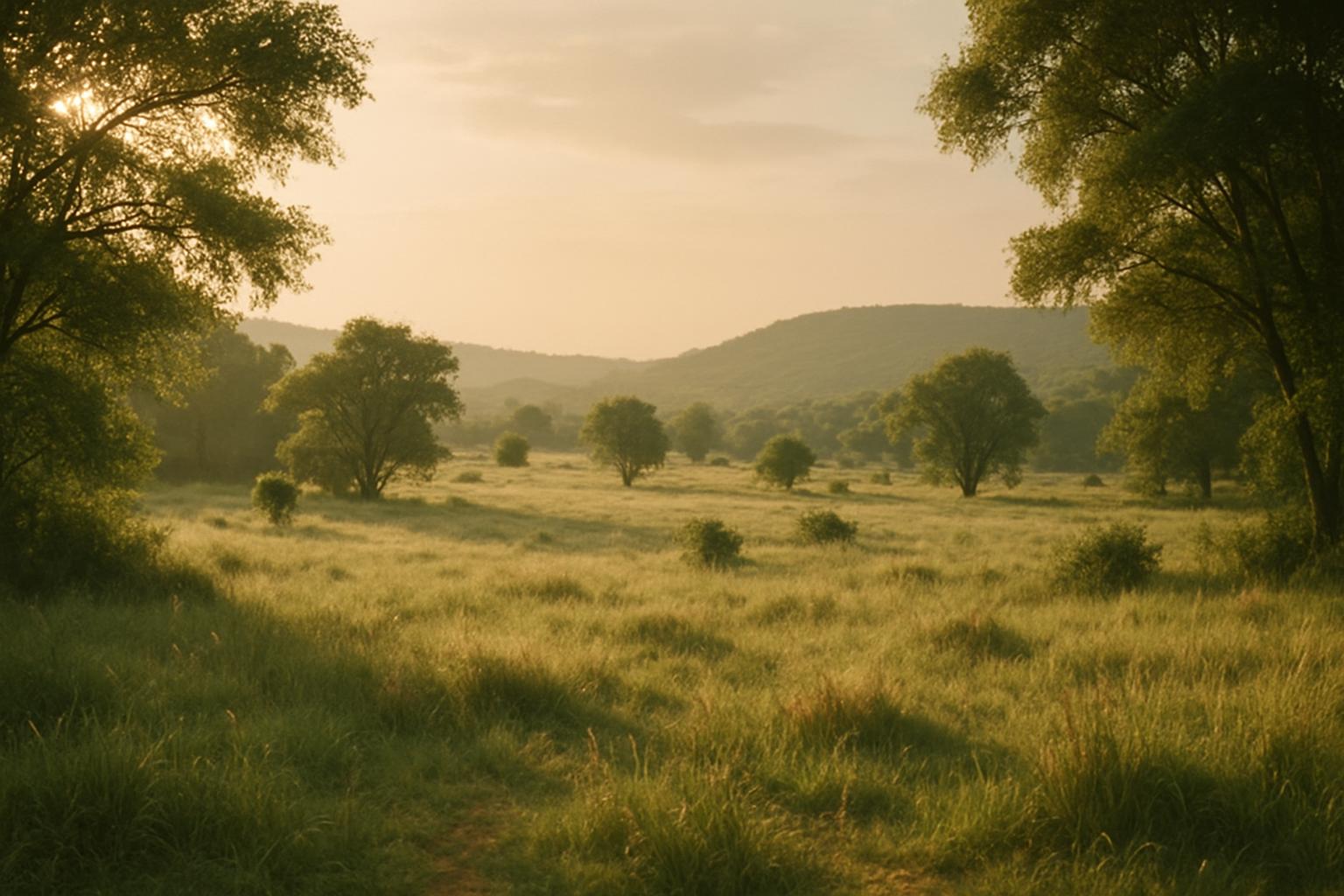
Karoo veld and camps

How we shape our grazing camps

Every Deer Farming camp is planned for the health of our deer, the veld and the people who care for them. Grazing mixes, water points, handling lanes and visitor safety all matter in our changing South African climate.

Planning camps for veld and deer

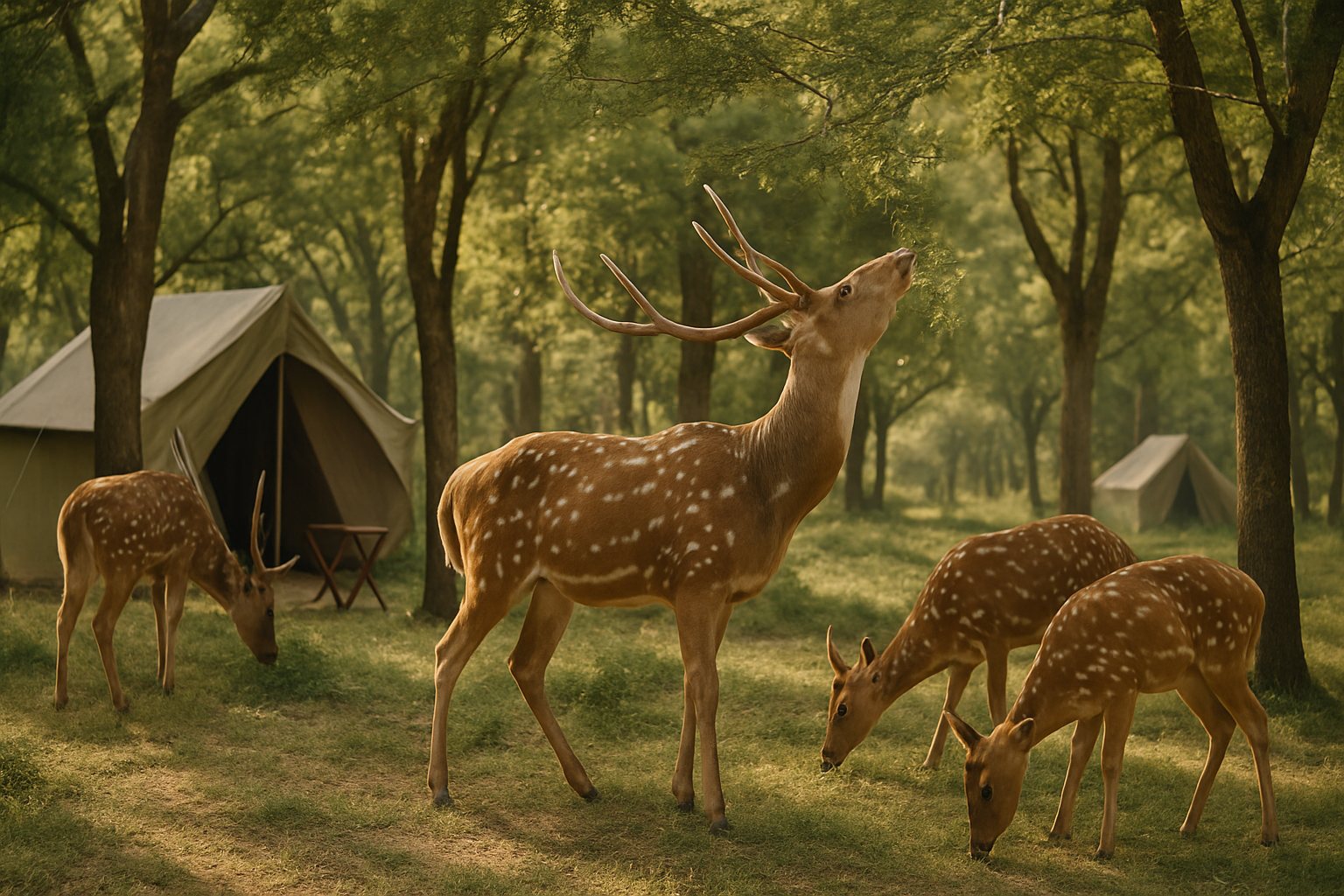
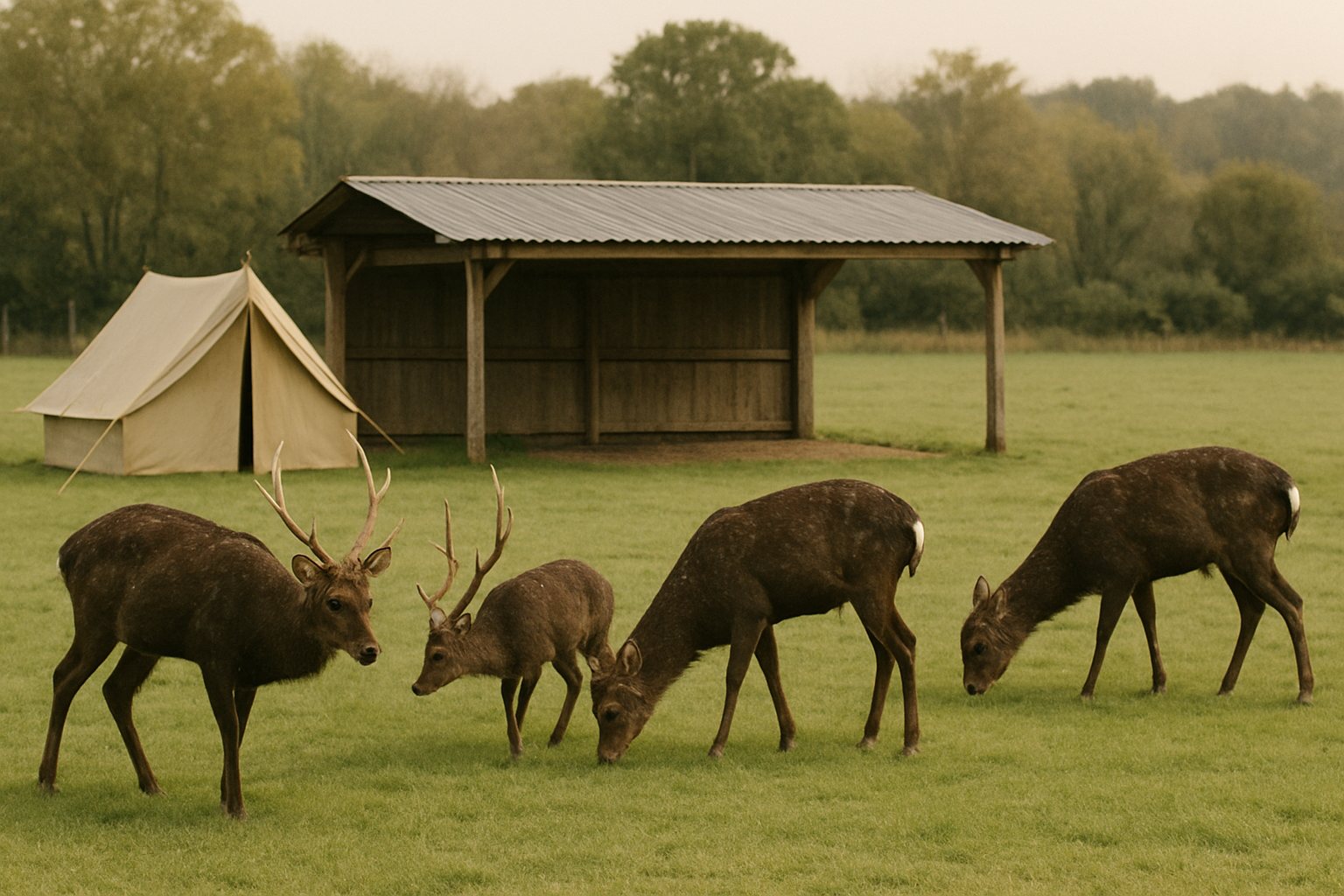
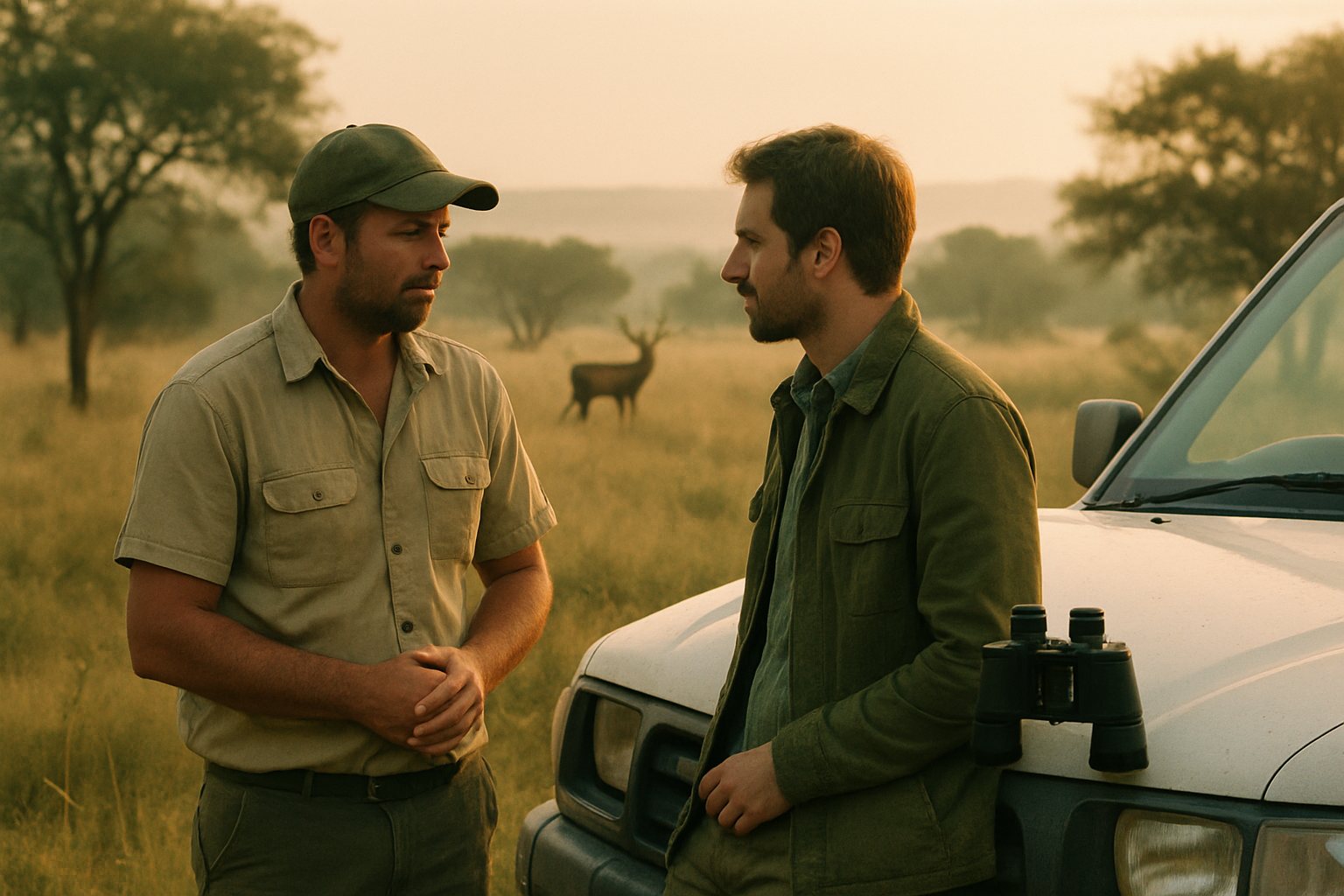
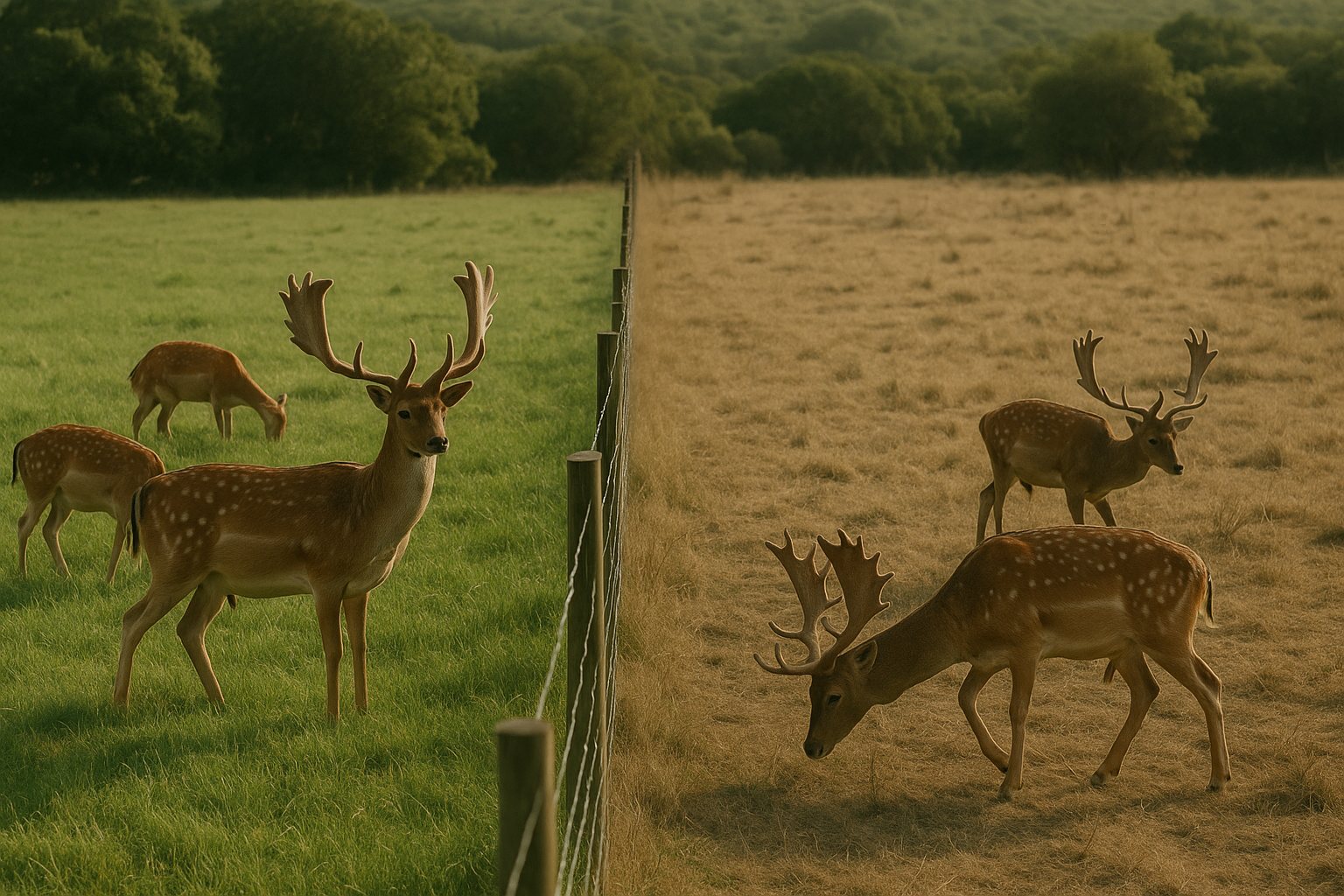
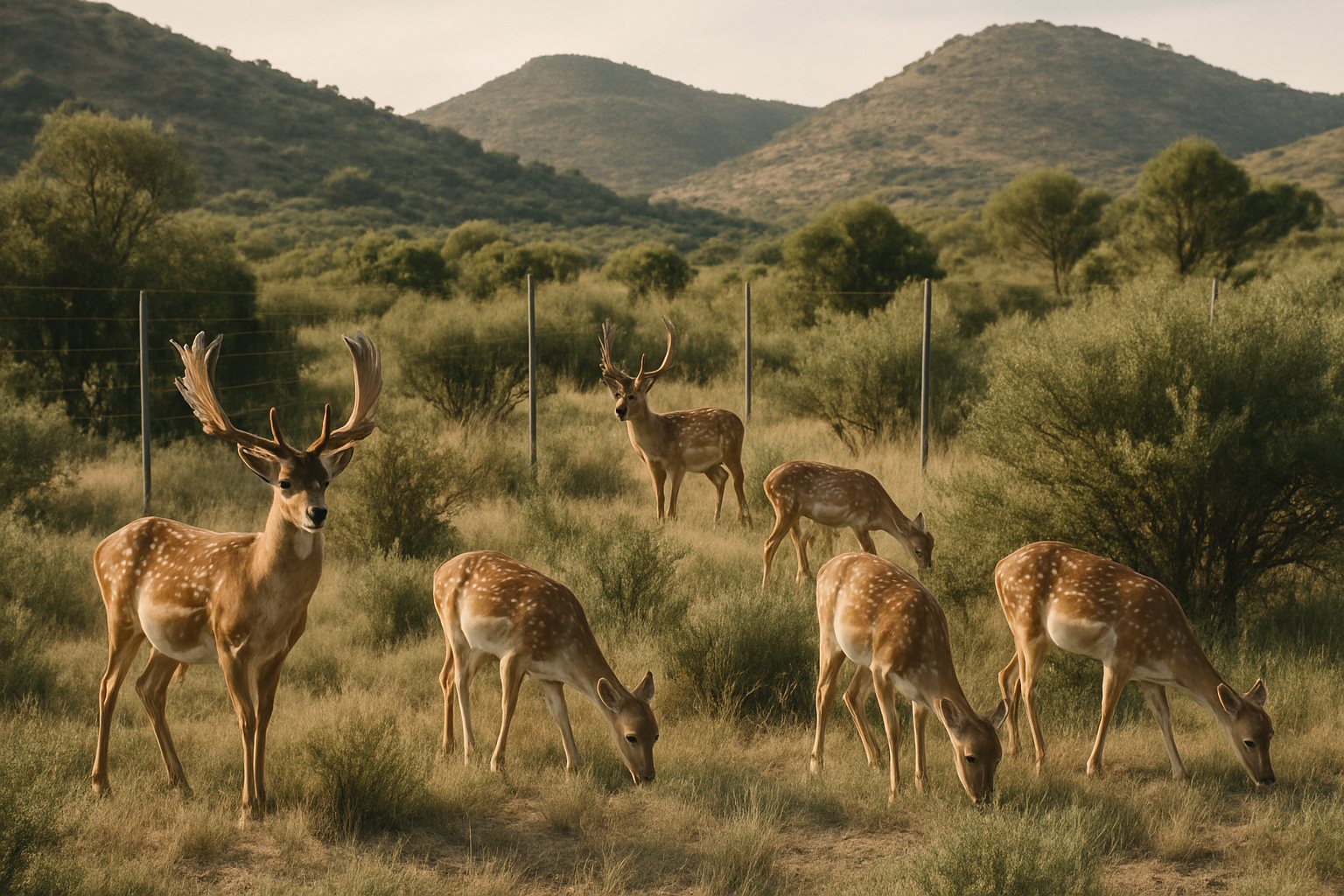
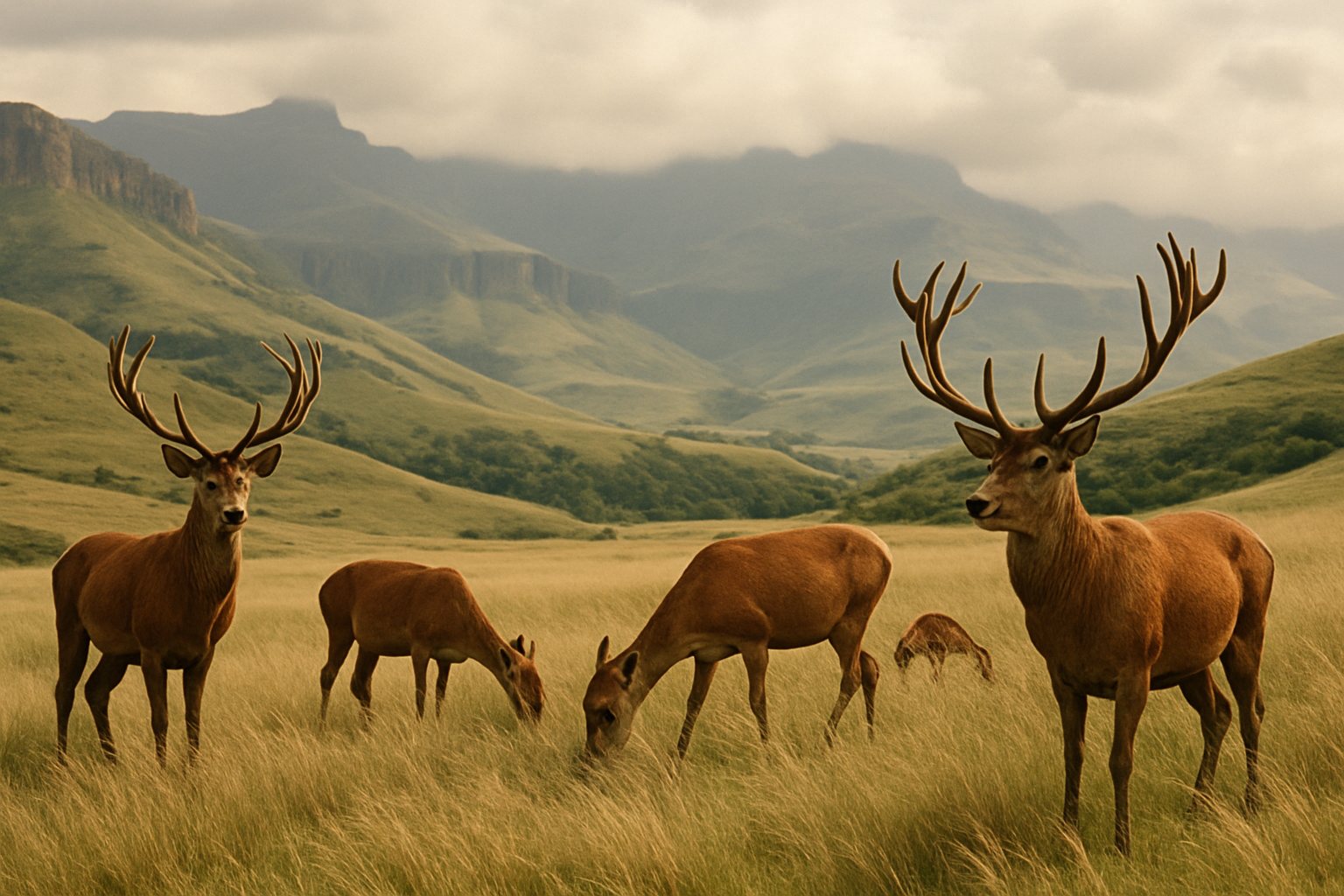
Our camps range from small, recovery-focused paddocks to broad, mixed-veld stretches with scattered koppies and shade trees. We rely on a mix of indigenous and adapted pasture grasses, with strips of lucerne and browse corridors for red, sika and chital deer, who often prefer to nibble bush and leaves as well as graze. Each camp is fenced to permit standards, with regular checks for holes or sagging wire after wind or game movement.

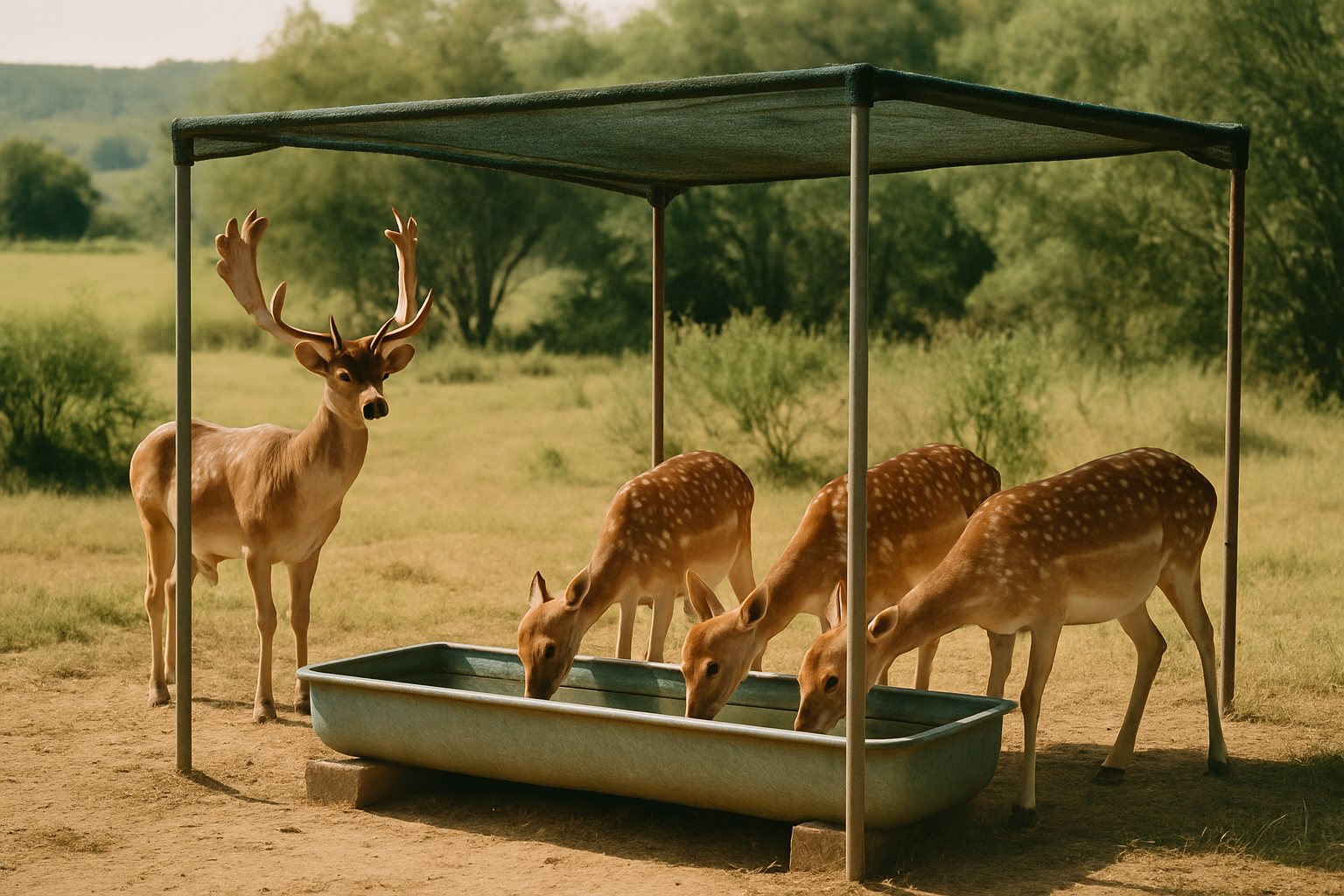
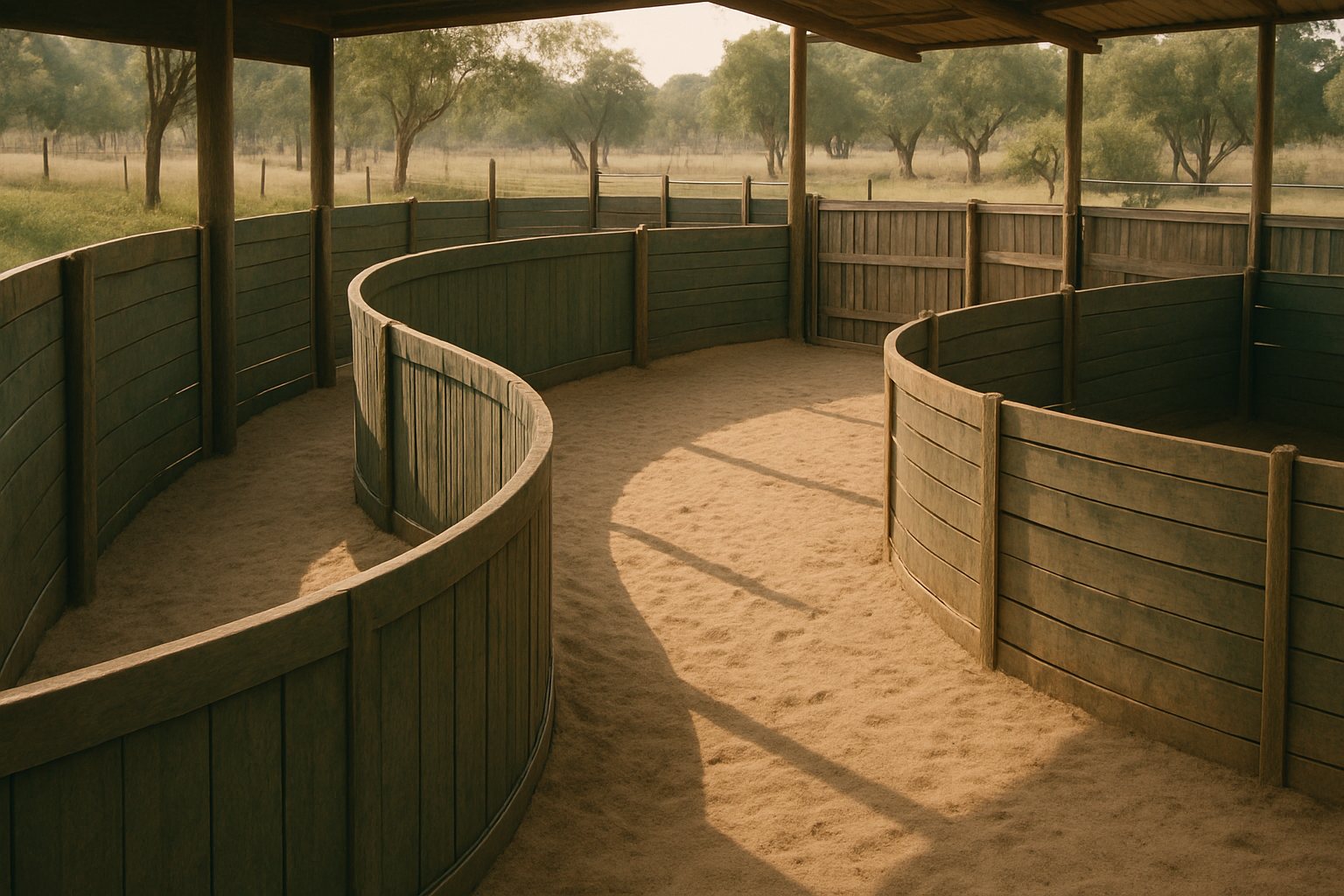
Water points are set for easy access and monitored daily. In this El Niño season, we focus on borehole maintenance, trough repairs and careful rotation to avoid overgrazing. Handling races are kept clean, with bakkie space for easy loading and shaded kraals for low-stress waiting. Backup power keeps electric fencing and water pumps running through power cuts, helping us stick to our welfare and safety standards.
Provenance, ethics and visitor setups

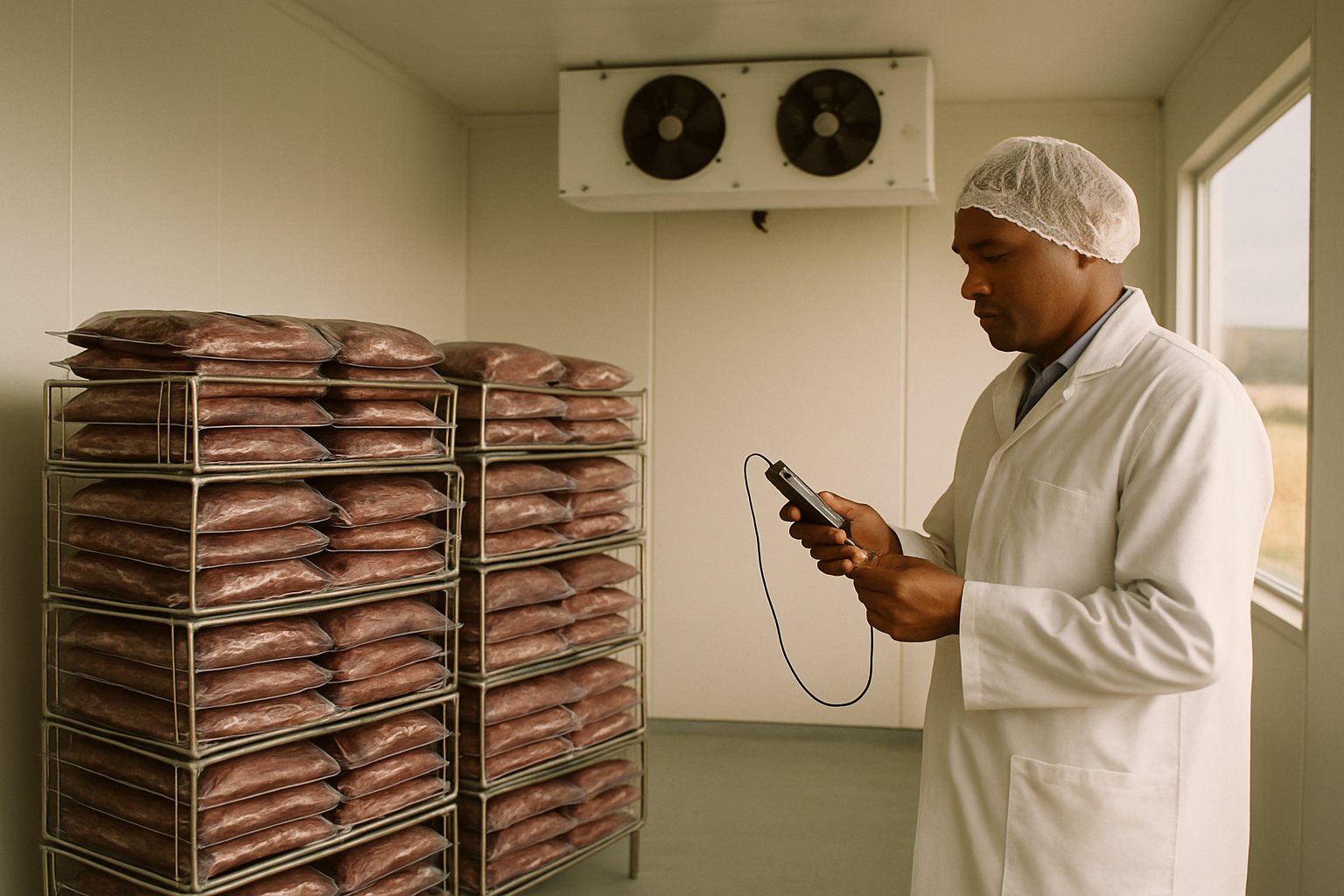
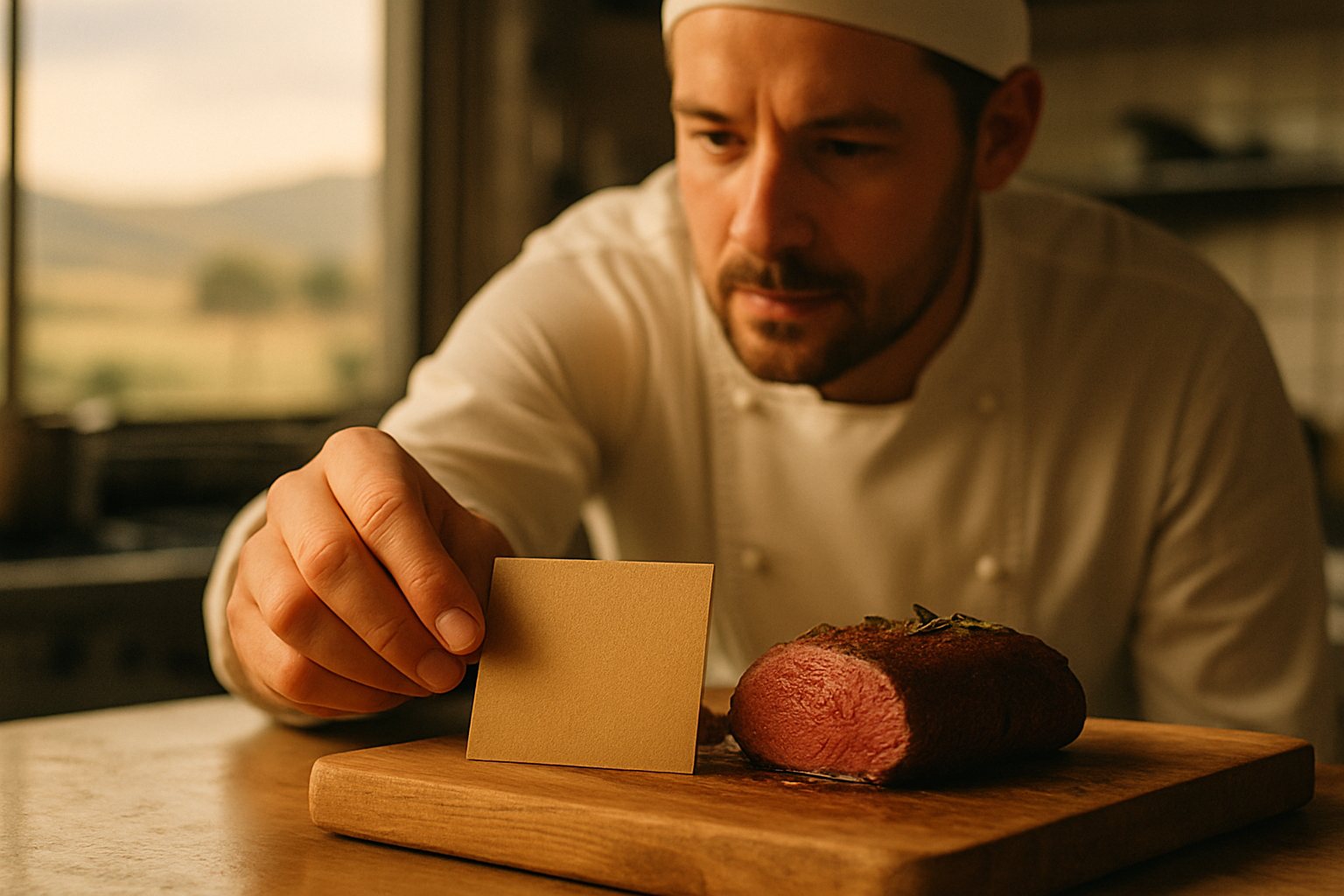
Each venison lot from Deer Farming comes with a provenance card, cold-chain details and a plain factsheet on animal welfare, camp management and ethics. We believe in transparent records: you know where the animal came from, how it was raised and when it was moved or harvested.

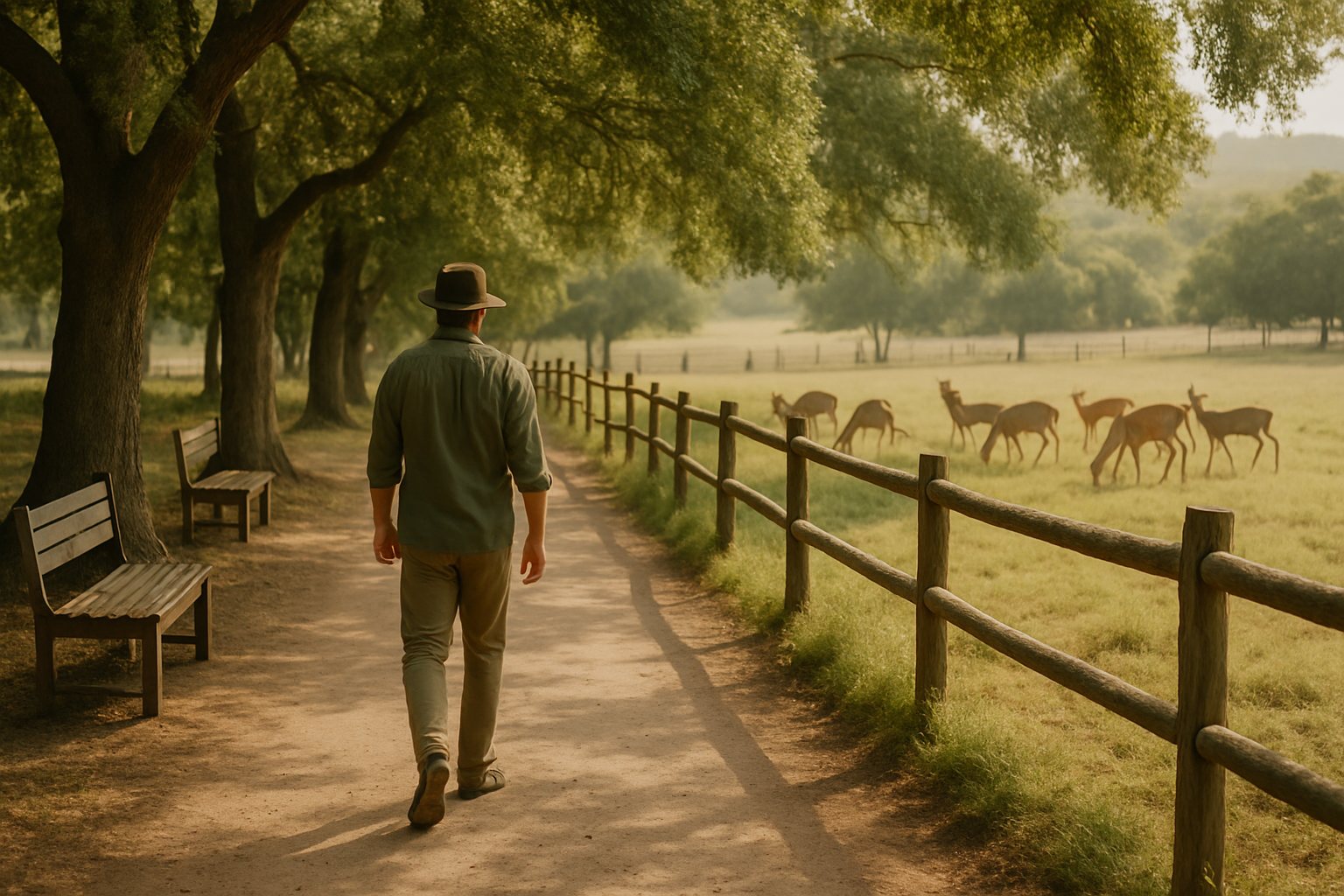
Visitor lanes keep foot traffic away from the main camps and herds, with shaded stopping points and clear signage. Our education days and farm visits give colleges and schools a hands-on look at veld management, biosecurity and the daily work it takes to care for both animals and land. We welcome booked visits by arrangement, always with safety and welfare first.

Camp and pasture notes

Talk to Deer Farming

Contact form · Karoo Edge farm gate