Pastures and camps
Age-class and fair-chase ethics guide our deer management and client field days.
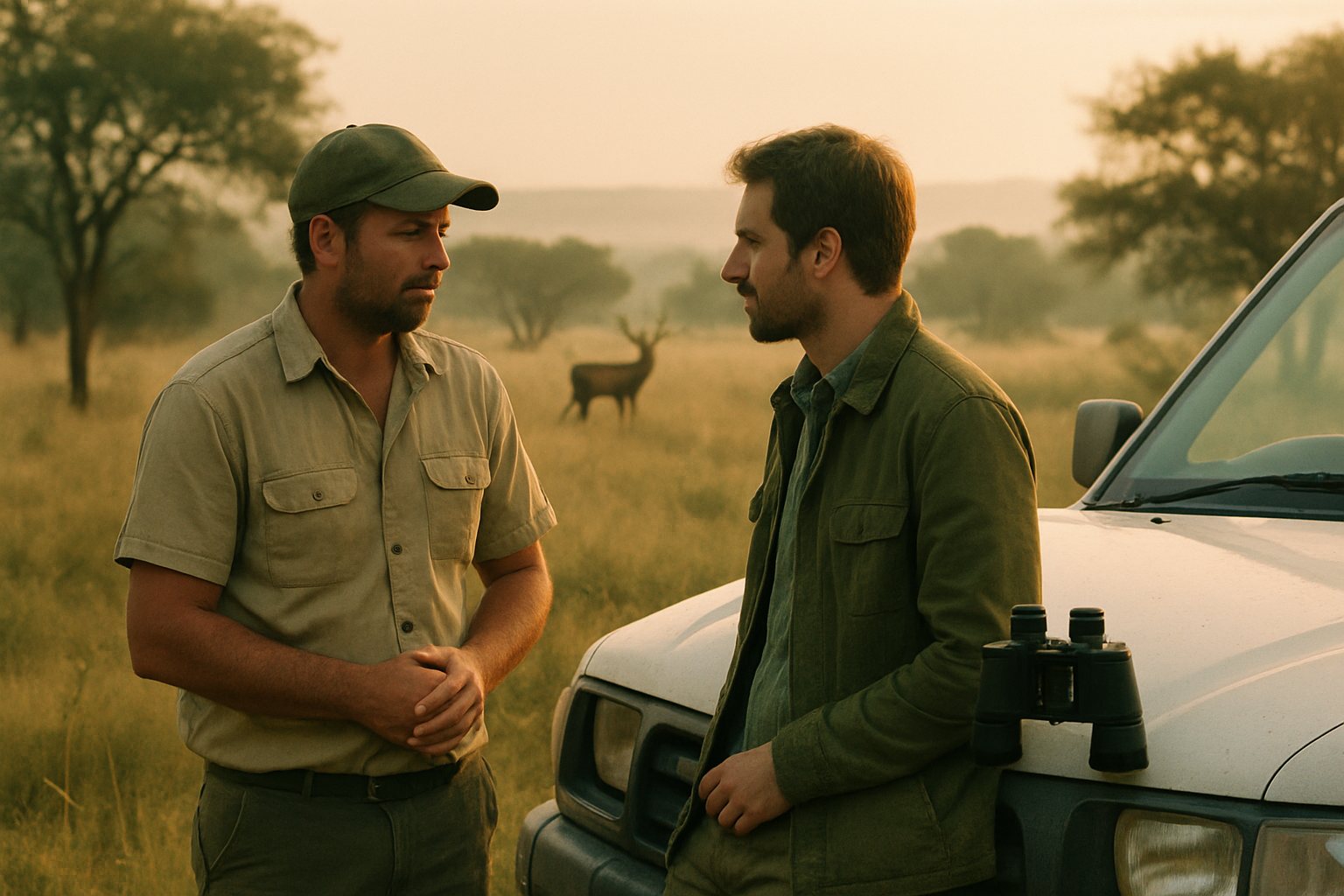
The fair-chase, age-class brief is a one-page sheet of ground rules for deer selection, observation and, on partner game farms where permitted, fair-chase hunting. Only animals of the right age, condition and behaviour may be handled or selected, and every opportunity must meet fair-chase rules.
Deer settle better when their environment and routines are steady, stress is kept low, and human activity is predictable. Age-class selection ensures young stock and prime breeding animals are protected, while older or surplus animals can be chosen for study or humane harvest. Fair chase means no shooting from vehicles, at water points or inside small camps.
We draft and update our brief sheets for each deer herd and camp, using examples from our own camps and the latest herd records. The brief is printed on waterproof paper and kept in the bakkie and at the main kraal gate, so it is always on hand when someone enters a camp for selection, inspection or veldwork. On education or field days, our farm visits coordinator runs through the key points before the group enters. Age-class diagrams are hand-drawn from our own herds and show antler stages, body shape and typical behaviour for each species and sex.
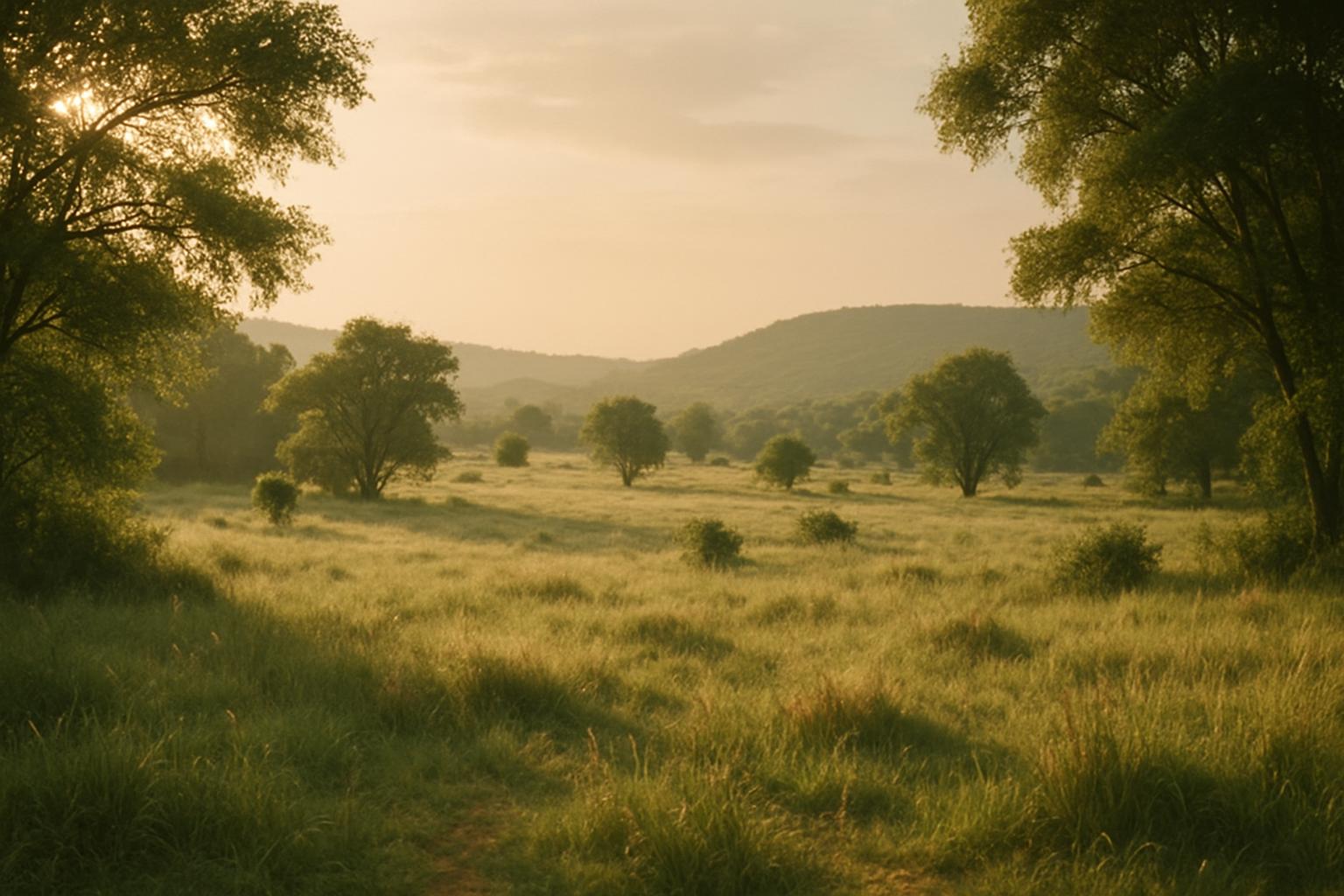
The layout is a table for age classes, a list for do’s and don’ts, and a veld map for safe lines of approach. We use common farm materials for marking boundaries: droppers, high-viz tape, and shade netting for temporary screens. Where possible, we use camelthorn, wild olive or karee to give visual cover and natural rest points in the veld. Camps are big enough for deer to avoid people, with water and grazing spaced to discourage crowding.
Many slip-ups come from not reading the brief, rushing animal selection, or moving in without warning the team. Too much pressure or unclear signals can stress deer and spoil fieldwork. Leaving old markers, forgetting seasonal antler changes, or missing a change in camp layout can also cause trouble.
Each season, we walk the camp lines, check the fencing, update the age-class sheet for calving and cast antlers, and look for new shade or resting patches. We ask for feedback after every field day and adjust the brief if anything is unclear or not working.