Pastures and camps
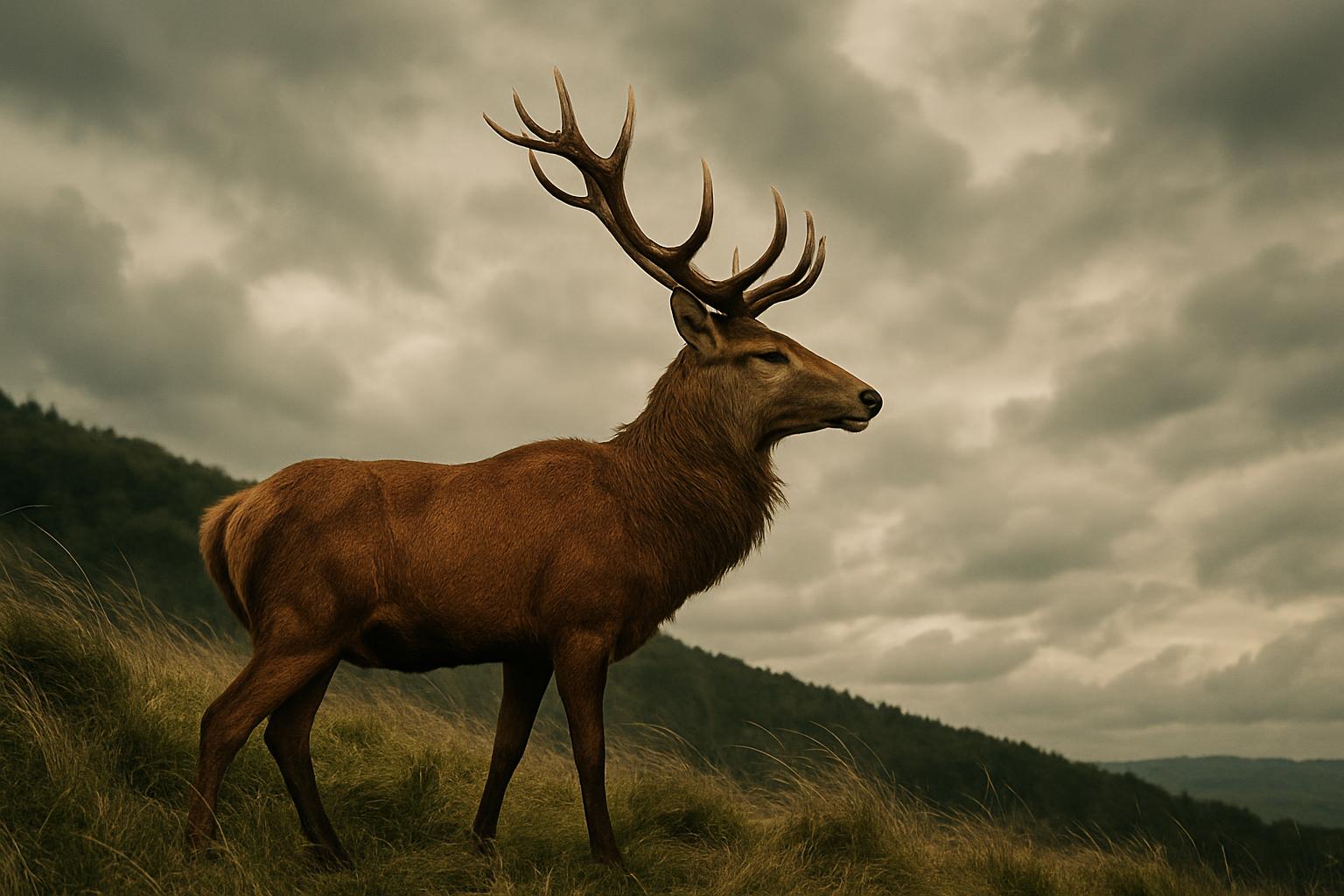
Highland wind pasture gives red deer herds altitude grazing with shelter against berg winds and sun.
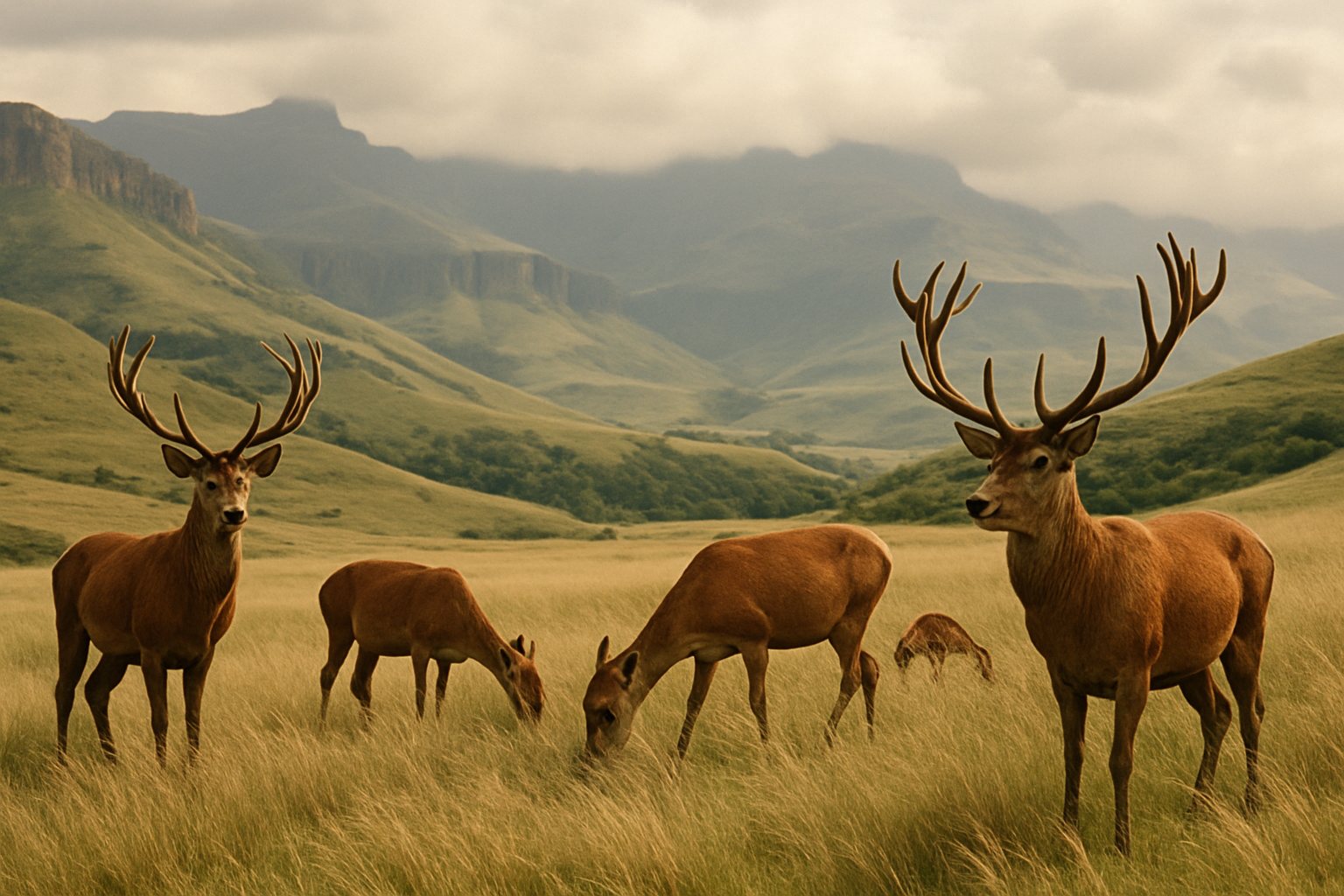
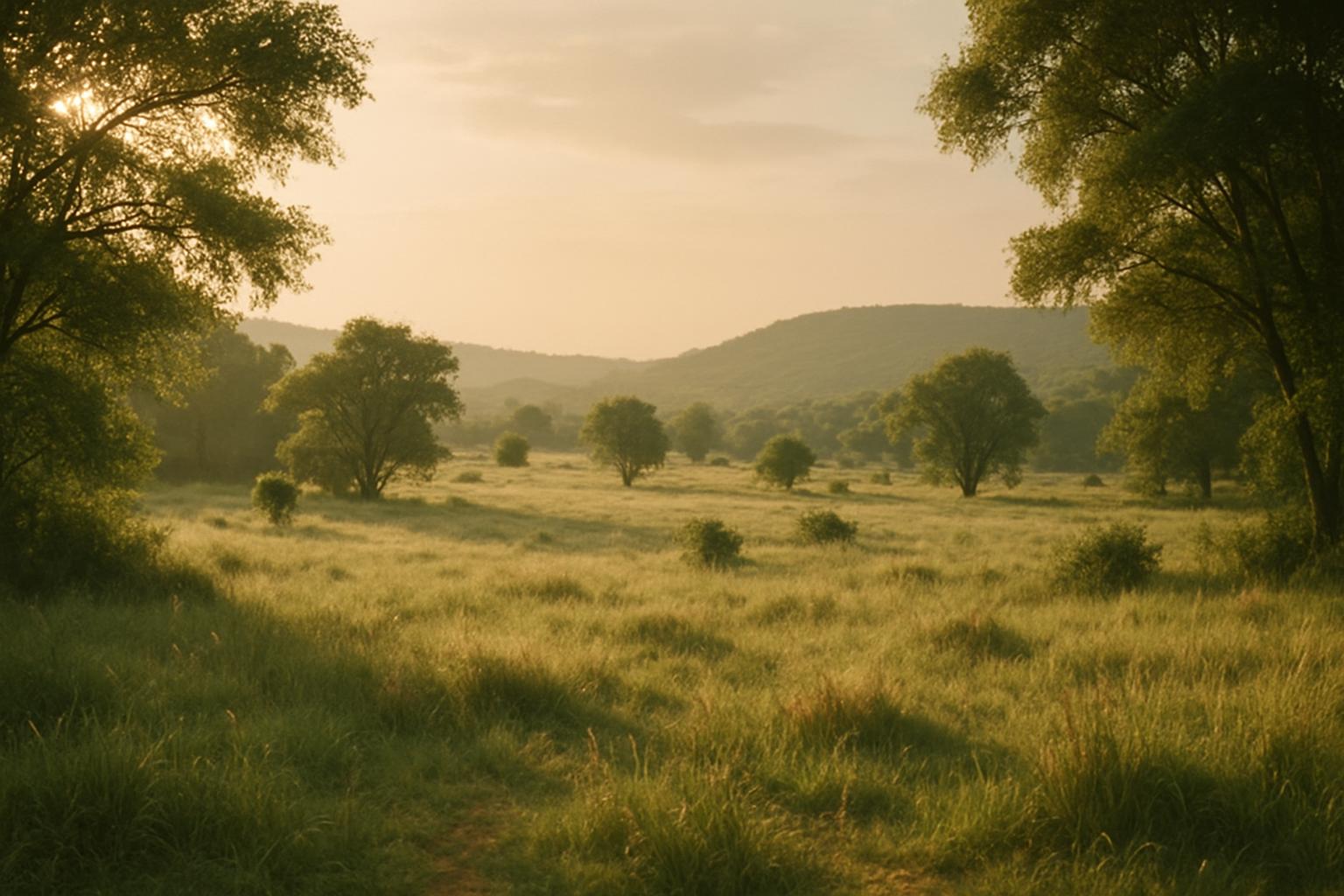
Red deer favour open highland veld with steady air movement, as found in their Scottish and European origins. In South Africa, these herds settle best on camps that mimic the open, breezy plateaus but offer proper shelter and pasture diversity. Highland wind pasture means setting aside camps at higher points of the farm, where winter frost and summer heat are tempered by wind and altitude. Here, deer graze more actively, keep fitter and show stronger herd bonds, provided there is cover from sudden weather shifts. The right windbreaks and grass mixes help reduce stress during berg winds and protect calves from chill.
We build these camps on the farm’s higher ground, choosing slopes that drain well and face away from the worst of the midday sun. Fencing is strong, at least two metres high, with extra bracing at corners, and mesh small enough to keep calves in. Around the camp, we plant belts of hardy indigenous shrubs and wild olives for natural windbreaks. In the pasture, we seed a mix of Themeda triandra (red grass), Eragrostis curvula and chicory for deep-rooted forage that stands up to low rainfall.
Where there are old stone kraals or natural rock outcrops, we keep them as extra shelter from berg winds. Water troughs are set low and behind shelter, so deer can drink out of the gusts. Solar, battery or generator backup keeps the electric fence energisers running during power cuts, a must on remote high ground. We check all gates and wires before moving stock in each season.
Neglecting windbreaks or using only exotic trees can leave deer exposed, or roots may fail in drought. Overgrazing is a risk on smaller camps, especially in an El Niño spring. We also watch for wire sag from wind or animal pressure. Regular walks round the camp edge, especially before calving or a cold front, let us spot weak spots early. Seasonal pasture checks keep grass healthy and open patches reseeded.
Every autumn, we clear old branches from windbreaks, check fence strain and test all solar and battery systems for backup power. If you need help planning or checking a highland wind pasture, send us a message through our contact form.