Pastures and camps
A quiet visitor lane lets people watch deer calmly, without unsettling the herds or their veld routine.
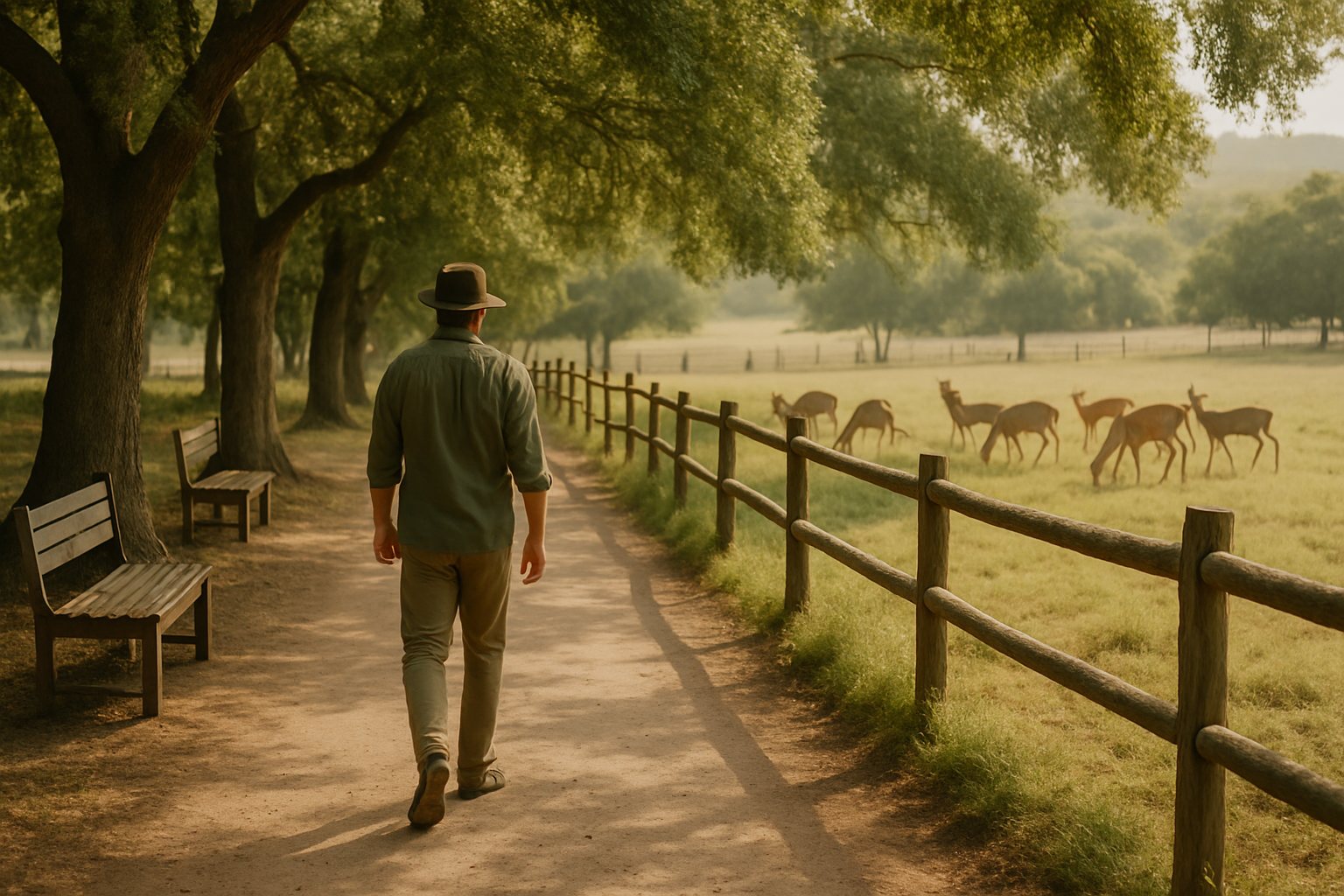
Deer are naturally wary of new movements, sounds and unfamiliar scents, especially on farms where veld camps border visitor areas. A quiet visitor lane is a separate, well-marked route for guests, students and delivery bakkies. By using this lane, people can cross or move along farm boundaries without walking or driving through paddocks or camp edges where the core herds graze, rest or drink. This keeps the animals’ routine undisturbed and their stress levels low, making it easier for them to settle, calve and thrive, especially during busy teaching days or booked farm visits.
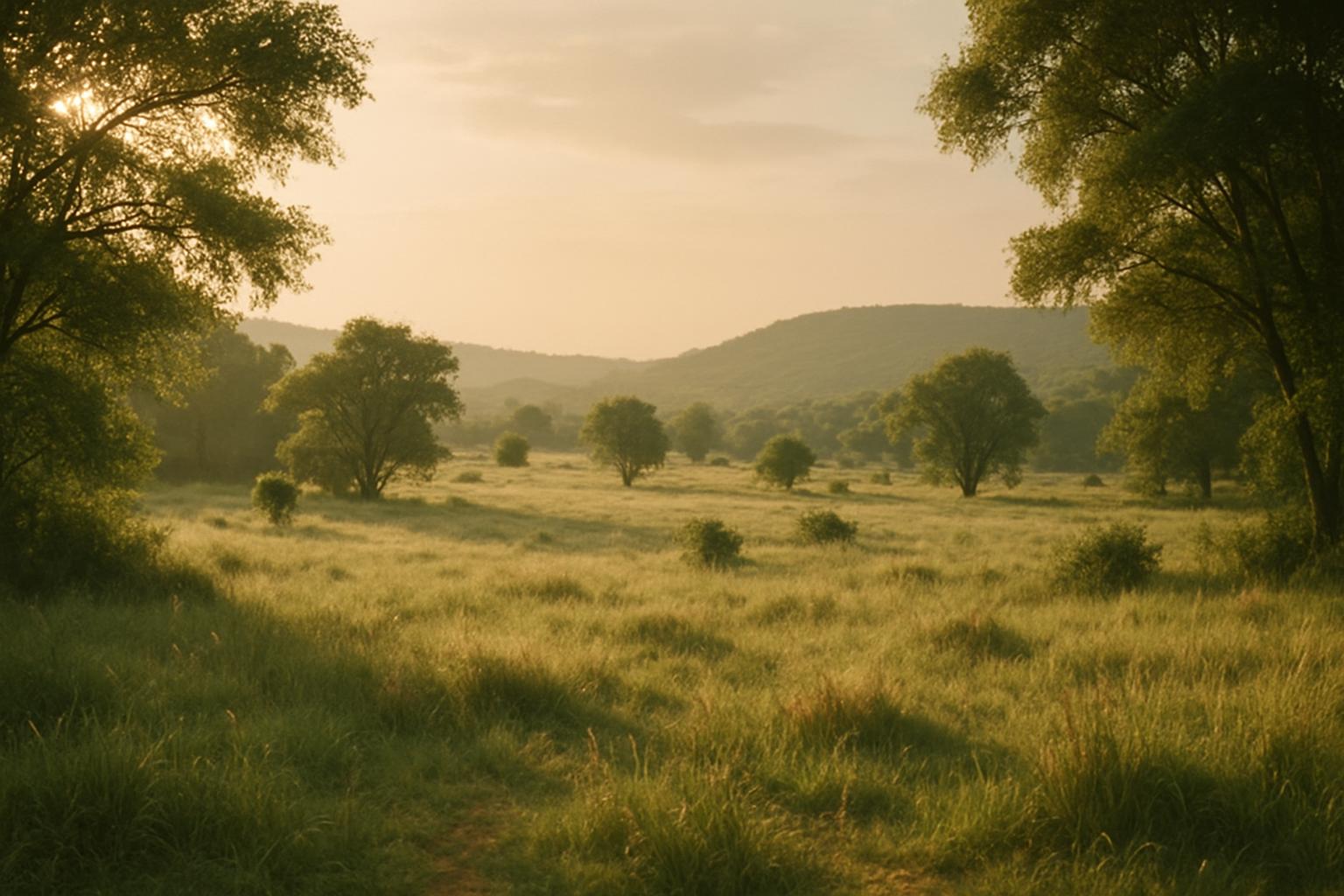
We mark out quiet lanes with simple, clear fencing, usually two tight lines of plain wire or stock mesh, about waist height, that run well outside the main deer camps. Where visitors might park or walk, we add shade netting, low acacia or Karee trees, and indigenous shrubs to soften movement and block sudden sounds. Wooden gates with easy latches keep the lane stock-proof without clanging. Along the Karoo Edge farm, we prefer a gently curving route so people and animals don’t suddenly see each other at close range. In the Eastern Cape, we use windbreaks of hardy renosterbos and wild olive, which help buffer noise and serve as perches for local birds.
The biggest mistake is running a visitor lane too close to water points, salt licks or calving cover, which can unsettle even our oldest fallow does. We never allow vehicles to idle or reverse along the lane. Along the lane, the daily fence round and the weekly walk look for gaps under fences, overgrown shrubs that could hide snakes, and loose wires after a berg wind or storm. In dry years or during the strong El Niño seasons, dust can blow in from open tracks, so keeping the edges lightly grassed helps, though not with invasive grass. Teaching teams and guides must always wait quietly at the gates before entering or leaving.