Resource
A one-page venison cut guide by species and season, with provenance notes for menus, sent free by email on request.
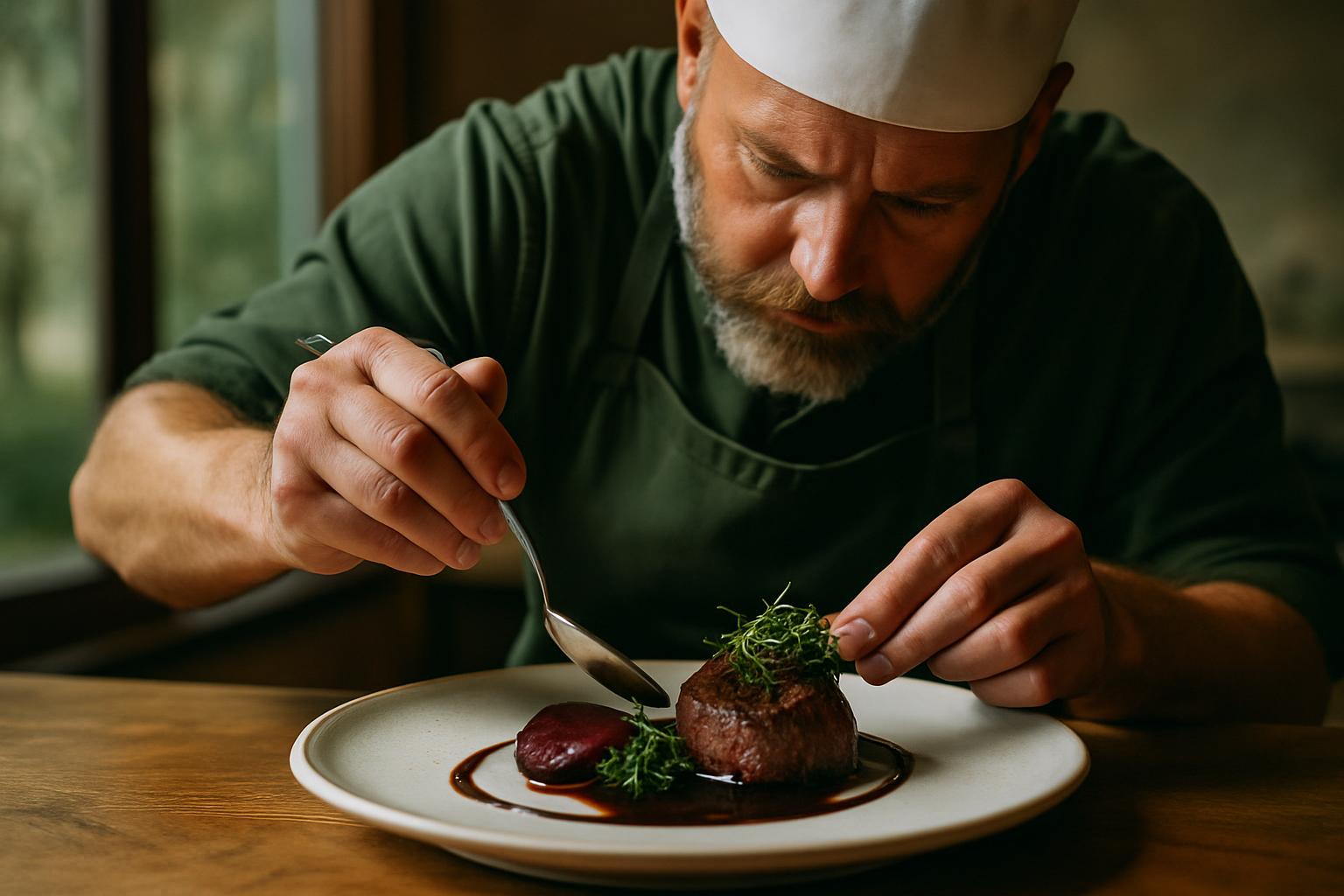
Chefs and butchers who buy our named lots can ask for the guide with any order. We send the guide by email as a printable sheet to keep on your kitchen wall or in your butchery office. Each edition lists the cuts coming into season, the deer species being harvested, and how to label each cut for provenance. Kitchens pin the guide up for menu planning and staff training.
Each species section names its herd and farm, so staff can tell guests where the venison came from. Each delivery carries its lot number and the chiller log from the partner abattoir.
Cuts are grouped by species and season on a single printed page. Primal and secondary cuts are laid out by carcass section, each marked with the season it is usually available (July, August or September), depending on when each herd is harvested. A notes column leaves room for your own comments, delivery ticks and your preferred use for each cut.
The sheet also gives a short provenance note for each species, naming its herd and farm, and tips on how to reference this on your menu or counter display. The sheet can be laminated for use in cold rooms or kitchens. Use a marker to jot down which lot number or herd the meat came from, so your story and traceability stay together.
Some common mistakes include mixing up the species or season, or losing track of which lot the venison came from. Always use the lot number and provenance info supplied with every order, and match it to your chef cut guide for the right story. Another pitfall is assuming all cuts are available year-round: we harvest only from July to September, so some cuts run short by late summer.
Never guess provenance or invent a farm name. If you are unsure, rather ask us first. If you want your free printable chef cut guide, send a message through our contact form and we will send you the latest version as a PDF. Let us know if you need it for a college training day or lodge staff briefing, and we can add a few extra notes about the current harvest.