Stories
Ethics briefings for trophy-minded game farms.
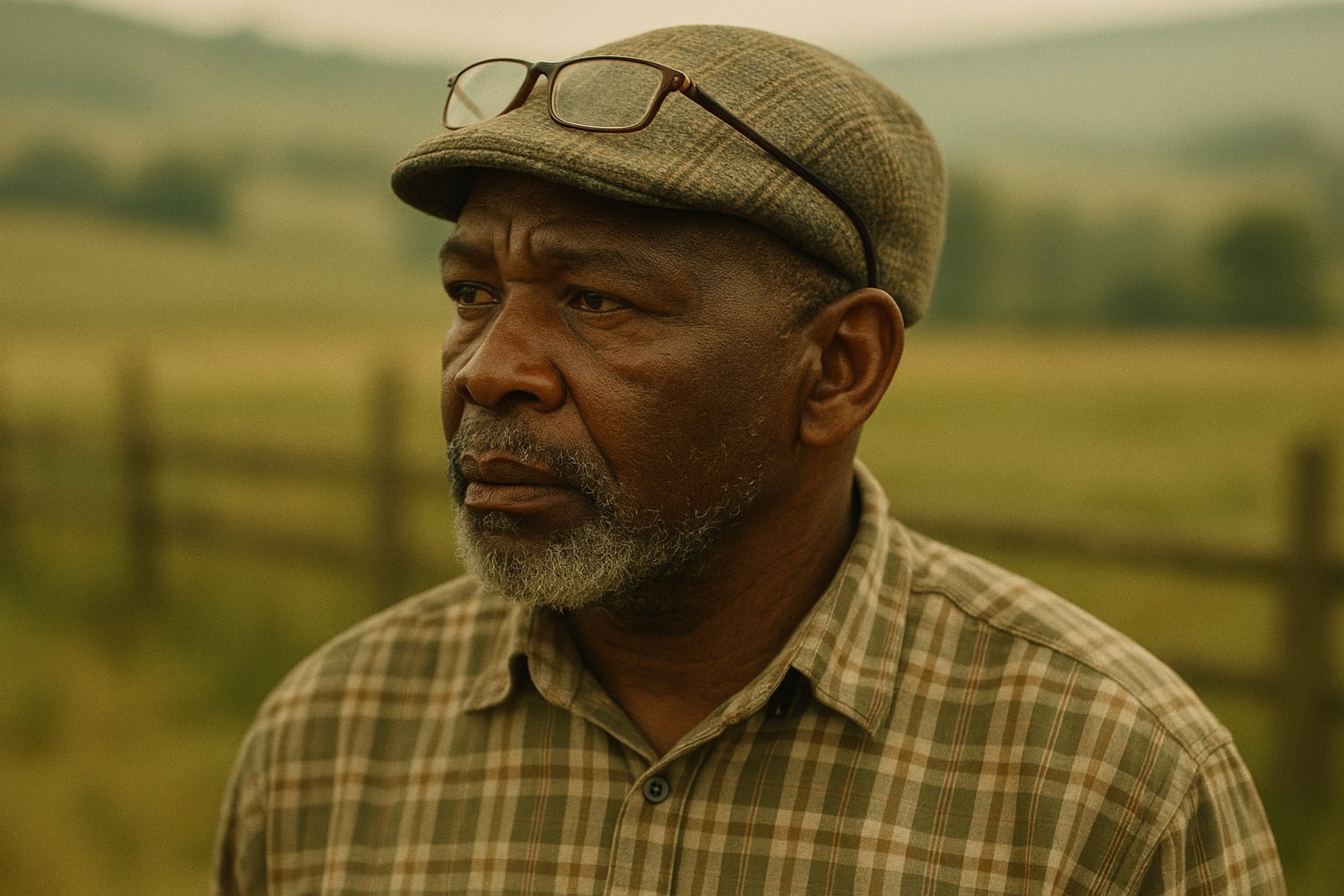
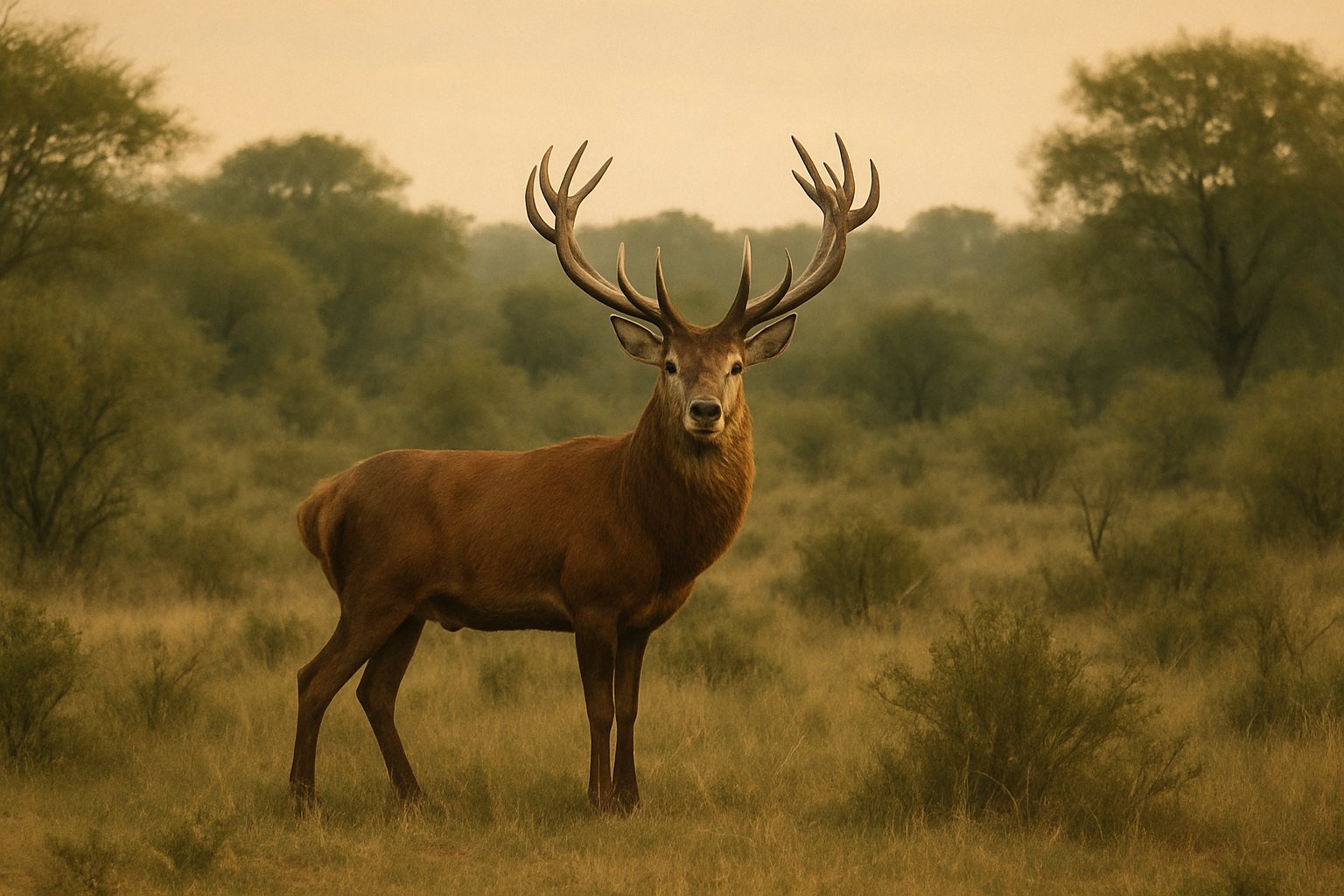
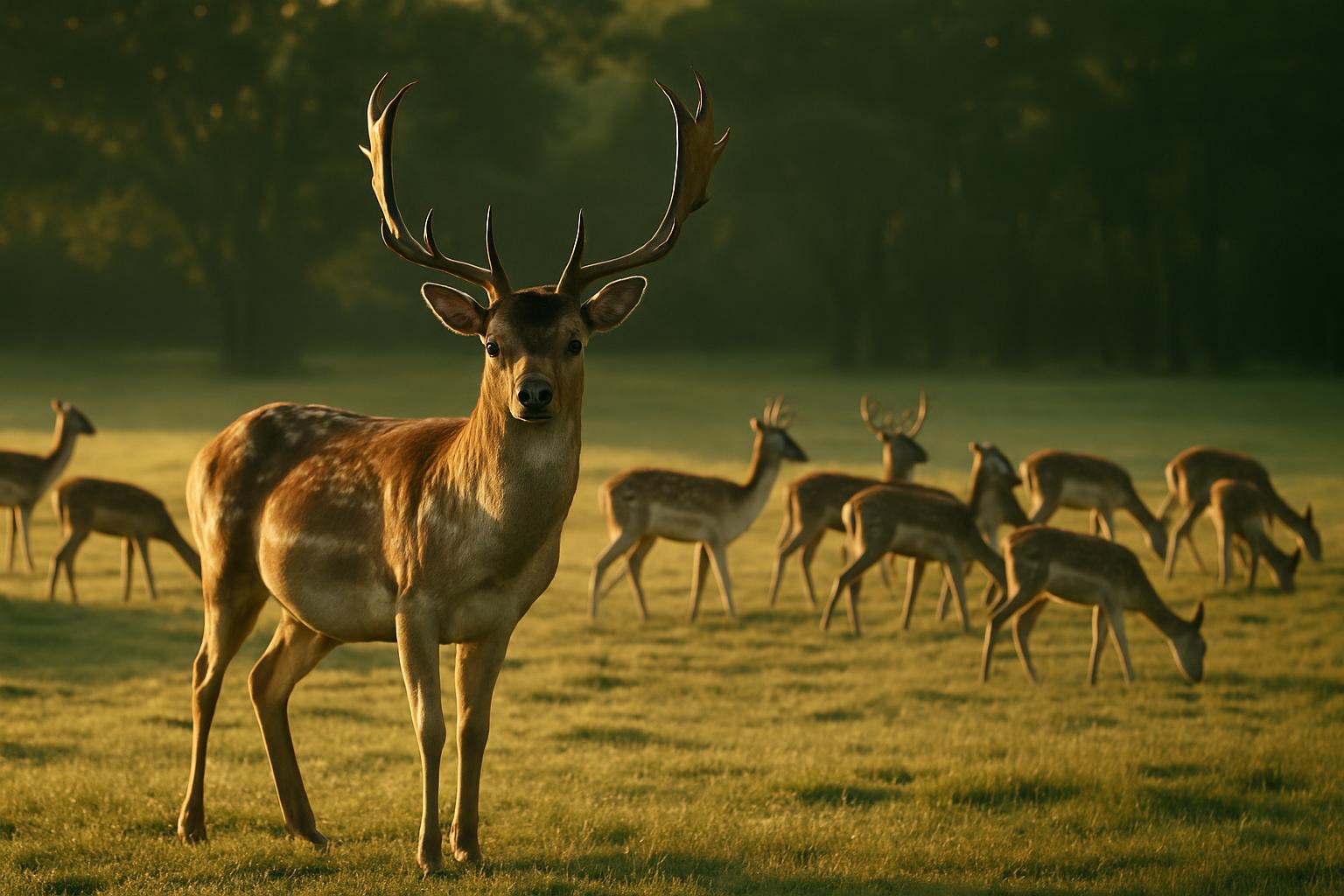
I have seen too many trophy conversations start with antler size and end in disappointment. We believe age class comes first, especially when working with game farms interested in ethically managed venison and trophy potential. Last autumn, while checking our fallow deer records at Karoo Edge, I watched a young buck slip away quietly, not yet heavy or mature enough for a fair chase, and marked him to be checked again next season.
When we brief game farm clients on trophy potential, we start with age class, and antler size comes later. Mature deer are warier and harder to approach, which keeps a hunt fair. Younger bucks, even with impressive velvet or early antler growth, have not reached their full genetic or physical potential. Our Trophy Ethics Programme puts the focus on waiting for the right age, usually well past a deer's first full antlers.
We have seen, in the past, the disappointment from farms that focused too early on antler points, only to find that their herds lost genetic diversity and mature trophy opportunities. Knowing the animals' ages, and offering only fully mature animals for trophy, keeps a sound age structure in the breeding herd.
On Karoo Edge and our other herds, every tagged or recorded animal has its age tracked from birth or from the time of intake. Accurate records mean we can select for trophies that are genuinely mature. I remember marking a sika stag last winter, his coat bristling in the cold wind, and making a note to leave him for at least another two years.
Mixed herds, with fallow, red, chital and sika, can be confusing for visiting farm managers or hunters. Our team briefs partners on the ground, with photos of each age class, so they can tell age by body mass, behaviour, antler base and even tooth wear, never by antler length alone. Young stags stay in the breeding herd until they mature.
The most frequent misstep is impatience: selecting on antler size alone and taking animals before their prime. We once had a partner who, despite our warnings, chose a fallow buck for trophy at just over two years old. The animal looked grand but would have doubled his antler mass and body size given two more seasons. That farm now waits for our annual age audits and genetics notes before making any decisions.
When guests or new investors push for impressive trophies early, we urge patience. We show them the age audit and the expected antler growth for each stag.
Our Trophy Ethics Programme works with game farms that want fair-chase rules in place from the start. It includes yearly age audits of your herd, age class guides specific to South African conditions, and one-on-one briefings at your property or at Karoo Edge. We also help train your rangers and staff to identify age accurately in the field and explain this to visiting hunters.
Drought in an El Niño year can slow how quickly deer mature or recover, so we adjust each programme to the farm’s carrying capacity and veld conditions.
Written by
Age records for every stag are kept in the Trophy Ethics Programme.