Stories
Yearling growth that respects gut and drought.
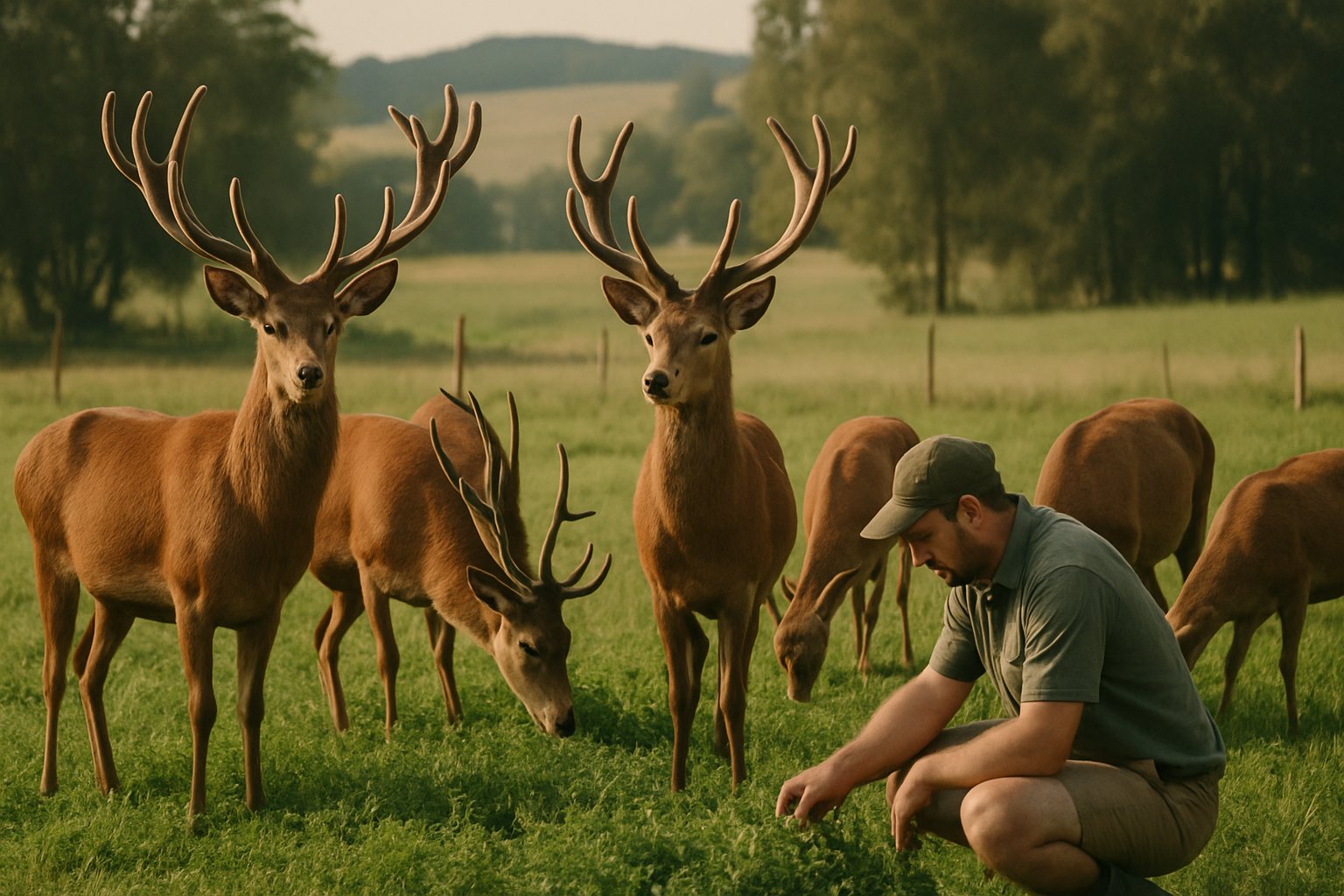
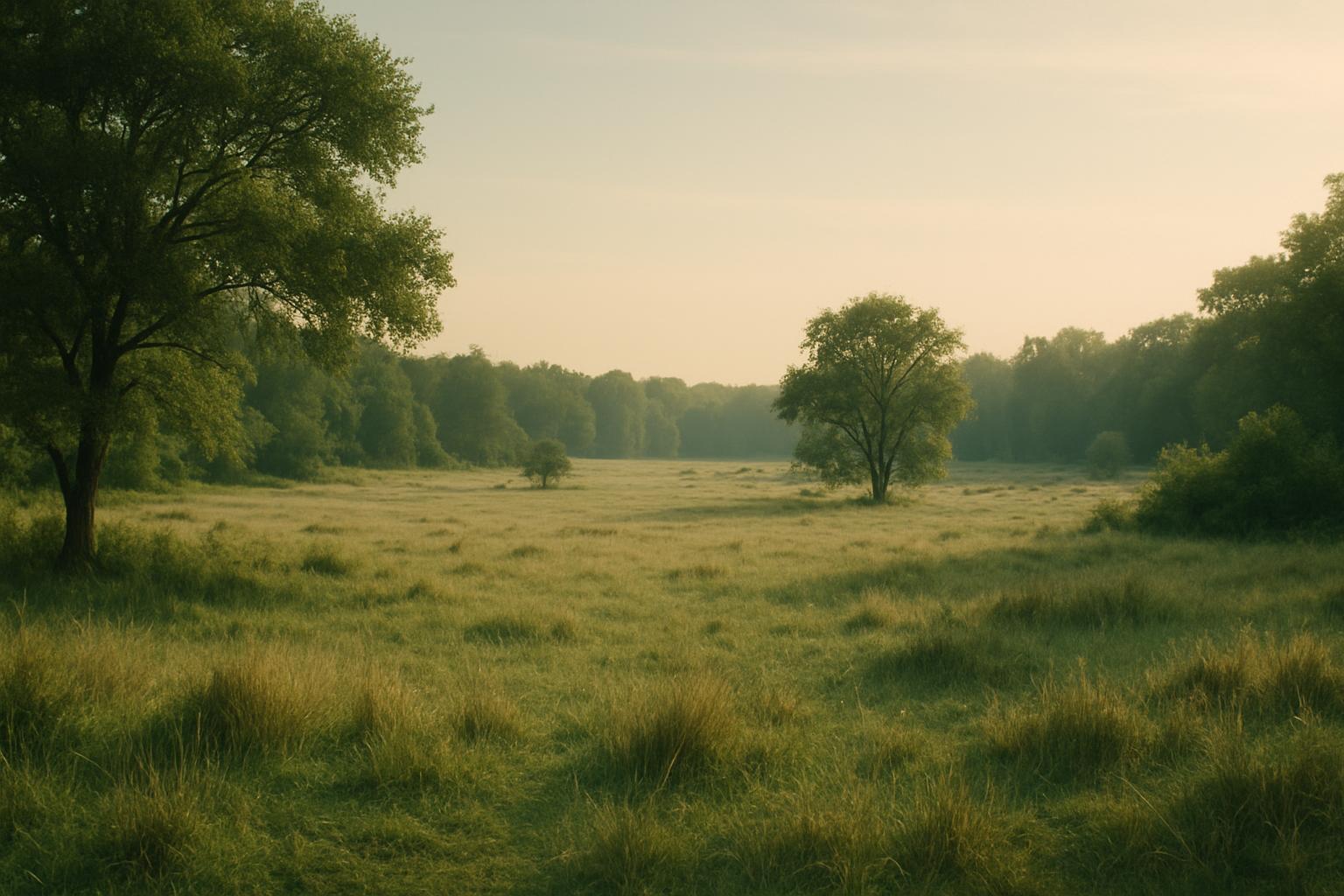
When I walk the Karoo Edge camps at sunrise, there is still dew on the lucerne strips the yearlings graze first. Each season we track how well the yearlings grow on veld and hay before any bagged feed comes into the pens. In dry years and wet ones, we read their dung and coats to judge how the rumen is coping.
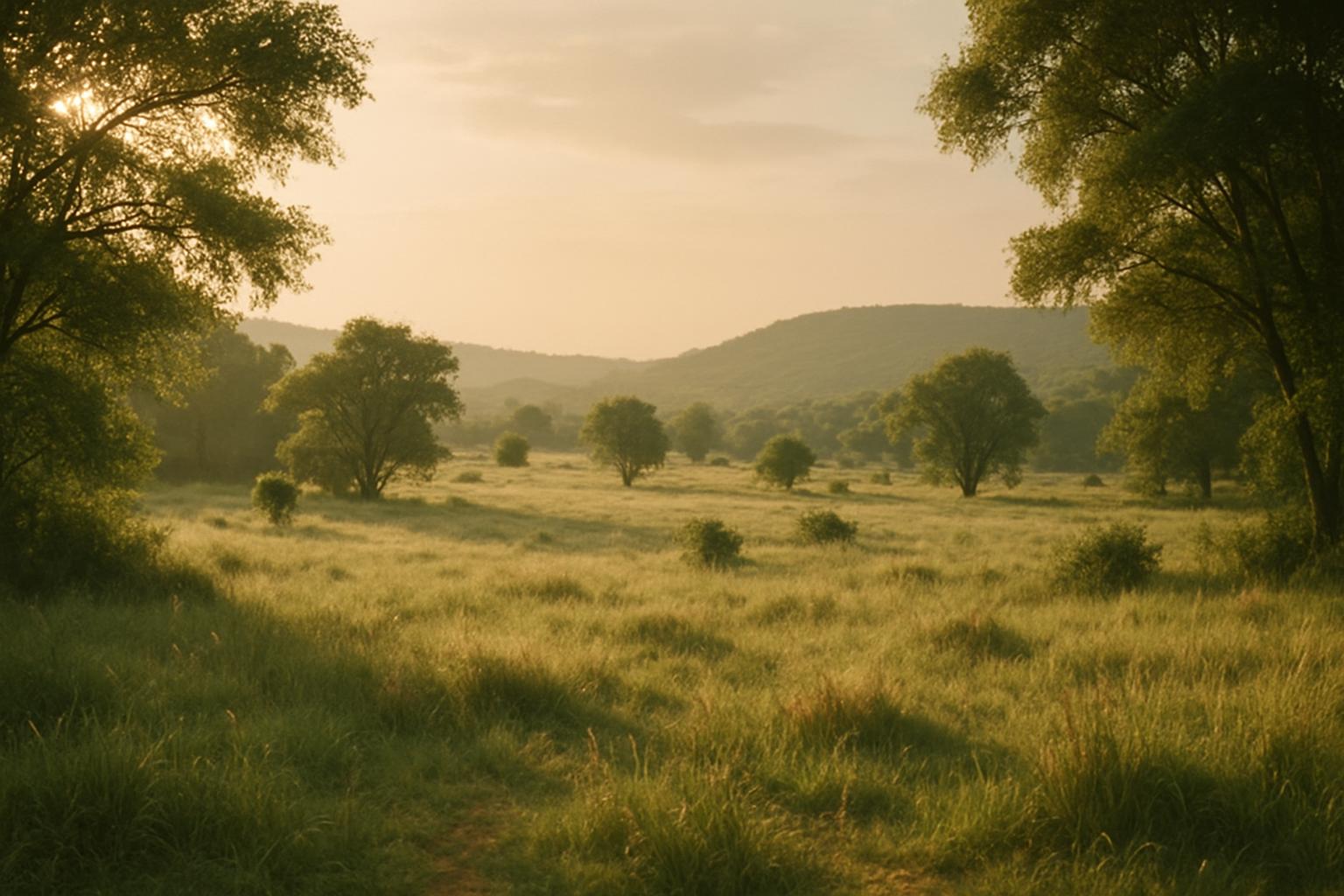
We start our Yearling Growth Pen programme each autumn with a simple rule: forage before any concentrate. Before young deer ever taste a pellet, they must learn to browse and graze well. In the Karoo, this means they’re guided onto mixed veld, sweet and sour grasses, wild shrubs, and our own lucerne and oat hay. We monitor how they take to each patch and how their dung looks, adjusting camp moves if bellies show bloat or loose manure.
In dry years, when veld is pale and brittle, we still let the yearlings work through the forage first, even if it’s just stubble and karoo bossie. Too much concentrate too soon, we’ve learnt, softens the gut and leaves the deer prone to acidosis the next time fodder is short.
Last September’s first hot berg wind brought a dust devil spinning right through the growth camp. I saw one young stag pawing bare earth, ignoring the pile of lucerne stover set out nearby. That afternoon, we checked the group and found a cluster with dull coats and clay-textured droppings, classic early signs of gut stress. We held back on extra meal and cut green prickly pear pads for roughage. Within a week, coats brightened and dung firmed up.
Our mistake in earlier years was relying on purchased hay and protein blocks when pastures looked thin. The animals grew quickly, but tended to founder when put back onto veld, losing condition fast and needing vet intervention.
We only introduce concentrate feeds once yearlings are fully adapted to the forage in their pens. Even then, it is a gradual process: a handful of calf pellets or venison cubes, scattered thinly across the ground to encourage natural foraging and reduce greed at the trough. We watch for any deer that push others aside or gobble, as these are the ones most at risk for digestive upset.
When El Niño threatens another dry season, pasture growth slows and we check both bulk and diversity in our forage. We top up with concentrate once natural material runs short, always watching for heat stress and water intake. We want steady, strong growth without forcing the rumen or risking metabolic crashes.
In the Yearling Growth Pens, we check every group twice a day. We look for weight gain, signs of health and adaptation to the veld.
Written by
Weaned fallow and red deer grow out on veld forage in the Yearling Growth Pens.