Stories
Fair-chase notes from our Limpopo office.
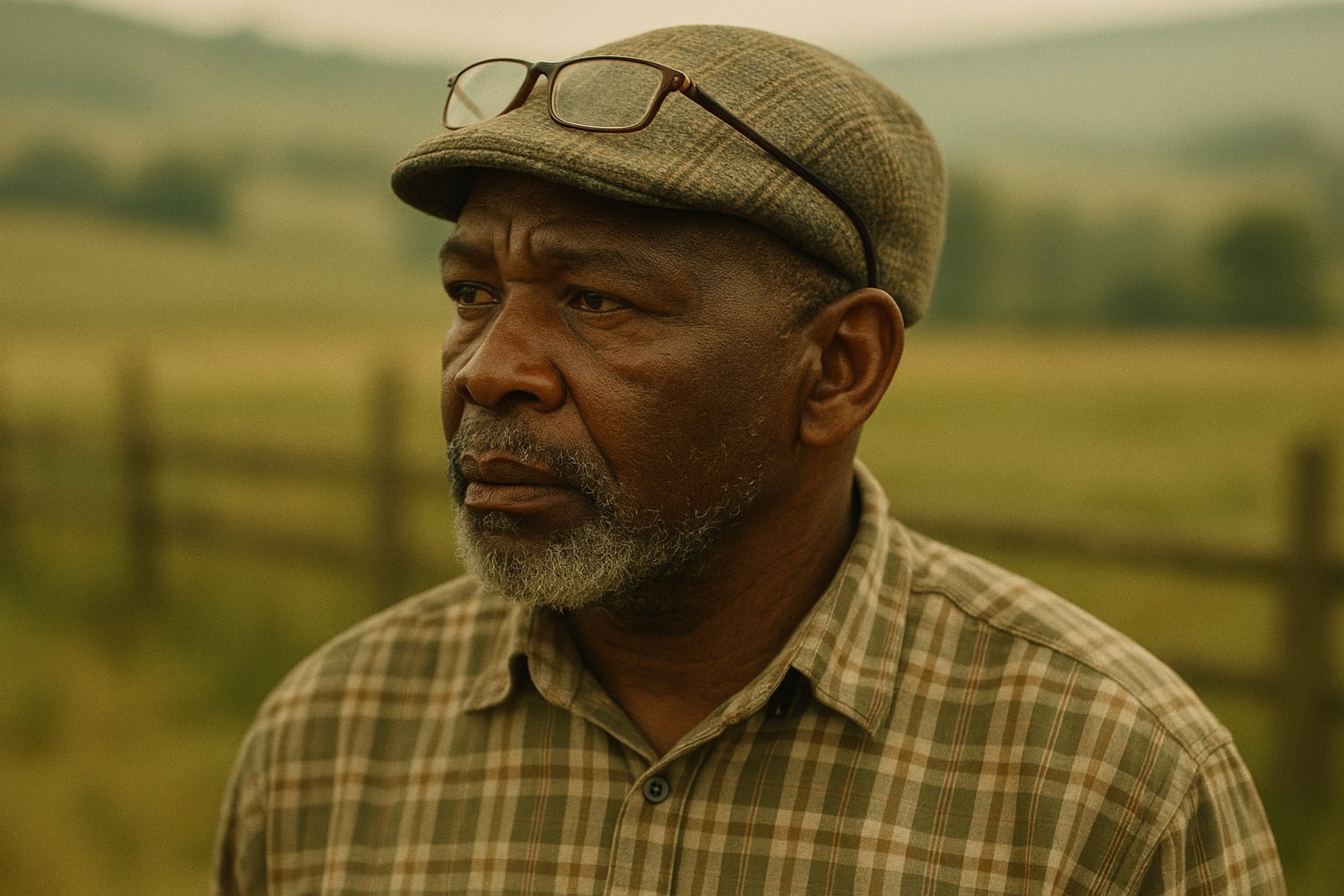
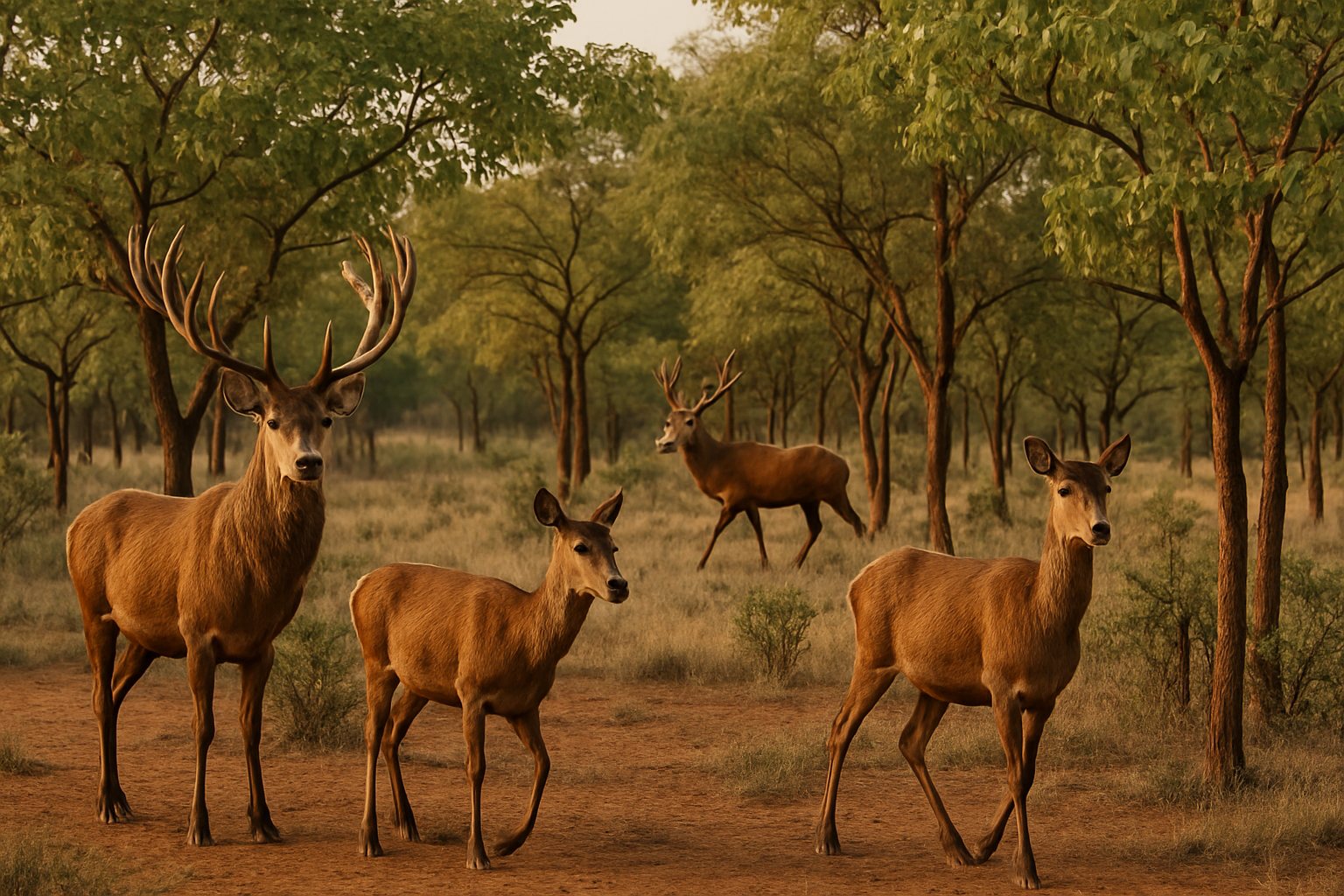
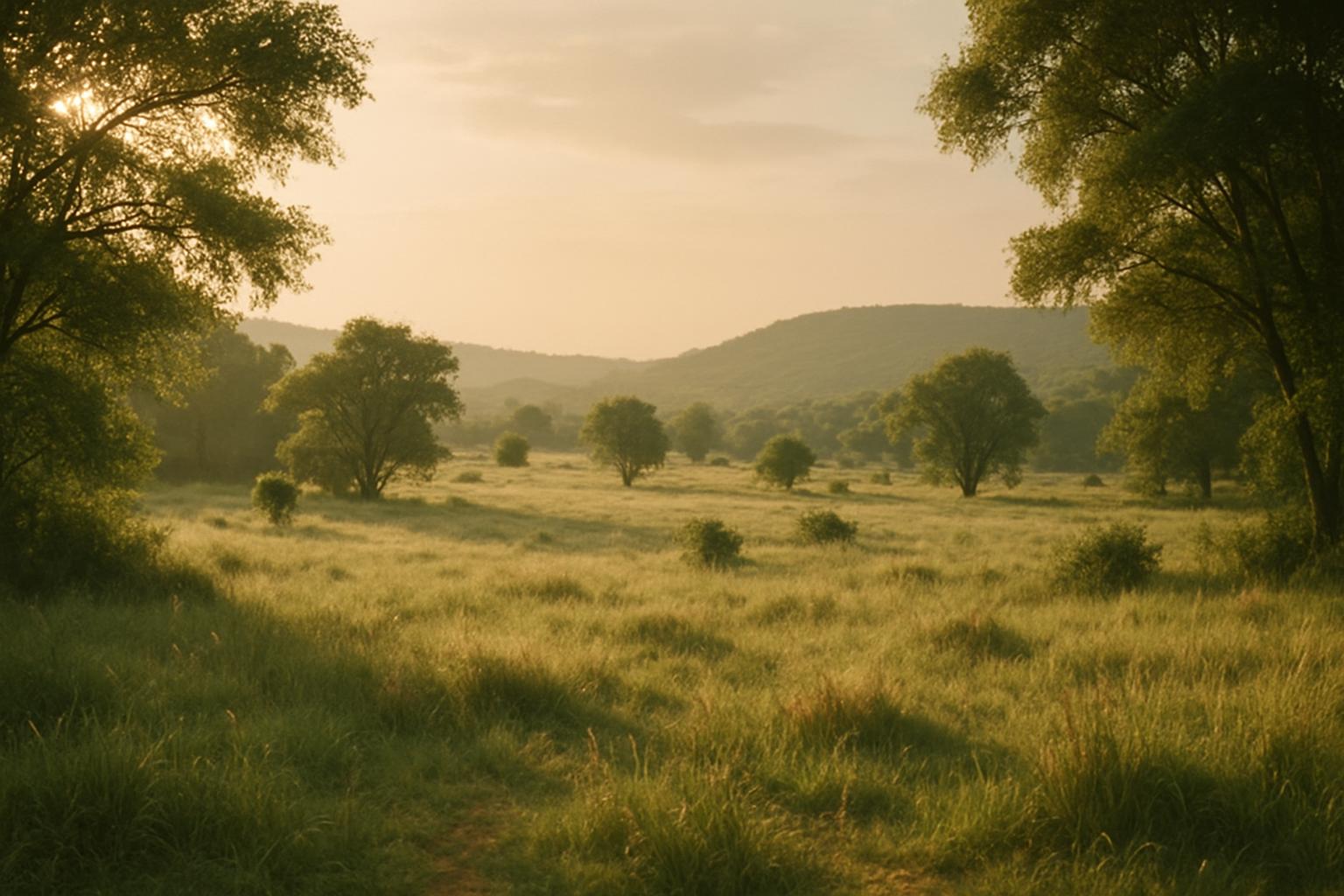
Among the koppies and thornveld of Limpopo, we track deer on partner farms for age-class assessment and fair-chase hunts. Our regional office sits just outside Polokwane, where the veld feels different: red soil underfoot, tall bushveld grasses, and the restless movement of both deer and gamebirds. Hunts here run on partner farms with thick bush and long walks, so an outing takes most of a day.
In Limpopo, the lay of the land makes every fair-chase outing slow, careful work. We have a mix of dense riverine bush and open koppie country, so both deer and hunter work for every sighting. Fair chase means following the animals on their own terms, with no herding or trapping, with plenty of distance and time. Age class comes first: we never offer up young deer or animals in velvet, and our permits are strictly in order before anyone sets out.
I remember last autumn, watching a small group of red hinds melt into the thornscrub at first light. We waited a good hour before moving, letting the animals decide their own course.
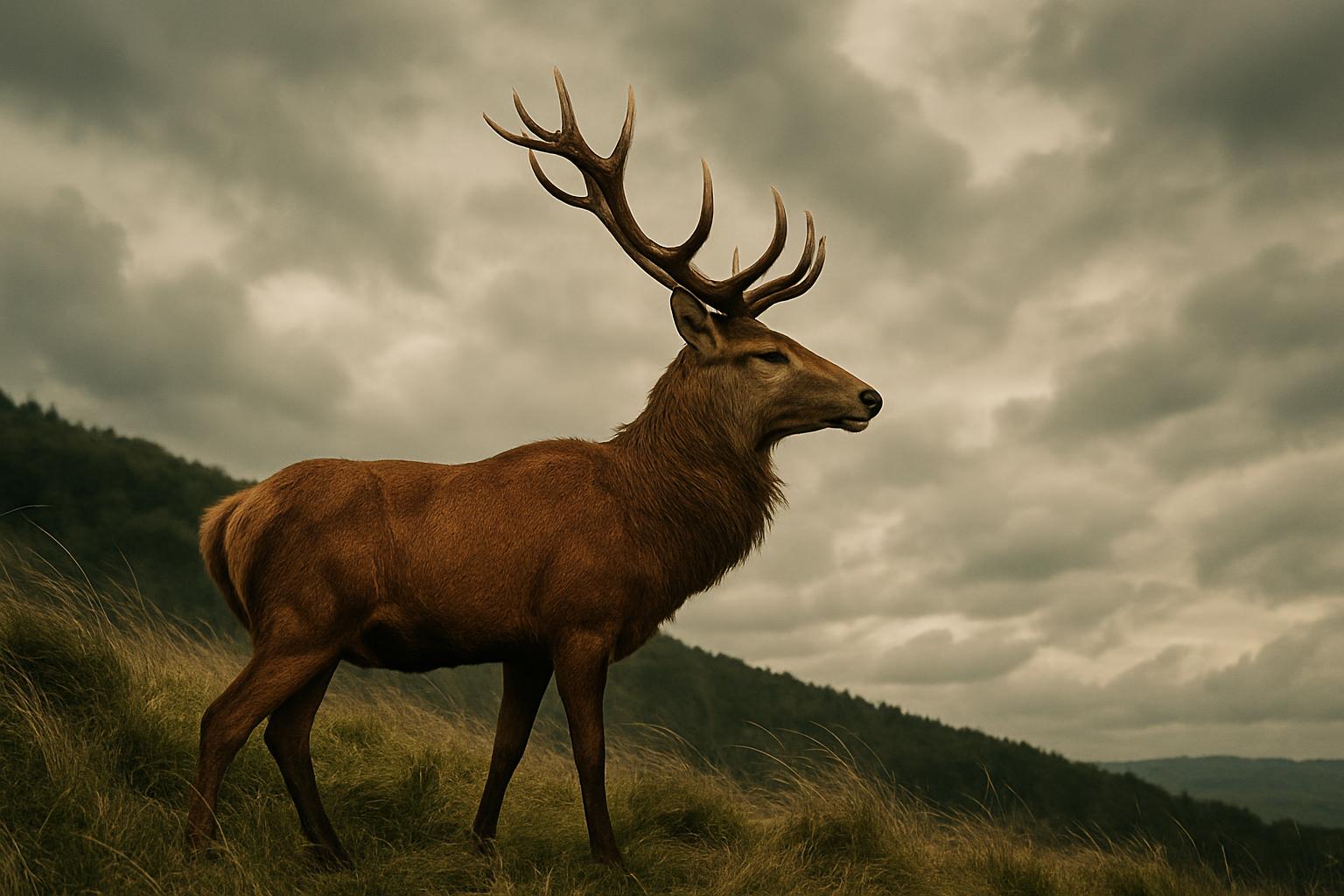
Every deer on the permitted partner farms we brief in Limpopo is known individually. For each animal I note health, weight and age class on the partner farm’s sheet. We do not allow trophy selection until animals are well past their first rut and well established in the pecking order. Mistakes happen. Early on, we underestimated how well a red deer stag could hide when the heat builds, so we missed an age check on one. Lesson learned: now, double-checking records and a last visual before any hunt is our routine.
Selective harvest is also about genetics. Removing only mature, surplus males preserves both the social structure and genetic diversity. Each removal is logged against the partner farm’s age-class sheet.
With so many visitors coming north for trophy days, there’s always the risk of pressure to cut corners. Our team has a checklist:
No animal is to be herded into a kraal or out of a boma for hunting.
No younger age classes or females are ever put forward for fair-chase hunts.
Every participant must be briefed in the veld about boundaries, ethics and the permit’s conditions.
All equipment is checked before setting out, and we always have a qualified game guide present.
After the hunt, we cross-check records and collect samples for our genetic diversity programme.
The rains decide how we work up here. The late summer rains can turn the black cotton soil into a sticky mess, changing animal patterns and making access tough. Some years, the bush closes in thick as a wall after rain, and the only way to track is on foot by spoor and old droppings. We now add a spare day to every field plan. Our office here is a small rondavel near the edge of the property, where I keep the partner farms’ age-class sheets and host visiting farmers or researchers. The stud books themselves stay at Karoo Edge.
We update the ethics checklist after every season, and after any mistake. If you want to know more or join us for a field day, send a message through our contact form. Fair-chase days on the partner farms run only from July to September.
Written by
Fair-chase briefings draw on age records from the Trophy Ethics Programme.