Stories
What we pack for regional agricultural shows.
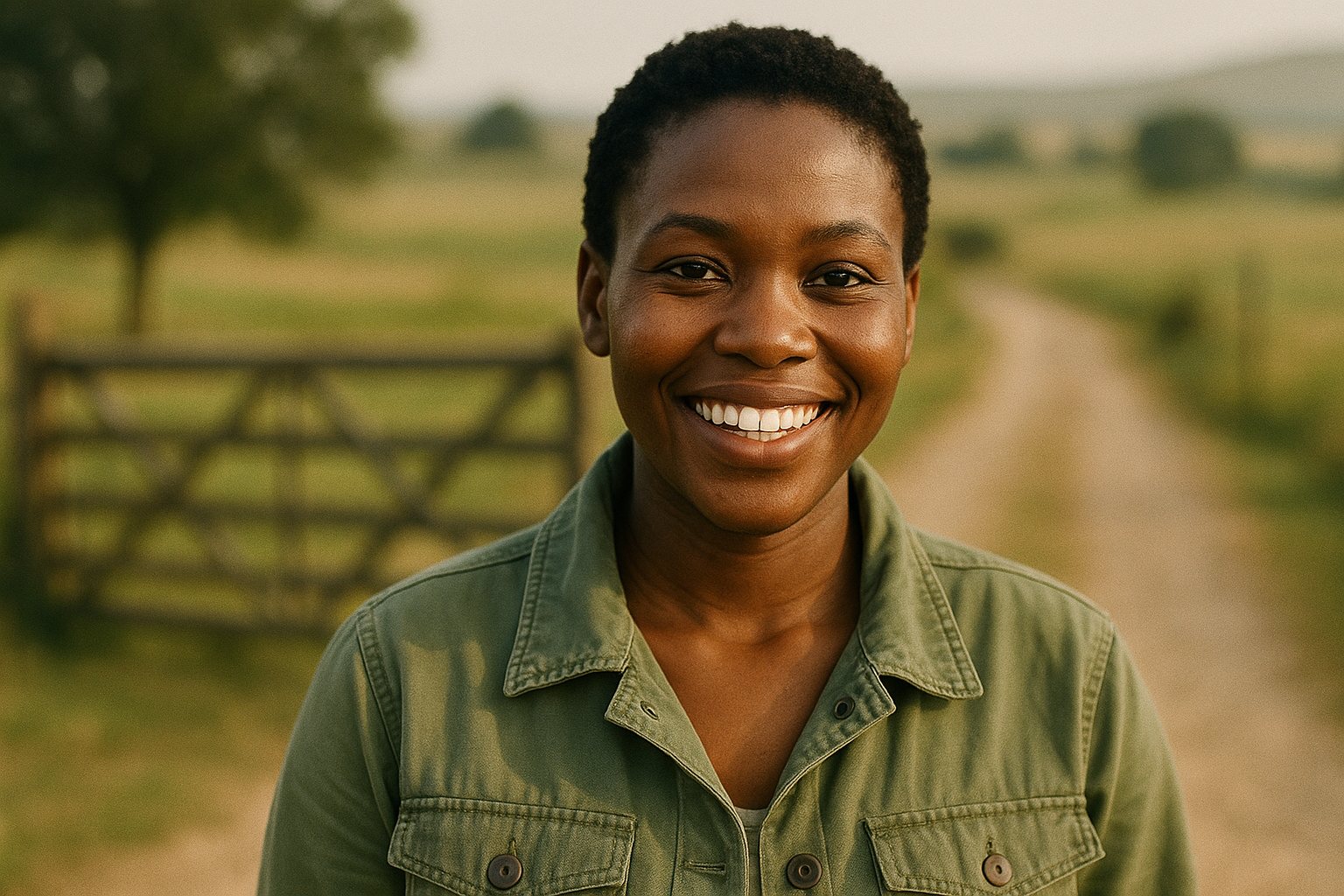
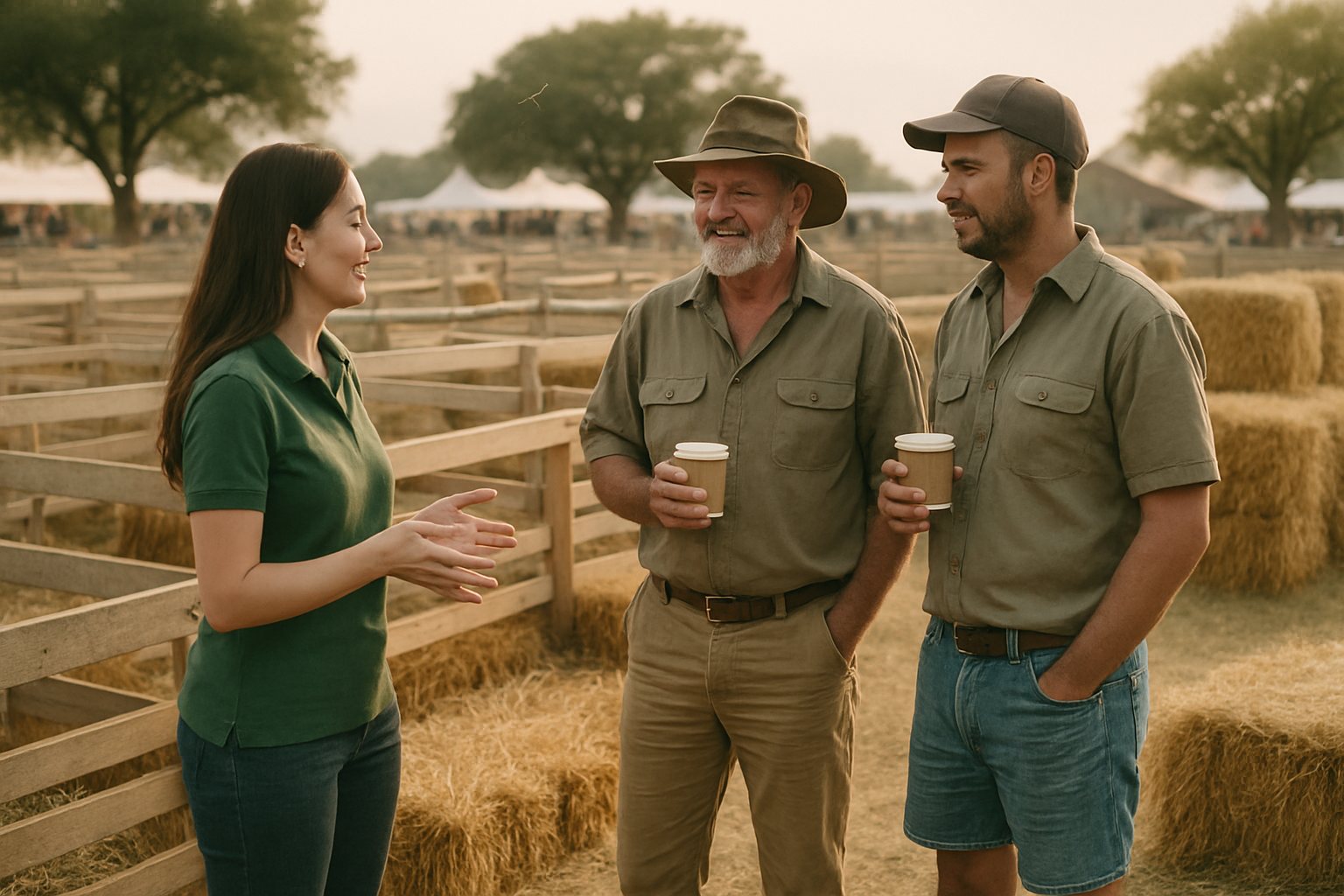
Packing for a regional agricultural show in South Africa calls for careful planning and an early start on the day. Each showground has its own layout, power points and wind, so the packing list changes a little every time. I always carry a memory from the Karoo Edge farm with me, like the sharp scent of lucerne bales in the cool spring air.
Show mornings begin on the stoep at first light, checking my lists and laying out everything that cannot be forgotten. For the Fallow Grove Herd programme, the display uses photos, records and samples, with no live deer at the stand. I always pack the stud records folder and a few sample pedigree packs from our stud records lead. Visitors often ask to page through the records. The old green plastic crate holds cold chain checklists, a stack of Deer Farming maps by region, and, always, the laminated species permits and veterinary liaison letters.
We load the bakkie with fresh banners, a folding table, crates for venison tasting (labelled clearly for source and abattoir), and a cooler with ice bricks. I have learnt to double-check the power packs for the small cold box, in case the day runs longer than planned. A spare roll of brown tape has held our posters up more than once when a gust of berg wind came through the show tent.
Visitors at every show ask practical questions: what do deer eat, how do you keep them in, and why do the chital live in the Midlands and not the Karoo? We bring along a piece of our actual camp fencing, the thick droppers, the tensioned mesh, and a corner of the electric line, so visitors can see and touch each part. This sparks clear talk about permits and the boundary checks that go with working under the NEMBA regulations for invasive species.
For tasting, our venison provenance manager always reminds me to keep the venison samples clearly separated by deer species and batch date, with the abattoir records clipped nearby. We never display biltong or fresh cuts unless we can keep them chilled all day. Posters showing the difference between fallow, red, sika and axis deer are pinned at child height, with simple facts and drawings done by a local school group.
Biosecurity is a standing rule at our stand. We set up a small handwash station with a foot pump and keep hand sanitiser for after anyone touches the fence sample or venison packs. We field many questions about foot-and-mouth disease controls, especially now with national movement rules changing. All our venison at the stand comes from our registered partner abattoir and stays under the cold chain, and we never bring live deer to a show stand or display. If visitors want to arrange a farm visit, we chat through the booking process and explain why we only allow visits by appointment, especially in high-risk seasons.
On more than one occasion, we have had to quickly reorganise the stand when a windstorm swept through, tying extra guy ropes to the tent poles and moving samples off the table. Mud after a spring shower at the showgrounds is another hazard, so I pack old hessian sacks to lay down for safe footing.
After each show I jot down what worked and what we forgot. Once, at Bloemfontein, we set out a small tray of Karoo veld clippings, and people stayed to smell and feel the plants our deer browse. We now take that tray to every show, with a label for each plant.
I also ask visitors about their own farms and note their questions for the team. Whether the question is about a fallow deer’s calving time or the reason for strict fencing, we answer from our own records and seasons. If anyone wants to follow up, I invite them to send us a message through our contact form, but most people leave with a small note or a memory, and a pressed sprig of Karoo veld.
Written by
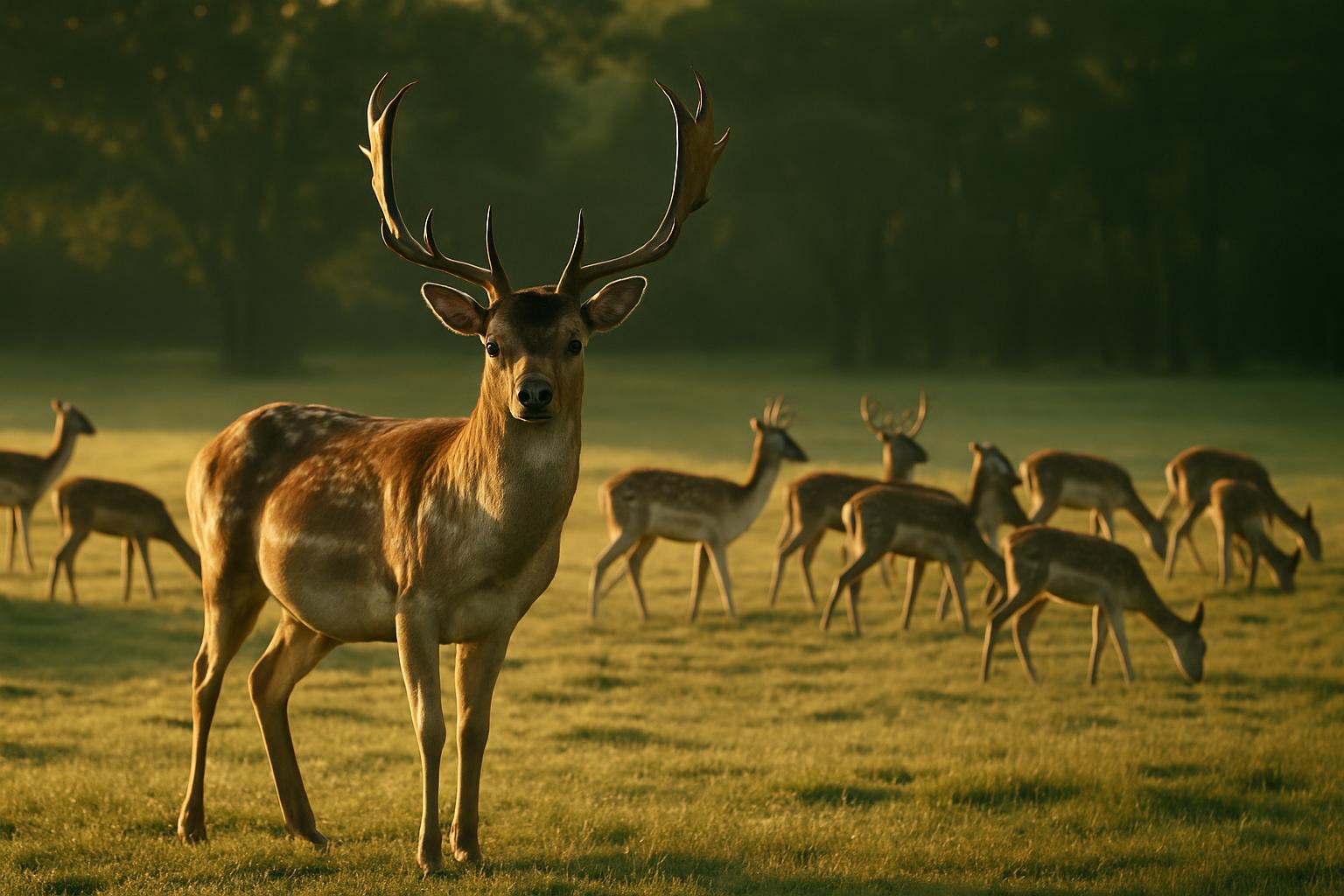
Show visitors often ask about the Fallow Grove Herd at Karoo Edge.