Stories
Fence-line weaning for fallow fawns, slow and quiet.
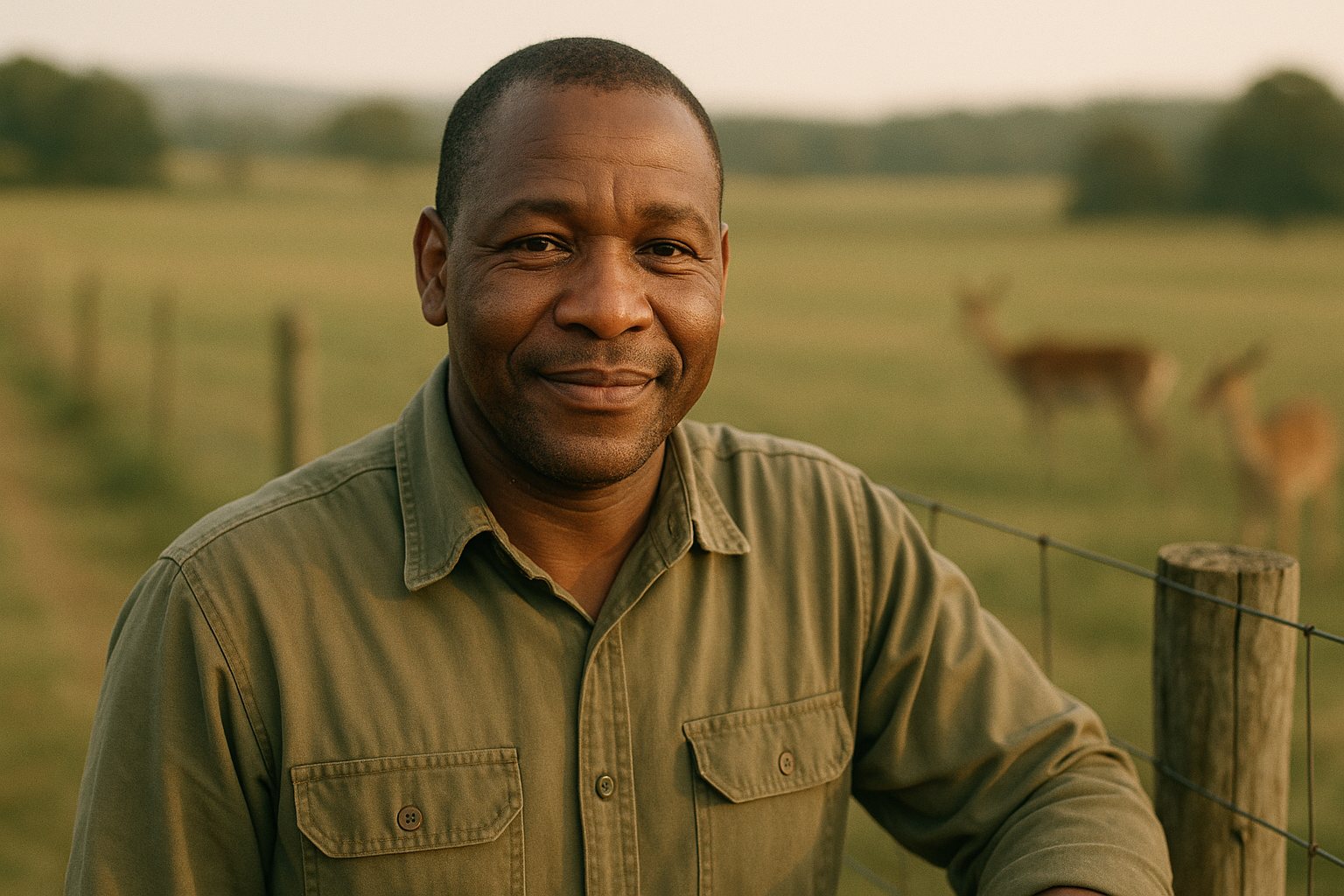
Every autumn there is one week on the farm that used to make the whole team a bit tense. The fallow fawns born in early summer are big enough to stand on their own, the does are thinner than we'd like, and somebody has to decide it’s time. For years weaning day meant a loud yard, a lot of calling up and down the fence, and fawns that went off their feed for days. We moved to fence-line weaning over three seasons.
The old way went like this: bring the mob into the handling pens, draft the fawns off, truck them to a camp on the far side of the farm and let them settle. It was hard on everyone. The does would walk the fence for two or three nights calling. The fawns ran the boundary of their new camp, and a couple always found a weak spot in the mesh. One year we lost condition on almost a whole group of fawns because they simply stopped grazing while they were stressed.
Nobody on the crew liked those mornings. You could feel it in the bakkie on the way out, everybody quieter than usual. So we redesigned the job.
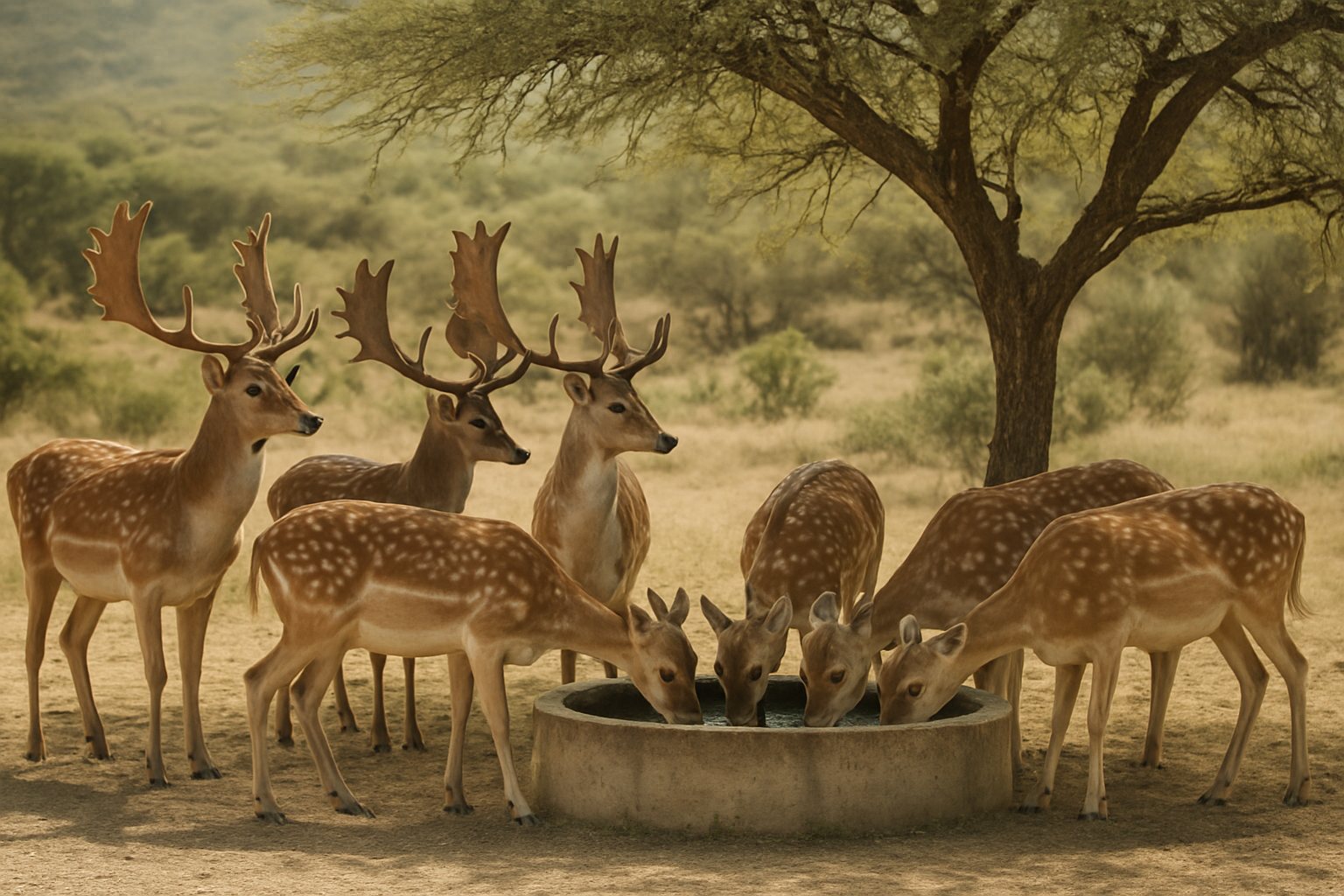
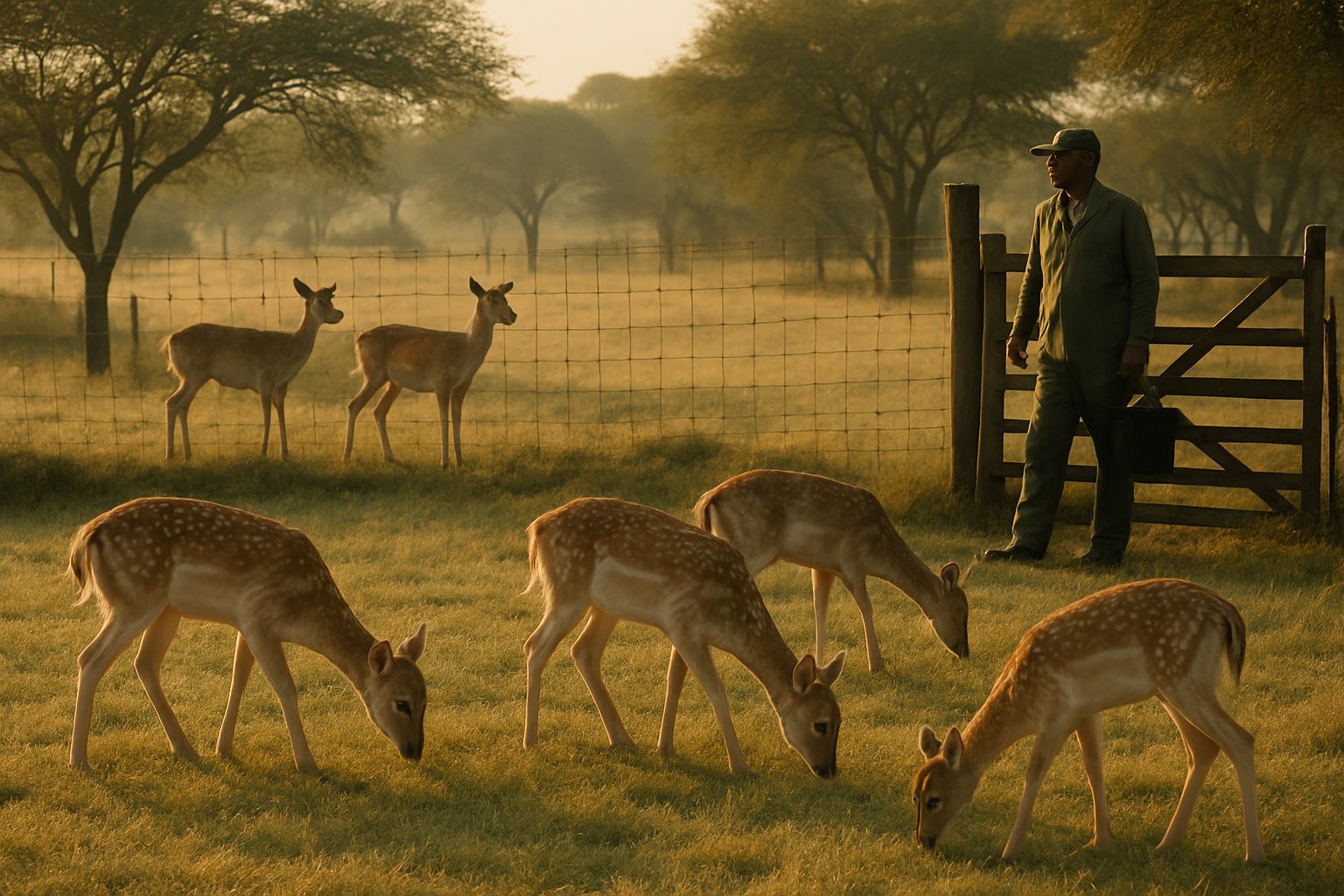
These days we wean the fawns along a fence line. Two camps share a good, tight game mesh boundary with no gaps at the bottom. The does go on one side and the fawns stay on the familiar side, with the same water trough, the same shade trees and the same grazing they already know. They can see each other, smell each other and lie down near each other at night, but the fawns can't suckle.
The first evening there is still some calling. By the second morning it is mostly quiet and by the third day the fawns are grazing in a loose group again. The does settle faster too, because they aren't searching for something that's vanished. After about a week or so, once both groups are eating well, we move the does on to a resting camp further away to pick up condition before the rut.
Most of the work happens in the month before weaning. We start putting out a small amount of good quality lucerne and a creep ration near the trough, in a corner the does can't reach easily. The fawns learn to eat it while their mothers are still close, so when the milk stops they already know where food comes from. It also gets them used to a person standing quietly at the gate with a bucket, which helps with every handling job after that.
We also time it around the weather. If a cold front is coming through the Karoo Edge, or a hot dry spell is forecast, we wait a few days. Weaning stress on top of weather stress usually ends with a call to the vet. Our veterinary liaison officer keeps the herd health records and usually checks body condition on the does before we separate anyone, so we know who needs extra attention afterwards.
Those opening days on the weaning camp show us which youngsters will settle. A fawn that stands alone at the fence, head up, not grazing, gets noted and watched again in the afternoon. One that is still doing it on day three gets a closer look. We take the time to walk the whole camp, so we spot any animal that is quietly going downhill.
We keep it low key. No dogs, no quad bikes racing along the boundary, no visitors in that camp for the week. Our farm visits coordinator moves any farm visits to the other side of the property so the weaning camps stay calm. The crew walks slowly, talks softly and leaves the gate the way they found it. Fallow pick up on every bit of rush in a person.
By the time the fawns move on to their yearling camps they are already eating well, used to people and much calmer to handle. They stay easier to handle at health checks and when stud buyers view them.
Fawns that keep grazing through weaning hold their growth, and steady growth in the first winter shows in their yearling weights. Does that come off weaning in fair condition breed back better. The crew also spends far less time in the yard, since there is no drafting or trucking on weaning day. If you farm fallow and want to chat about how we set up the shared fence, send us a message through our contact form and I'll happily walk you through it.
Written by
Weaning dates and fawn weights are recorded for every animal in the Fallow Grove Herd.