Eastern Cape
On the Karoo Edge, we redesigned critical water points and shade for the fringe herds as El Niño loomed.
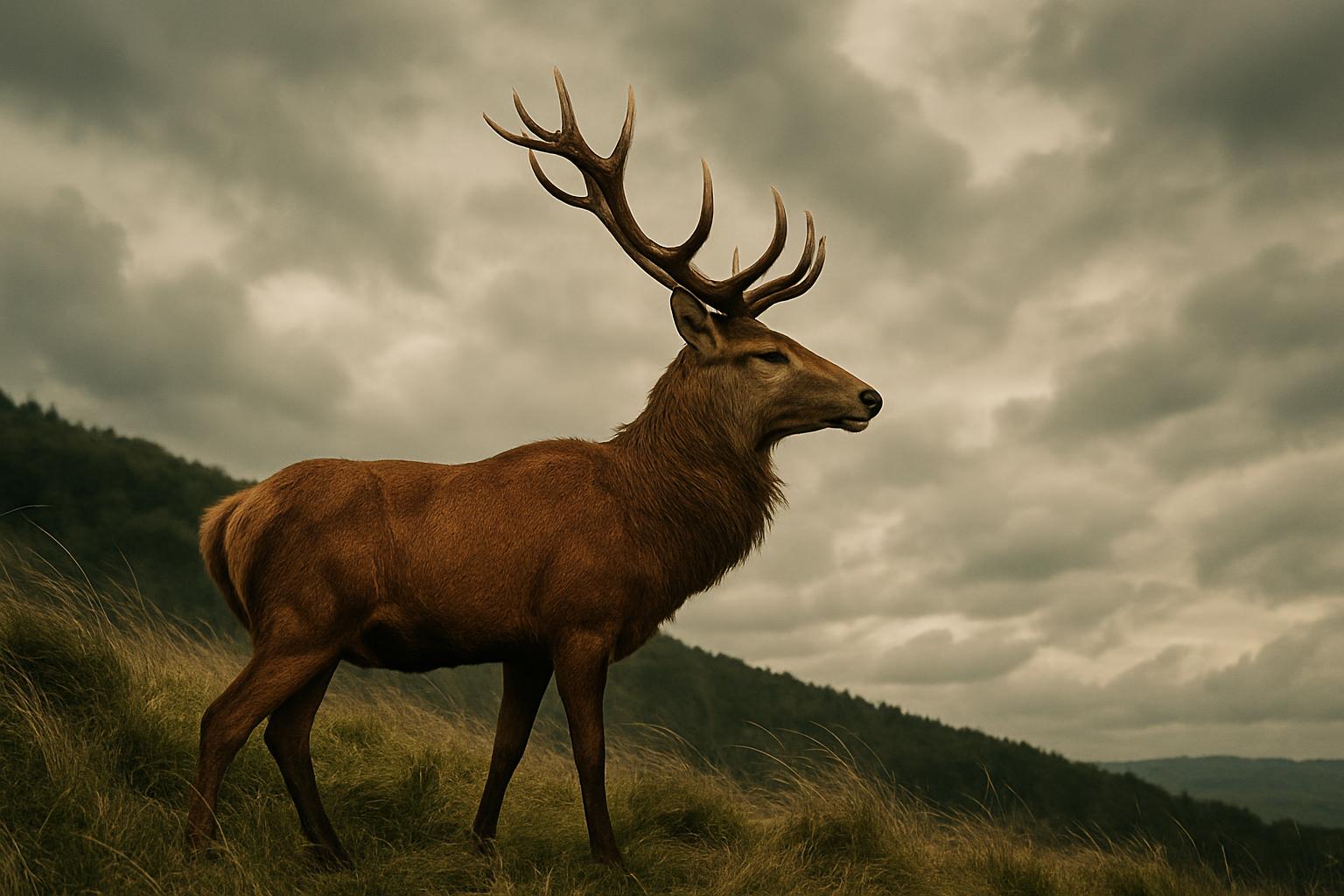
We improved water access and shelter on the Addo-edge camps for both fallow and hybrid red deer. Practical changes now help herds handle heat and dry spells with less stress.
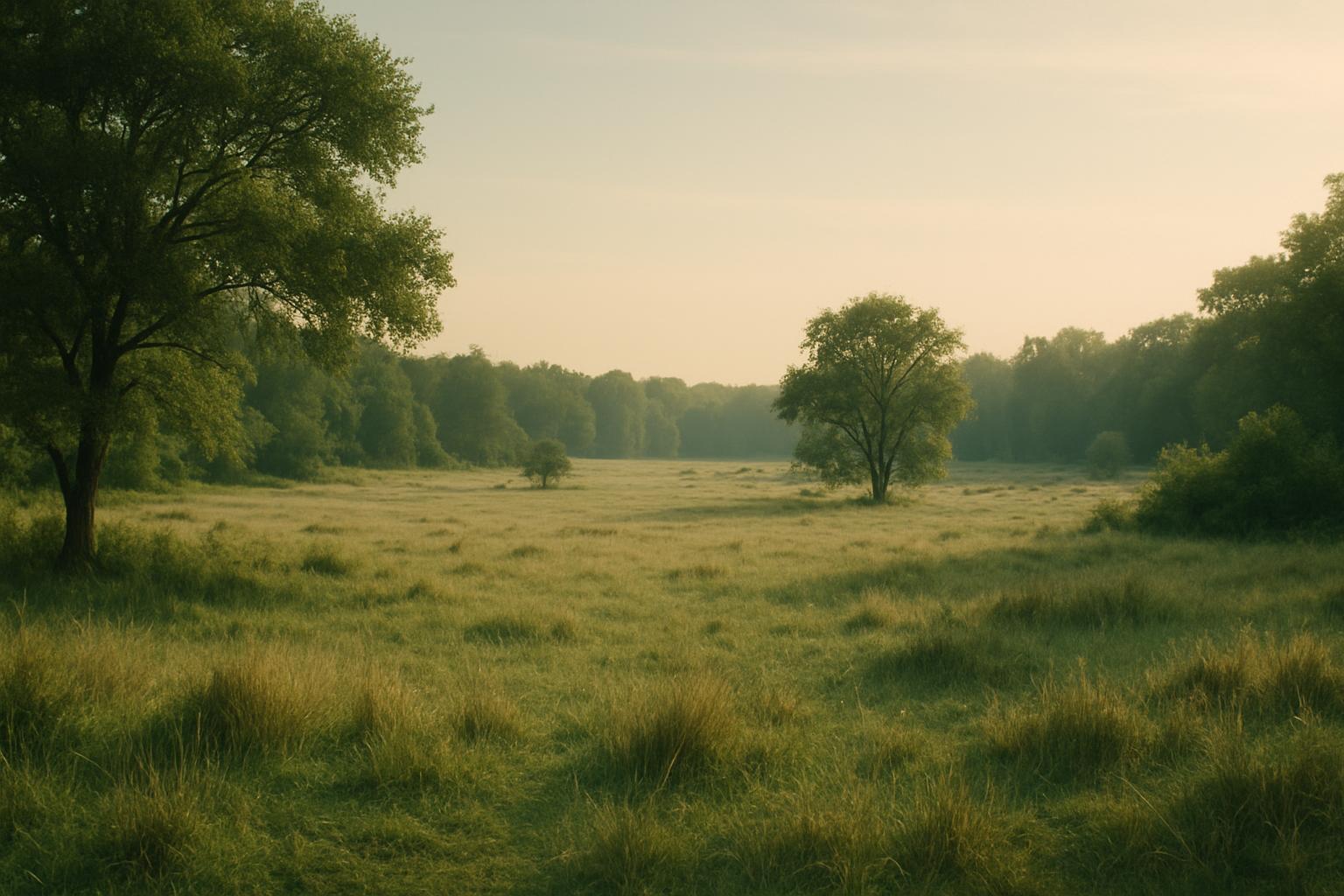
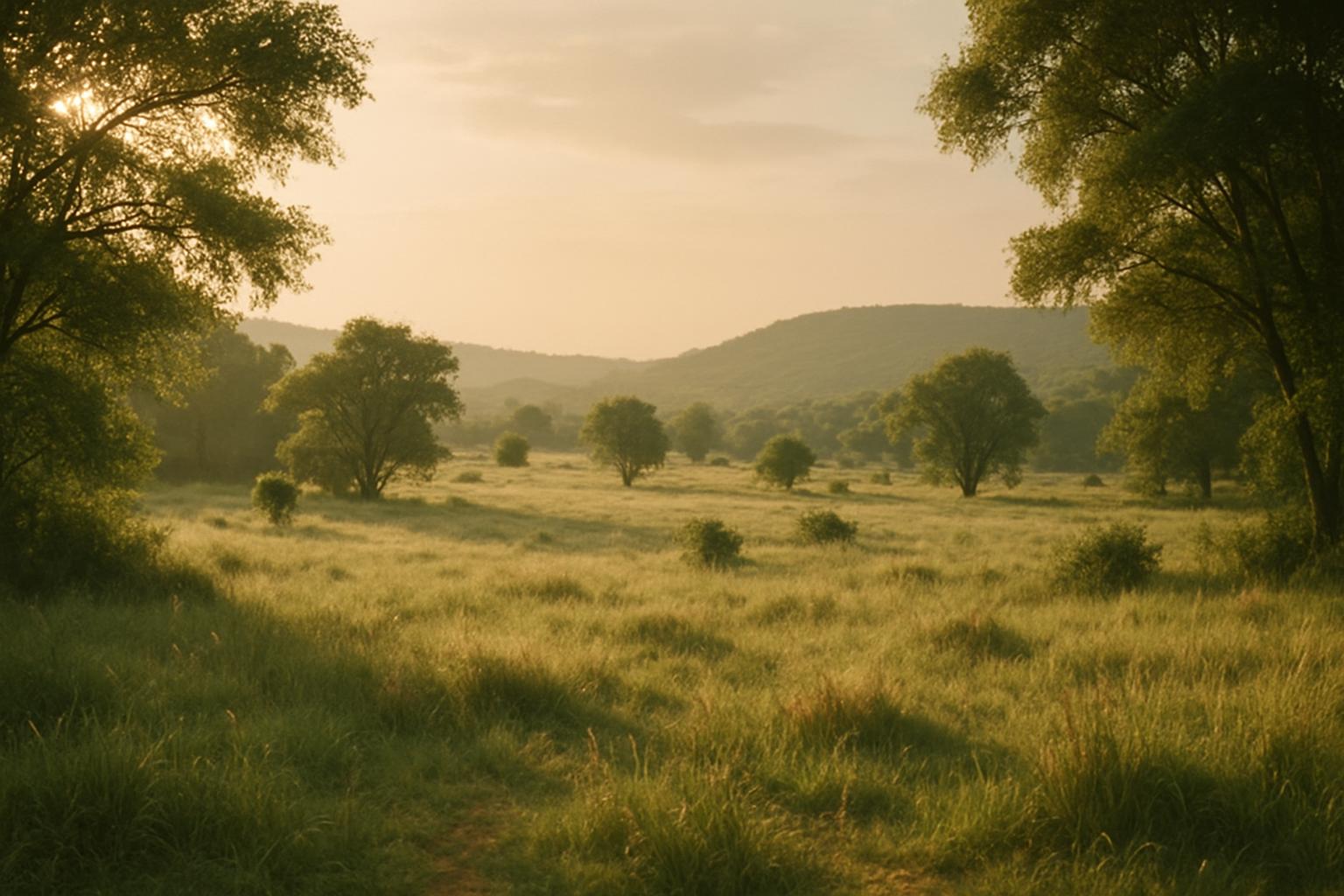
On the outer camps near Addo, where the Karoo thins into valley bushveld, our herds often feel the sharp end of dry spells and heat. These edge lands have less natural shade than the core veld, and surface water can vanish in days when the berg winds blow. By late winter, it was clear the fringe camps needed attention before the summer heat arrived. Both the Fallow Grove Herd and the Hybrid Venison Line graze here, each with their own habits, but both sensitive to water and shelter shortages.
Reliable water points and shade patches are non-negotiable, especially as the South African Weather Service warned of a strong El Niño bringing hotter, drier conditions. Margins like these can tip herds into stress easily if we fall behind on basics.
We began with a thorough walk-through of every camp, mapping old water troughs, natural seep lines and the few stands of acacia and karee. We planned at least two water points per camp, set apart so dominant animals could not block access. We swapped out brittle old poly pipes for buried lines, fixed leaky valves and set up gravity-fed backup tanks above the highest troughs.
Shade was next. The Fallow Grove Herd prefers open groves, taking shelter under wide, low trees. The red deer of the Hybrid Venison Line seek denser bush. We planted fast-growing indigenous saplings near water points and built simple shade frames using thorn branches and reed mats as a temporary fix until the trees take hold. In the hottest months, we monitored soil moisture and mulched around the new plantings to help them through.
By early summer, we noticed the dominant fallow bucks were less likely to push younger animals off the water troughs now that there were extra points to choose from. The red deer spread out to feed in the open, and their coats showed fewer signs of heat stress.
Grazing patterns became more even, with less trampling near entry gates and more movement between shade and forage patches. Because the water backups held steady even during power cuts, we didn’t face the panic of trucking in water, our backup batteries and solar kept the pumps going. With more reliable shade, there were fewer minor injuries from crowding or scrambling during midday heat.
Next time, we would start the saplings in a nursery near the main kraal for an extra season, letting roots toughen up before planting out. More rain sensors on the tanks would show leaks or blockages early, saving on clean-up and labour. We also learned that deer will use temporary shade placed near preferred graze while the new trees grow.
It pays to over-prepare on water. The backup tanks and gravity feeds turned out to be the biggest peace of mind, especially as El Niño’s grip took hold.
Setting up camps
Verified Google reviews