Drakensberg
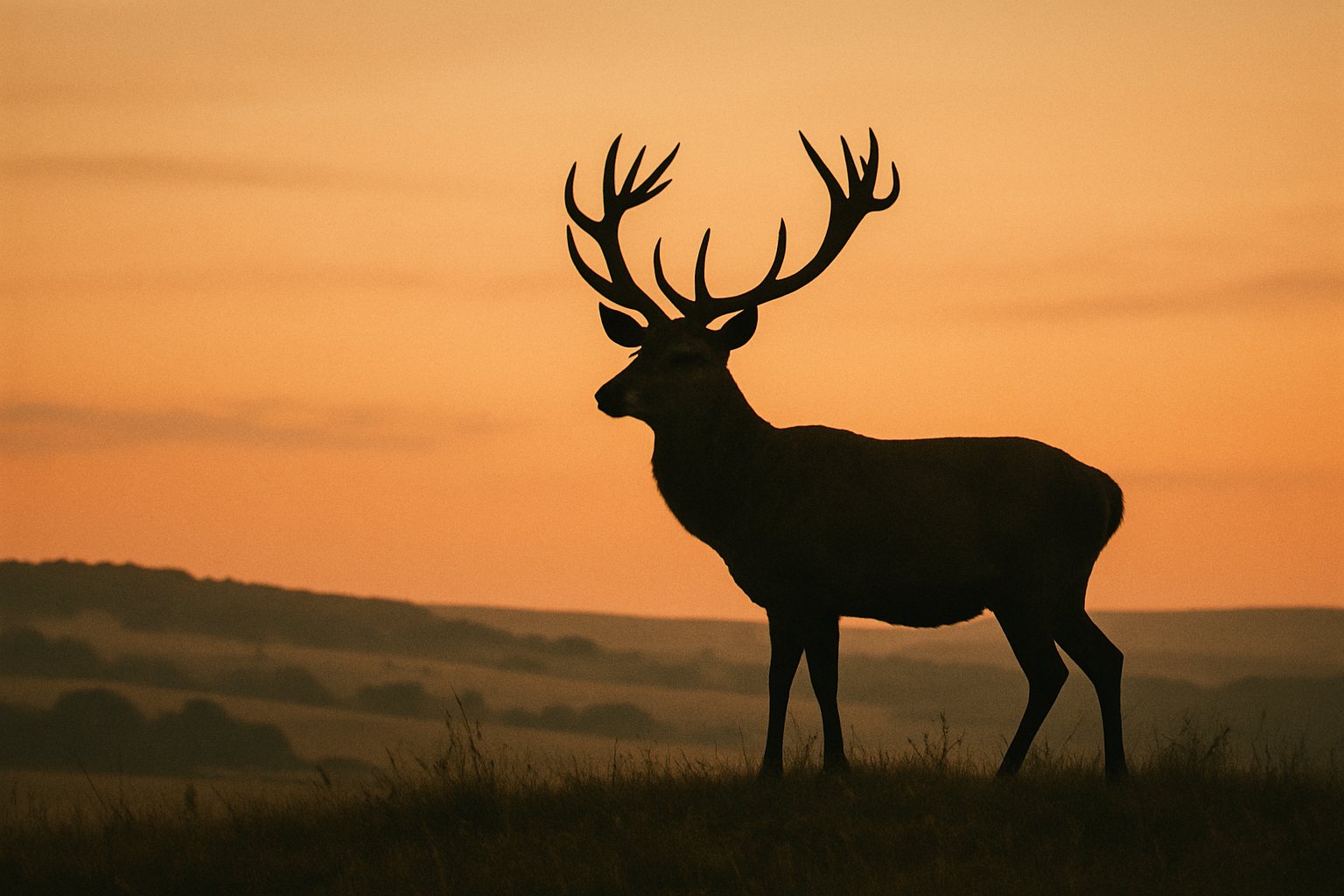
Resting highland red deer camps in the Drakensberg improves both forage recovery and animal well-being.
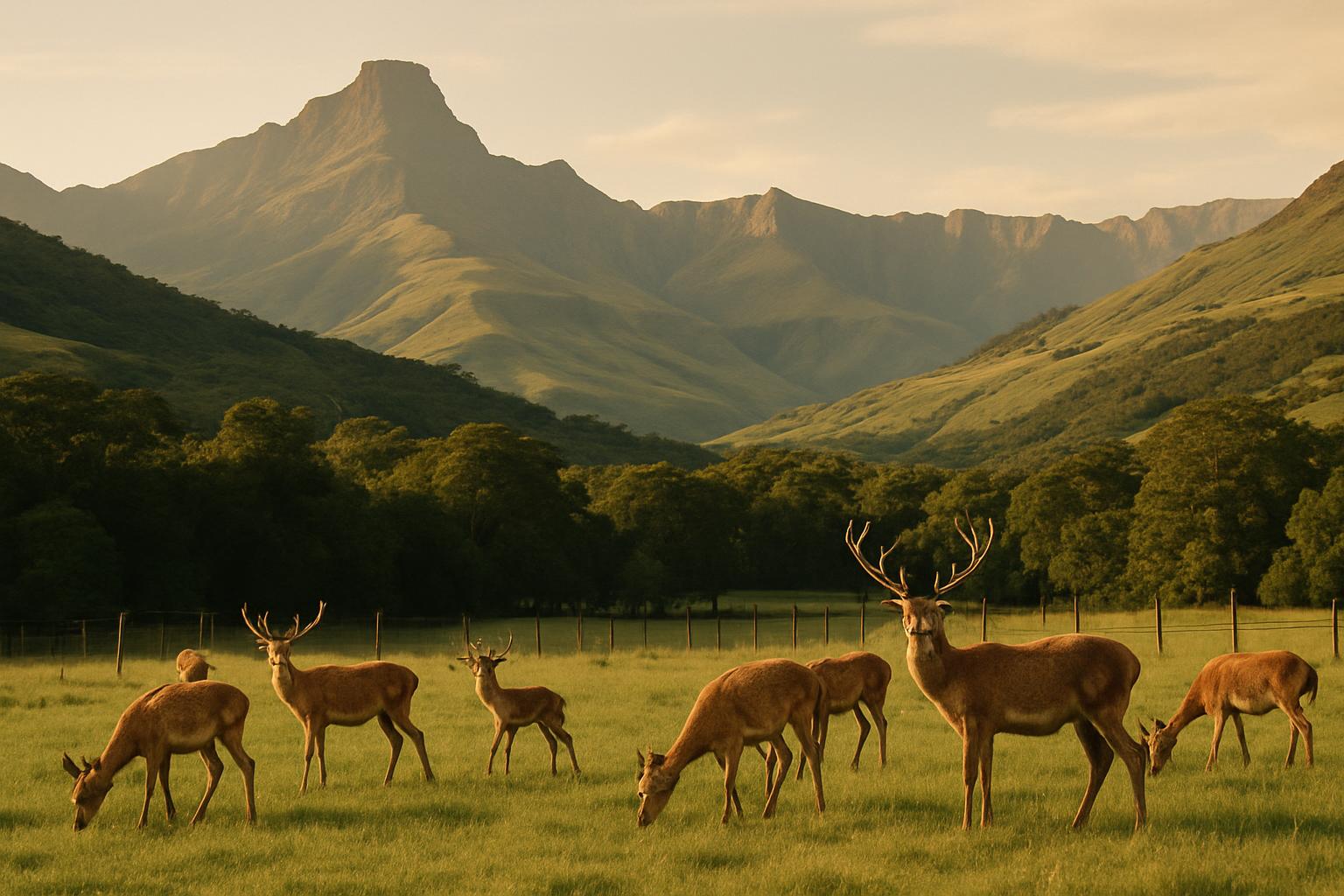
At a Drakensberg camp with thin mist and rocky slopes, we rotated red deer through rest periods and managed shade. The pastures recovered, the herd settled, and we noted lessons for next time.
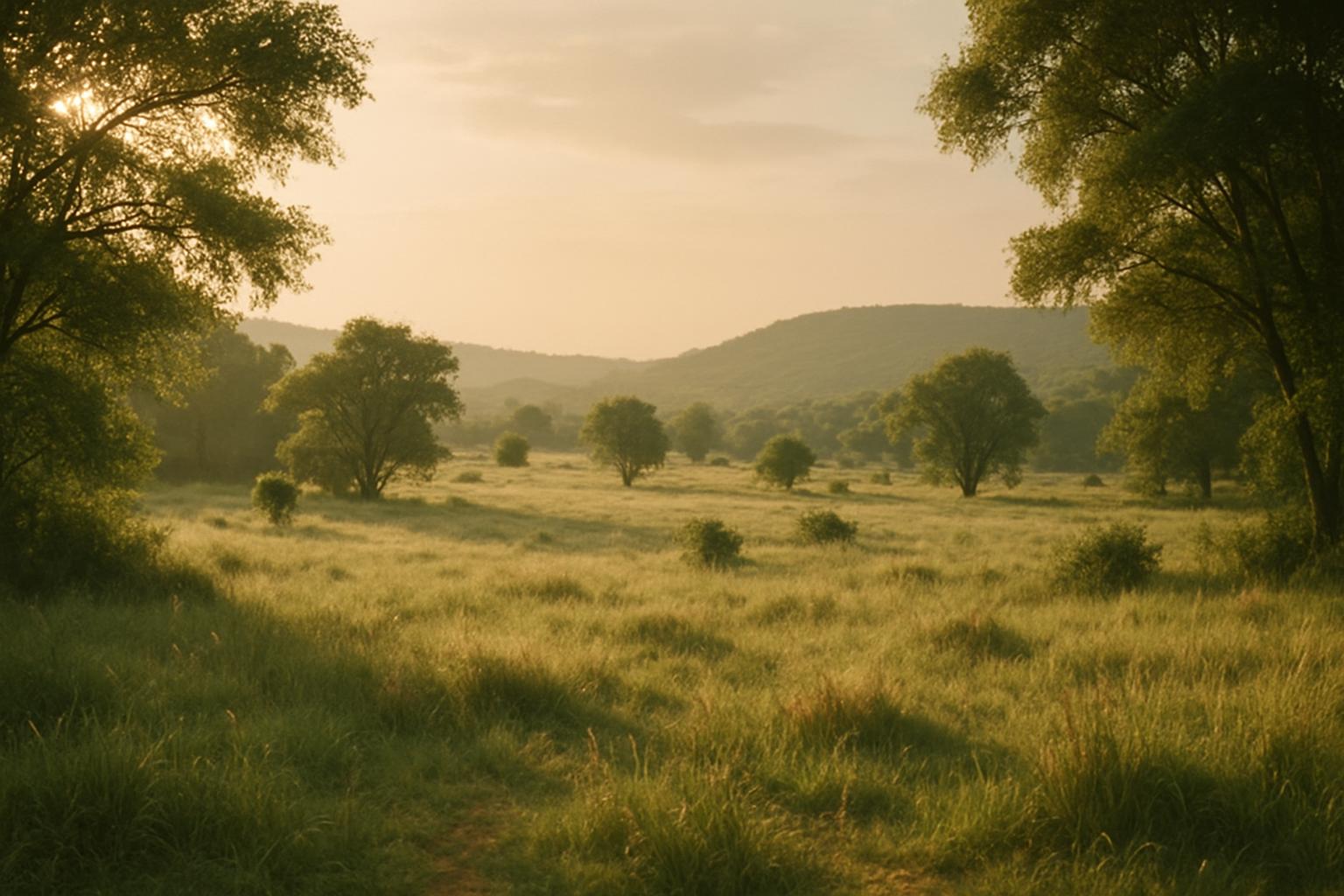
The Drakensberg camps are set on rugged slopes with a mix of montane grass and protea patches, with chilly winds and sudden drizzle rolling through from late autumn into spring. These high-altitude red deer camps sit above the valley mists, with natural rock outcrops and thicket lines offering some shelter but little flat ground. Grazing pressure can show quickly in these mountain pastures, especially where the grass is already short after winter. Too much trampling or overgrazing in one season can leave bare patches that take years to recover.
We divided the bigger red deer camps into smaller paddocks using temporary mesh, allowing us to rest each camp for at least a few weeks at a time. This formed part of our Red Stag Highland programme, which focuses on strong, even growth for young stags and better forage cover. We also set up yearling growth pens along the lower side where the grass recovers fastest in early summer. Each camp was checked weekly for regrowth and any signs of erosion or browsing pressure. We moved portable shade shelters between camps and mapped natural shade to make sure the deer were never without cover in the midday sun. A backup battery and solar setup kept the energisers running during power cuts.
Within two months of using this rotation, we began to see the sward thicken and pale bare spots fill in, even on the wind-swept north slopes. The red hinds and yearlings became less restless, spending more time browsing calmly under the proteas and less time along the fenceline. It was easier to keep condition on the yearlings, and the stags showed better muscle tone by midsummer. One small problem was that we missed a broken pole in one camp, so a group of hinds doubled back early and grazed a rested patch too soon, but we fixed the fence and kept a closer eye after that.
Looking back, we would set up camp boundaries ahead of time before the main winter rest, to avoid the last-minute scramble with posts and mesh in freezing wind. It's also clear that mapping natural shade zones first makes moving portable shelters much easier. We plan to check fence lines more often in the rest period, as mountain storms loosen poles faster than we thought. The next step is to trial a nurse crop of oats and clover in the most worn spots next winter for quicker recovery, especially if an El Niño season brings drier conditions.
Setting up camps
Verified Google reviews