Limpopo
In March, we joined a Limpopo game farm for a practical briefing on red stag age classes and ethical harvest decisions.
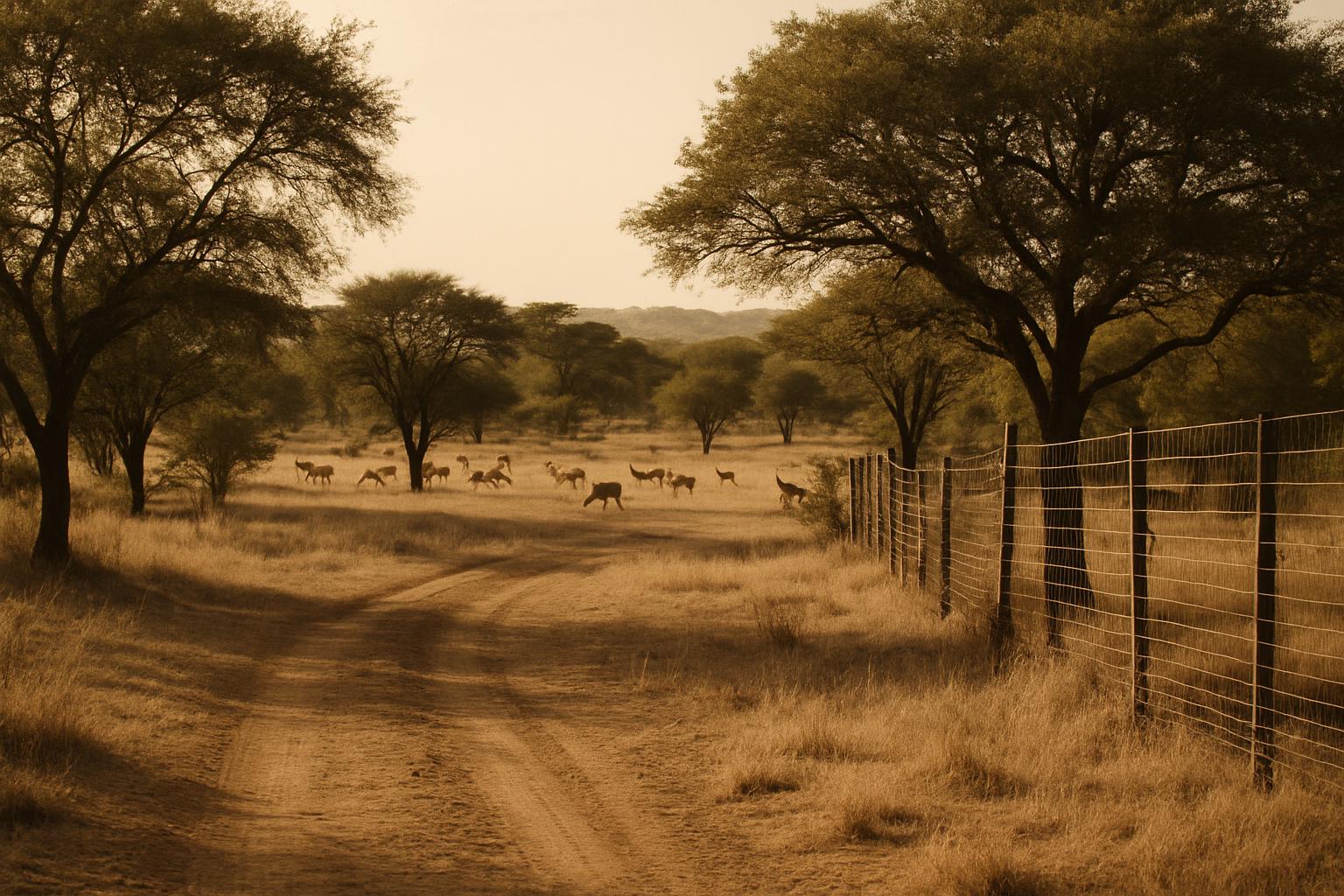
The farm was preparing its first season with fallow and red deer under permit. The team focused on fair-chase, age identification in the field, and building confidence in low-stress, humane handling.
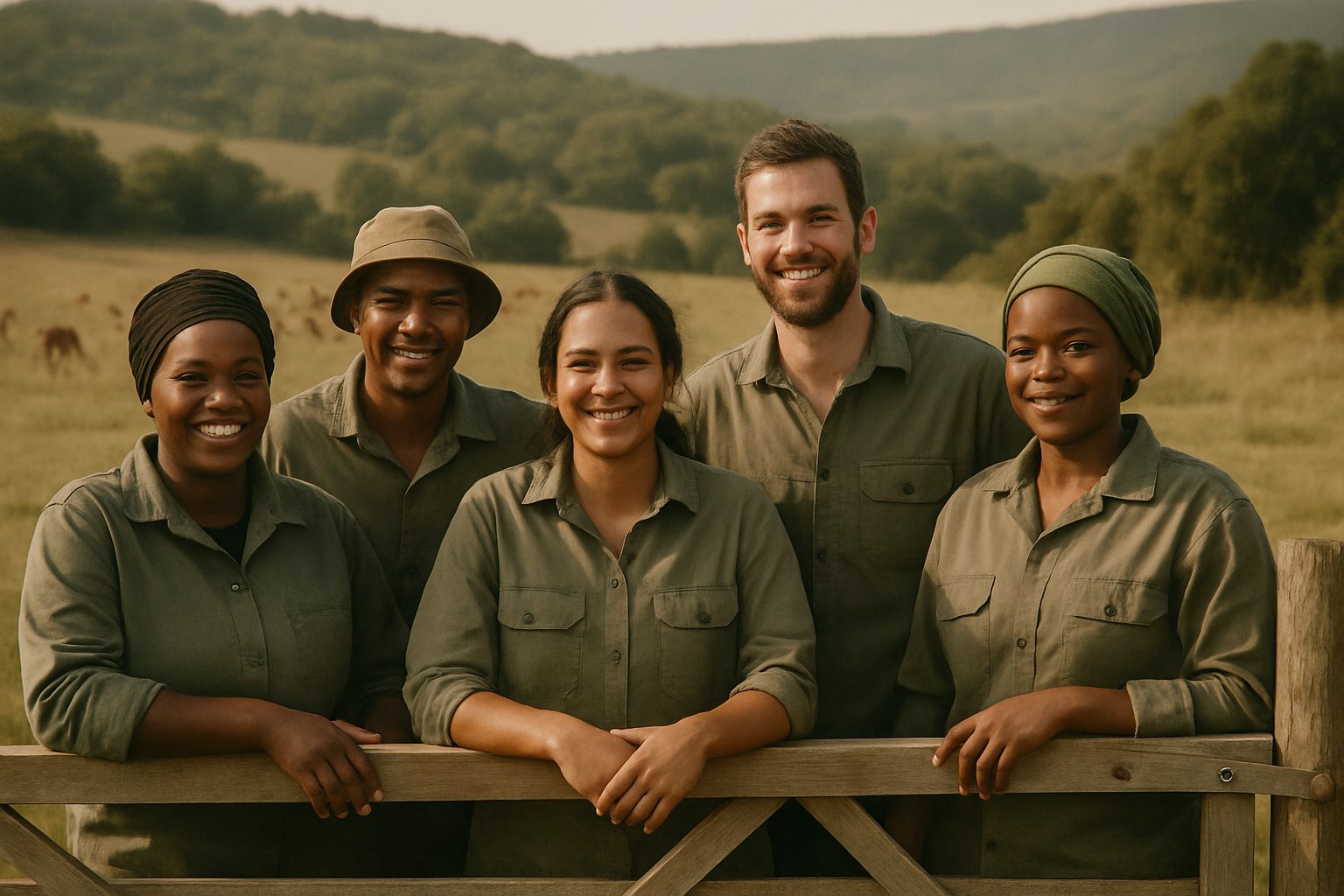
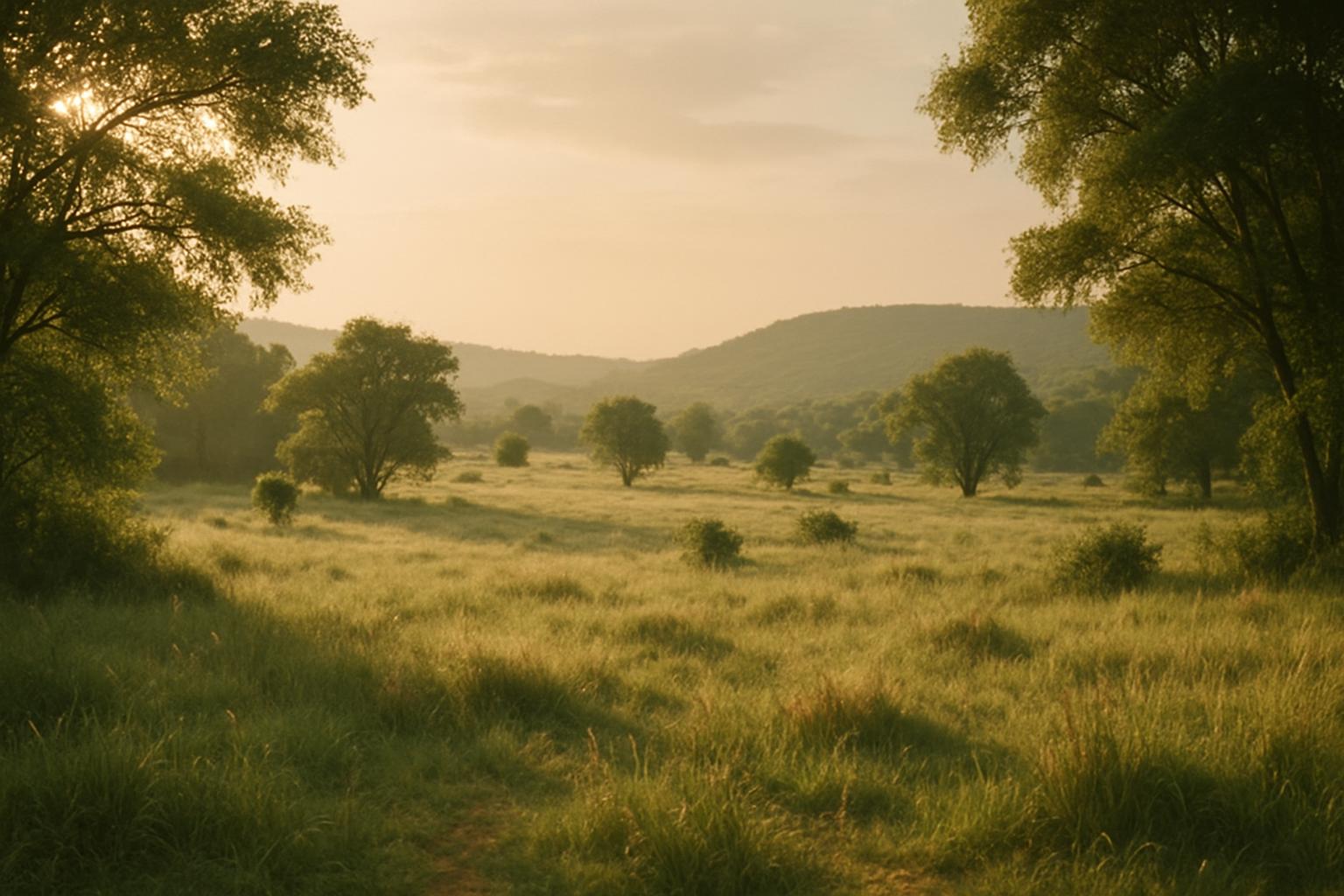
A recently permitted property near Polokwane invited us to advise on age-class management for its new fallow and red deer herds. The farm, set in thirsty mopani veld with koppies and open flats, had been used for plains game and was now expanding into deer for the first time. The farm had good fences and fresh water points, and the team was still learning to tell mature stags from younger males in the field, while the stags were in hard, clean antler before the rut.
We arrived in the last week of March, as the first cool autumn mornings settled the bushveld dust. The local team wanted to build their programme around fair-chase hunting and avoid any mistakes in age selection, especially with clients eager for big antlers.
We set up a two-day briefing under the Trophy Ethics Programme, with practical sessions in the veld and short talks using our Red Stag Highland visual packs. Our main focus was helping the team spot changes in body structure, antler shape and behaviour that signal a fully mature stag, as well as what to look for in fallow bucks.
We covered the basics of fair-chase: giving animals space to move, never driving them into corners or fences, and working within natural bush lines. Everyone practised low-stress herd movement with our herd husbandry manager and used binoculars to age animals from a distance, minimising disturbance and keeping the deer calm for later handling.
After the briefing, the farm was able to identify at least two red stags that had passed their prime and a group of three younger stags to be left for future seasons. They adjusted their hunt plans to focus only on animals that were a good age for trophy or venison harvest, leaving the younger class to grow out.
There was a noticeable change in the way the team moved through the camps: less pressure, more patience, and a stronger sense that the welfare of the animals came first. Later feedback showed that clients were also impressed with the calm, professional approach and the clarity around which animals were fair to target.
Next time, we would spend more time on in-camp observation before heading out into the larger veld camps. Early morning light gave the best view of body shape and antlers for ageing, and it proved useful to have extra binoculars and a spotting scope for the whole group.
We would also prepare portable shade and more drinking water for the team, as the bushveld heat still builds quickly by midday in early autumn. Including a short recap on biosecurity, especially foot-and-mouth controls for any venison movement, would be useful for future briefings.
Setting up camps
Verified Google reviews