Northern Cape
Managing forage buffers on tough Northern Cape veld takes planning and practical effort.
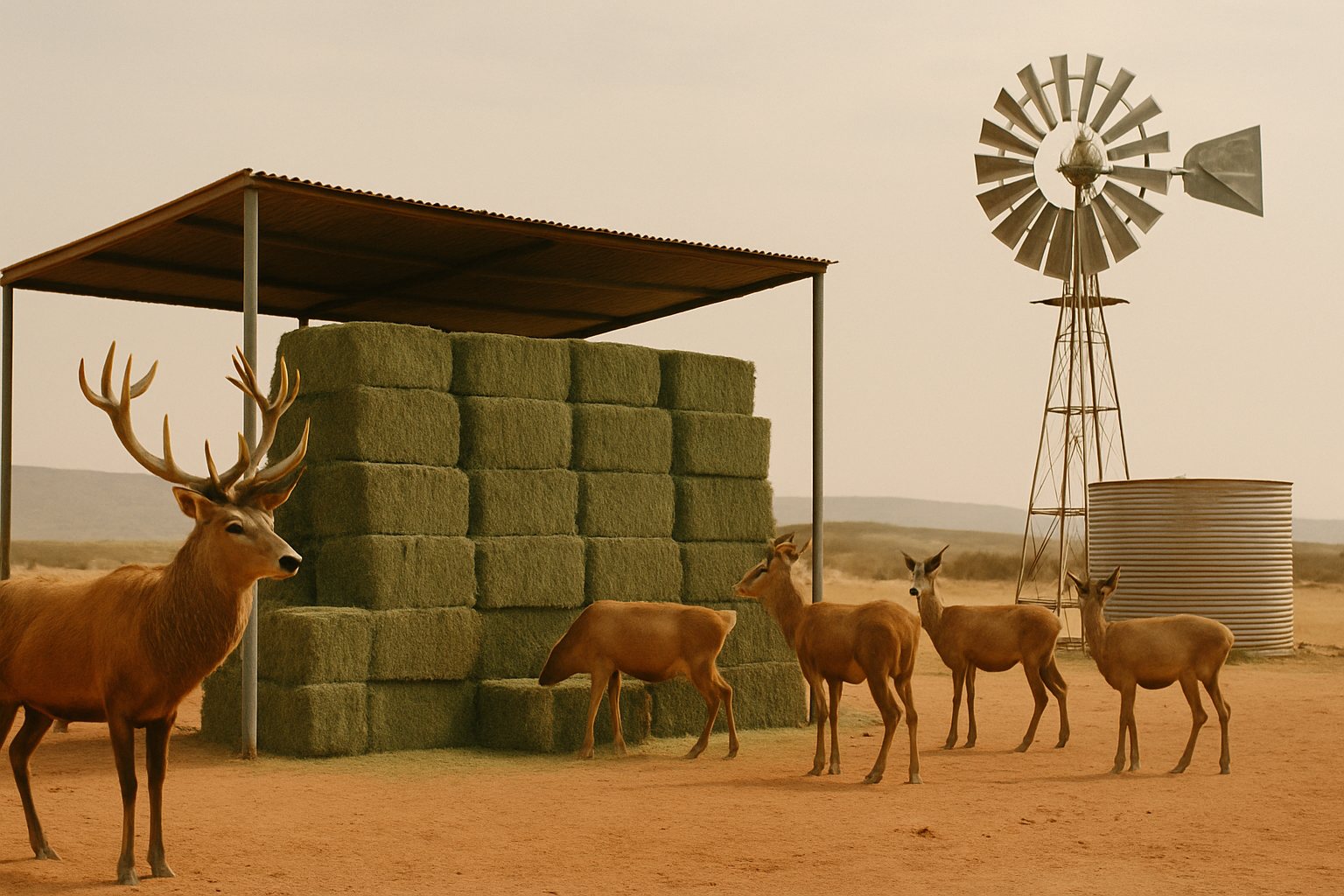
Hard veld, unpredictable rain and grazing pressure are the main risks for deer farmers in the Northern Cape. Our team worked alongside a local client to build up drought buffers and adjust stocking while focusing on animal health and veld recovery.
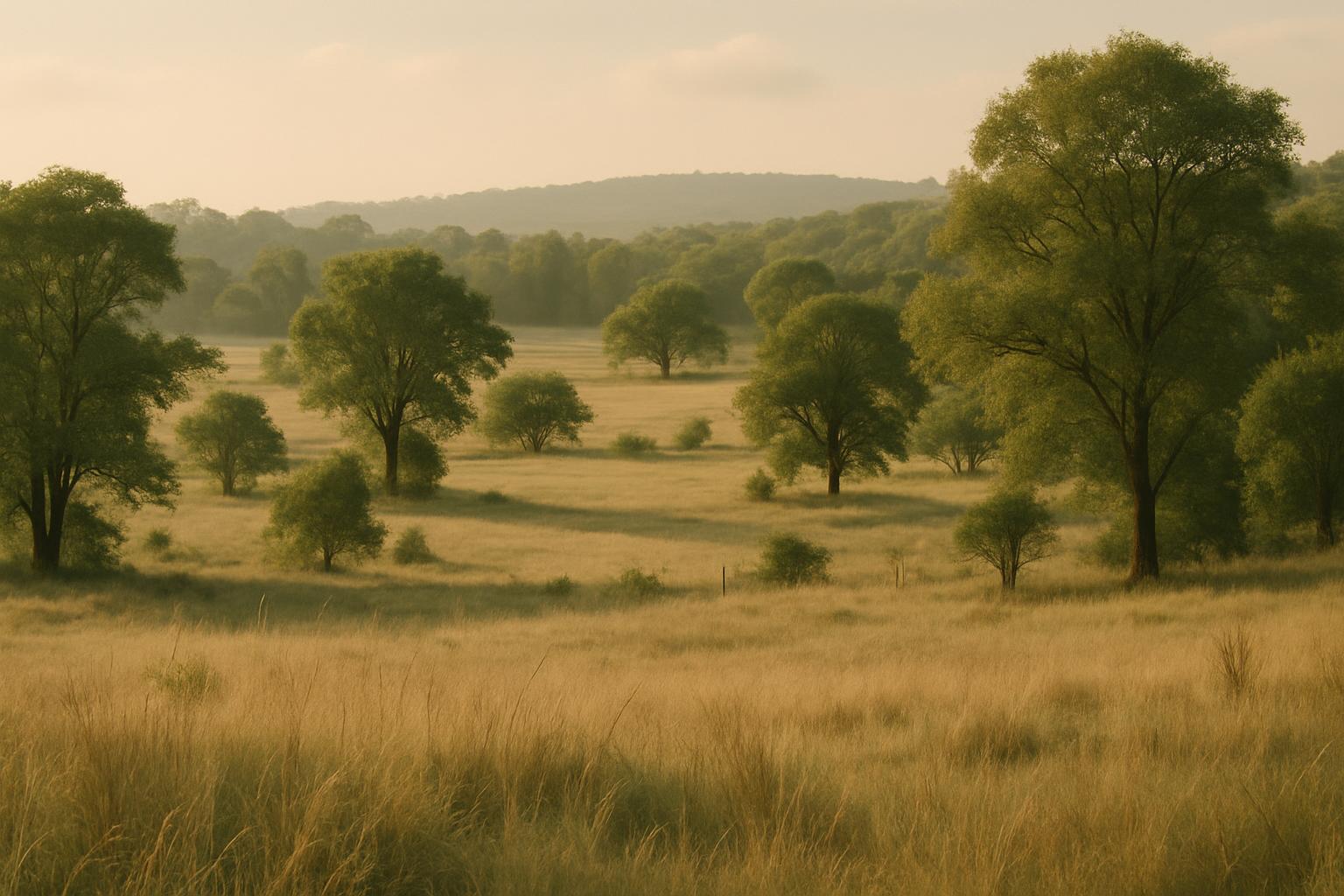
The Northern Cape's veld is famously tough, and the last strong El Niño season brought long stretches of heat and very little rain. On this property, the ground is mostly shallow, with koppies and open flats, and the local vegetation can only support so much grazing before it starts to thin out. The main challenge was keeping a healthy deer herd, especially red deer and growing yearlings, without pushing the veld past its recovery point.
Together with the client, we brought in two main programmes: the Yearling Growth Pens and Red Stag Highland. Yearlings were moved to controlled pens during the driest spells, where they could be monitored and offered cut veld hay and extra drought fodder, keeping pressure off the weakest camps. The Red Stag Highland approach meant shifting mature red stags to higher, rockier ground with more natural shade and a bit less grazing demand. We also locked away several camps after the first signs of overgrazing, to let the veld rest and recover before autumn, even if it meant more bakkie runs with water and mineral blocks.
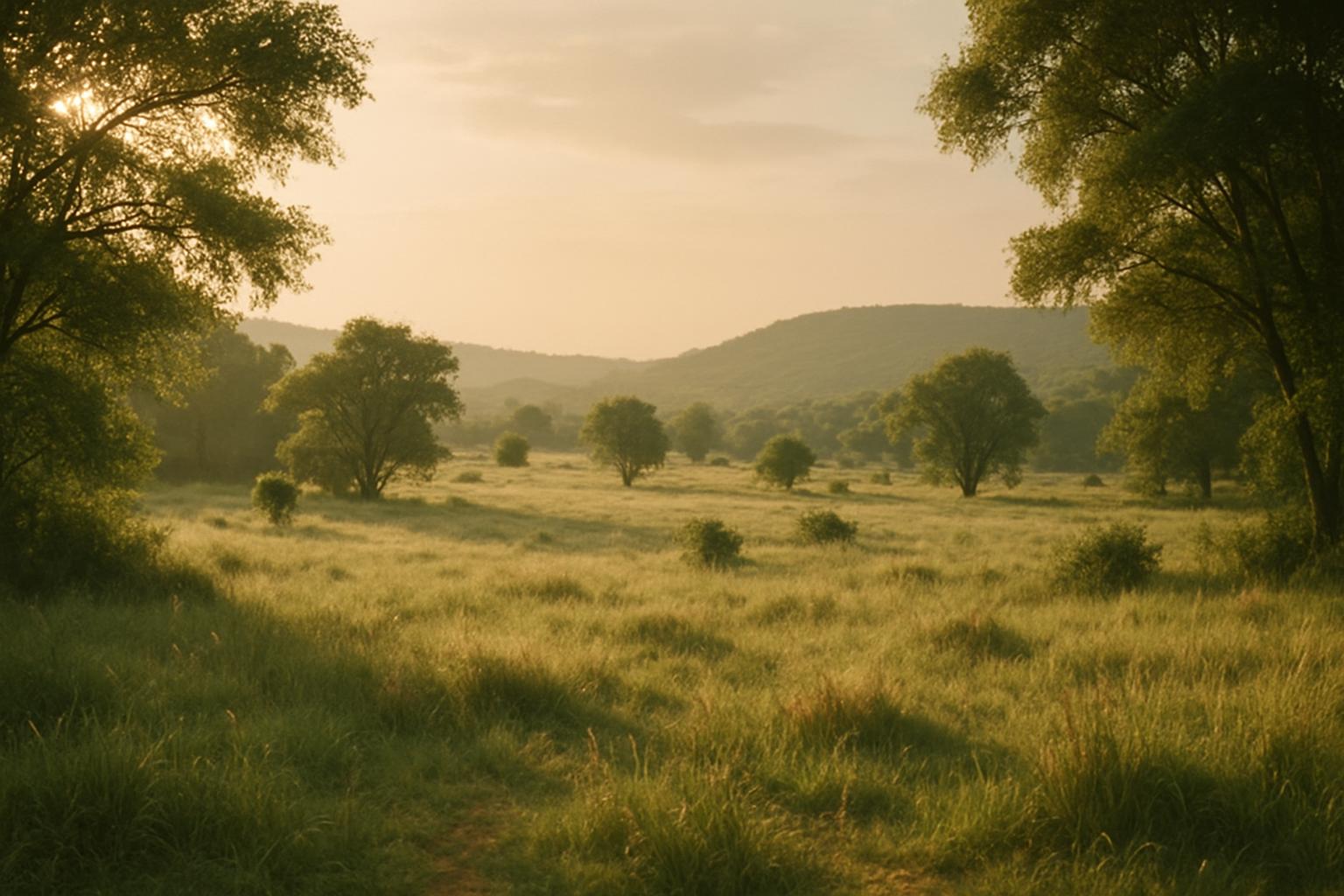
Yearlings kept their growth rate steady in the pens, thanks to steady shade, water and extra feed. The rested camps showed green shoots again when a light rain finally came, and the older red stags handled the rocky ground well, staying in good condition. The herd's overall health stayed strong and we were able to avoid any forced sales or stressful moves, which matters a lot with FMD movement rules in place. The veld itself, though patchy, is in a better cycle for next year now.
Next time, we would start with even more veld monitoring early in spring, before the first signs of stress show in the grass. On hard ground, starting the buffer a few weeks earlier would have saved two camps. We'd also set out the movable pens earlier, to catch the tricky weeks before heat peaks and keep the shade nets up for longer. For queries on setting up similar drought buffers or stocking plans, send a message through our contact form and one of our team will get back to you.
Setting up camps
Verified Google reviews