Stories
Stud notes that put pedigree ahead of antler talk.
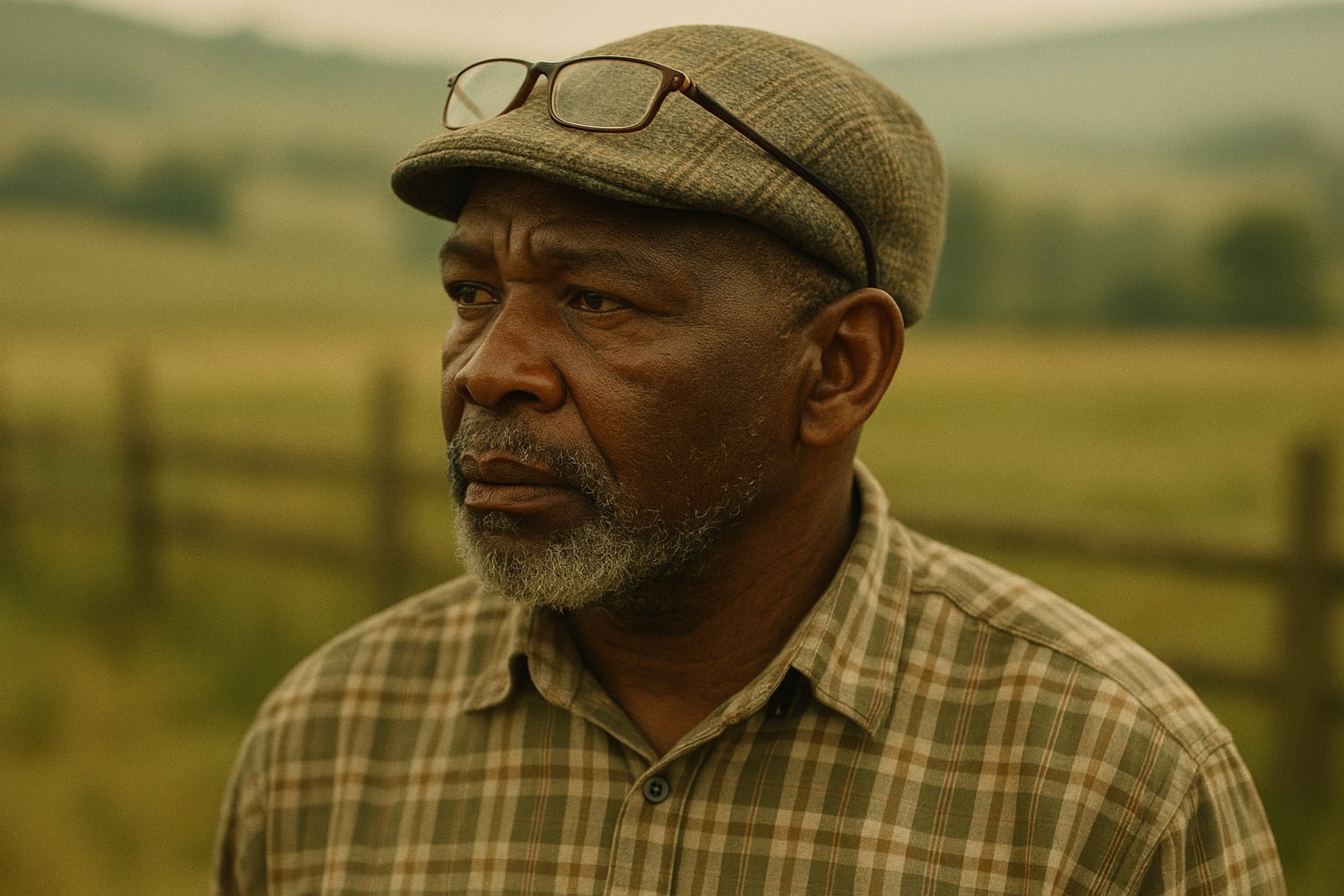
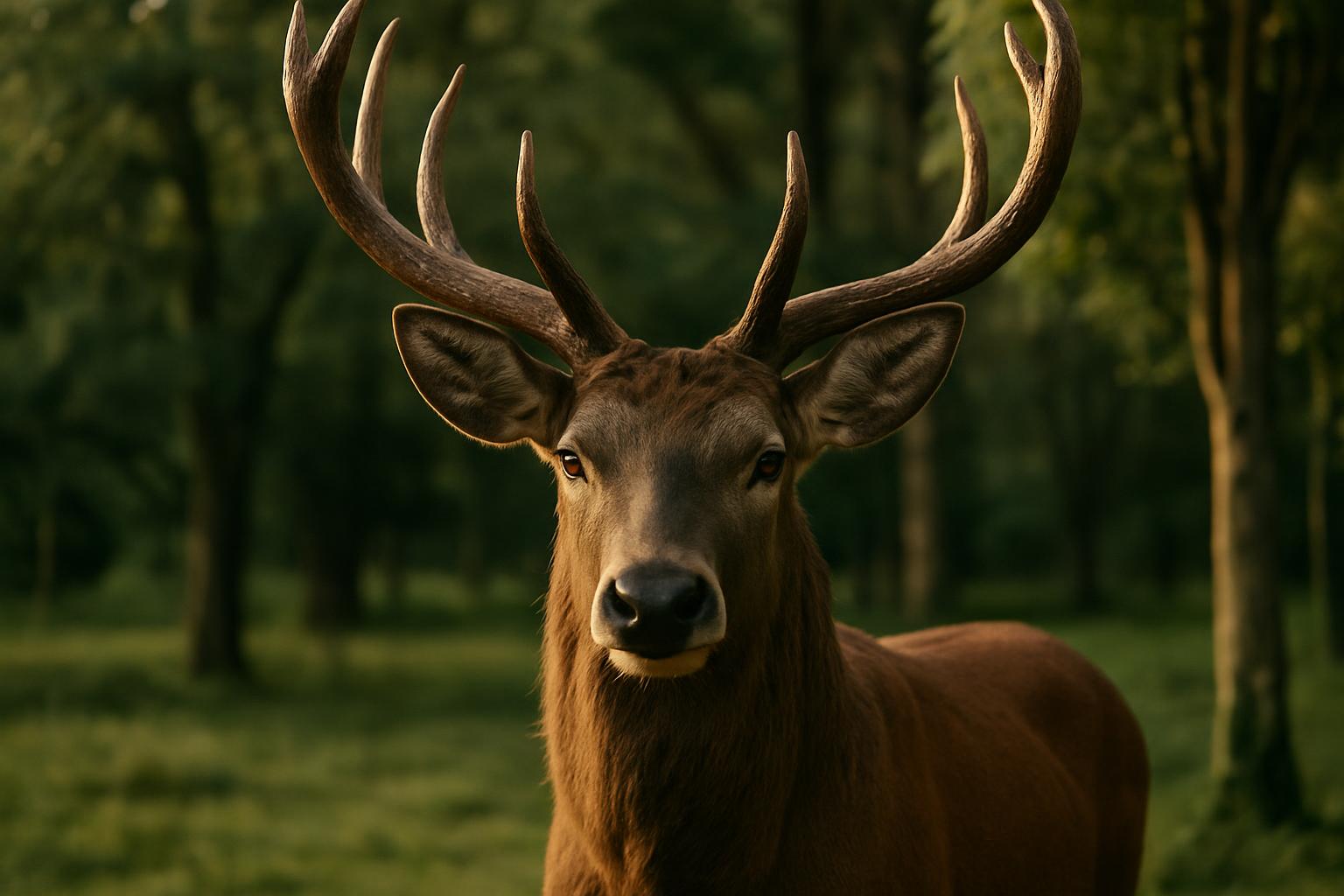
Out on Karoo Edge Farm, there’s a quiet early hour I always look forward to: watching the red deer moving through the mist before the sun hits the koppies. Most of my selection notes start as observations from that hour. We keep stud records that dig deep into bloodlines, long before there’s any talk of antlers or bragging rights.
Every red deer stag carries a full record of age, temperament and offspring. The Red Stag Highland programme grew out of hard lessons here in the Eastern Cape: stags bought on size and show alone often failed to settle or breed well here. Early on, we learned that without accurate stud books and good relationships with other deer farmers, you can land up with founder effects, inbreeding, or lineages that lose vigour. Now, I spend long evenings on the herd’s ancestry columns after a day of watching the veld.
Alongside clear ear tag systems, field notes and a digital log, we walk the calving camp quietly with last year’s notes in hand. We’re looking for timeless traits: calm temperament, strong mothers, sound feet, solid frame, even in a small camp. Antler measurements go in the record too, alongside these traits.
I remember one autumn, when a well-bred stag from another region arrived with an impressive rack but didn’t settle into our Karoo conditions. He lost condition, picked up ticks, and sired calves that struggled in the first dry summer. Since then, we do not bring in a stag for antler size unless his line has done well on veld like ours.
Now we ask more questions: where was the line bred, what veld types are in its background, what’s the dam’s calving record? We check for feet, eye health, body depth, and how a stag walks out on rough ground. These traits decide which animals stay in the stud group.
Our approach is to document every joining, every calving, and every health check in the Red Stag Highland group. When new genetics come in, we require a full pedigree pack and veterinarian confirmation of health, including foot-and-mouth requirements when moving between provinces. The new FMD controls have made this even more essential: we do not move stock without the proper permit and state veterinarian’s approval, and all moves are logged and checked again on arrival.
Every calf is tagged at the first handling, with parentage confirmed, and we keep a record that follows that animal for life. Over time, this lets us recognise which bloodlines weather the Karoo’s berg winds, which cope with drought, and which hold condition in the cold mist of the higher camps.
In a strong El Niño summer, we lean on the stud book more than usual. We look at which lines calved well through the last hot spell, which dams kept weight on, and which yearlings grew steadily even when the veld turned grey. Those answers come straight from the stud book.
Buyers of Red Stag Highland stock can see each line’s calving and weight record before they choose. When we sell or move a breeding animal, we send along its full genetic and performance history, and encourage buyers to keep in touch through the seasons. Several buyers now send back calving and weight notes, which we add to the line’s record.
If you want to know more about our stud records or have questions about bringing in new genetics, you’re welcome to send us a message through our contact form.
Written by
These stud books cover the hinds and stags of the Red Stag Highland.