Stories
Careful stocking when water points shrink.
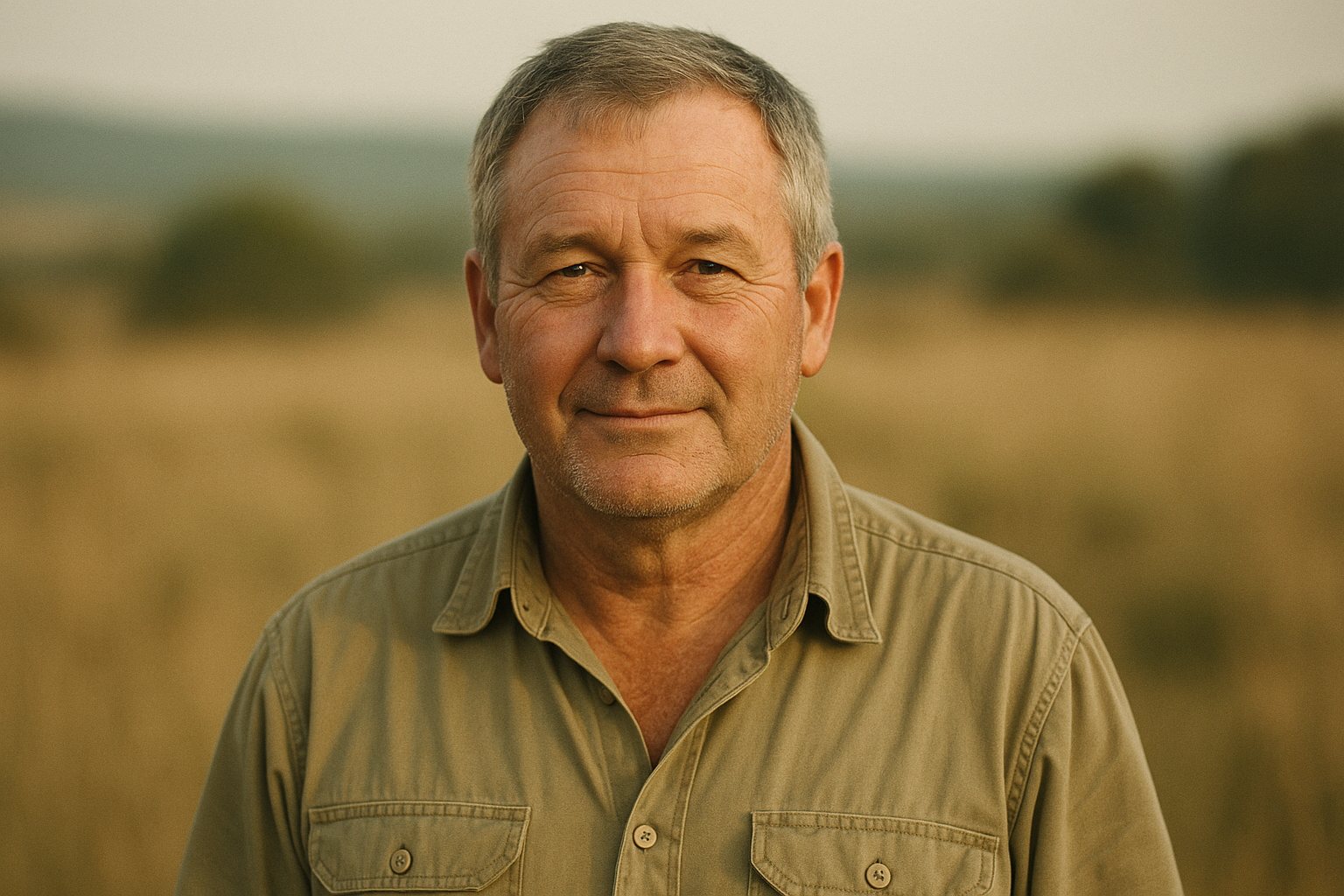
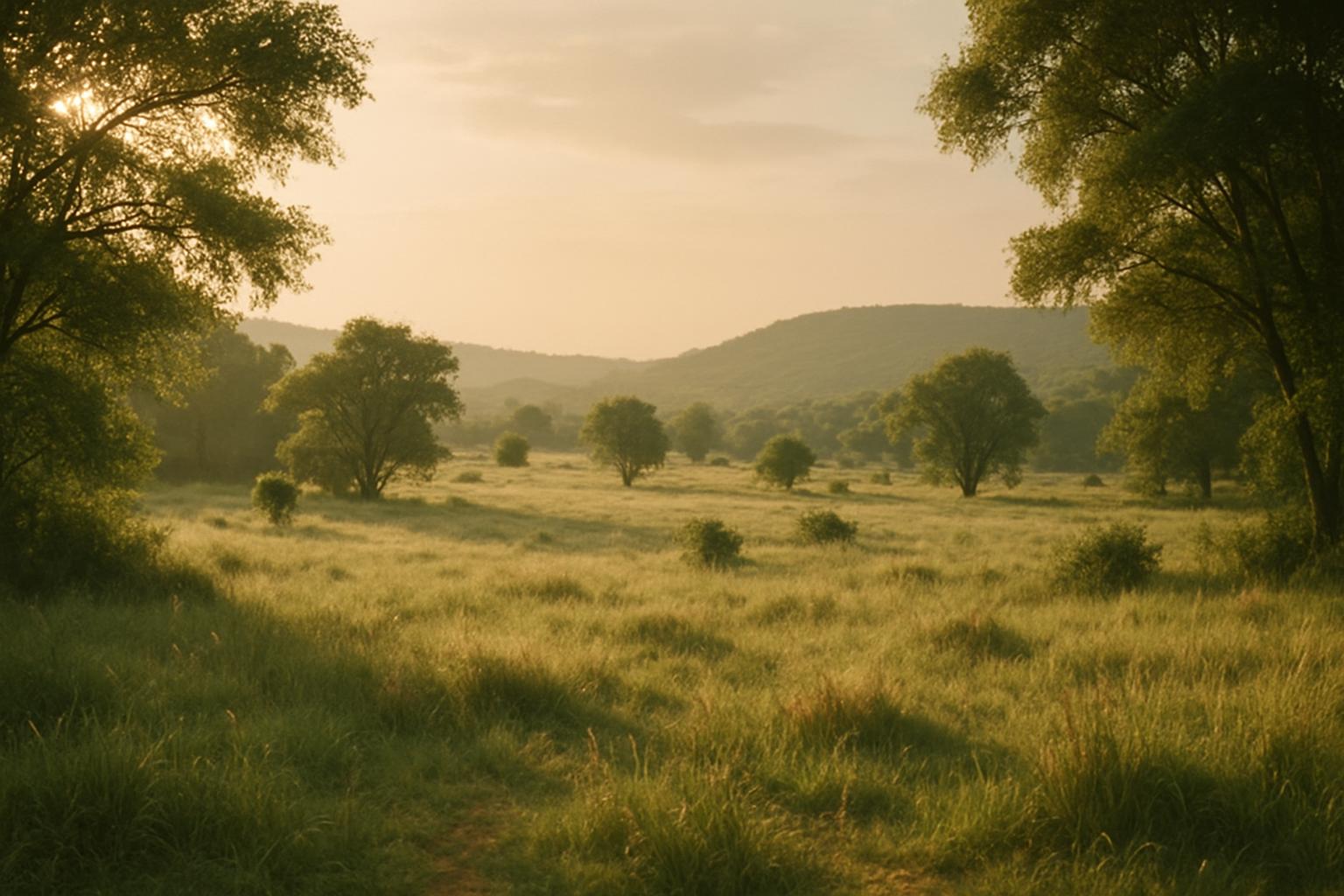
We walk the veld every week, winter or summer, and this season the falling water troughs are the first thing we check. We set stocking from what each camp can carry, especially as water points shrink and the veld thins out. We read the veld before we write down any numbers.
Before we commit to any animal numbers for the Red Stag Highland camps, I walk the boundary with my notebook and take a slow look at every paddock. After a berg wind, the tufts in our Karoo Edge camps are often brittle up close, with the annuals already grazed tight. We set numbers from this week’s grass. After a very dry August, I spotted the seep at our southern boundary trickling half what it used to, so we cut that camp’s numbers the same week. In an El Niño year, with the Weather Service warning of less rain, stocking a few extra head when grass looks passable soon shows in the veld.
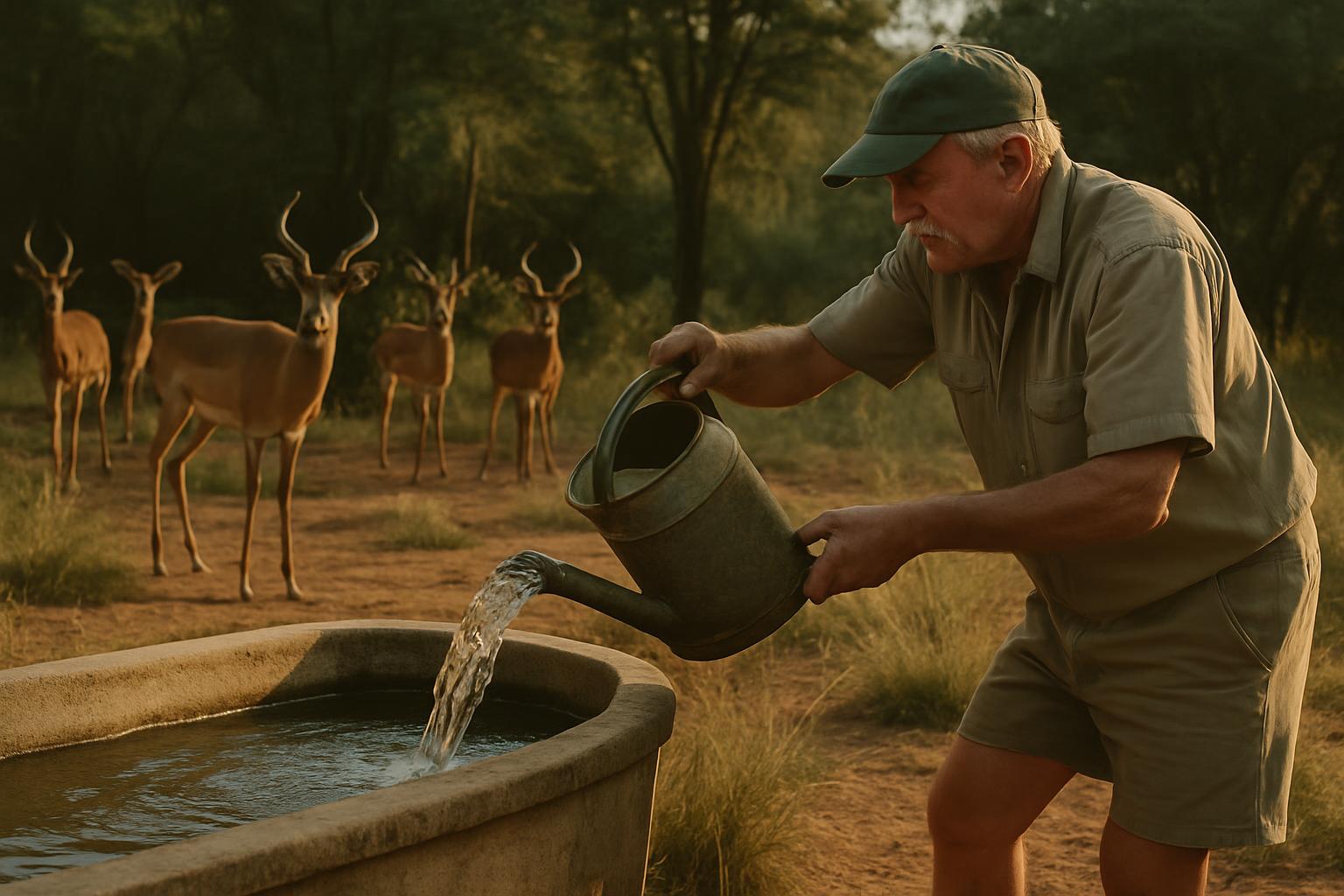
Deer need water daily, and when the concrete troughs go low, so does the carrying capacity. At Karoo Edge, some troughs are fed from borehole pumps, others from the reservoir, and each source gets checked for leaks and silt every Monday. In drier camps, I’ve seen the shyest fallow deer refusing to cross a bare patch to a trough, which shrinks the grazing area they use. If a water point clogs (I once left a float valve half-tight and lost a day’s supply), the deer bunch near the remaining troughs and pressure on those patches goes up. When water shrinks, we move the herd or drop the numbers before we see sore feet or poor coats.
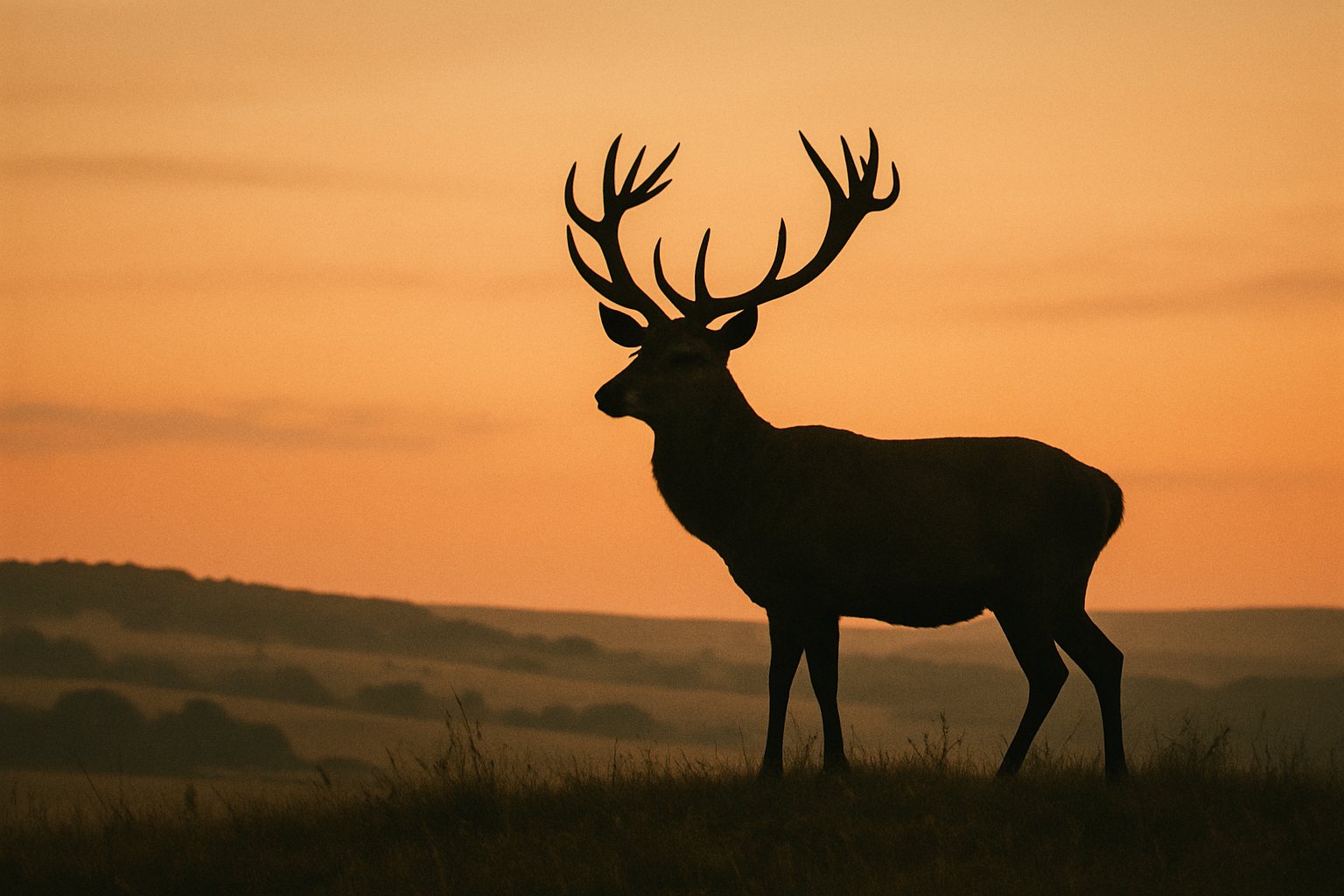
Red deer have heavier grazing pressure than fallow, and in a dry spring they’ll test fences to get at greener patches. In our Highland paddocks, the grass sward gets shorter first along the damper swales, so I measure clump height and root pull as well as bare ground. Last summer, we underestimated how quickly two stags could strip a corner near the north fence when a seep dried up, so now we set our rotation by the hardest-hit patch. Carrying capacity shifts through the year, especially with red stags pushing weight before rut. We log every move and adjust the rest programme if rain skips us.
Looking back, we have made our share of stocking mistakes, especially in years when early rain gave us false confidence. Once, we put a few more young stags into a south-facing camp after a late September shower, only to watch the pasture fade and have to pull them out early. That meant supplementing with lucerne for weeks, which we try to avoid. I always remind new hands that veld can take a full season to recover and that they must walk the far corners of every camp. Careful notes and clear records help us spot a drying water point early: by the time the deer stand at the gate, prime grazing for the season is already lost.
Written by
Water and stocking checks set the numbers in the Red Stag Highland camps.