Stories
Genetics notes educational partners can teach.
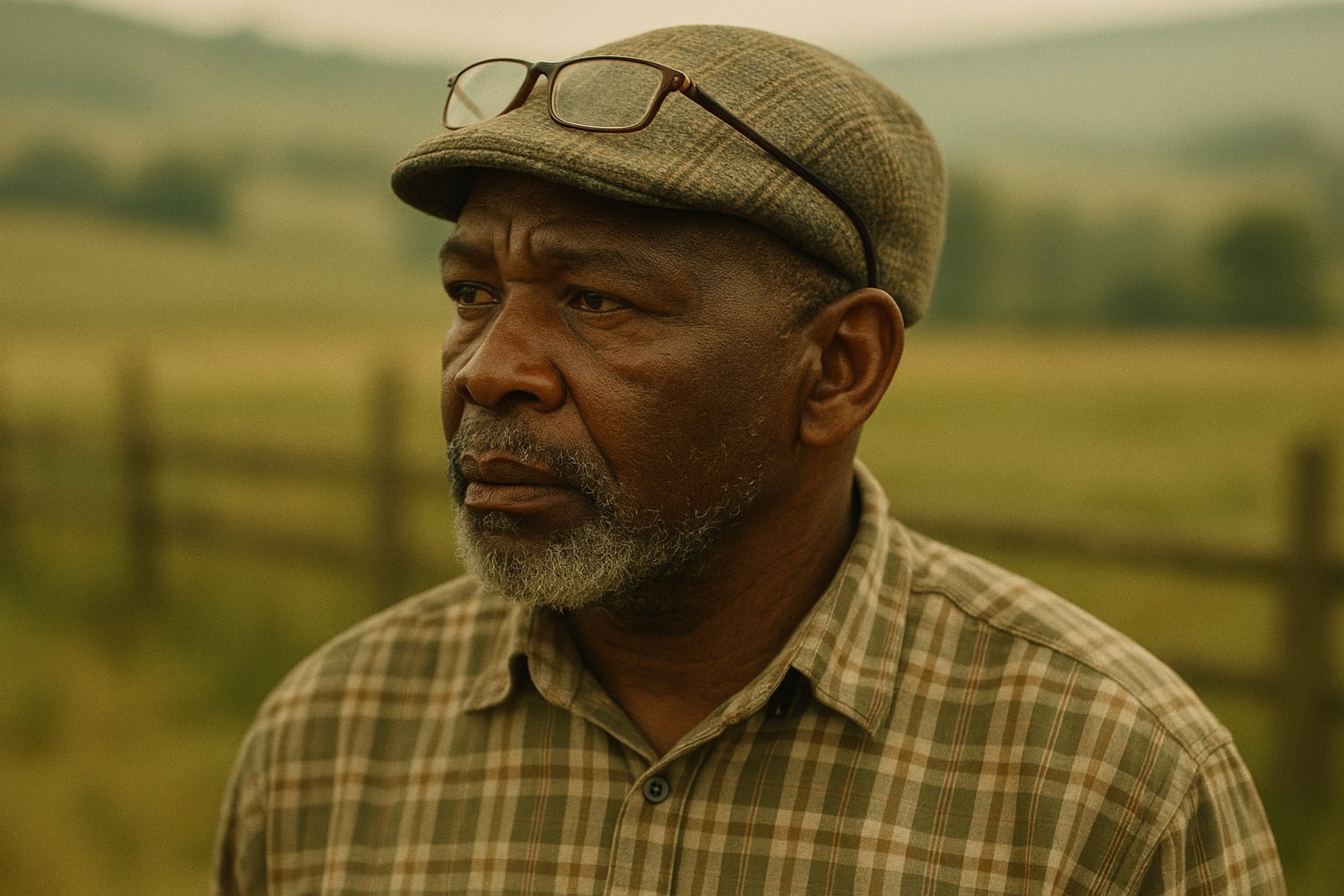
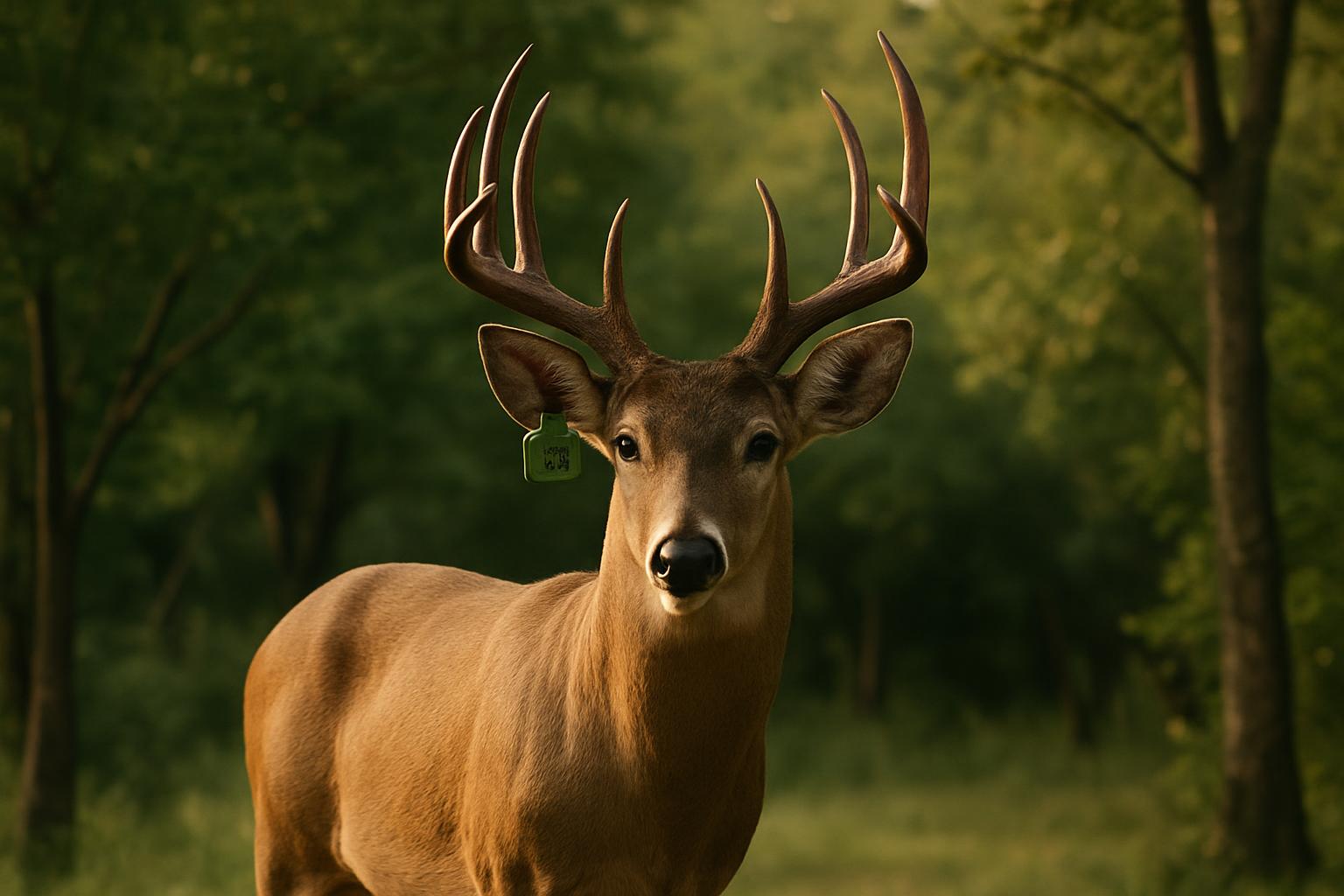
One frosty Karoo morning, I watched two young red stags sparring in the pale sun, their antlers clacking gently. It reminded me how different each animal is, even when they look almost the same at first glance. I describe that morning to students and visiting farm managers when we explain how genetic diversity is measured in a working deer herd.
When we do a diversity audit, we take our time over it. We start by reviewing the full stud book, matching field notes on every deer’s parentage and, where possible, their DNA profile. We look at relatedness, founder lines and how widely genes are spread. Measuring diversity means tracing dam and sire lines as far back as possible.
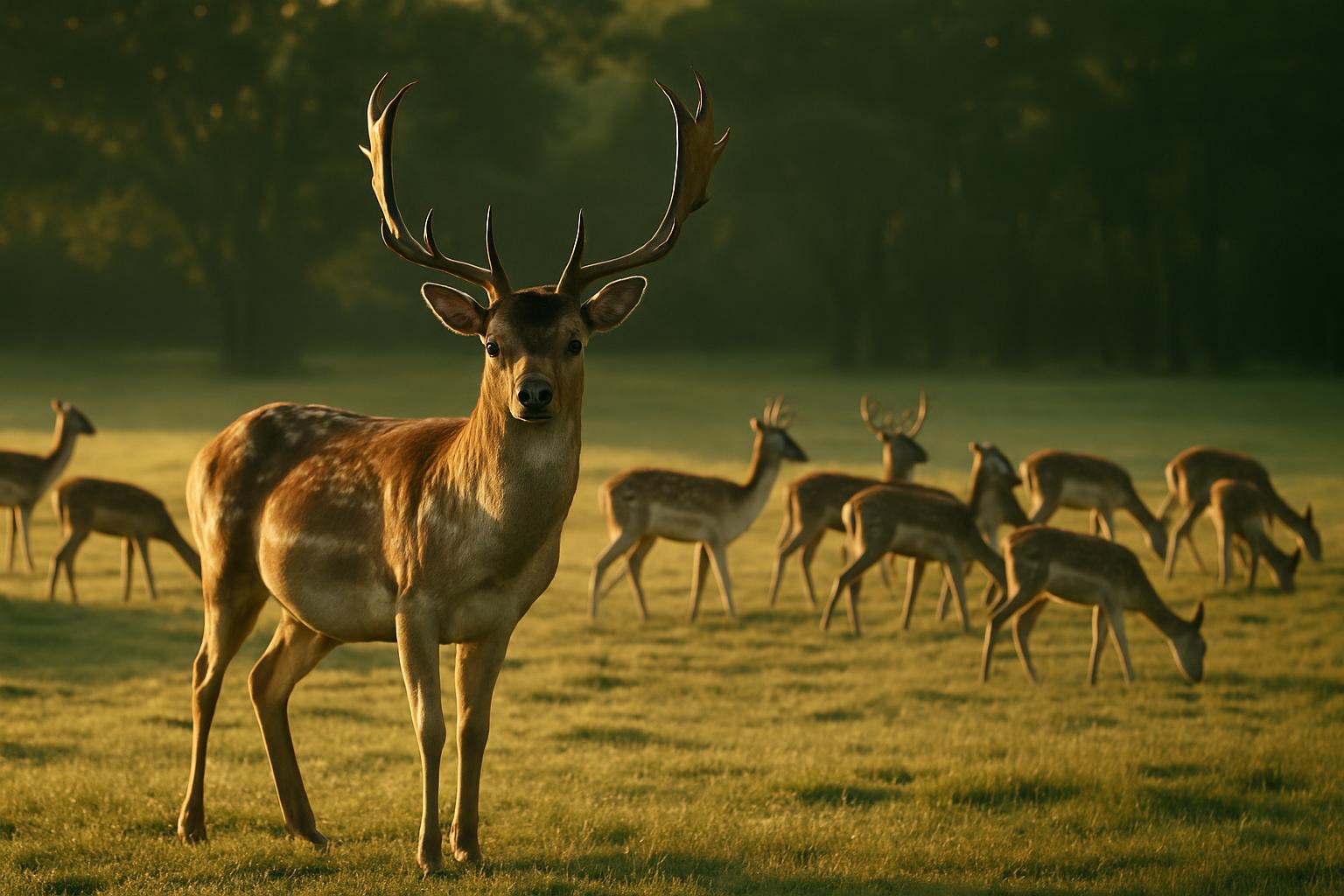
We also track coat colour, body size, and even temperament. These are clues to genetic drift or bottlenecks, especially in our long-standing fallow deer herd. Small quirks, like a sudden run of twins or out-of-season fawns, make us check our records twice.
On education days, I always bring groups into the handling kraal, record book in hand, and have them spot tags and family traits. We let learners pick out small differences in spot patterns or antler shape and guess lineages before we show them the records. Learners then compare their guesses with the stud book.
We work with agricultural colleges that use our Conservation Genetics Line as a case study. The students soon realise that closely connected genes can lead a herd into trouble within a few generations. We’ve had groups help us map out relationships on our whiteboard, using the animals in the camp outside the window.
A few years back, we missed a scheduled sire rotation. In one season, our sika group ended up with too many offspring from one sire, simply because the rotation was delayed by a week. That year, we saw more small-bodied fawns and two cases of jaw deformities, both flagged by our veterinary liaison officer.
Since then, we have built a season calendar for every camp, colour-coded and checked before the rut. We show that record to our educational partners, along with the calendar we use now.
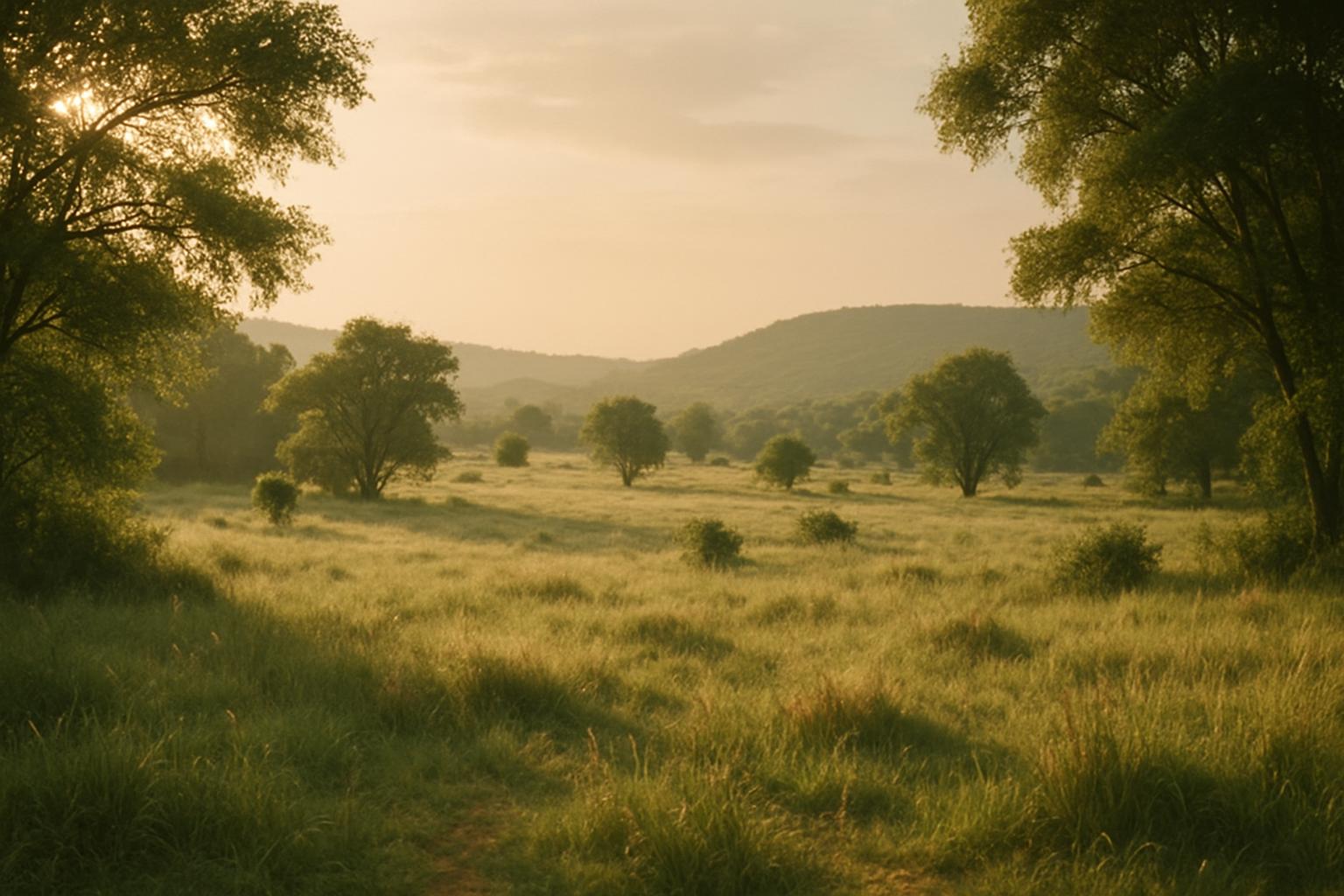
In the Karoo, veld conditions can swing quickly, especially in a strong El Niño season. Drought affects feed, calving success and survival rates. We factor these ups and downs into our diversity audits, checking which lines cope best with tough years.
Because all our deer species are Category 2 under NEMBA, any movement or sale comes with strict permit and record-keeping duties. We include a movement history in each genetics pack, so our partners and students see how regulations and biosecurity shape herd structure. If you want to know more for your own audits or practical learning, you can reach our team through our contact form.
Written by
Diversity audits are run every year on the Conservation Genetics Line.