Genetics
We audit the genetics of our fallow and red deer and keep open records, so herds stay diverse and resilient for farms and educational partners.
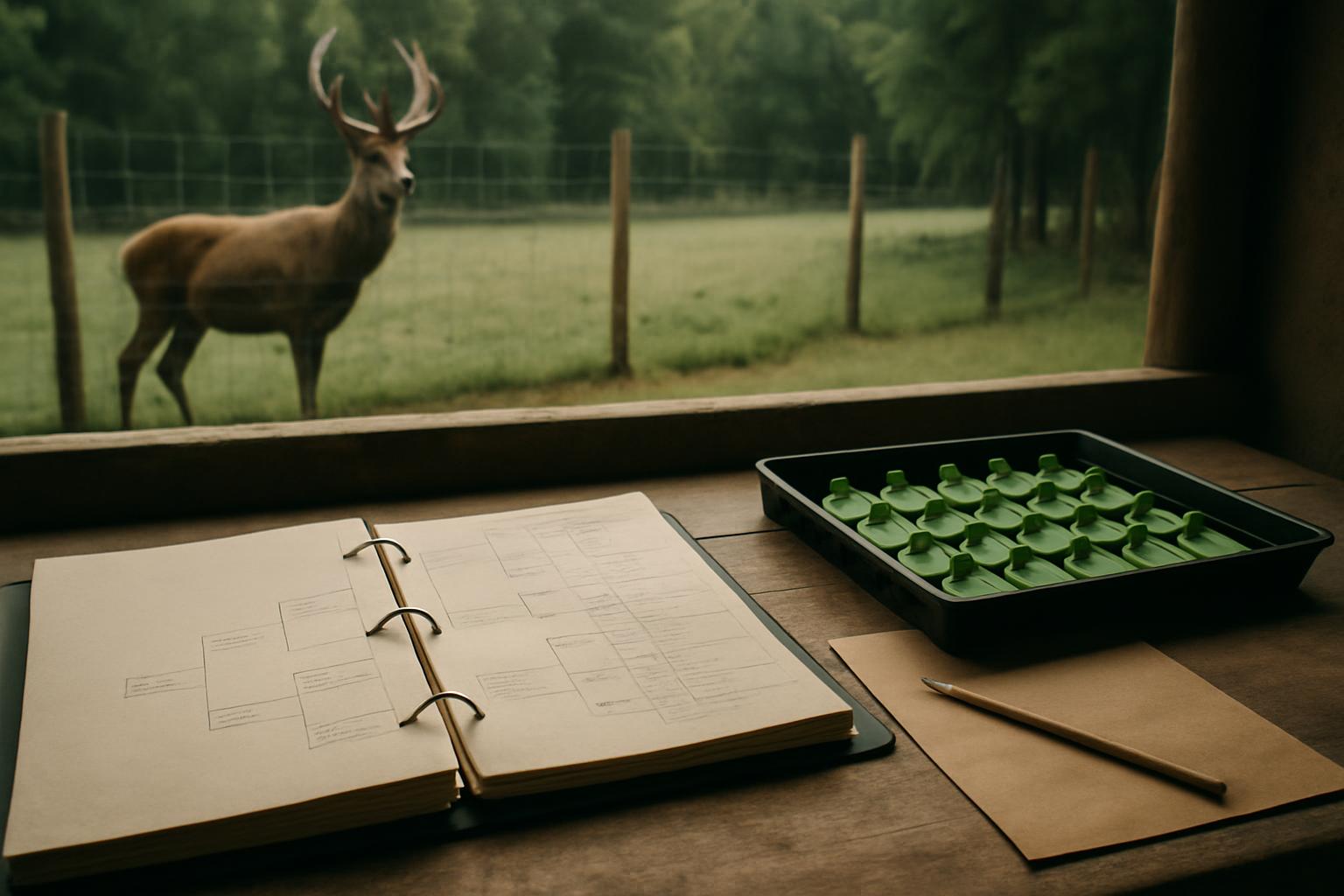
Why farmers choose it
Closed herds can lose genetic variety over time, weakening resilience. Our Conservation Genetics Line keeps diversity measured and records open for the long term.
| Focus | Genetics |
|---|---|
| Audits | Diversity |
| Partners | Education |
| Records | Open |
| Visit | Stellenbosch |
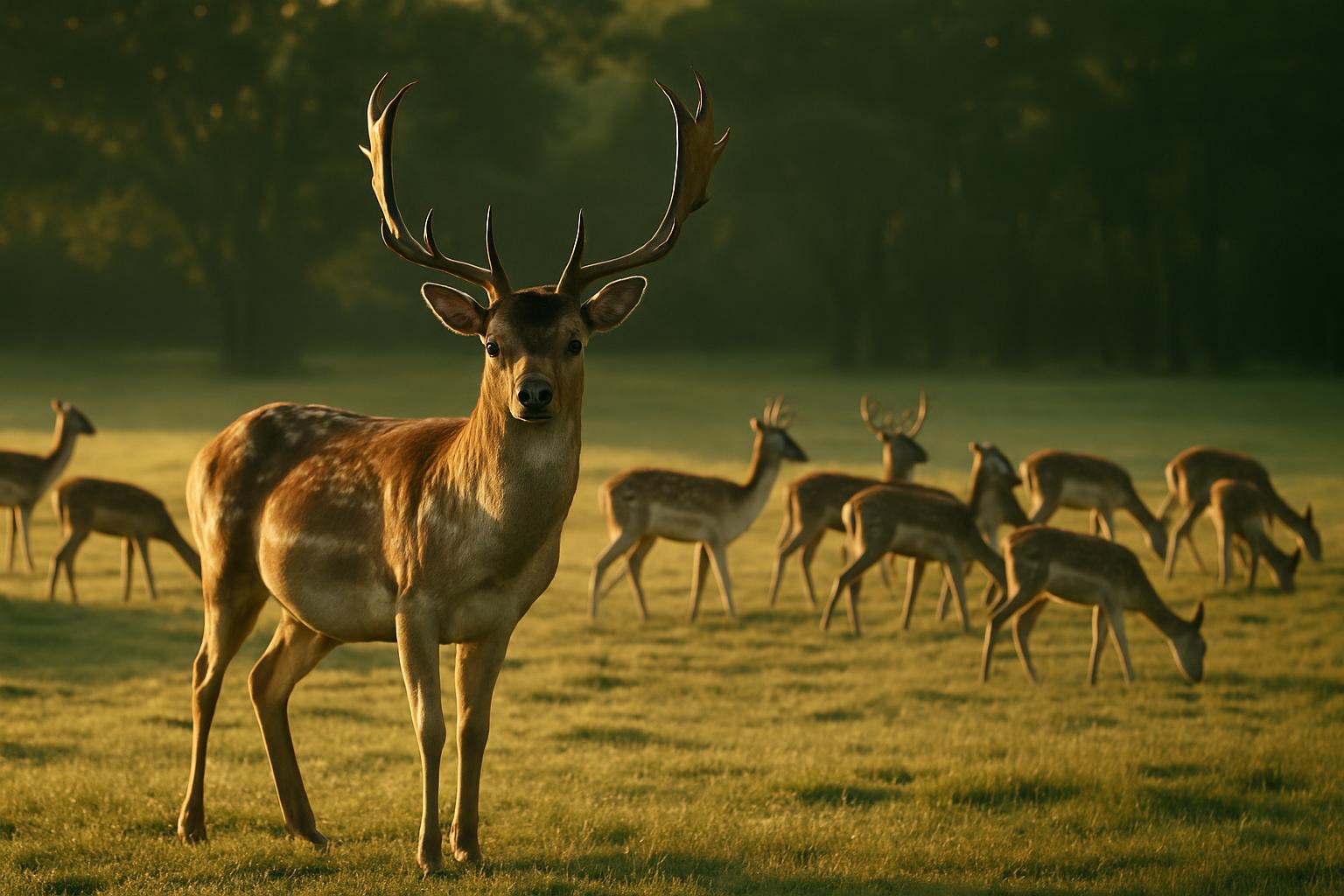
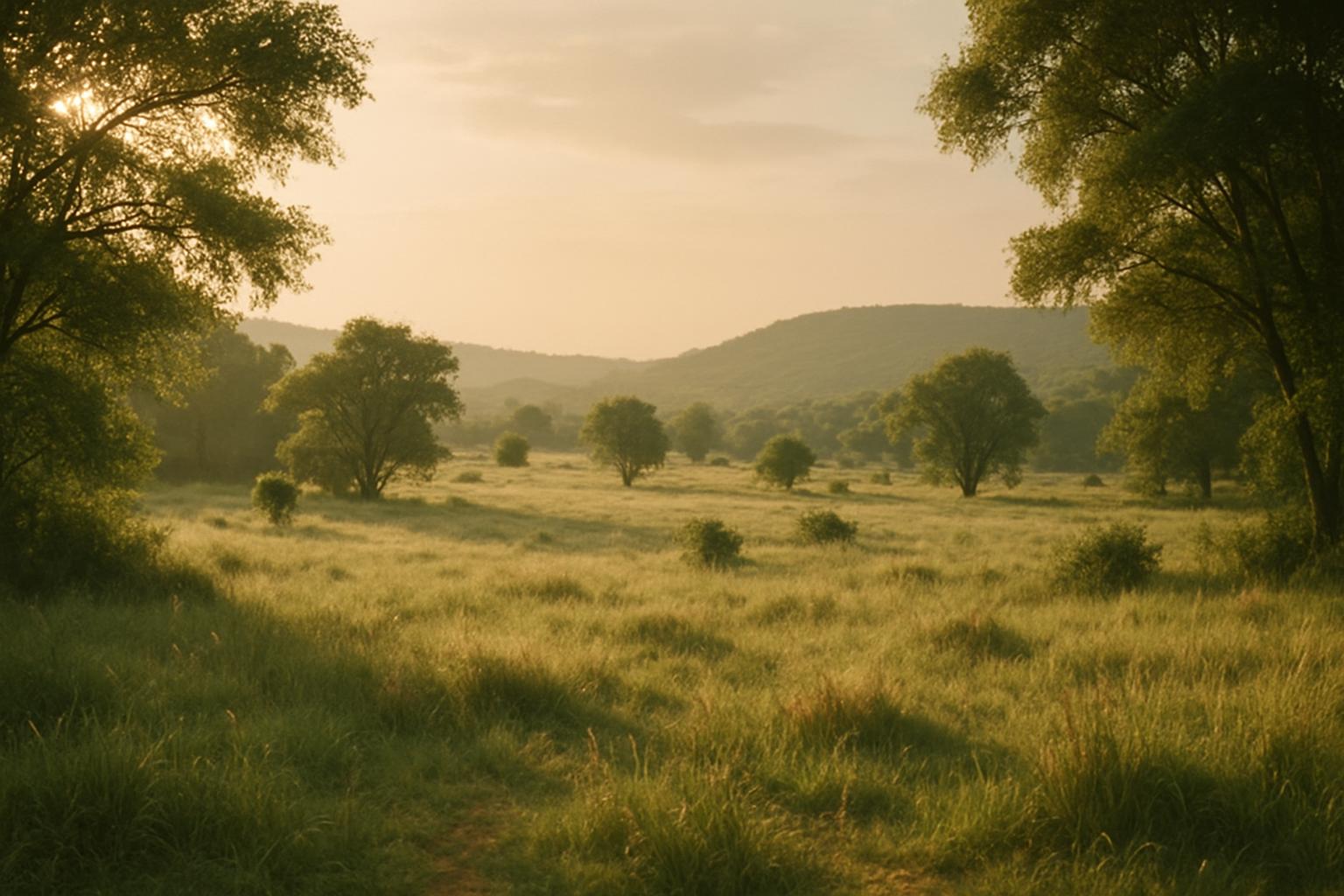
The Conservation Genetics Line draws on our core fallow and red deer herds at Karoo Edge, with records reaching back through many seasons. These deer graze the open veld and browse the shaded camps spread around the koppies, each group managed to keep bloodlines distinct. Most of the work happens on our home farm in the Eastern Cape, but records and samples are shared with the education barn near Stellenbosch. This line is a focused programme protecting and tracking the diversity within our main fallow and red deer herds. Exchange runs only between registered, permitted farms or university partners, with movement fully recorded.
Animals in the Conservation Genetics Line are managed for both health and diversity, with special attention to their parentage and pedigree. Camps are rotated to prevent close-related breeding and to allow veld recovery, especially through dry spells or when grass is short after berg winds. Shade is checked and kept up, with water tanks topped daily, borehole levels are monitored, as drought risk is higher this El Niño spring and summer. Our stud records lead keeps our pedigree packs and genetic records in step with every new calf and every partnership exchange. Handling uses low-stress methods and, where needed, our mobile boma for sample-taking. Our veterinary liaison officer makes sure every move meets the biosecurity and quarantine rules.
This programme is for conservation-minded game farmers, educators and researchers who care about long-term herd health. Buyers and partners receive clear audit reports showing genetic diversity and open stud records updated season by season. We support education programmes, providing farm data and field visit opportunities for colleges and agricultural schools. Any transfer, whether an animal, sample or just records, comes with guidance from our team and, where suitable, a visit arranged by our farm visits coordinator. Exchange is always structured under the NEMBA and Animal Diseases Act rules, with permits and vet clearance for every animal moved.
Moving or exchanging deer from this line needs a valid permit for both properties under the NEMBA Alien and Invasive Species Regulations. Every camp is kept with strong, well-maintained fencing as required by law and good husbandry. For farms in areas flagged for foot-and-mouth disease control, or during any movement restrictions, planning starts early with your local state veterinarian and our veterinary liaison. El Niño years bring shorter green seasons, so carrying capacity and veld condition should be part of any stocking decision. We advise all partners to check water and shade, and to keep backup in place for cold rooms and energisers. For more on the Conservation Genetics Line, or to discuss a partnership, send a message through our contact form.
Buyers and partners
Verified Google reviews