Practice
Genetic diversity is the anchor of conservation breeding for sustainable and resilient deer herds.
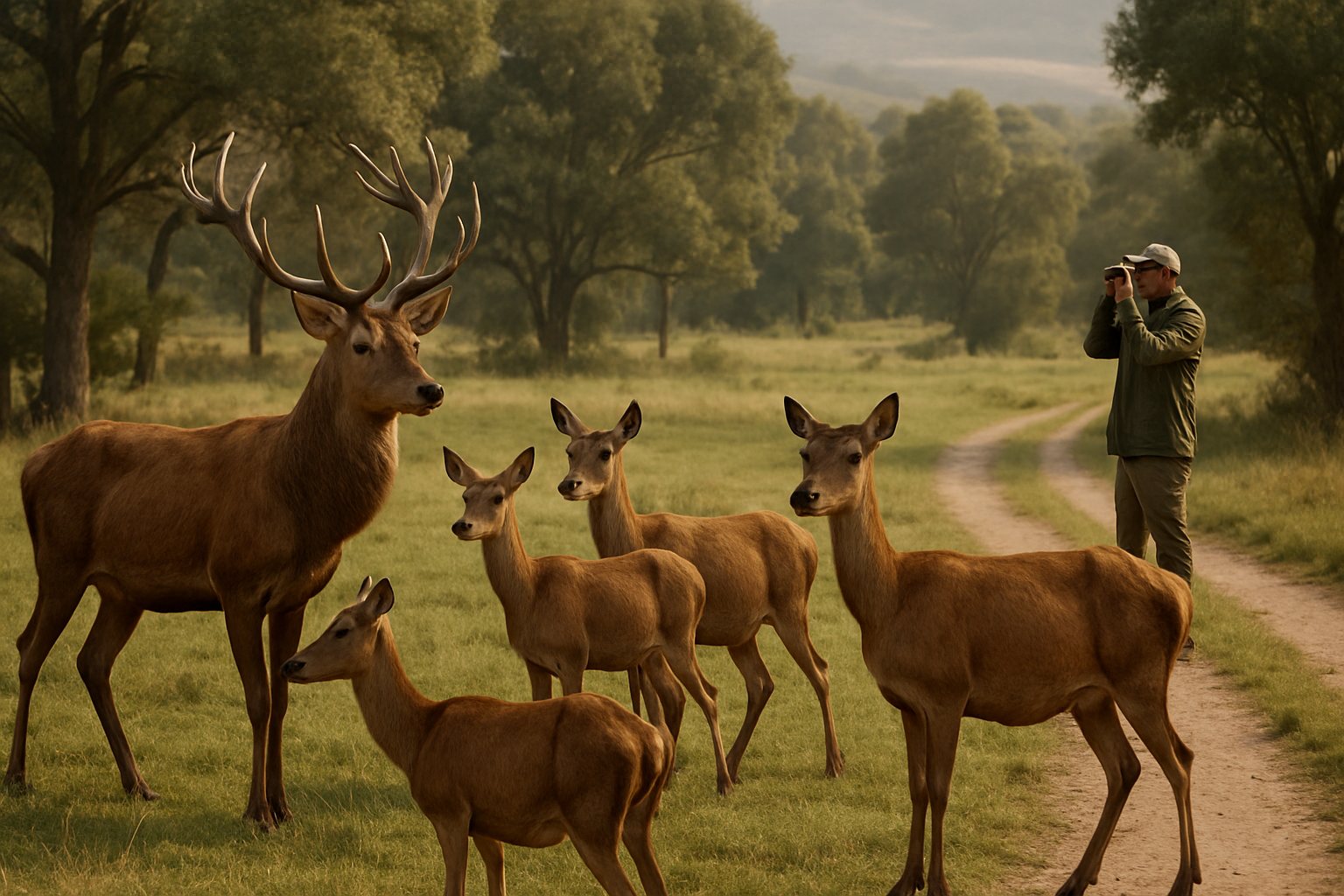
We focus on well-recorded, diverse genetics for deer farms and conservation projects. Each animal’s lineage is tracked for breeding that strengthens the herd and supports long-term wildlife management.
On South African deer farms, conservation breeding means putting genetic diversity ahead of size or colour. This is vital for fallow, red, sika and chital deer, which are all regulated as Category 2 invasive species and must remain healthy, well-recorded and carefully managed under strict permits. We serve farms, reserves and colleges that need animals with sound provenance, from strong, outcrossed genetics, to avoid inbreeding and keep populations resilient.
Whether restocking a family camp, building a teaching herd, or supporting a game farm’s future, the right approach to breeding helps safeguard against disease, poor fertility and genetic bottlenecks. It also supports the legal and welfare requirements set out in the NEMBA and Animal Diseases Act, which guide every step of the process.
Our Conservation Genetics Line and Stud Breeding Programme make use of our full pedigree records, with oversight from our veterinary liaison officer for veterinary health and our stud records lead for the genetic database. Every animal in the stud is individually tagged, DNA-sampled where possible, and matched for breeding using field records and lineage charts. We keep accurate calving notes, monitor outcrosses and avoid repeated close pairings.
The Border Teaching Herd supports agricultural colleges and education partners, demonstrating best practice and offering hands-on experience with our team at the Stellenbosch barn classroom. All breeding is planned with a focus on structure, temperament, and adaptation as well as genetic spread. When an animal leaves our farm, it travels with a complete pedigree pack, relevant veterinary checks, and full movement documentation, following all legal controls.
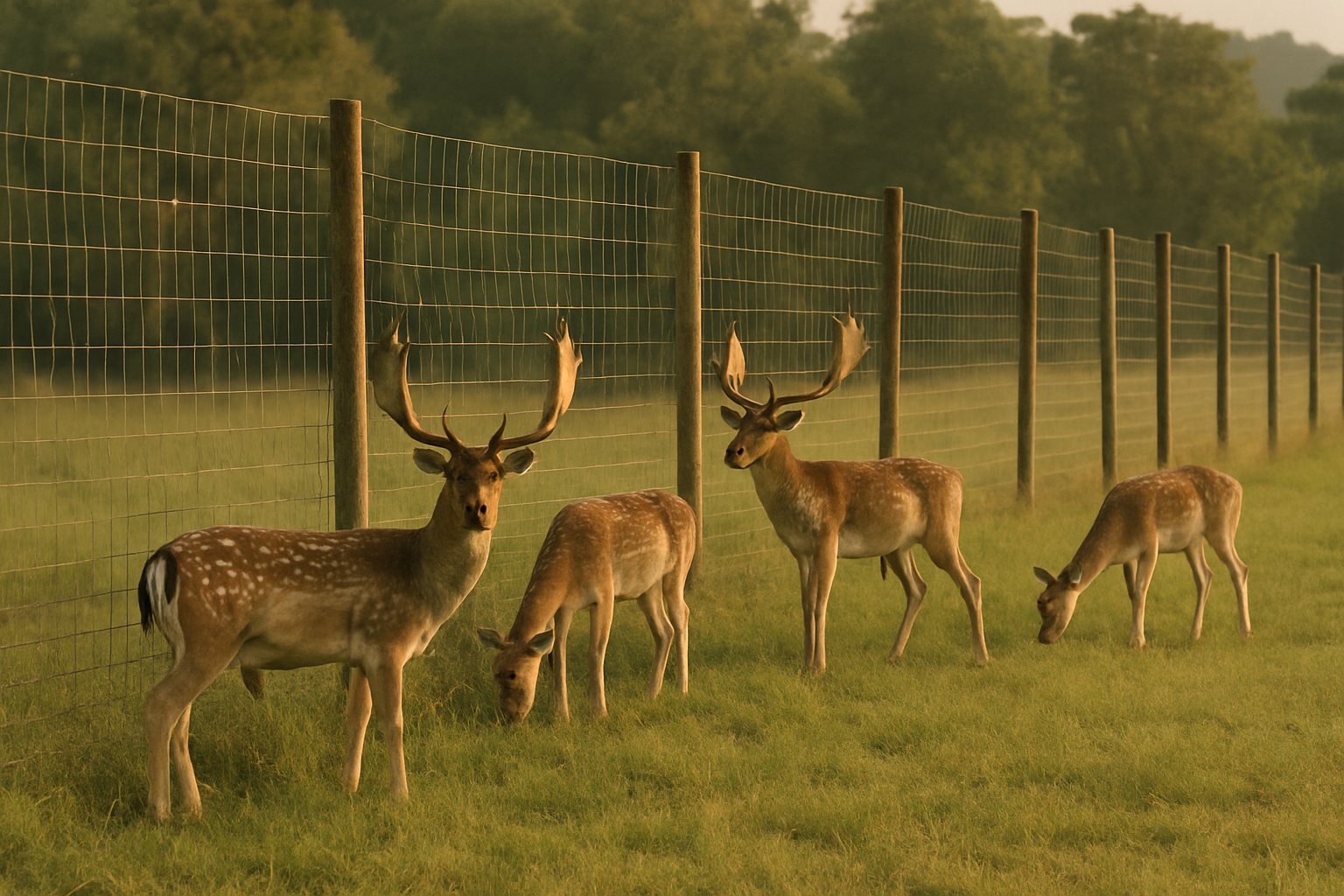
Poor record-keeping leads to accidental inbreeding, weak calving and vulnerable herds. Fencing failures or missed ear tag checks can cause animals to mix unsafely or lose identity. Under drought or stress, fertility and calf survival may drop if genetics are too narrow or animals are not sturdy.
Our remedies are concrete: redundant ear tags, regular herd checks, digital and paper records, and a backup system for the fence energisers, pumps and cold room in case of power cuts. We avoid over-reliance on a single sire line, spread risk across several unrelated males, and never sell breeding stock without confirming the buyer’s permit and management capacity. Veterinary checks back up every movement, and staff are trained to spot early warning signs of trouble.
Seasons shape every breeding decision on a deer farm. We plan matings to match the natural calving peaks, usually in early summer, which helps calves thrive before the first berg winds or dry spells. A strong El Niño forecast means extra attention on forage, water and shade: our pasture and forage manager adjusts pasture rest cycles and drought buffers, while our herd husbandry manager checks camp quality and animal condition.
Permitting and record submissions are scheduled before breeding and sales seasons. With FMD movement controls in place, we organise veterinary inspections and Red Cross permits well ahead for any live animal move. Staff training and education visits run year-round, with our farm visits coordinator running education days and outreach. Our schedule adapts to each year’s conditions so welfare, paperwork, pasture and genetics all track together.
Records and advice
Verified Google reviews