Teaching herd
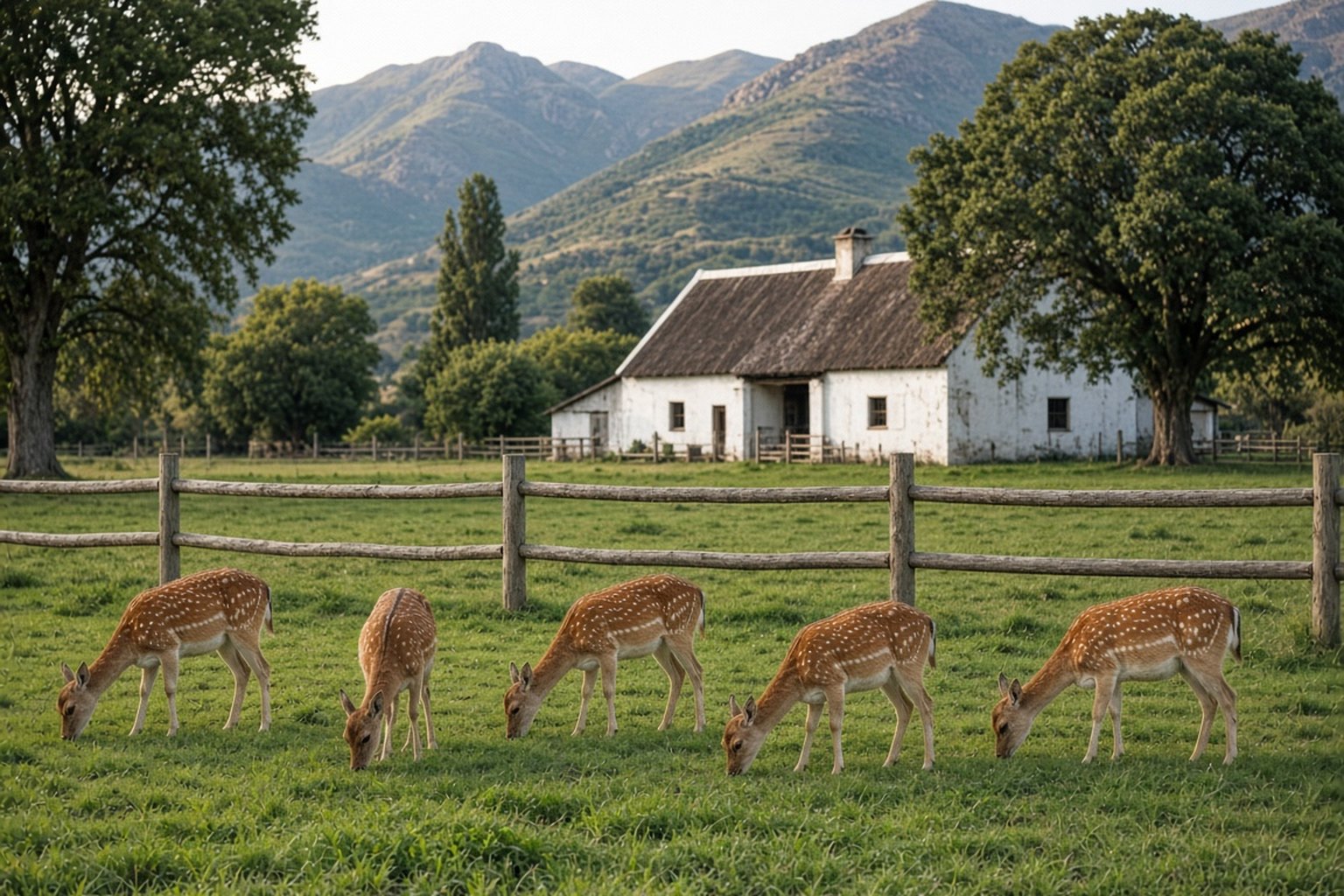
The Border Teaching Herd is a small group of calm fallow does and yearlings that students use to learn how to read deer.
Why farmers choose it
New deer farmers and animal science students spend their time here among quiet, relaxed fallow does in a well-run camp. Seeing calm behaviour, clean camps and complete records gives people confidence and practical skills.
| Herd | Fallow does and yearlings |
|---|---|
| Use | Education |
| Focus | Observation |
| Visitors | Guided |
| Visit | Stellenbosch gate |
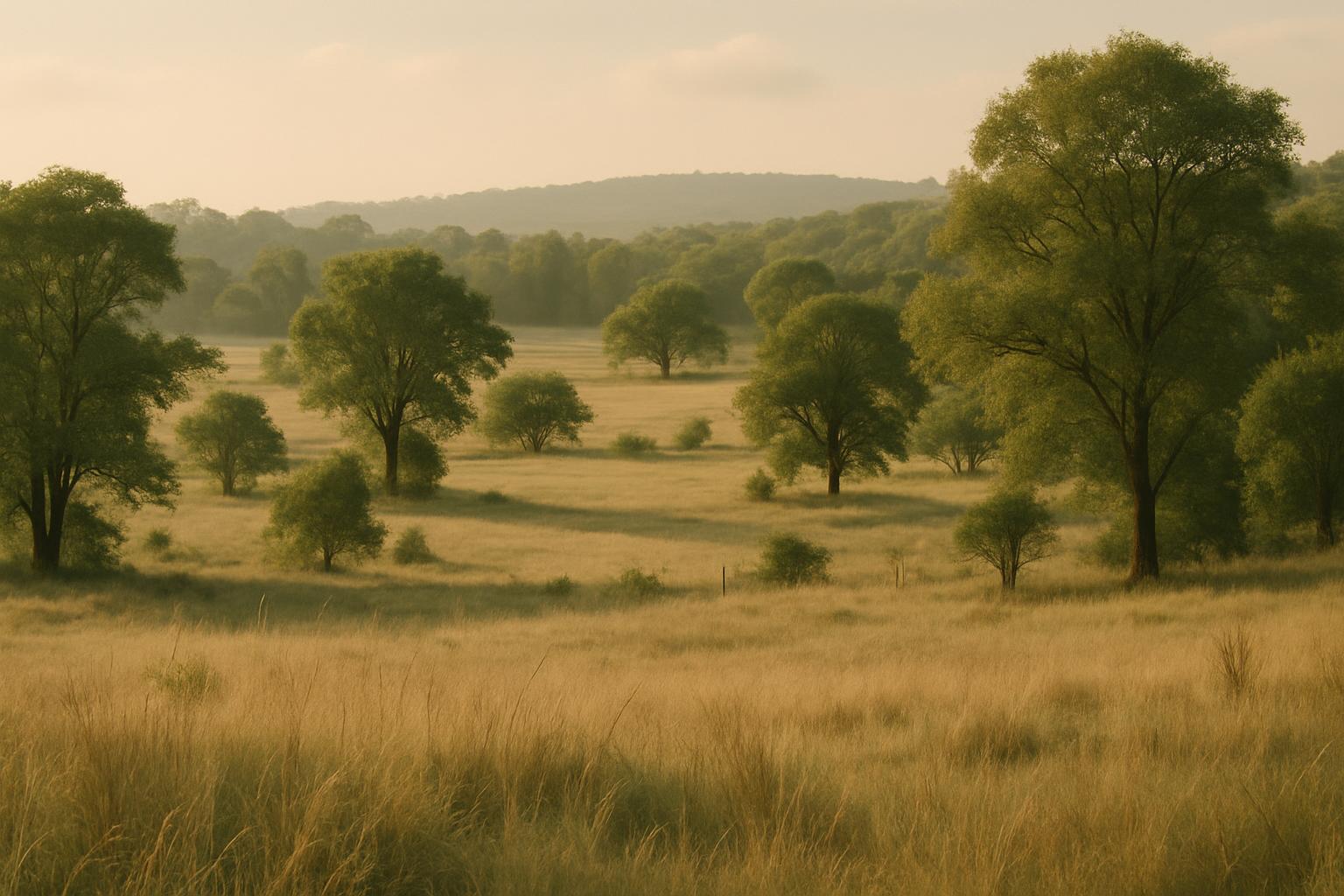
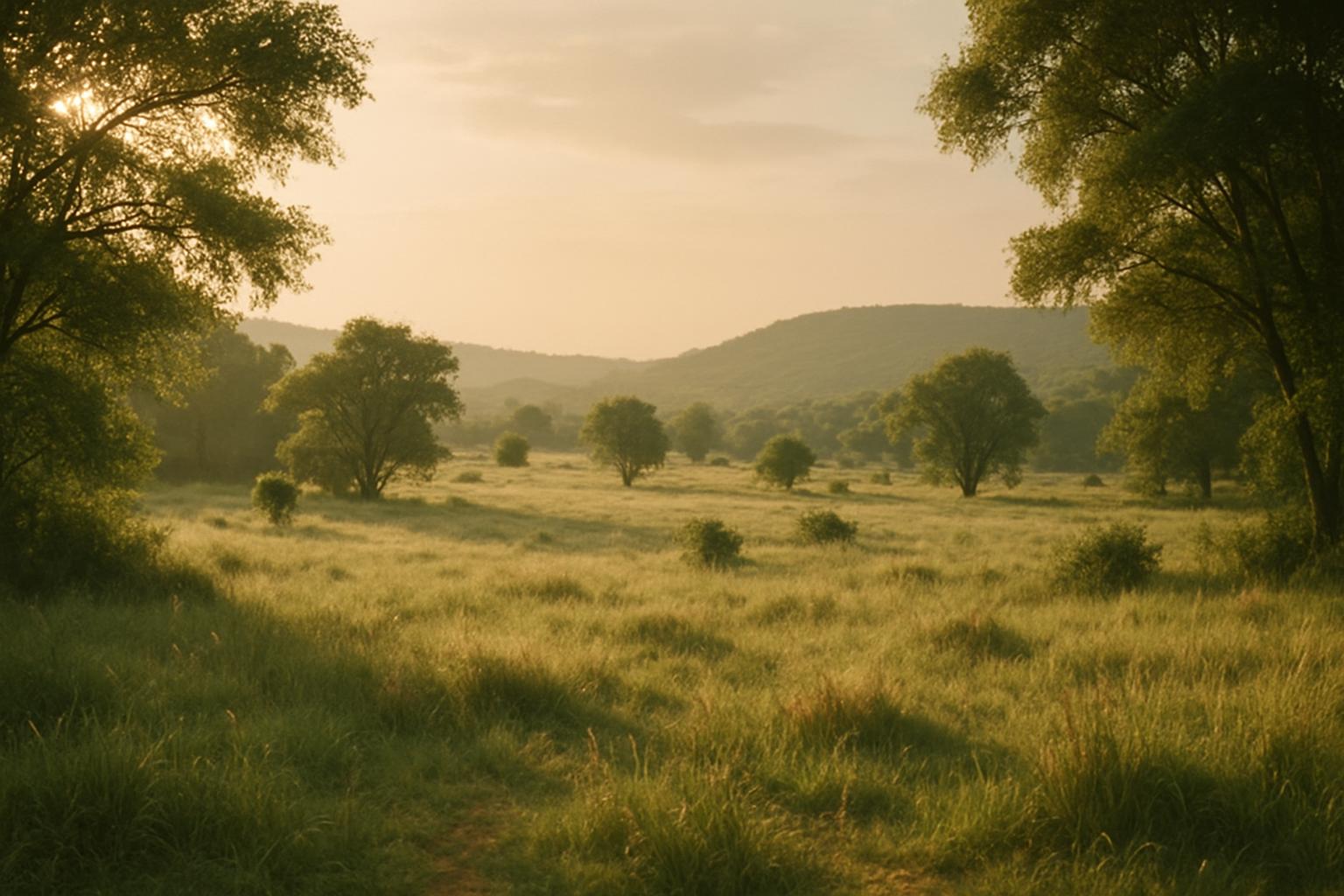
The Border Teaching Herd brings together a settled group of fallow does and yearlings in a border camp adjoining the barn classroom outside Stellenbosch. A small group means every student can watch one animal closely. Outside the rut, the group holds only does and yearlings, at ease with people moving quietly along the timber viewing rail. The hide is simple but solid, tucked under shade with a view of the pasture and water lines. This spot is easy to reach for college groups, agri-schools and farmers from the Western Cape, and it is available for guided education visits by arrangement with our team.
We choose calm, even-tempered does and yearlings for this herd. Each deer is checked every day for movement, condition and soundness, and our low-stress handling means that new students can work quietly alongside the animals. Water troughs are kept clean and shaded, and the pasture is rotated to keep the veld in good heart. The timber hide and rail give visitors close but safe sightlines. We keep a whiteboard by the gate with the basic records and staff notes for each week, so teachers and students can follow herd management week by week. Students and visitors stay on the viewing rail with a guide beside them.
This programme is built for agricultural schools, college animal science classes and new or prospective deer farmers. Chefs and butchers sometimes visit too, to understand how deer behave in settled camps and how provenance records are kept. What visitors get is a practical, hands-on introduction to deer behaviour, husbandry basics and the permit processes that shape South African deer farming. Teachers can book focused sessions on camp design, fencing, animal health signs or low-stress handling. Everyone leaves with a clearer sense of what goes into keeping deer safe, legal and well-settled.
All fallow deer are Category 2 invasive species under NEMBA, so every herd lives inside its permitted fence and movement is strictly controlled. The education camp is double-fenced, checked before every visit, and only permitted staff handle the herd. We talk about the practicalities: permit rules, record-keeping, and why proper fencing is a legal duty. Veterinary checks are routine, and students can see the kinds of records kept for Foot-and-Mouth Disease control and animal health under the latest national rules. For El Niño years, we also show how drought buffers, shade and water supply are managed in Western Cape conditions. Visits take place in small groups by advance booking; write through our contact form to find out more.
Buyers and partners
Verified Google reviews