Practice
Careful records keep our herds healthy, our venison traceable and our breeding lines clear.
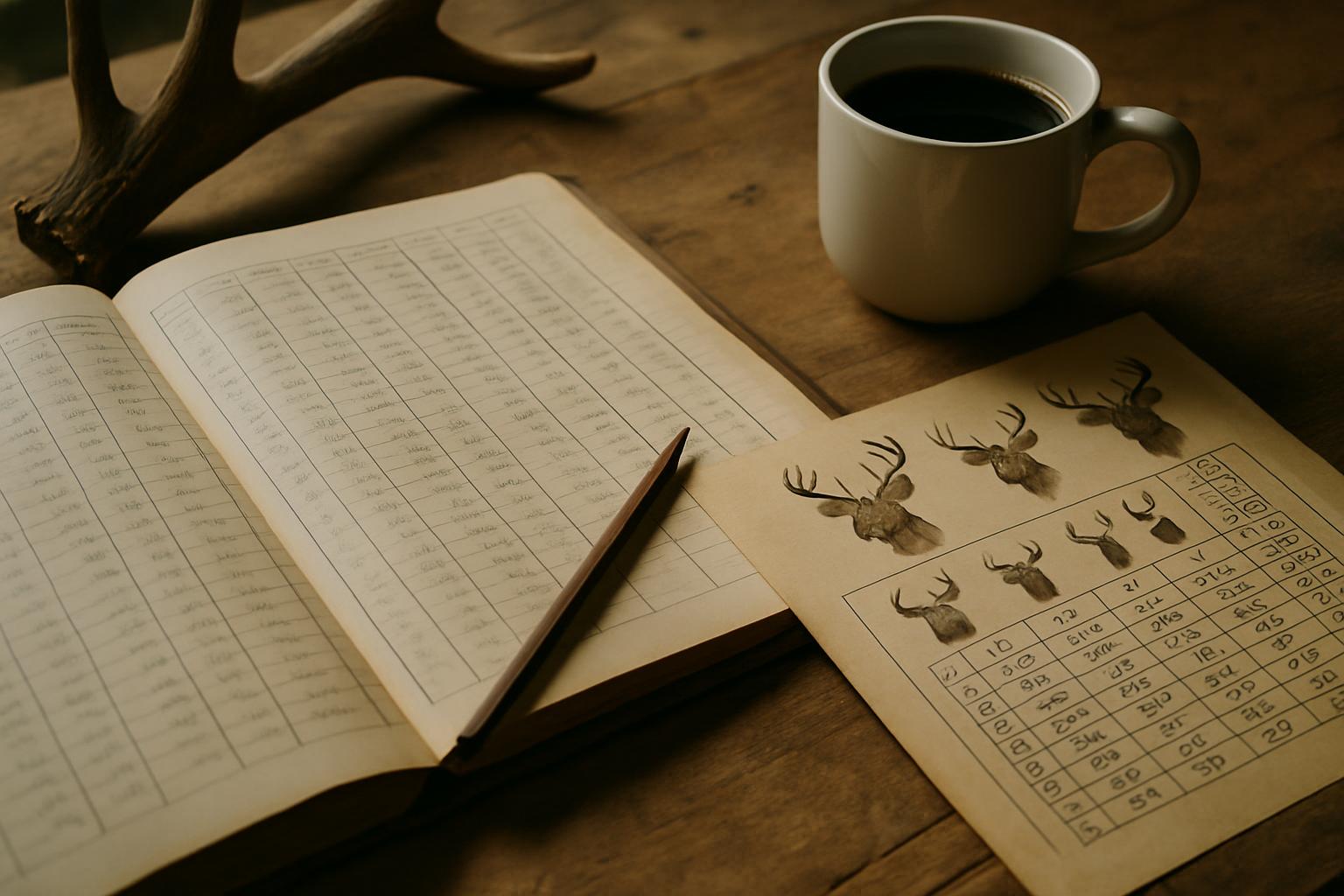
Our record keeping tracks calving, genetics and lot numbers from the veld to the table. Reliable, detailed books earn the trust of chefs, butchers, and finance teams.
On a South African deer farm, accurate records are required for biosecurity, permits and stud sales. Calving registers, bloodline charts and lot books help us show exactly where each animal or cut of venison comes from and ensure our herd management supports both welfare and conservation. These records give confidence to everyone involved: farm owners, regulatory inspectors, chefs, butchers, and even finance teams who need full traceability for every sale.
Our records link each animal’s life on the farm with legal documents, veterinary care, movement permits and, for venison, abattoir batch numbers. This traceability is a legal duty, and a practical one too, for keeping herds healthy and ensuring that our venison is always safe and trusted.
We tie our record keeping directly to our main programmes: the Stud Breeding Programme, Farm Table Venison, and Conservation Genetics Line. Every calf born is listed with the dam, sire and camp all noted. Our stud records lead updates stud files and genetic diversity records, making sure each animal’s pedigree is complete for buyers or conservation work. Our venison provenance manager tracks every venison lot from live animal to abattoir to delivery, matching named lots to cold chain logs and provenance papers.
We enter all treatments, deaths, movements and weanings as they happen, and double-check against permit requirements. Our veterinary liaison officer keeps veterinary records aligned with animal health and movement laws, while finance teams can reconcile sales to specific animals or venison lots. Each section of the records is physically checked and digitally backed up, for peace of mind during a power cut.
Mistakes in records can cause serious trouble: lost permits, missed births, or traceability gaps that put sales at risk. Handwriting errors or missed entries sometimes happen if staff are rushed or if a bakkie breaks down before a camp visit. To avoid this, our team works together: our herd husbandry manager and our stud records lead always double-check calving lists and ear tag numbers after camp rounds, and at the end of each week, our venison provenance manager and our stud records lead reconcile sales and lot books.
We use clear, waterproof tags and markers in kraals and update genetic records soon after any transfers or sales. Regular digital backups mean nothing is lost if a paper book is damaged during a storm. If a record does need correcting, we keep an audit trail, showing what was changed and why.
The year’s rhythm shapes our record keeping: calving and fawning peak in November and December, and weaning and selection for the stud or venison lots follow in early autumn. Summer storms and drought warnings, such as an El Niño forecast, mean checking pasture, water points and movement records often. When the state gazettes new rules, such as the latest FMD movement controls, we update permits and animal movement logs to match.
Staff are rostered so that no record is missed, even when teams are out at education days or moving animals. Our veterinary liaison officer keeps veterinary records ready for any state inspection or permit renewal. Our records let us plan ahead: who will calve, which animals qualify for stud sales, and how much venison is in the Karoo Edge cold room.
Records and advice
Verified Google reviews