Stories
What stud buyers receive before they arrive at the gate.
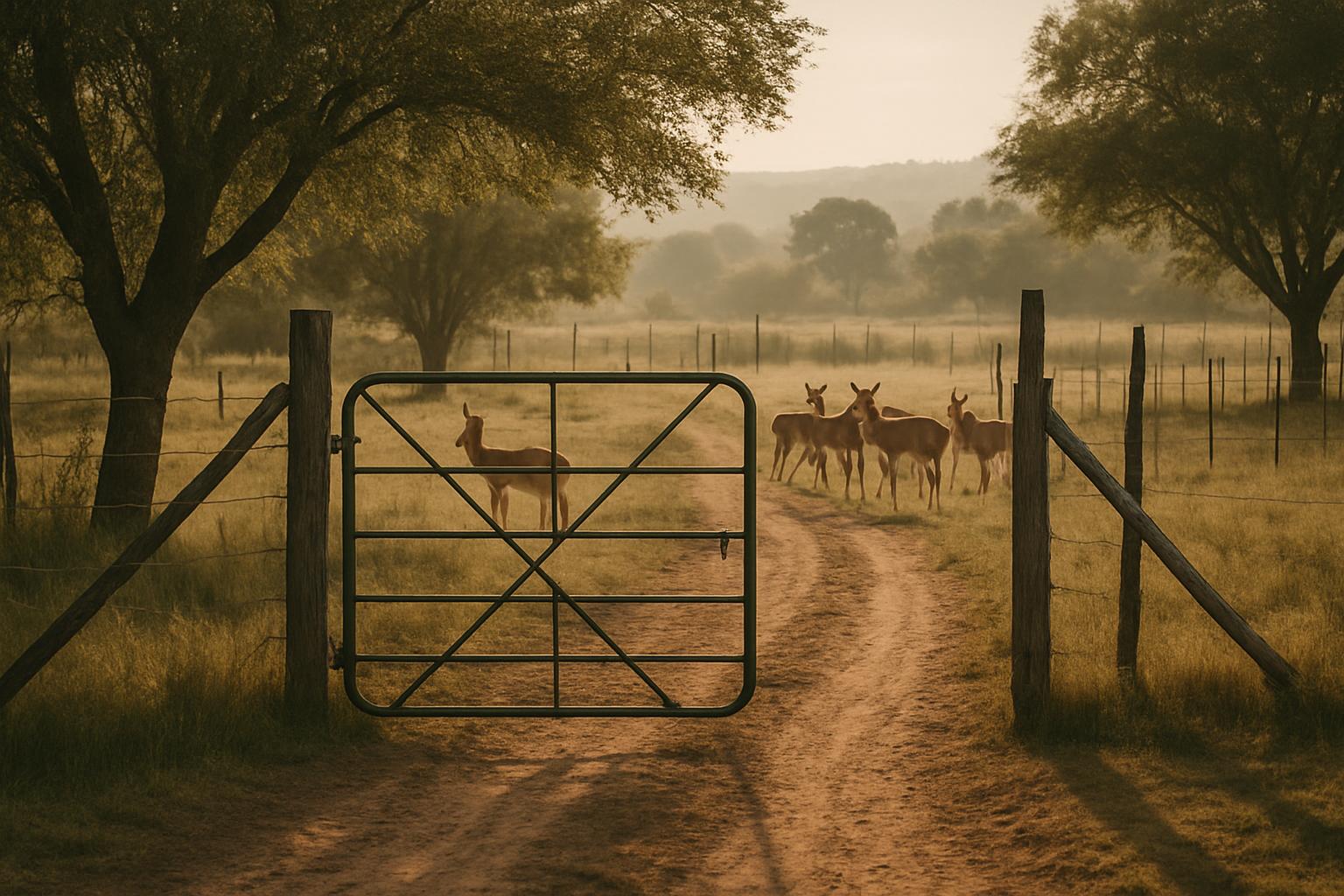
Our stud buyers arrive knowing each animal’s background. Long before you reach the Karoo Edge gate, we send you a full, plain-language pedigree pack that you can sit down with in your own time. The pack covers lineage, weights, permits and temperament for each animal on offer.
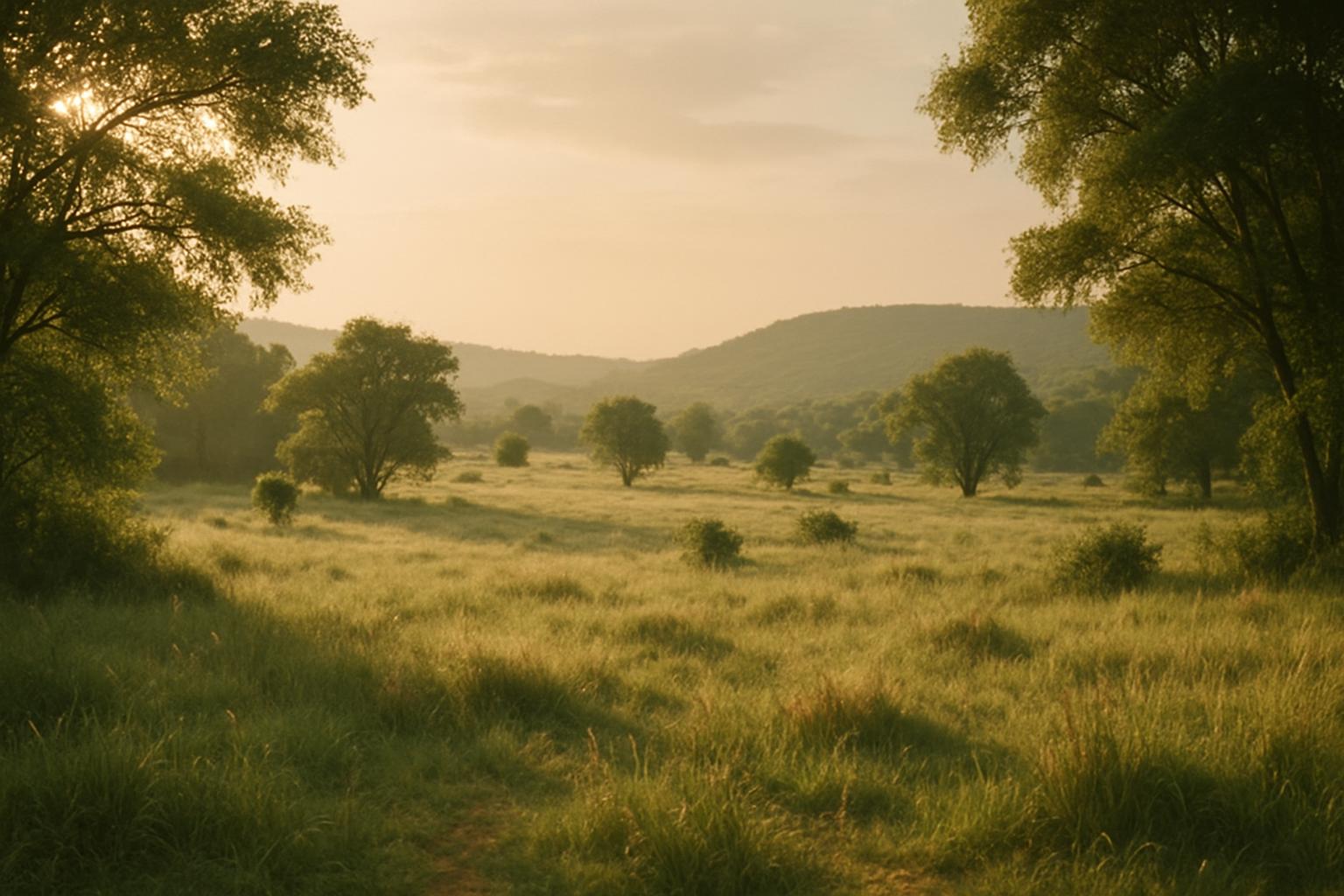
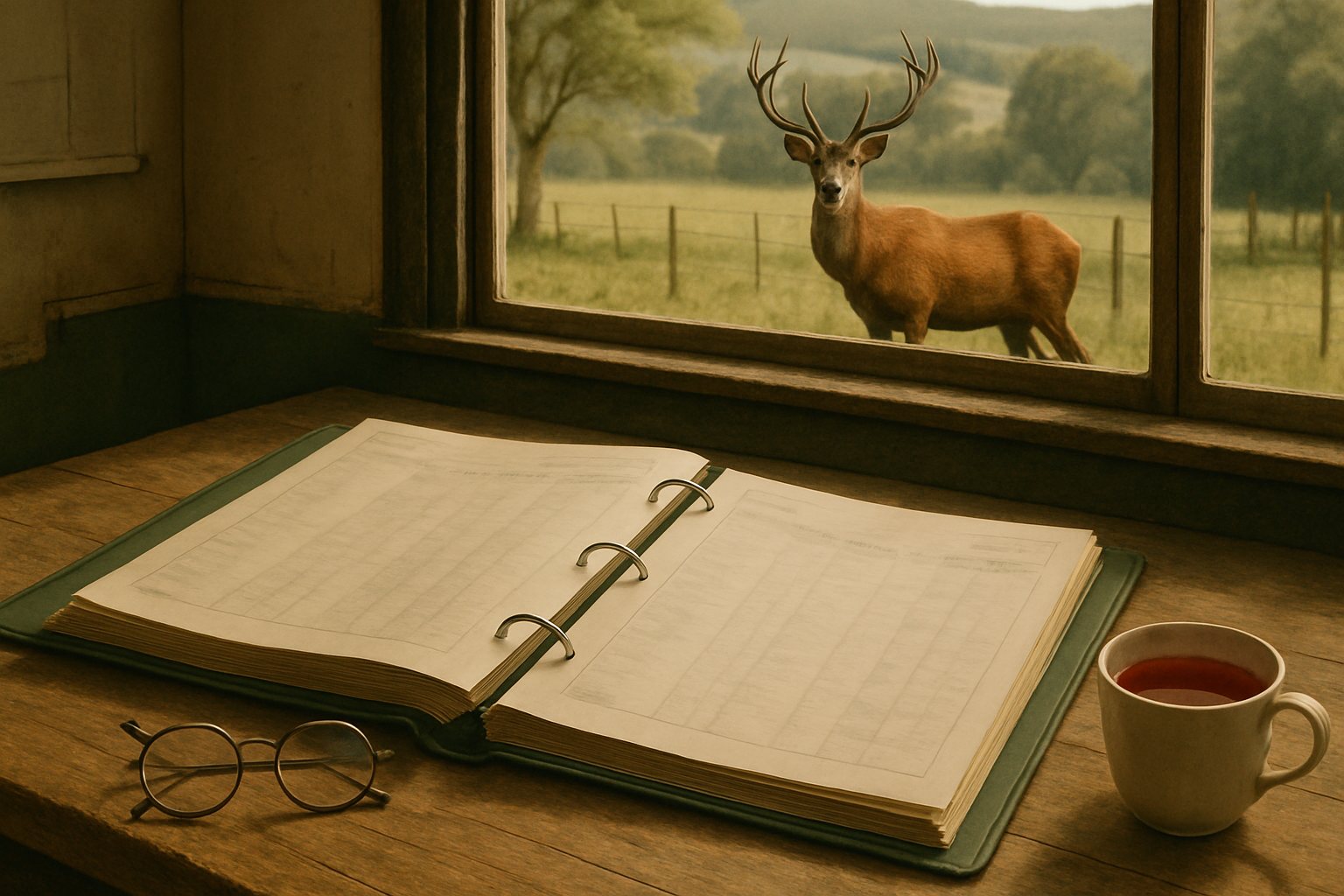
Every animal in our core fallow, red, sika and chital herds is tagged, measured and tracked. We record parentage and all the practical details: calving dates, body condition through the seasons, temperament in the kraal, and any interventions. I remember a chilly Karoo morning just before sunrise, jotting down a young red hind’s ear tag as the mist rolled over the koppie and the drone of a bakkie engine signalled breakfast for the herd. Those daily entries are what the pedigree pack is built from.
The records also cover weather. Our records note which animals held condition through a dry winter or a sudden swing of berg wind and cold front. In El Niño seasons, with hot and dry months to plan for, these details help buyers pick deer that held condition through hot, dry Karoo seasons.
Our pedigree packs are sent out by email ahead of every stud viewing or sale. Each pack has individual animal sheets that show the dam and sire, full lineage within our herds, weights at set ages, calving intervals, and notes on temperament and pasture type. Buyers also receive copies of all necessary permits as required by the NEMBA regulations for Category 2 deer. For regions with movement controls, we include a quick summary of foot-and-mouth disease status and the steps needed for a Veterinary Red Cross permit if you are outside the quarantine zone.
We learnt early on that too much jargon or cryptic codes only cause confusion. Now, we double-check every record for plain language and make sure photos, where available, show the animal as it is on the veld.
In the early days, we sometimes left out small but vital details, like pasture type or veld recovery notes, thinking buyers would ask if they needed them. Most buyers, it turned out, want those details up front, especially if you’re planning to introduce new blood to a stressed or recovering camp. We also had a case where a typo in a tag number caused a mixup, and we had to untangle two full sets of records. Since then I always cross-check numbers in the kraal myself before anything leaves the farm. If you spot a slip or a missing detail in your pack, please ask us to clarify it. A stud animal is a long-term purchase, so we would rather fix an error before delivery.
After the sale, we stay in touch. Our team answers any questions about your pack through the contact form. For buyers new to deer, we add practical notes on camp fencing, water, and what to expect in the first week after arrival. We update you with any quarantine or movement news, and help you work with your local state vet if a movement permit is needed. We can also suggest which of our lines suit your veld type and rainfall. Ask us about the process through our contact form, or to request an updated pack.
Written by
A pedigree pack goes out with every animal sold from the Stud Breeding Programme.