Border Teaching Herd
Practical care of the Border Teaching Herd follows the seasons and the needs of both the deer and the learners.
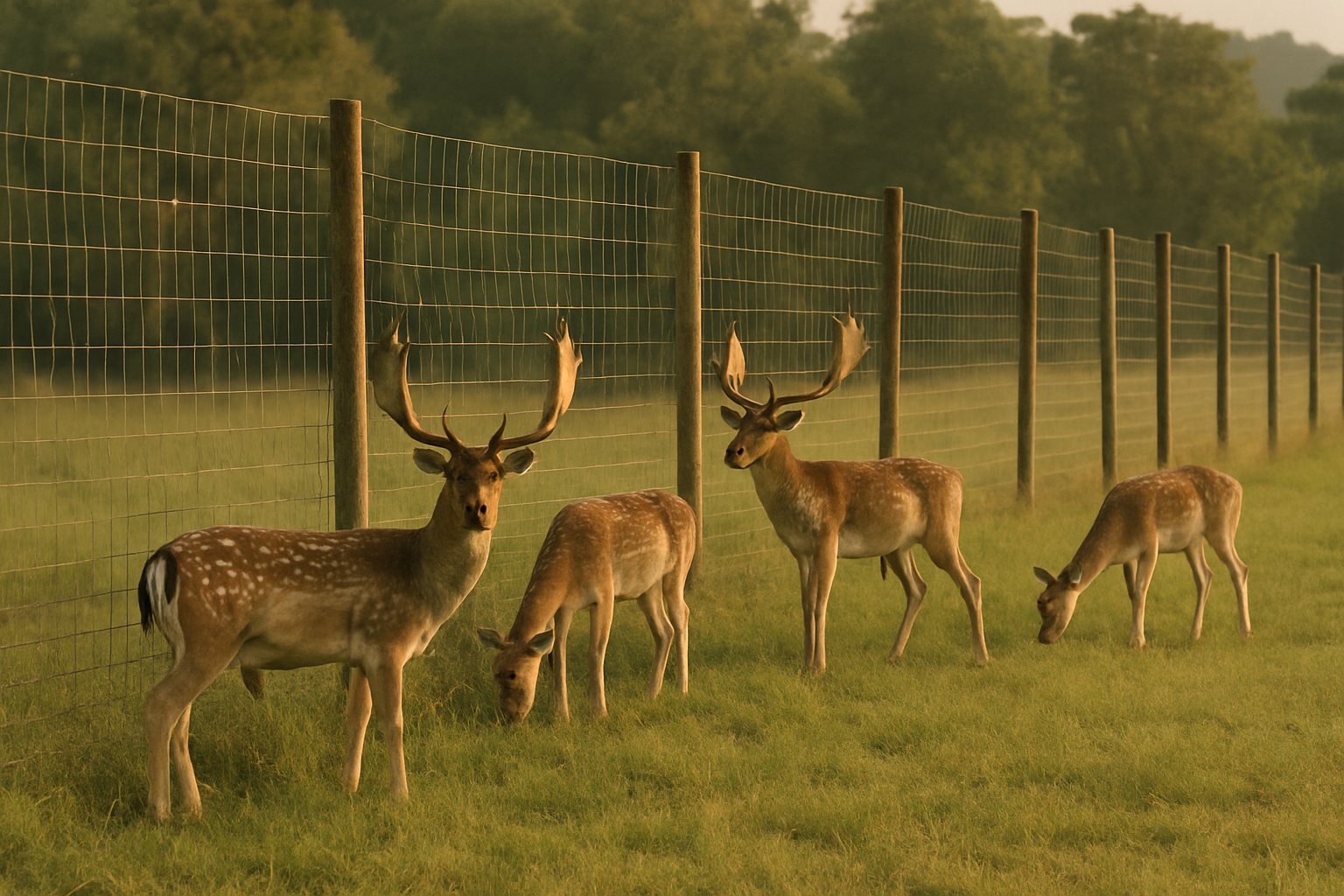
The Border Teaching Herd runs on a simple, steady rhythm. Fawning is usually November into December, with careful checks on new mothers and a hands-off policy unless help is needed. The annual rut is quieter here than in the main fallow herd, because a single Karoo Edge buck joins the does for the season and goes home once it ends. Education days are busiest in late summer and into autumn, with college groups attending when the herd is most settled. Winter means extra hay and a watch on body condition, especially during El Niño years when natural grazing can be short. Teaching slows in deep winter, and the hide always has something to show.
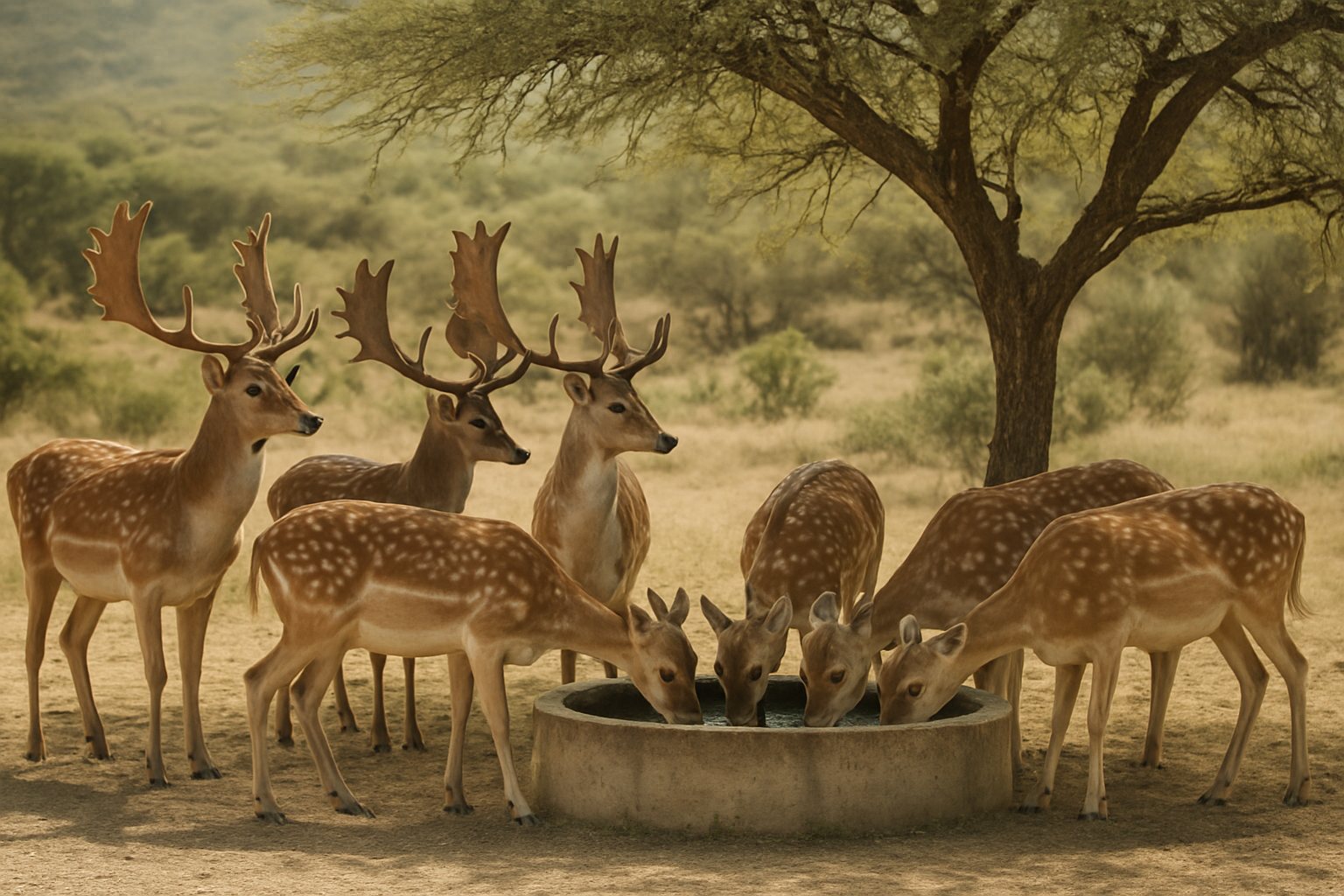
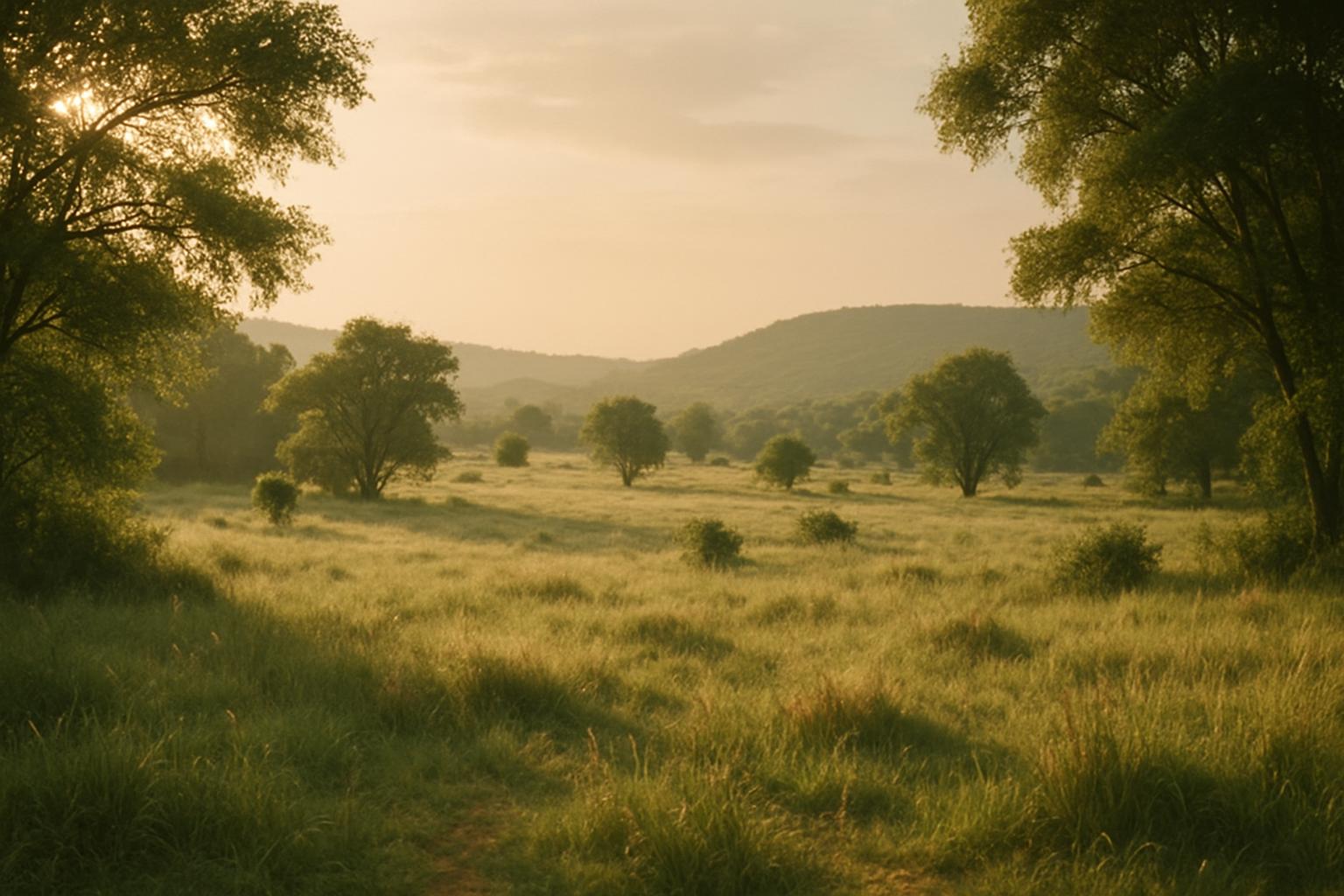
The teaching camp sits right along the education gate, with a split-rail timber hide for students to settle behind and watch quietly. Camps are fenced to meet permit standards and to keep the group contained, with plenty of room for natural grazing and a good sightline from the hide to the main veld. Water comes from a nearby borehole with a backup tank, and troughs are cleaned before every visit. Old acacia and pepper trees keep shade across most of the camp, and we check the shelter regularly, especially before summer heat or strong berg winds. Backup batteries keep the water pump and electric fence live during power cuts.
The teaching herd is fed at 07:00 and checked again at 16:00 every day. Our herd husbandry manager leads the checks at dawn, walking the fence and counting every animal. Calm handling is shown to every new group: students see how a simple slow move keeps the deer settled. Veterinary checks are done in early spring and again at the start of autumn, with our veterinary liaison officer calling in the game vet for any injuries, parasite control or foot checks as needed. When biosecurity rules change or foot-and-mouth disease measures affect movement, we explain the process to students, so they learn the why as well as the how. A missed check or a loose gate can mean a long afternoon of searching the camp.
Days on the farm
Verified Google reviews