Practice
Game-grade fences, double-latched gates and camps sized to the veld keep our deer calm, our grazing rested and our permits valid.
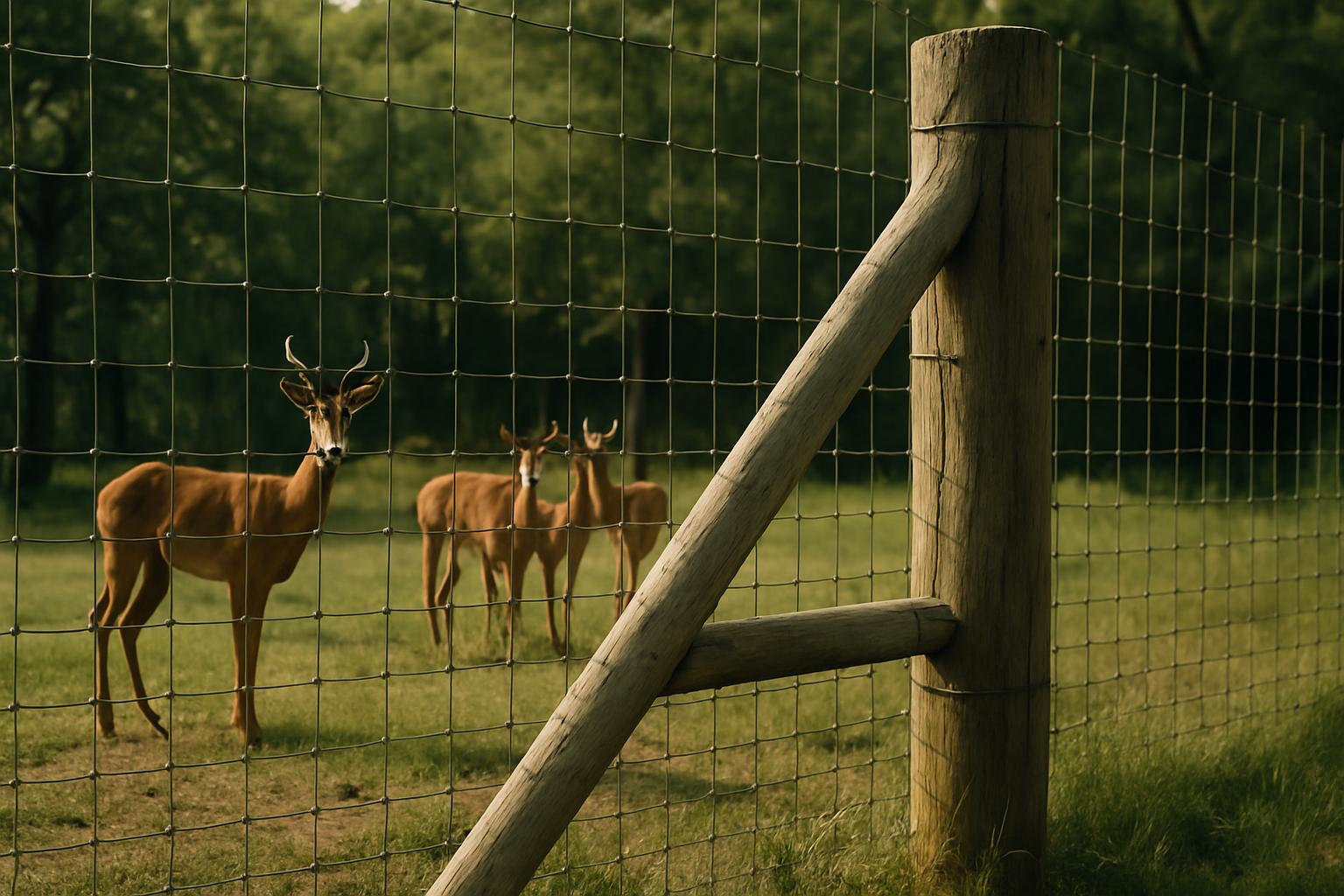
Good game fences protect both deer and veld. Camp design, water points and handling races all help keep animals calm at every stage.
Game-grade fencing and calm camps protect welfare and grazing, and our permits require them. Fallow, red, sika and chital deer are all Category 2 invasive species, so fencing is a duty under the NEMBA regulations. Well-built camps keep herds on their permitted land, prevent escapes and make handling safer for both deer and people.
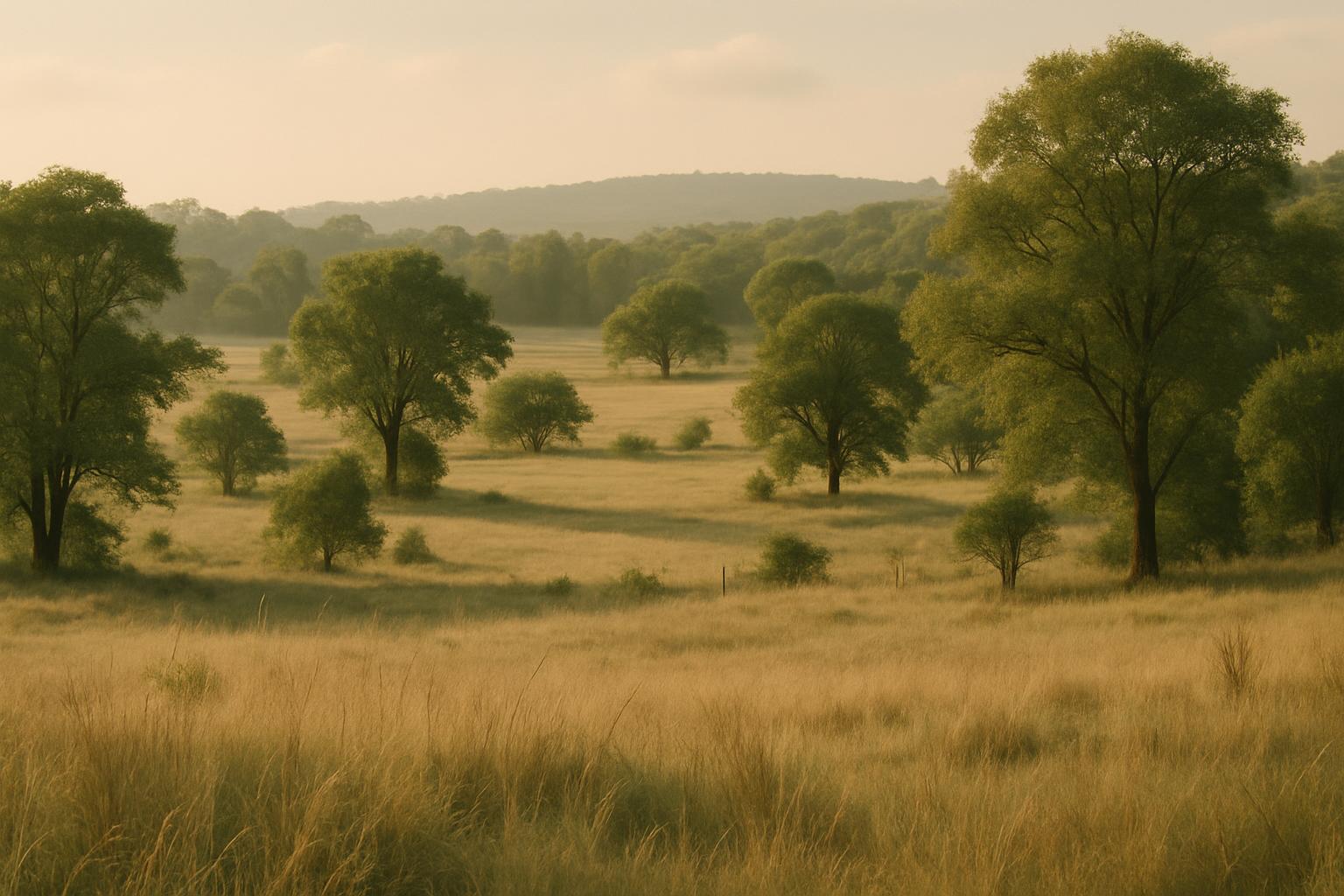
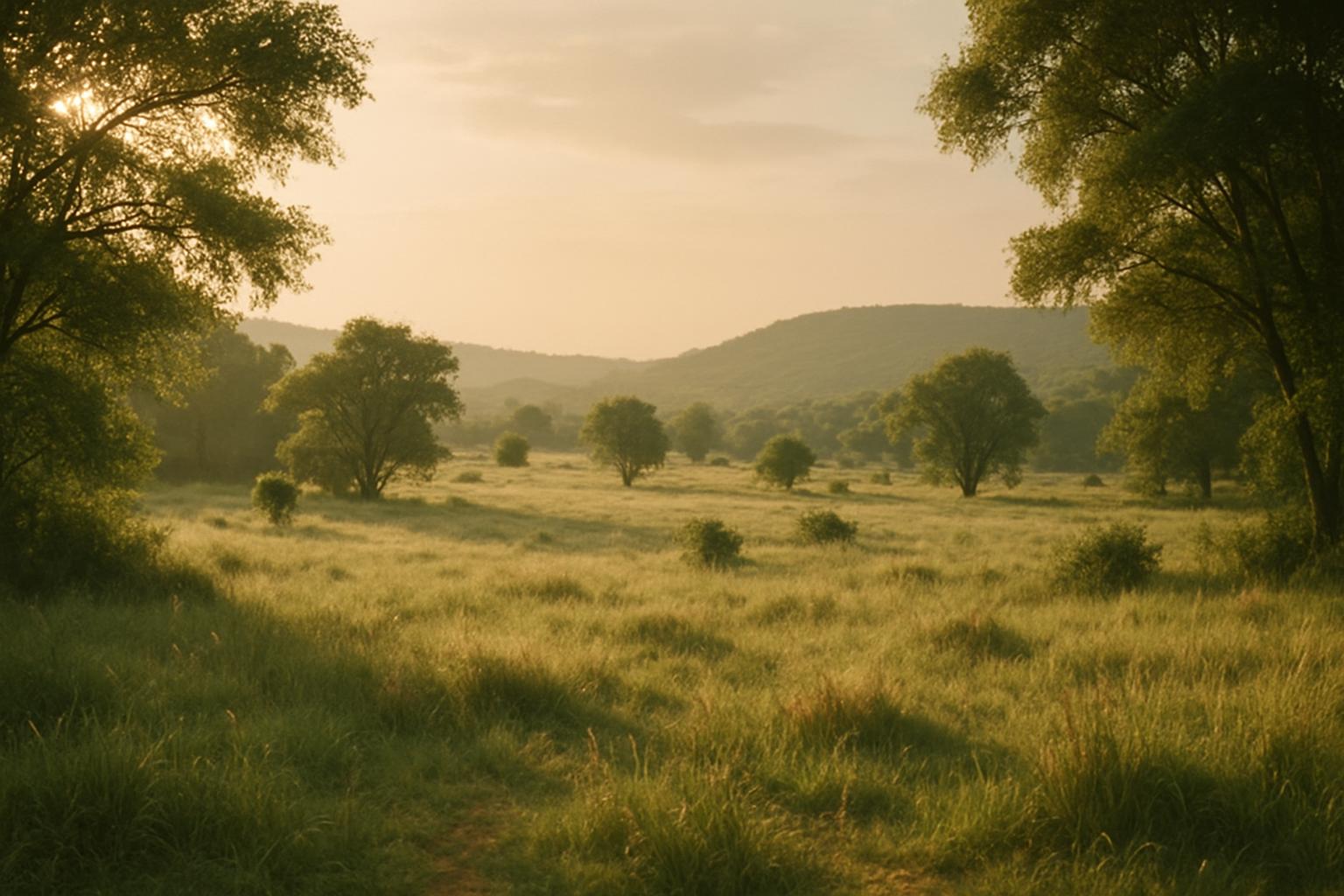
Each camp must fit the type of deer and the surrounding veld. Fallow and red deer need room to spread out, while sika and axis deer appreciate more cover. Quiet access to water points and shade keeps animals moving calmly. Practical design also supports pasture rotation and low-stress handling, making life easier during drought, calving or moving stock.
At Karoo Edge and our education farms, our team uses lessons learned from the Red Stag Highland, Axis Woodland and Border Teaching Herd programmes. We start with proper perimeter fences: 2.4 metre game mesh with secure droppers, double-strained wires, and where needed, an electrified top wire for extra security. Gates are wide enough for bakkies and easy to lock.
Handling races are set up to let deer move at their own pace, with curves and solid sides to reduce panic. Water points are spaced so animals never crowd or rush. In the Karoo, we dig in concrete troughs and bury lines to cope with heat, while in the Midlands and Lowveld, we plan for shade and natural bush cover.
Our team checks every fence line and gate daily from the bakkie and walks the full perimeter each week, looking for dig-marks, loose wires or storm damage. Repairs come before the herd goes back in. Each camp is mapped and logged in our records, with clear signs linking them to the correct permits and stud lots.
A broken fence or an open gate risks permit breaches and animal loss. Antelope, bushpig or kudu can damage wires if they test the boundaries, and in dry spells, warthog may dig under mesh, especially in the Karoo.
Water points can fail in hot weather or with power cuts. We always back up energisers and pumps with batteries or solar, and keep a spare generator on hand for the main cold room and water supply.
Handling races only work if deer feel safe: loud noises, sudden movement or dogs can panic the herd. Our team use quiet voices and slow approaches, and we never rush. Regular training with the Red Stag Highland and Border Teaching Herds helps keep new staff alert to low-stress methods.
Seasons shape how we use camps and manage herds. In the Karoo and Highveld, summer storms can flatten fences or wash out waterpoints, while winter frost can freeze troughs. In strong El Niño years, we watch veld condition, water levels and pasture recovery closely, rotating camps more often and resting some paddocks longer.
National rules on FMD control mean that if there is a local outbreak, no live animals leave without the right state vet permits. This affects how camps are filled or rested and how we plan stud sales and farm visits.
Each year, our team review every camp’s layout, check veld cover, and update firebreaks before the dry season. Staff know the local weather patterns, from berg winds to Midlands mist, and adjust water and shade as needed. If you want to visit a camp or discuss a new layout, please send a message through our contact form to book a time.
Setting up camps
Verified Google reviews