Stories
Education routes that start at the fence line.
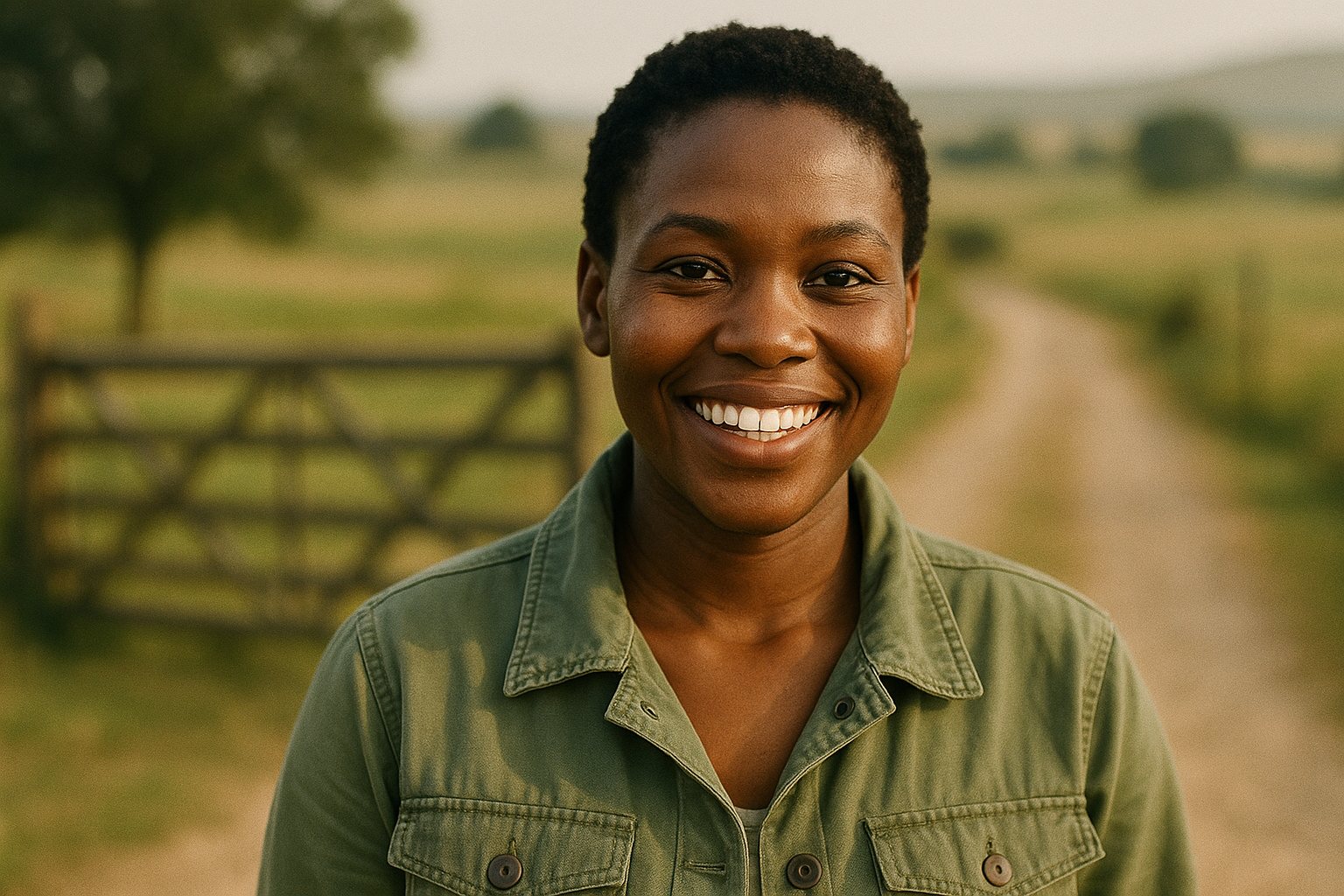
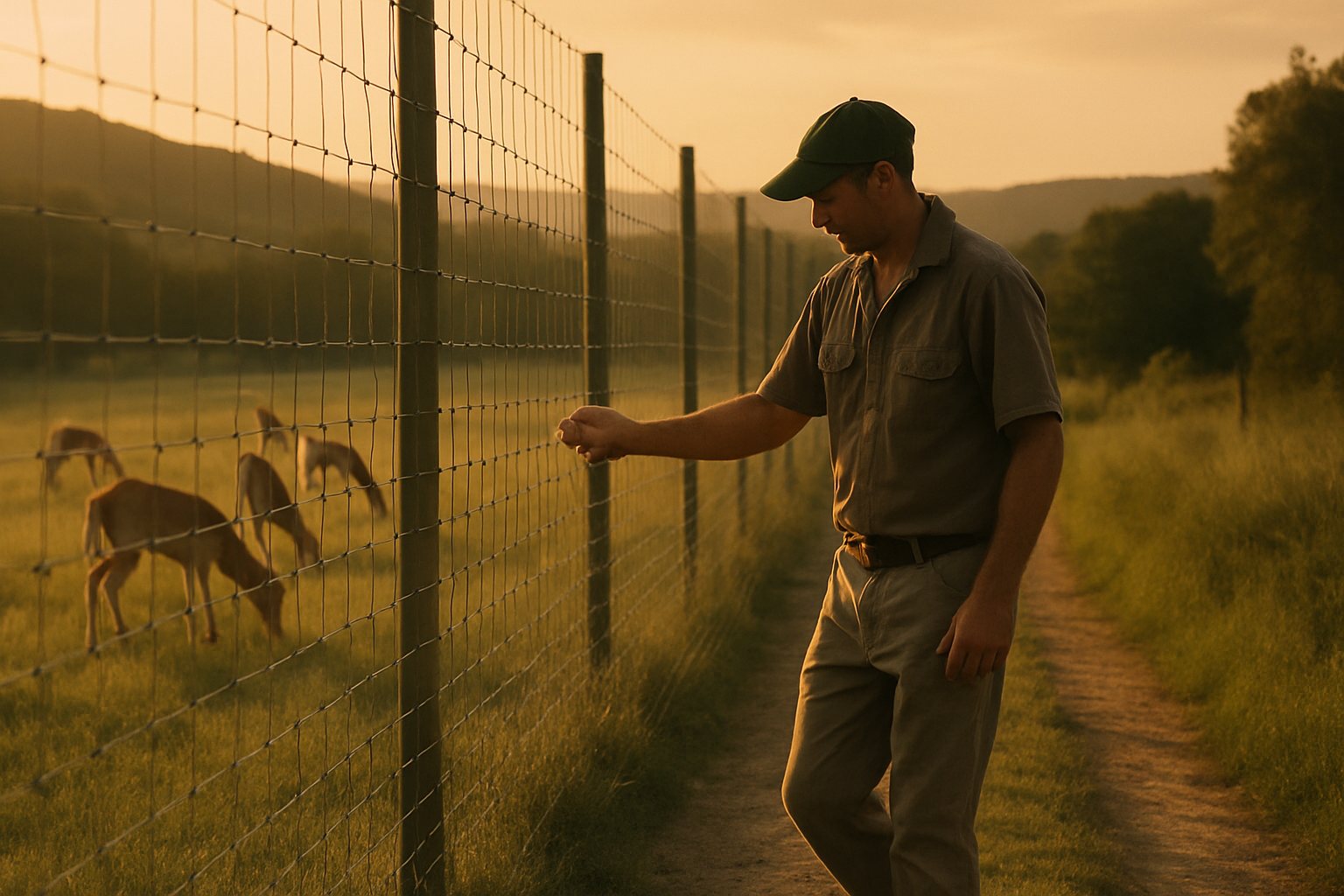
When a group comes to the farm to learn about deer, we always start at the fence. The fence is the first thing students touch and the first thing an inspector checks. On a still morning at our Stellenbosch education gate, I watched a college student run her hand along the wire, tracing our first lesson: keeping the deer in and other animals out.
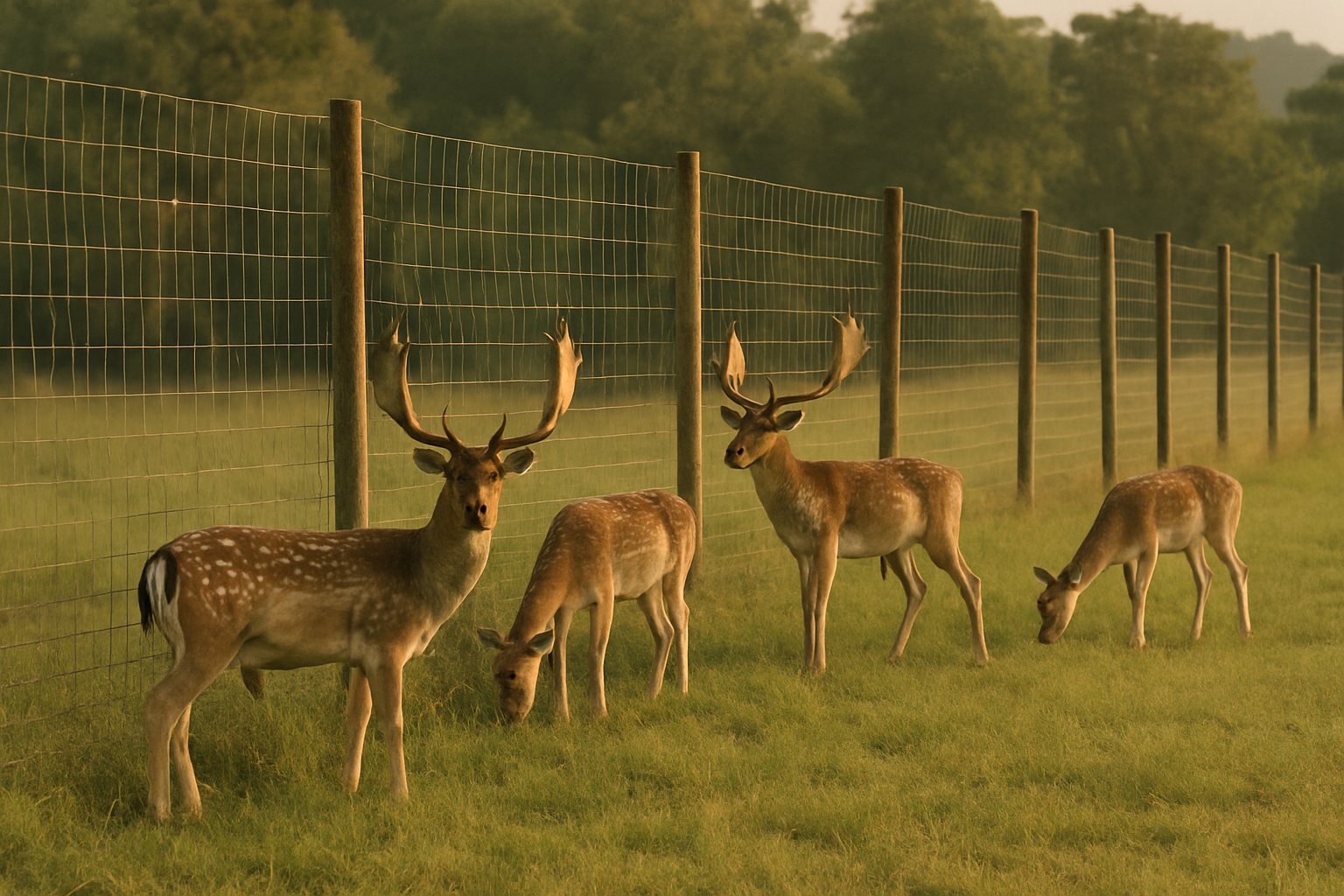
Our Border Teaching Herd lives in the first camp you reach as you arrive at the Stellenbosch education gate. It is planned that way. We want every student, every farm visitor and every new deer owner to meet the boundary before they meet the animals. The permit names that fence line as the herd’s boundary. Because fallow, red, chital and sika deer are all listed as Category 2 invasive species, that fence is a legal requirement. It is the first duty written into the permit, and it is the reason inspectors will come after every storm or every local rumour.
I remember the first time we lost a top wire to a heavy berg wind. That morning, we walked the whole camp before breakfast, checking for gaps. A fallen tree across a corner is the usual way a doe gets out, so we walk the corners first after wind. Every staff member walks the line personally at least once a week.
The herd itself is kept small: quiet fallow does and yearlings that live beside the barn classroom. These animals are part of a working farm. Each one is an example of what the law expects: tagged, recorded, and fenced on the land named in the permit.
Standing with a group of students last spring, I watched our herd husbandry manager show how the gates are designed with double latches and buffer zones. A single careless latch can mean a lost animal, an escaped deer on the wrong side of the law, or worse, a biosecurity breach if you are near an area with foot-and-mouth disease movement controls. That day, someone asked whether wire or a dropper would do instead of proper latches. Our herd husbandry manager showed them a latch that had worked loose in one season and explained why only proper latches are used.
Teaching the fence line means admitting our own mistakes. In the early years, we once underestimated how quickly a yearling buck could test a line after a summer thunderstorm. We had to repair a whole stretch of corner posts after a flash flood softened the ground overnight. Students remember these moments long after the visit.
Power cuts caught us out as well. The electric fence energisers need a backup plan for when the power is out. Now we check battery charge and solar panels each morning as routinely as we check water troughs. Skipping those checks is how a camp ends up with an escape report to the state vet.
We find most faults on foot rather than from the bakkie. Fresh tracks along the wire usually show where the next weak spot is.
Every teaching day, I show visitors how to walk a boundary with purpose. We look for fresh holes where porcupines or jackal have dug, rub marks where a buck has tested the wires, and places where the wind has shifted a strand. Our main focus is always the safety of the herd and staying within our permit.
We make time for questions and hands-on checking. In El Niño years, the pasture dries at the edges early, which means the animals will test the fence for new growth outside. We show students how to spot the warning signs early, and what to do before it becomes a crisis.
Written by
Fence lessons start beside the camps of the Border Teaching Herd.