Practice
Hands-on farm routes for schools and colleges offer real-world deer farming education in the veld.
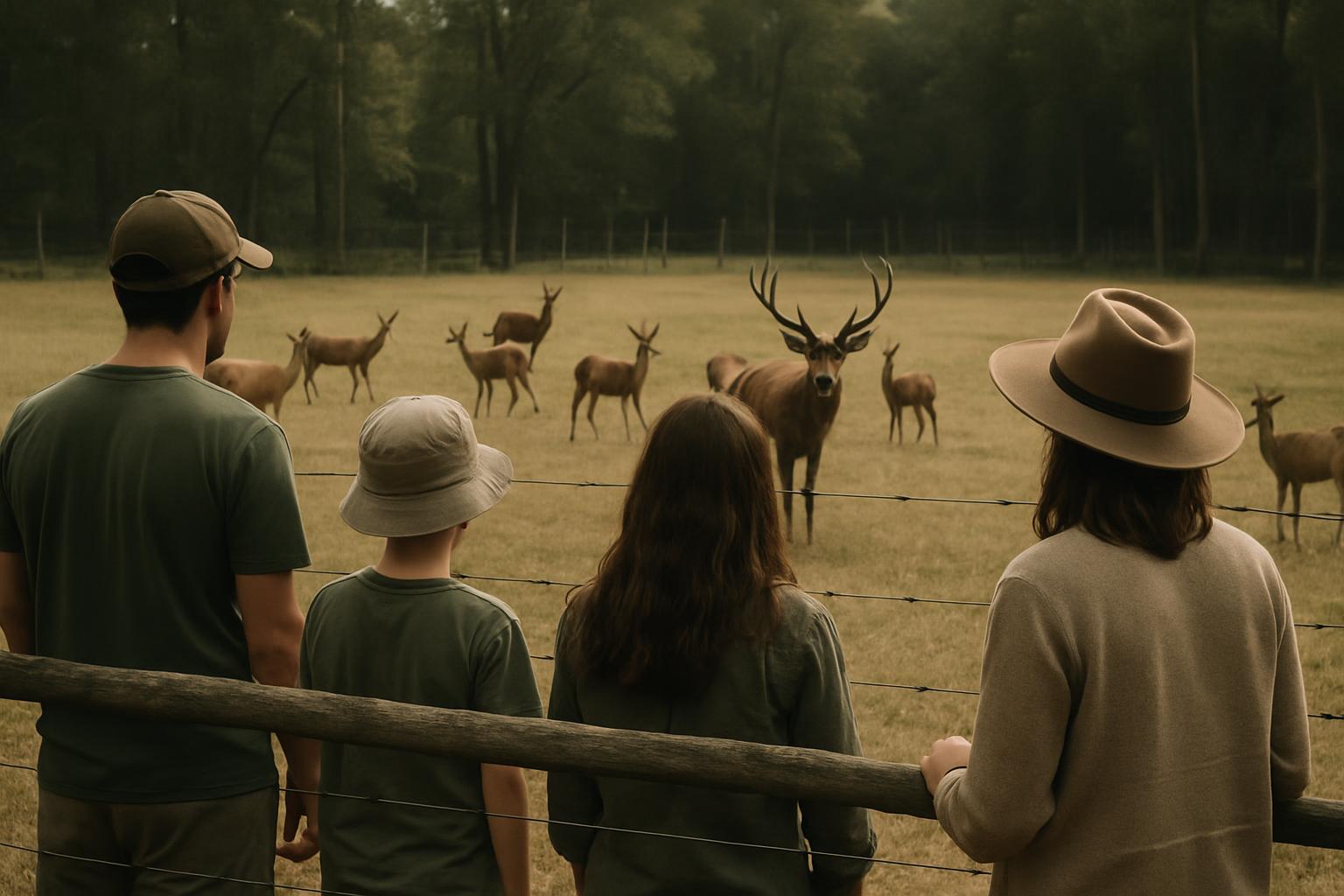
On our farms, visiting groups learn about legal, practical and welfare aspects of keeping four deer species on South African farms. Routes are led by our team, with live animal demonstration camps and barn classroom sessions.
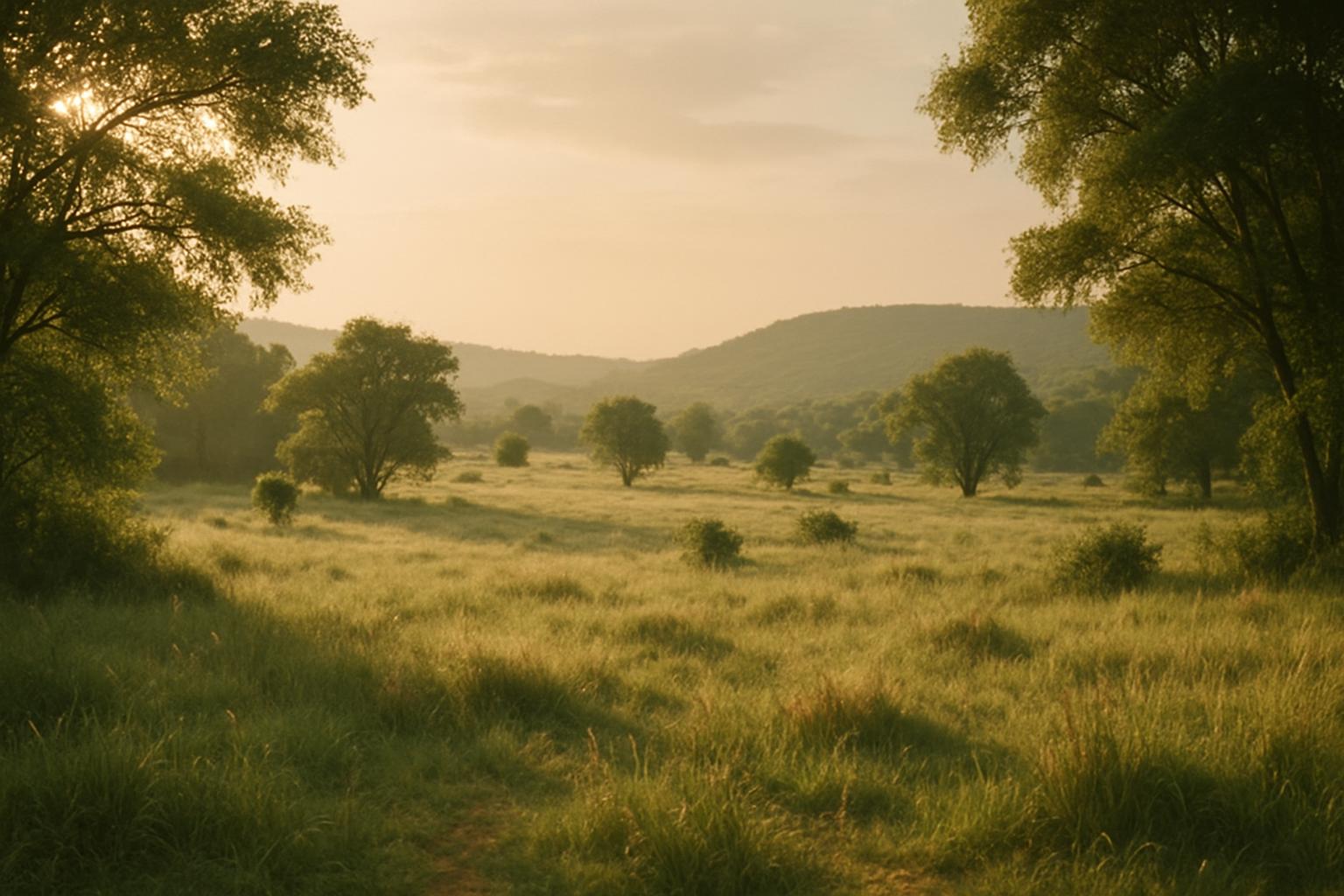
On a working South African deer farm, the educational day covers handling, fencing, records and a walk through the veld. Learners, student groups, and college lecturers see first-hand how fallow, red, sika and axis deer are managed under permits, with working examples of veld camps, rotational grazing, and welfare checks. This is a chance for schools, TVET students, and agricultural colleges to connect curriculum to farming under NEMBA and animal health laws.
Our education farms run on active learning: students handle feed samples, inspect perimeter fencing, step through disease biosecurity, and learn why hoof checks, shade and cool water matter for deer. Sessions are shaped for each age or study level, from primary learners to advanced agri-science groups. We host them by appointment, keeping groups small for safety and attention.
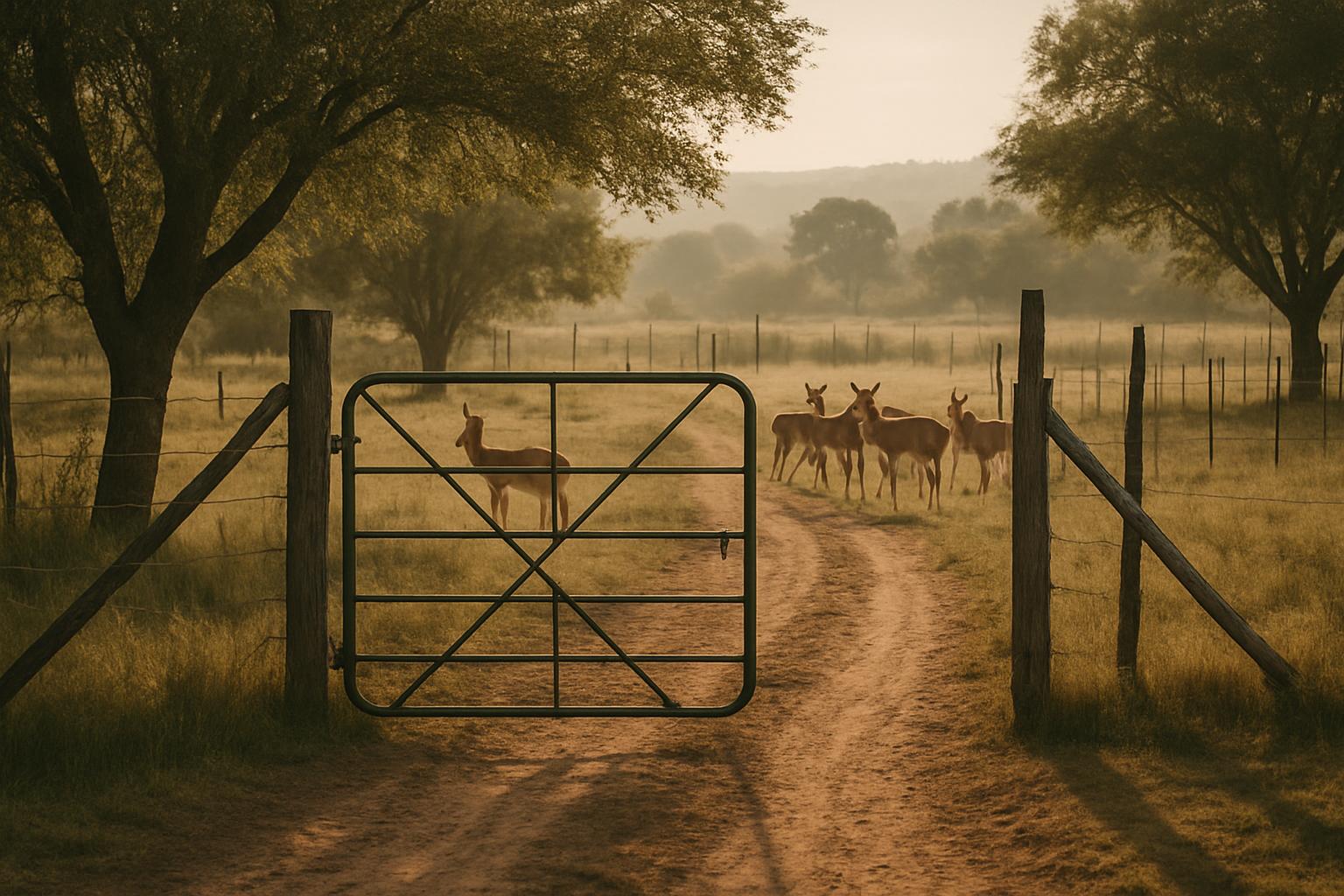
Each booked visit begins with a safety and biosecurity briefing at the farm gate or barn classroom. Our farm visits coordinator leads most routes, supported by our herd husbandry manager (herd handling), our venison provenance manager (venison provenance and cold chain), and our stud records lead (stud records and genetic lines). At Stellenbosch the route passes the Border Teaching Herd camps beside the barn classroom; at Karoo Edge it passes the Conservation Genetics Line camps; and on Midlands visits near Howick it goes into the Axis Woodland camps for woodland behaviour and habitat work.
Students move through practical activities: veld plant ID, water point checks, shade structure inspection, low-stress handling demonstrations, and viewing handling kraals and a stock trailer. In the barn, our veterinary liaison officer covers veterinary oversight and why animal welfare comes first. Debriefs round off with a Q&A, and each group leaves with a summary pack on deer farming basics.
Weather shifts, animal behaviour and school group logistics can cause disruption on educational farm days. Spring and summer heat, berg winds or Midlands mist may move sessions inside, while deer in rut or calving season need extra distance. Our team checks route camps the day before each visit for fence integrity, shade, and water, and we have backup plans for every stop, even bringing the Border Teaching Herd into kraals if needed.
Biosecurity is a top priority, with strict entry cleaning and movement rules. Every visitor changes shoes or boots at the gate, and handwashing is enforced before touching any equipment or animals. We monitor FMD area notices and, if movement controls apply, adapt routes or postpone groups, always putting animal health before the calendar.
Educational farm visits work best in the cooler mornings of autumn and late winter, when deer are most active and veld plants are easier to identify. During El Niño years, we adjust activities for heat and dry veld, with extra water and shade stops, and shortened walks. Heavy summer rain may close some routes for safety, but barn classroom work continues regardless.
Permits for deer are always explained on the route, as each group must understand why fencing, permit records and legal movement are so strict. Staff rotate between education days and main farm duties, so visits must be booked well in advance. For bookings or further information, send a message through our contact form and our farm visits coordinator will guide you through timing options and preparation for your group.
Days on the farm
Verified Google reviews