Conservation Genetics Line
Conservation genetics runs in the veld, season by season, with practical routines and daily attention.
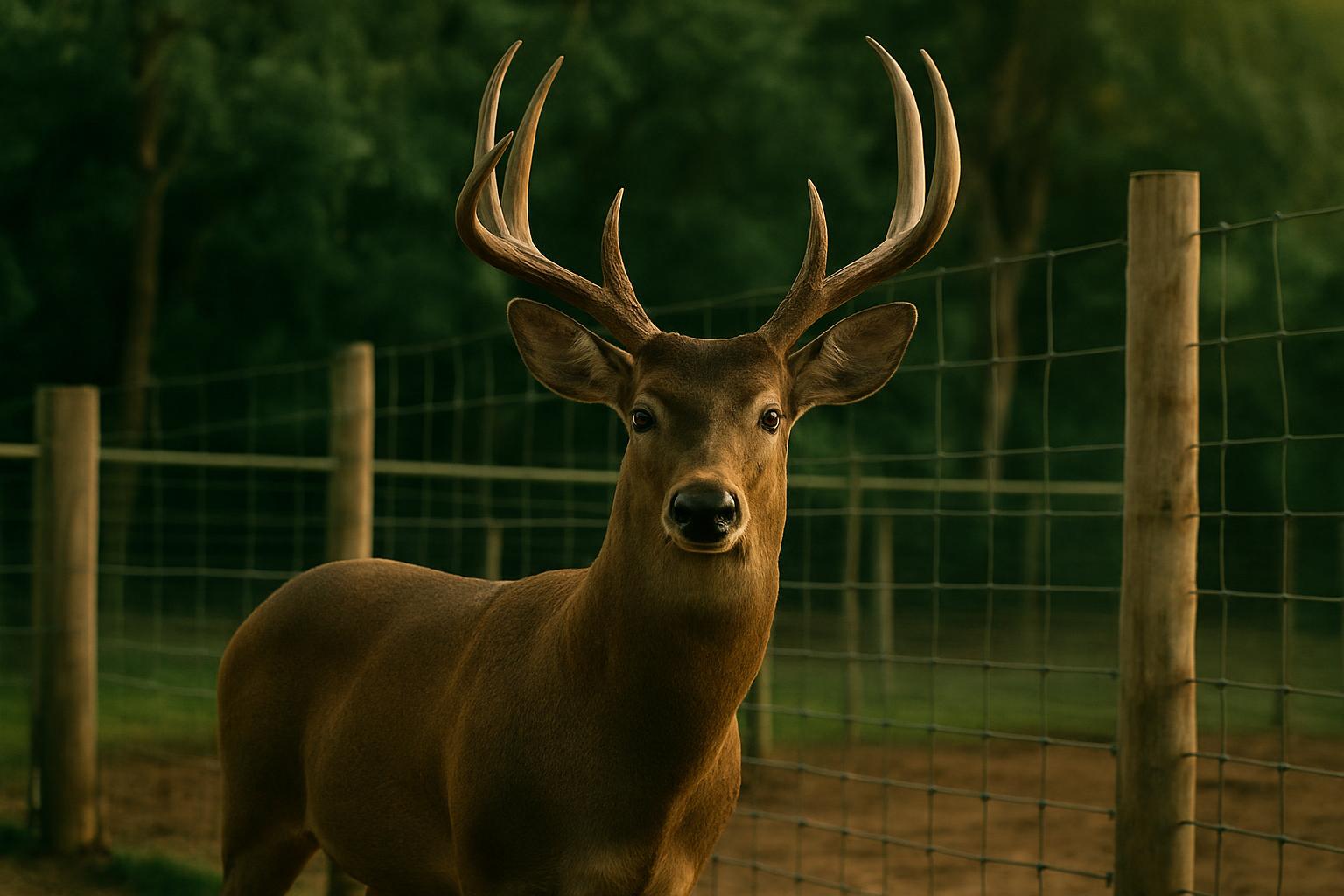
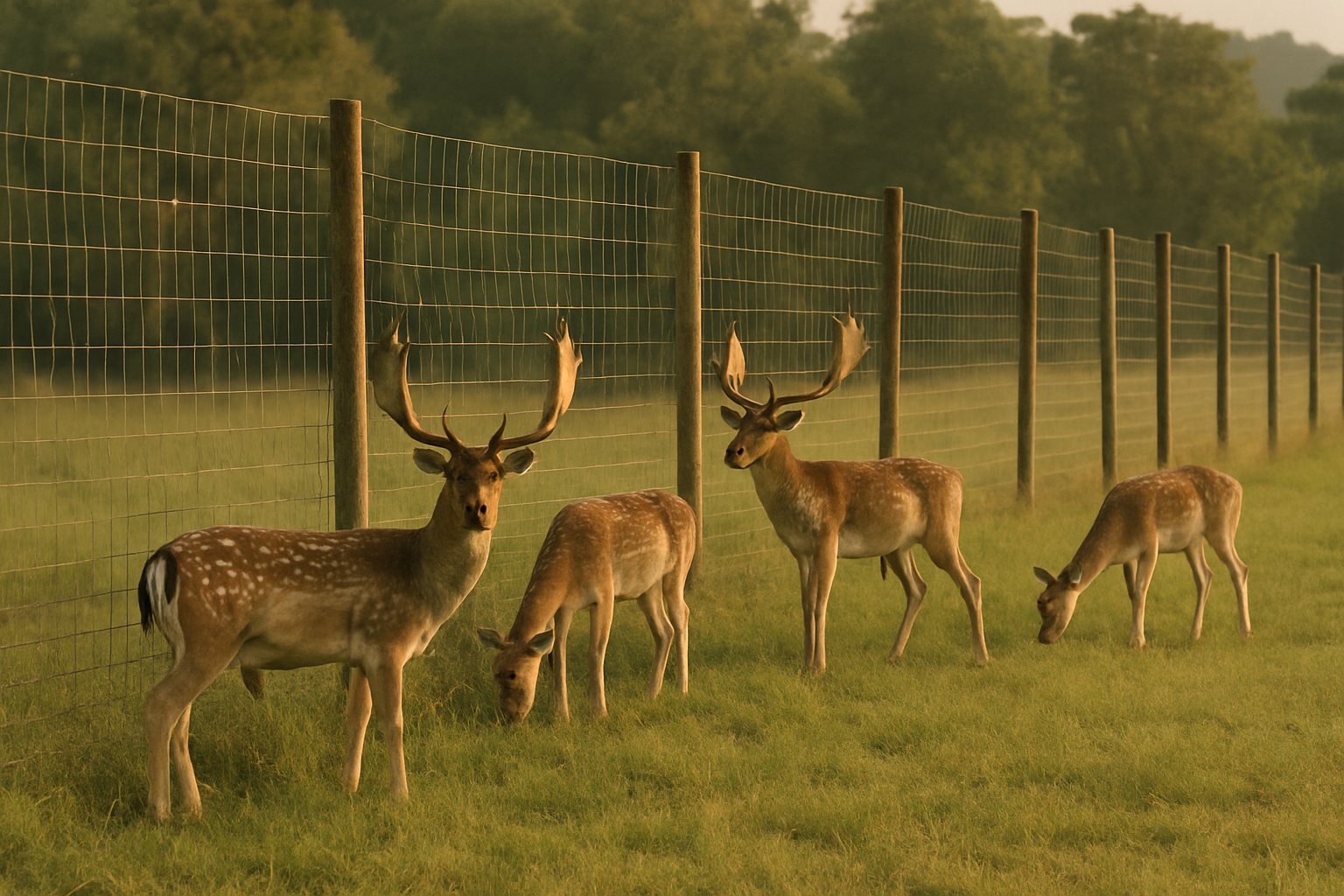
Our Conservation Genetics Line follows the natural rhythm of the veld. The fallow and red deer rut begins as the Karoo nights turn cooler in late autumn, with stags calling and marking. Calving or fawning follows in early summer, when the veld is at its richest. We watch closely for easy births and good mothering. Velvet and antler casting is timed by species and overseen by our veterinary liaison officer and our herd husbandry manager, who monitor stags for health and calm handling throughout. In the dry months, our pasture and forage manager keeps careful forage records, topping up with veld hay and mineral licks as needed, especially when a strong El Niño is forecast.
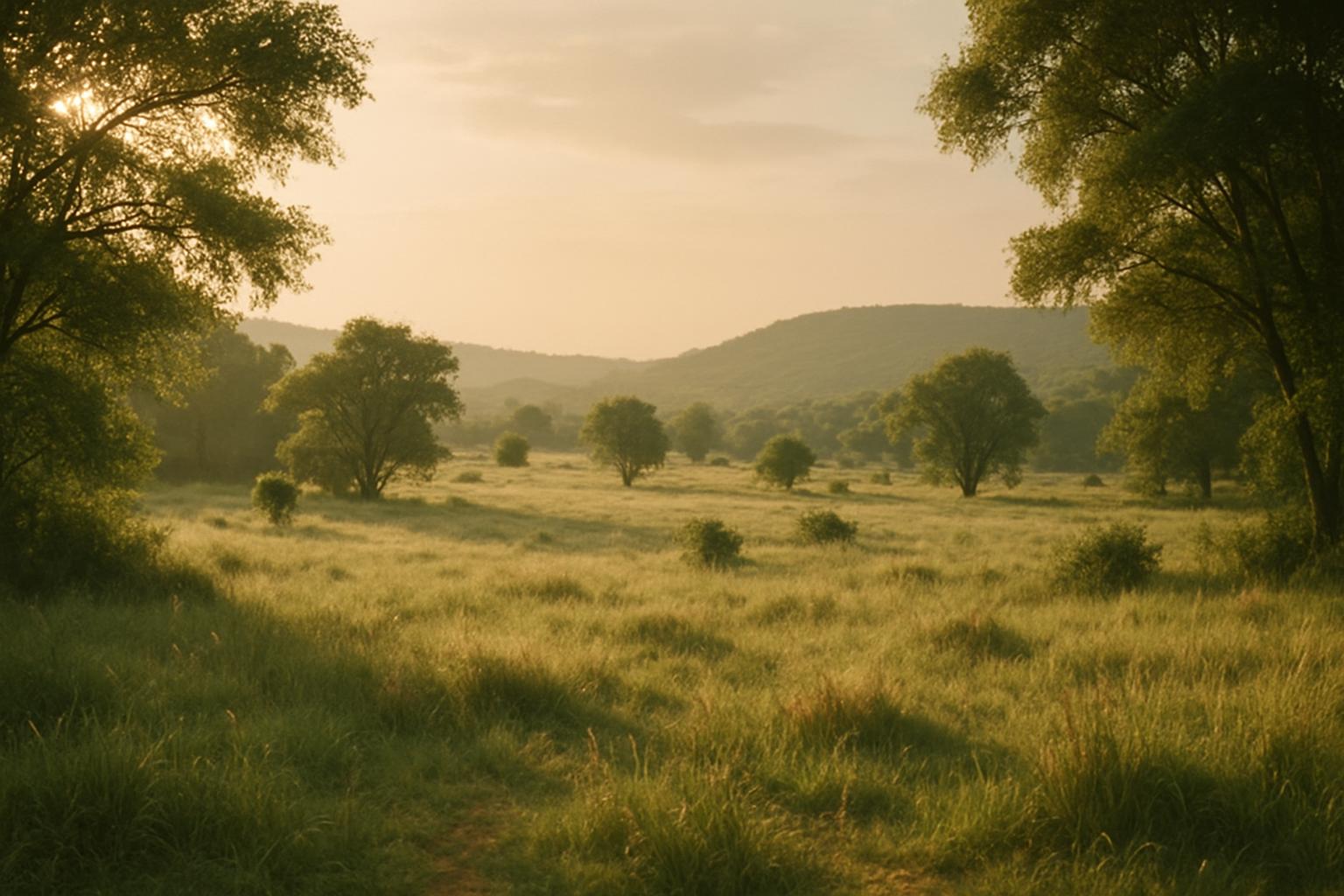
Each genetic group lives in its own veld camp, fenced to the height required by permit. Camps are sized to avoid crowding but compact enough for regular inspection. Our pasture and forage manager checks natural grass cover and shade every week, especially in hot spells. We believe in mobile shade and water points, so animals always have access, and we rotate camps to prevent pasture stress or parasite build-up. Solar and battery backups keep water troughs and electric fencing safe even when the Eskom grid is unreliable. Salt licks and clean water are checked daily in summer, and we record all changes in pasture to keep carrying capacity in balance.
All handling is planned months in advance, with our herd husbandry manager leading the low-stress programme and our farm visits coordinator overseeing visitors. Handling days are timed to avoid peak heat or fawning stress, and always use the kraal and race built for calm movement. Our veterinary liaison officer arranges annual vet checks for each group, with extra attention if any animal shows lameness or drops condition. Foot-and-mouth disease controls are followed when moving stock to new partners, with strict biosecurity for anyone entering a breeding camp. Education visits for college groups are fully supervised, with everyone required to disinfect boots and hands before entering. These routines ensure the health of each bloodline and the whole herd.
Days on the farm
Verified Google reviews