Our field staff brief every group before they walk into a deer camp. On our farms, visitors play a part in keeping the herd stress-free, especially when we open our gates for farm visits linked to our Axis Woodland programme.
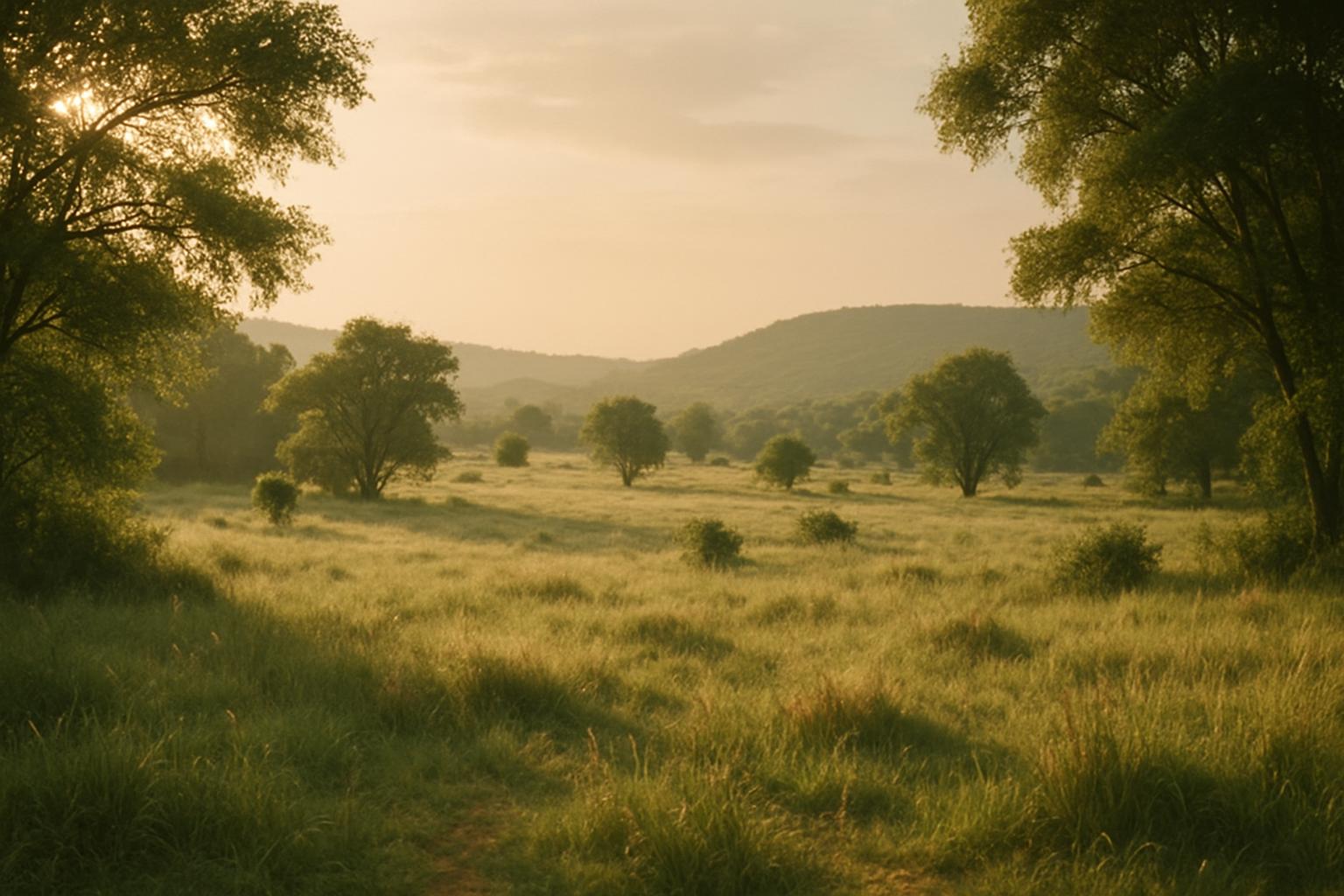
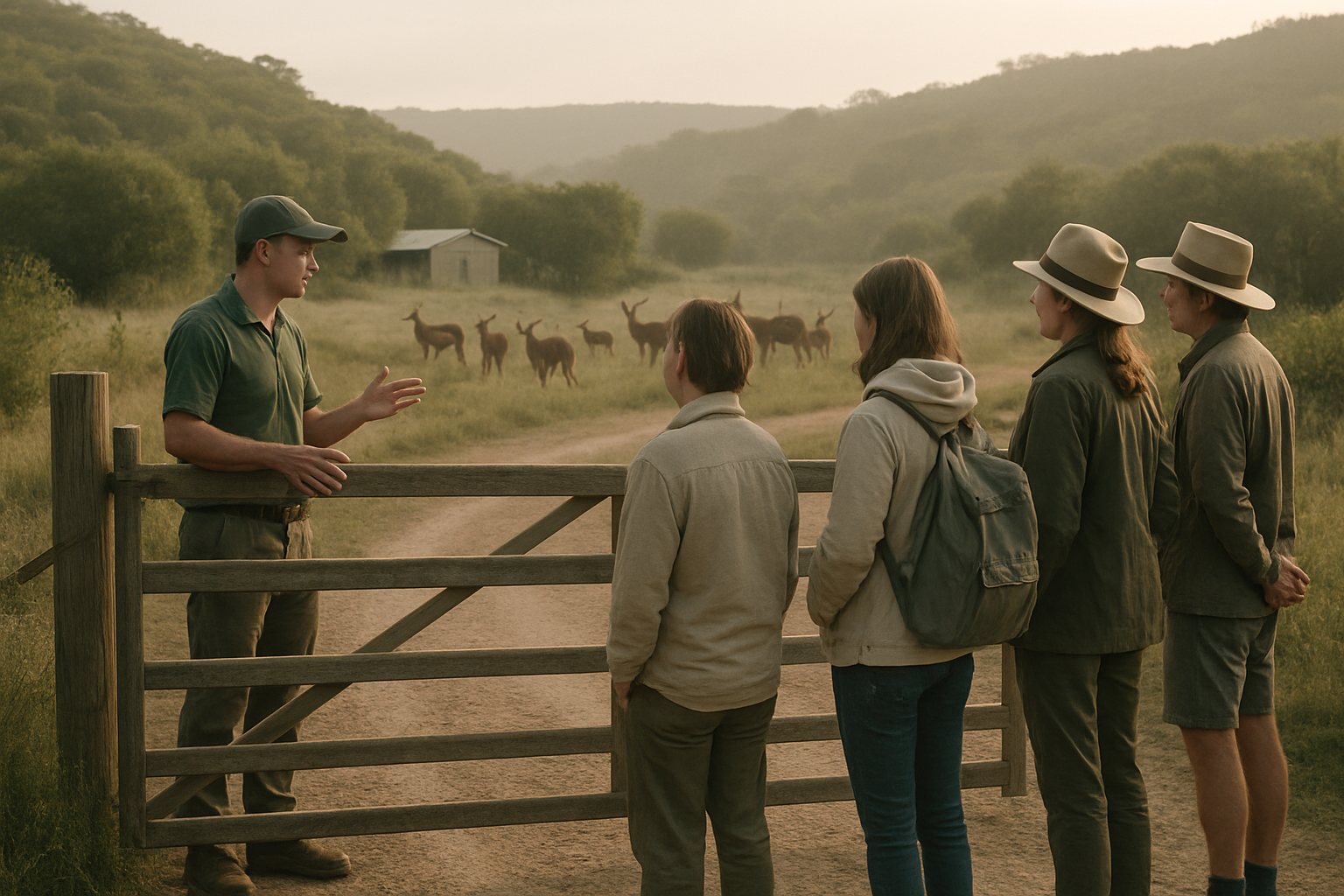
One morning last autumn, I led a small group from an agricultural college out to the chital deer pens. Mist hung over the veld, and the axis deer moved quietly through the acacia, their dappled coats almost blending with the shadows. We paused at the camp gate and, just as I reminded everyone to stay quiet, a student accidentally banged his water bottle against the post. Instantly, the lead hind pricked her ears and the whole group tensed. I saw how even a small clatter can ripple through the herd, making them bunch and raise their heads, on edge for a long time after.
That is why every group hears the gate rules before the walk starts. A herd startled by people can take an hour to settle again.
Before any visit, we brief groups on the basics: walk slowly, stay together, and speak in soft voices. We ask guests to leave bags and bright jackets behind, and to keep movements smooth. Even the way you open a gate, with both hands and gentle pressure, helps to avoid sudden noises that can set off a flight response.
We also check boots for mud and seeds, especially when moving between camps, to prevent the spread of weeds or even disease. Our axis deer, like all the species here, are cloven-hoofed, so we are careful about anything that might compromise biosecurity, especially with the latest warnings about foot-and-mouth disease controls.
We have not always got it right. In the early days, we once allowed a visiting group to scatter along the fence-line, trying to get close for photos. The deer circled and bunched, increasing the risk of injury or fence damage. After that, we set two rules: only the guide opens gates, and visitors stay with the group at all times. Too many people, or one person lagging behind, can upset even the calmest herd.
Now, every visit is tightly managed. No surprises, no sudden movement, no loud greetings, especially in the camps with younger animals or when the stags are in velvet. We want guests to enjoy seeing the natural pace of the herd without becoming the reason it changes.
The chital, or axis deer, are alert by nature and have strong herd bonds. When we disturb them, especially in the woodland camps, it sets back our work in low-stress handling. Calm herds eat, rest, and grow better, which is vital for welfare and for the conservation genetics we record with our stud records lead.
With the dry conditions forecast by the South African Weather Service this season, we also need to avoid stress that could affect calving and condition. Fewer disturbances in the fawning months mean fewer fawns left behind when hinds bolt.
If you join us for a farm visit, please follow the guide’s lead at every gate. For more on visitor days or to book, send us a message through our contact form.
Written by
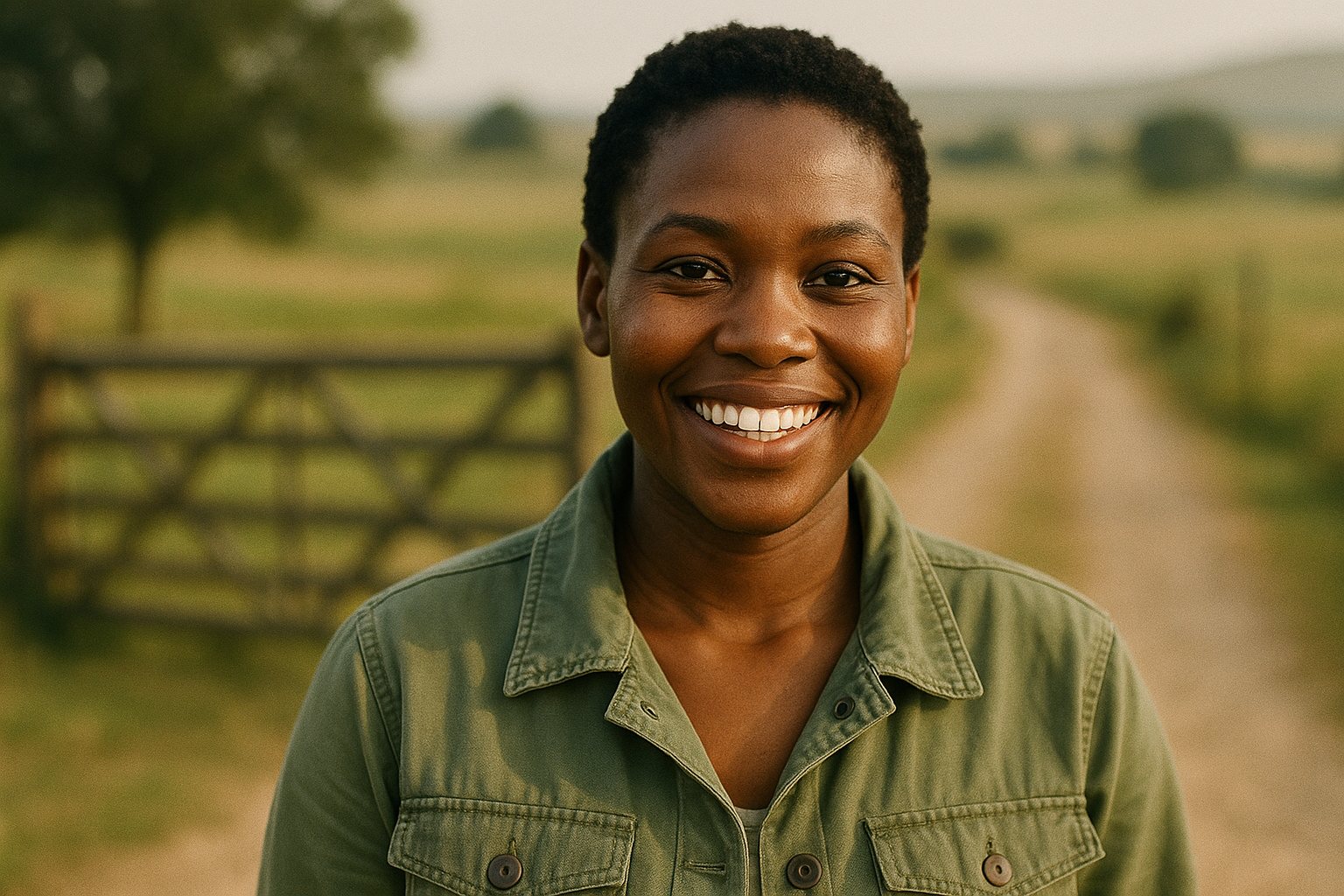
Visitors meet the calm herds of the Axis Woodland on marked lanes.