Stories
Planning the harvest window around lodge menus.
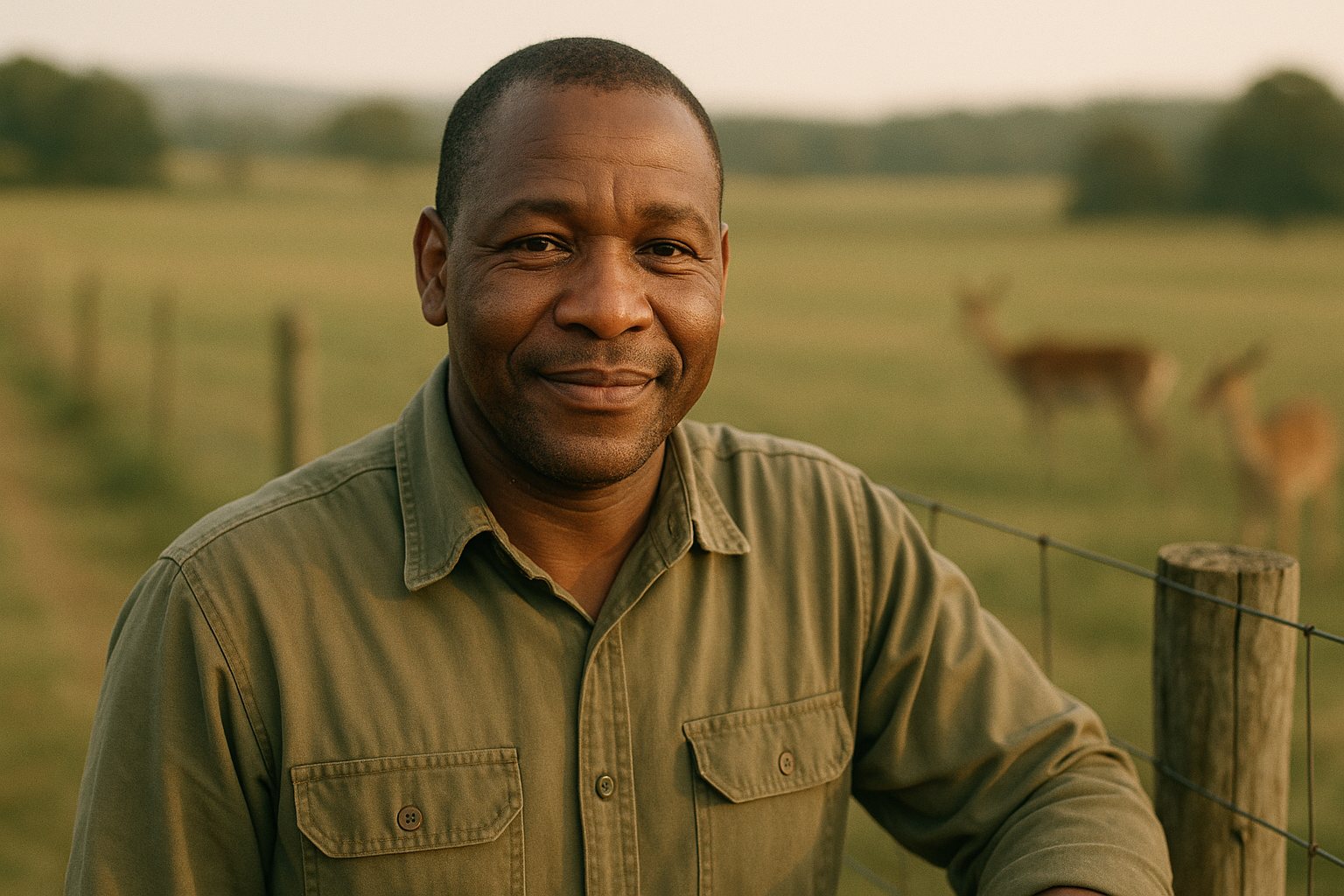
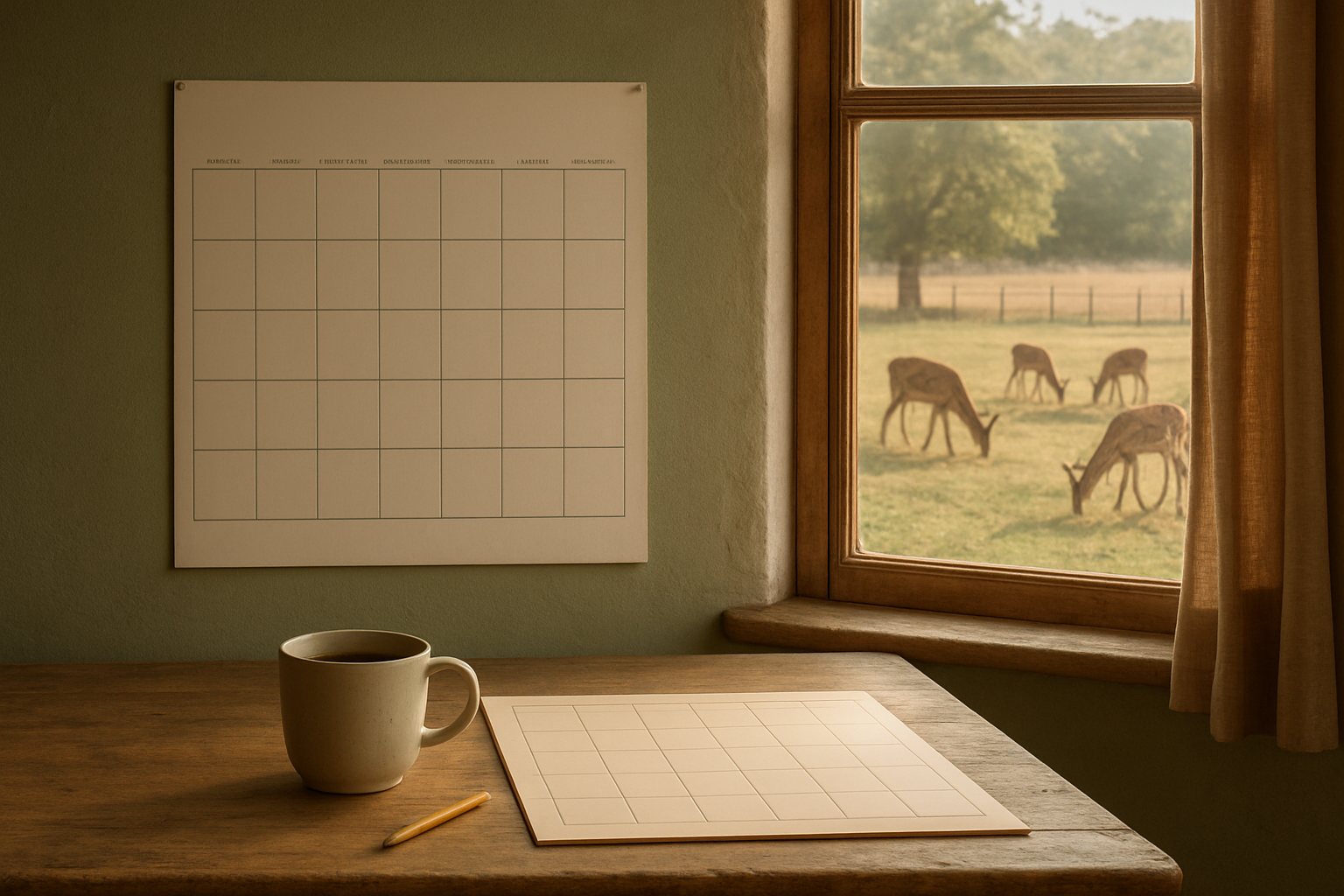
On Karoo Edge Farm, the calendar pinned to the kitchen wall runs the herd year alongside birthdays and holidays. It is where we plot the cycles of our deer, the changing veld, and the orders from chefs who want their venison true to season. Every week, I cross the yard from the kraal with a notebook and an eye on the next harvest window.
The kitchen calendar fills up for our one harvest window, July to September, when the lodge supply herd is in its best condition. Fallow and red deer follow the rain and the veld flush, the same as the old sheep flocks did here. We walk the camps regularly, watching for how the animals are feeding, checking for velvet stags and pregnant does, and matching what we see to the orders on the list taped to the fridge. Lodge chefs ring in with requests for young venison or a particular cut for a new menu. If the veld is thin or the body condition dips after a run of berg winds, we mark a pause and let the herd recover. We book each harvest date two to three weeks ahead.
In the Karoo, a dry month can push a booked date back by two weeks. We have missed a planned window before because spring came late and the grass never made up. That taught us to give the animals the extra weeks, so a regular client never receives tough meat from a rushed harvest.
Every order starts with a named lot, which we tag in the field and track through the abattoir. Our venison provenance manager and I talk through the kitchen list each Monday, matching the chef’s menu to our actual animal condition. Restaurants ask for fallow loin for their spring menus, and we book it into the September end of the window only if the herd is ready. For big lodge events, they might ask for a wider mix: shoulders for slow-cooking, ribs for smoking, stewing cuts for winter evenings.
Our calendar squares get notes about veld readiness, cold chain checks, and abattoir slot dates. Predicting when the animals will be right takes careful watching, so we confirm a date only once the herd is ready. A hot spell in September once set back a whole order, so we keep backup plans, and everyone gets updates if the veld turns.
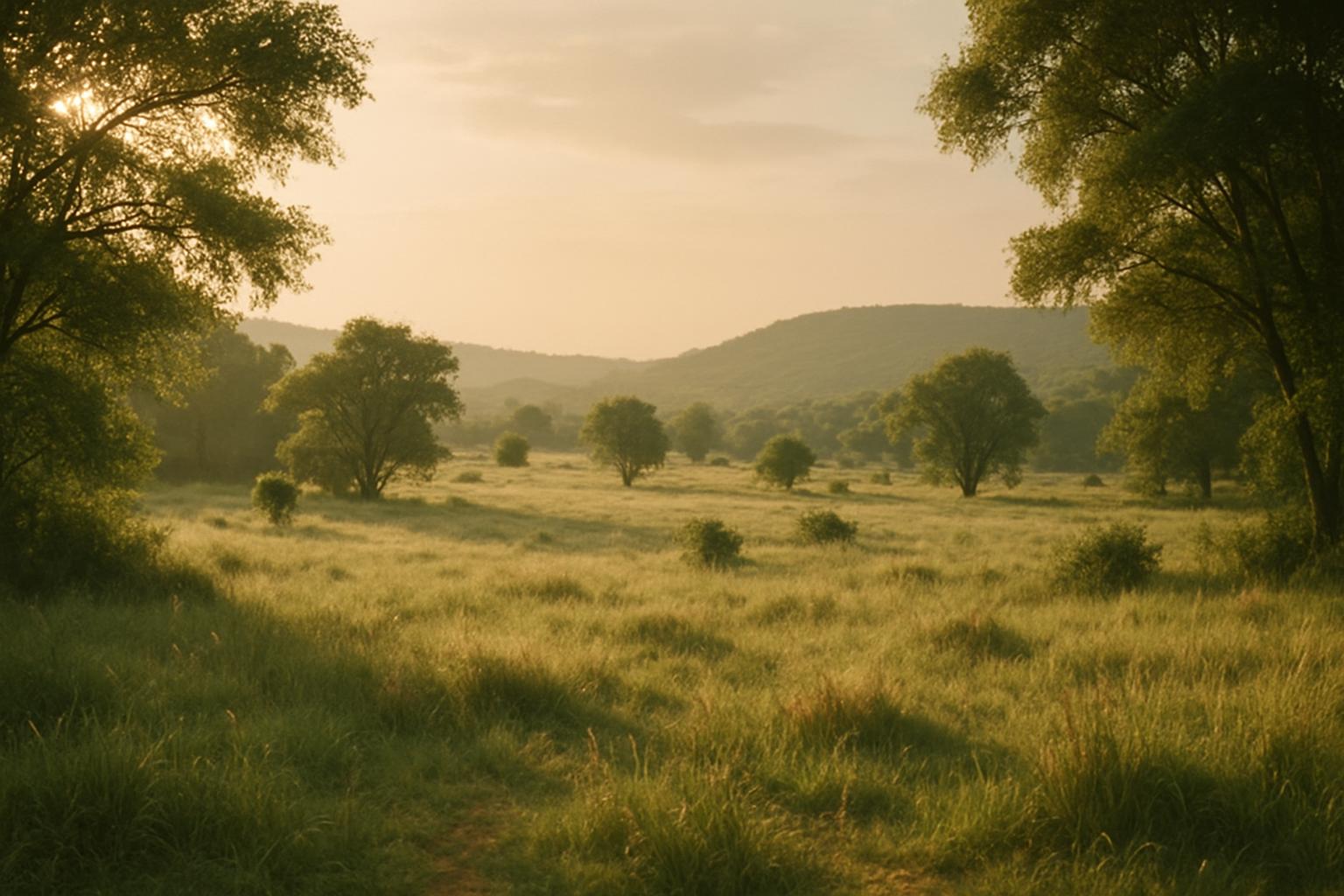
Before any harvest, I do a walk-through of the camps with our pasture and forage manager. We check water troughs, shade, and forage, and more often in El Niño years. If the veld is slow to recover, we adjust the lodge supply herd’s grazing to spread the pressure out. The deer’s coats and movement tell us a lot. If they’re tucked into shade at midday or bunched by a windbreak, we know to hold back.
On one August morning, I found a group of fallow does under the pepper trees, chewing lazily with bellies full. That told me they were content and grazing well, and we could go ahead with the small lodge order that week. These are the details I look for on every walk.
We’ve learned that each valley and koppie has its own rhythm. After a dry spell, the deer sometimes need extra weeks on green veld to put on the right condition. A few years back, we rushed a harvest for a big lodge event and the meat wasn’t as tender as it should have been. We have not booked a rushed date since.
Now, we plan extra time between the kitchen order and the abattoir booking, and we always keep an eye out for signs of sudden veld stress. If a cold front sweeps in or if the spring rains skip a week, we phone the kitchen and update the menu plan. The kitchen calendar follows the pace the animals and the veld set.
Written by
Harvest dates for lodge kitchens are planned around the Lodge Supply Herd.