Stories
Provenance packs chefs file with their orders.
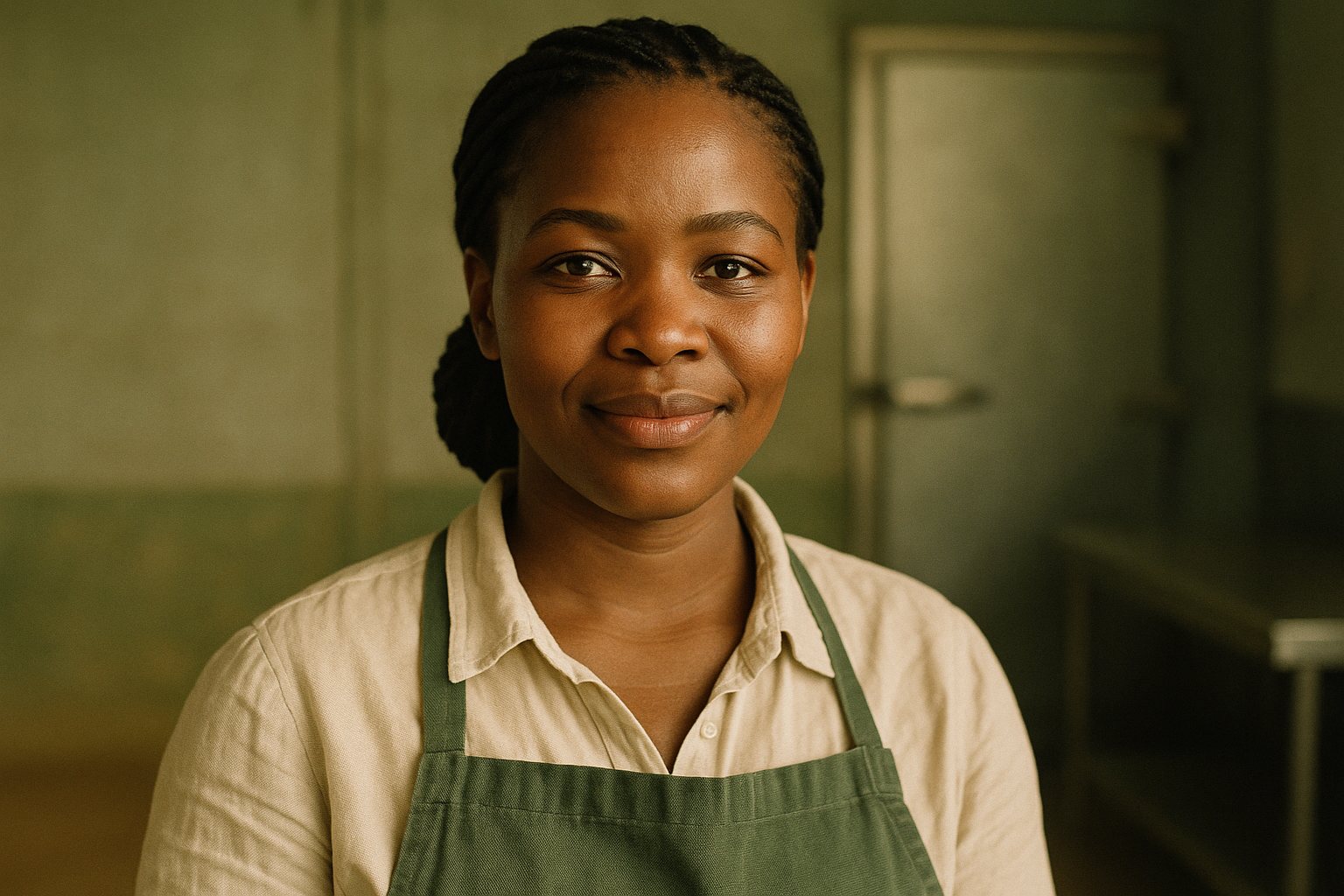
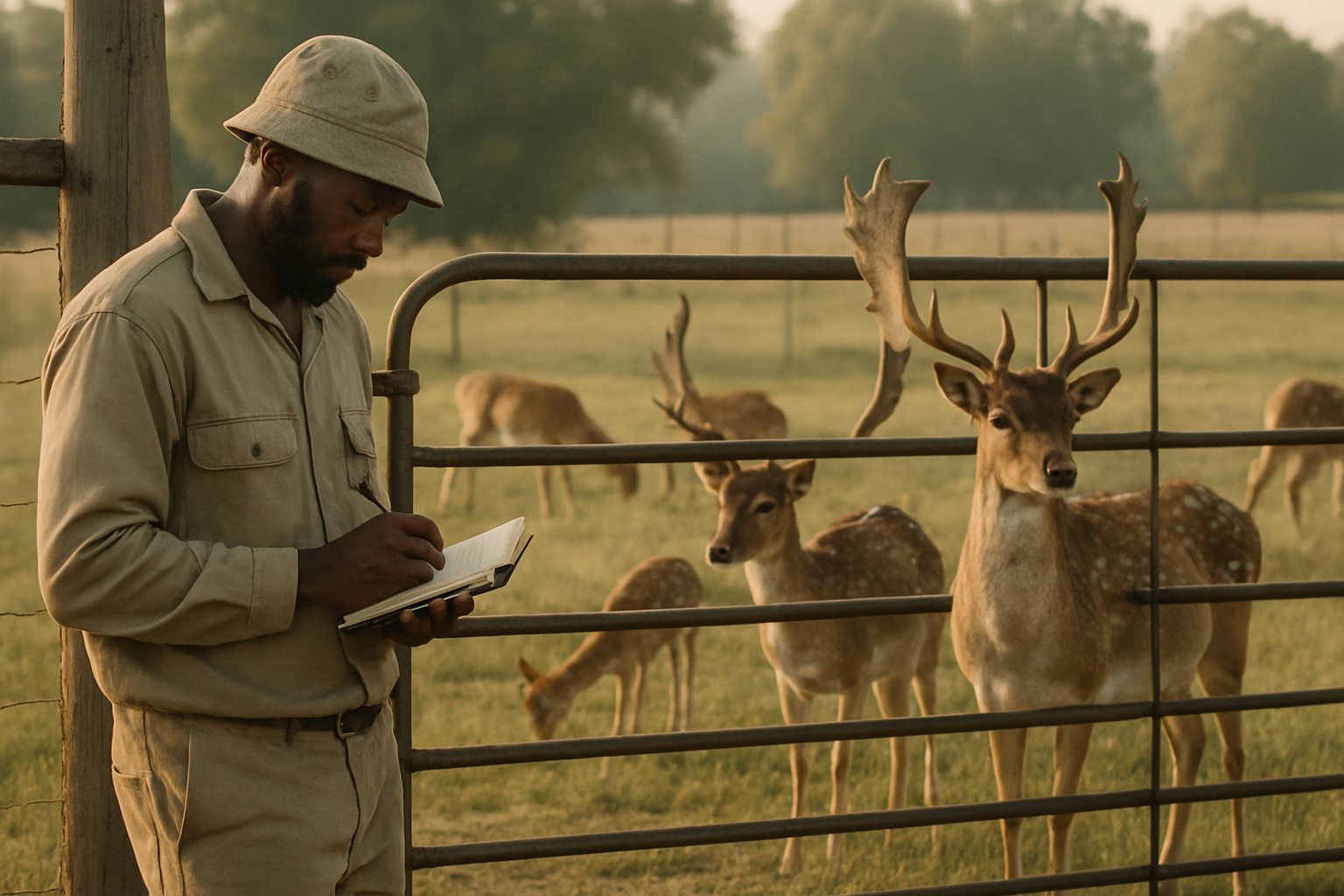
Some of the best kitchen moments start when a chef asks me, 'Which camp was this fallow buck from?' The answer is on the provenance pack that travels with every venison lot. Those packs are built from our record-keeping at Karoo Edge, where every batch has a name, a camp and a route through the veld.
We keep clear records on every lot of venison that leaves the farm for a restaurant or lodge kitchen. Each batch is named for a camp, a veld block, or even a single day’s work with our team. For example, last September, we sent out venison from deer loaded just after the first misty rain on the Karoo veld, and we named the lot 'Camps 4 Upper, Early Mist.' That name went onto every provenance pack and onto the chef’s order sheet.
Chefs tell me they love this. The name also gives the kitchen something to put on the menu. They can say to their team and guests: 'Tonight’s venison loin came from veld where the bushman grass was sweet after the rain.' Several chefs print that line on the menu card.
Each provenance pack we prepare includes the camp or veld name, species, date of harvest, and a short veld note. We add the cold chain trace, so the chef knows the deer travelled live from our camps to the registered partner abattoir, and how the venison moved from the abattoir chill room to the kitchen. When chefs or butchers get their box, they can read exactly where the venison was raised, how it got there, and who handled it along the way.
I check these records myself. If the veld was dry from a berg wind, or the animals were moved for pasture rest, I note it. That way, chefs know if a batch came from deer grazing on lucerne close to the windmill, or from our drought buffer camp after the last El Niño heatwave.
I still remember one winter when we sent out a batch labelled just 'mixed venison, Karoo Edge.' The chef phoned to ask, 'But which camp? Which veld?' That was a fair question. We had not kept the right details, and the provenance pack was useless to them and to us.
Since then, we never let a lot go out unnamed, and never with vague info. Now, I double-check every entry: which animals, which veld, which rest cycle. Chefs keep our packs on file, and they want the details to be specific. It helps them plan menus, talk to guests, and build trust with their own teams. If a delivery ever comes through without its paperwork, we send it again, properly named, by bakkie if we must.
Each lot reflects the month and camp it came from. In the last El Niño year, an early warning had us using our drought buffer pastures much earlier than usual. We kept clear notes on every move, because the veld was drier and the forage different. Each provenance pack tells the chef if the deer fed on winter wheat stubble, sorghum, or veld grass after a rare Karoo drizzle.
When conditions shift, so does the taste, texture, and even the colour of the venison. Chefs use those notes to decide how to cook each lot.
Written by
Every named lot a chef receives can be traced to a Farm Table Venison camp.