Every spring, as the first tourists begin to trickle into the Lowveld lodges, our work with the Lodge Supply Herd shifts into high gear. The bushveld is waking up, and the calendar on my bakkie dashboard starts to fill with dates for chef orders and lodge deliveries. We fix dates around local rainfall, veld condition and guest bookings.
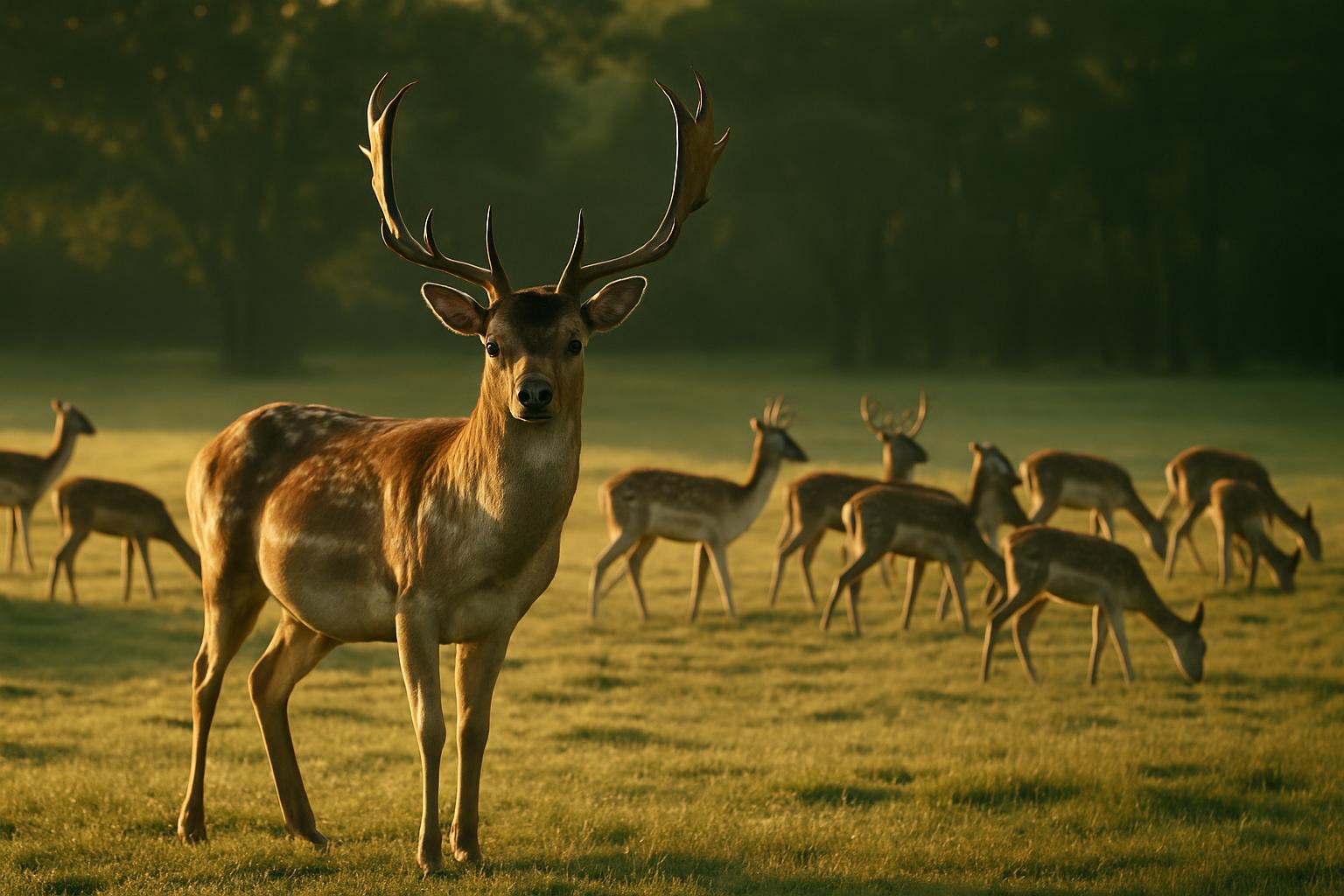
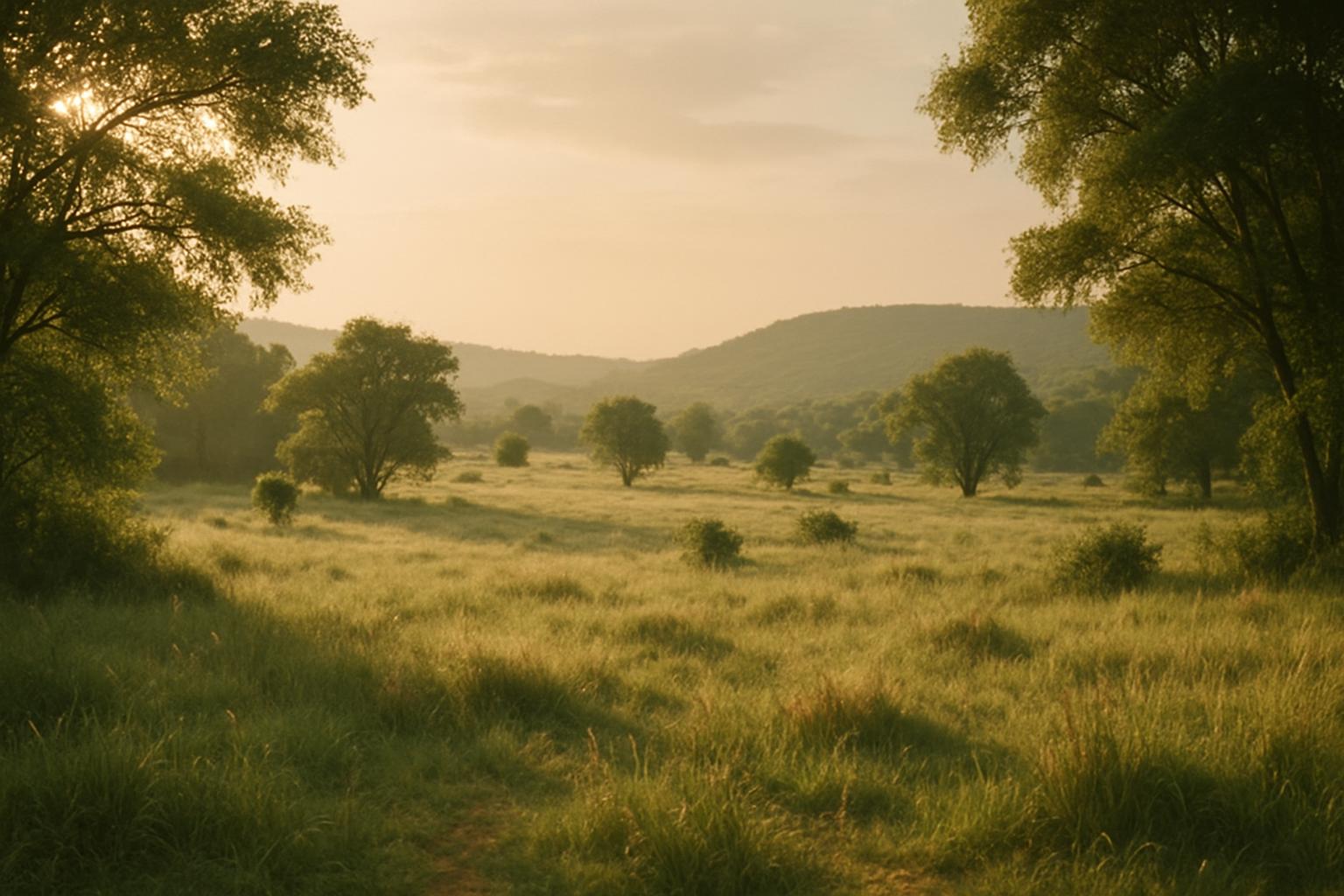
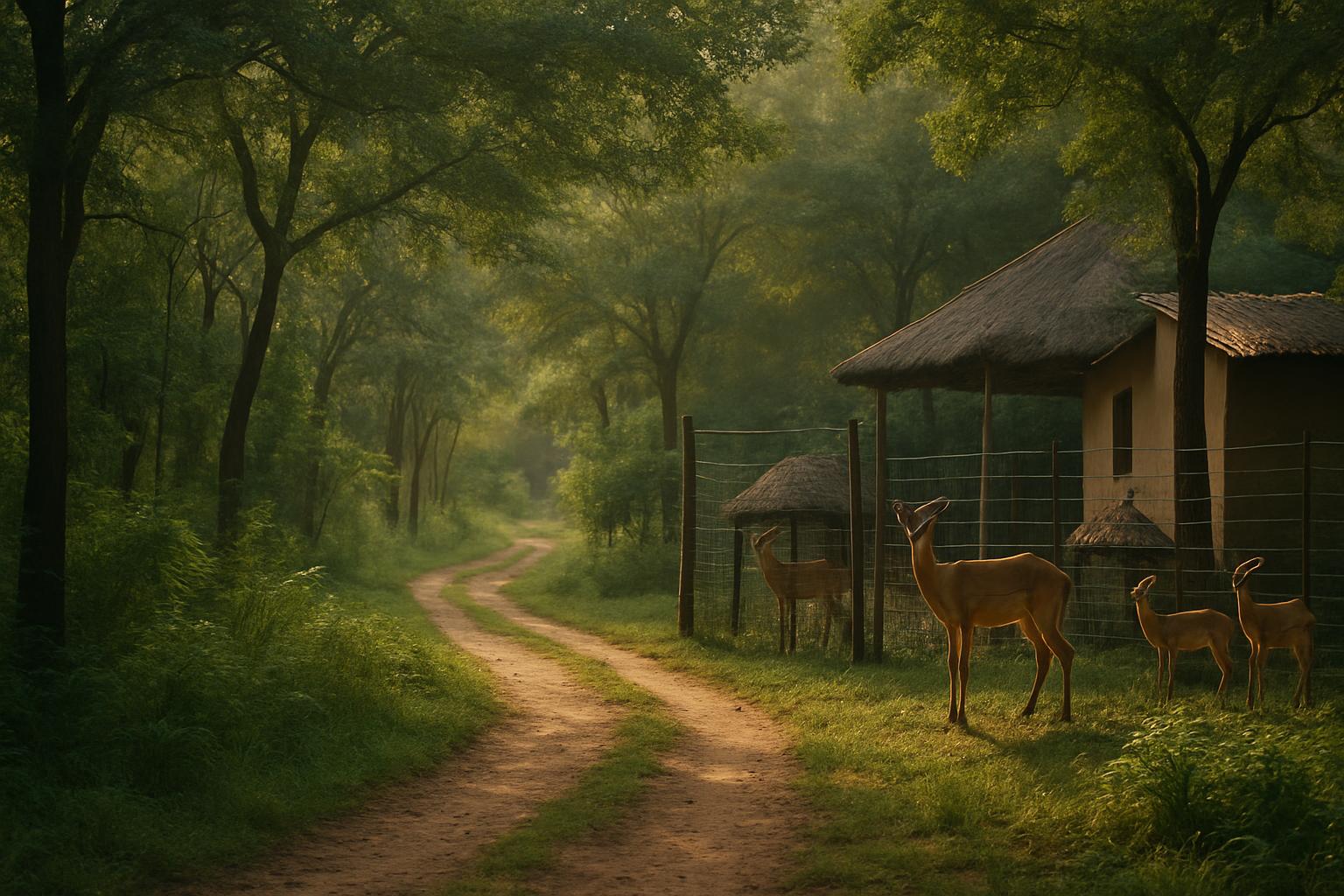
In the Lowveld, lodge season is shaped by when the guests arrive and when the deer are in condition. Our main supply herd, a carefully managed mix of fallow and red deer, is grazed close to our Mbombela supply gate so we can monitor them easily before every booked delivery. Spring growth on the veld is our first signal. We walk the camps most mornings in the weeks before the first big lodge orders, testing the browse, checking dung, looking for signs of condition loss or heat stress. The grass flushes green, but in El Niño years the berg winds are warmer and the bush is thirsty early, so we watch the grazing pressure closely.
Lodge chefs work with fixed menus and need named venison lots that are traceable, consistent and delivered on time. My job is to match our supply calendar to their menus, with every date confirmed in writing. We keep a whiteboard in the cold room to track abattoir slots, transport runs and delivery days. We’ve learned from past seasons that underestimating prep time or overbooking abattoir slots can cause late deliveries. Chefs expect their venison fresh and on the agreed day.
On one hot September afternoon, I walked the camp to check a group of red deer the week before a big order. The herd was sluggish and a bit off their feed. We delayed their date for two days to let them recover, then made sure their water troughs were kept in deep shade and that they had access to a mineral lick. Missing signs like these costs condition and meat quality, so we check each group before its date is confirmed.
Our deer are handled as quietly as possible, especially in the run-up to a lodge order. The supply camp was built for low-stress handling, with wide lanes and soft corners. My team uses calm voices and slow movements, keeping dogs and noise far from the herd. We also check that all electric fence energisers have enough battery backup for the inevitable power cuts, so the deer stay safe and where they belong.
Mistakes do happen. In my first season, we underestimated how quickly stress can run through a herd if kraal work is rushed. Now we spread out the handling, keep numbers small in the race, and always give the deer a few quiet hours before transport. This means less stress and better venison.
By August, the lodge orders come thick and fast. Early-morning collections at the Mbombela gate keep the venison cool, and we run the gate cold room on solar and generator backup during deliveries. Our venison provenance manager double-checks the cold chain and lot paperwork before every handover.
Three people sign off each delivery: the herd husbandry manager, the venison provenance manager and the driver. With the Lowveld heading for a dry summer, we’ll keep a close eye on camp pressure and water supply, ready to adjust the calendar if the bush gets too lean. At the end of each season we review condition scores, delivery dates and chef feedback before planning the next one.
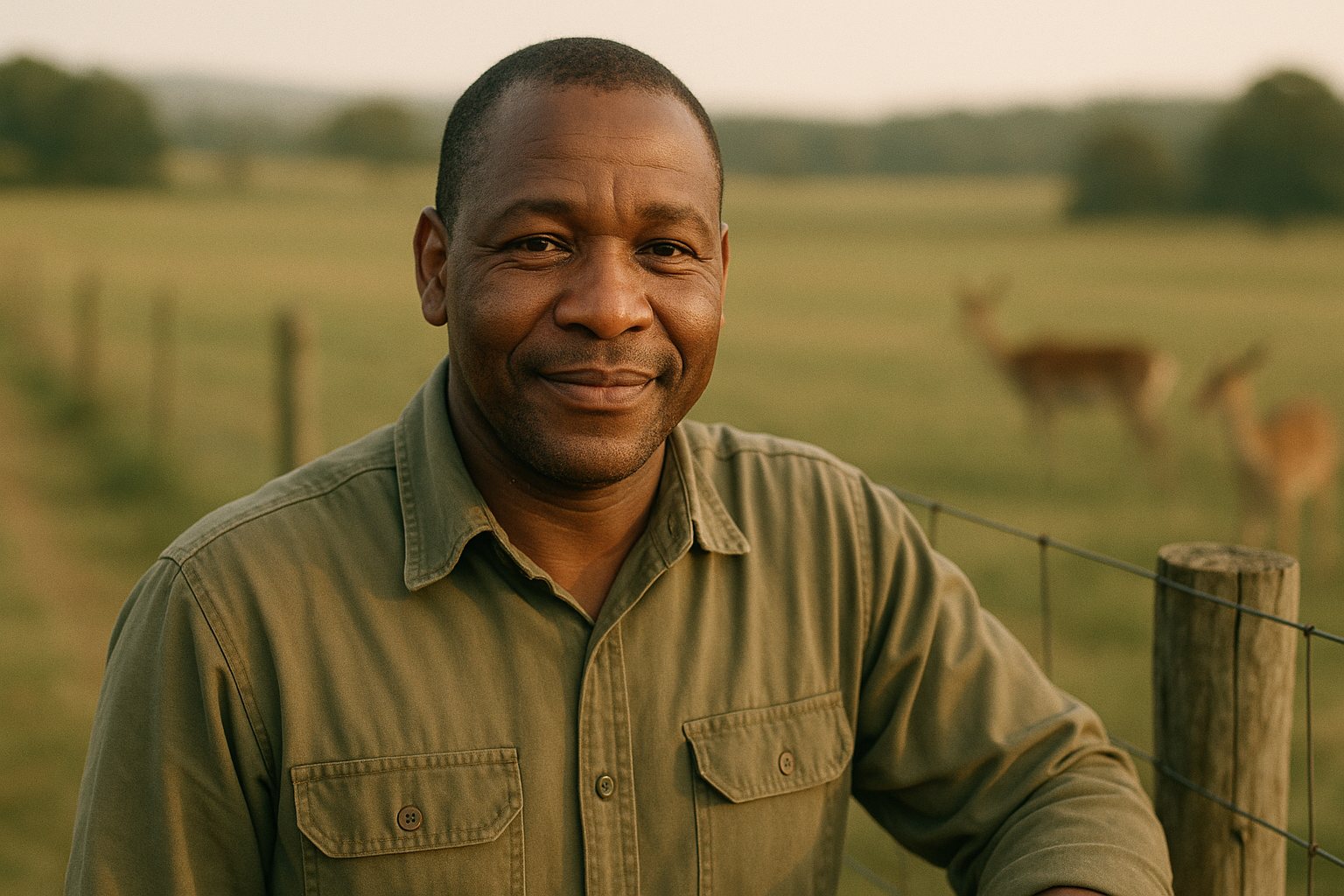
Written by
Loading days for these lodge orders are logged with the Lodge Supply Herd.