Stories
Axis camps when the mist sits low.
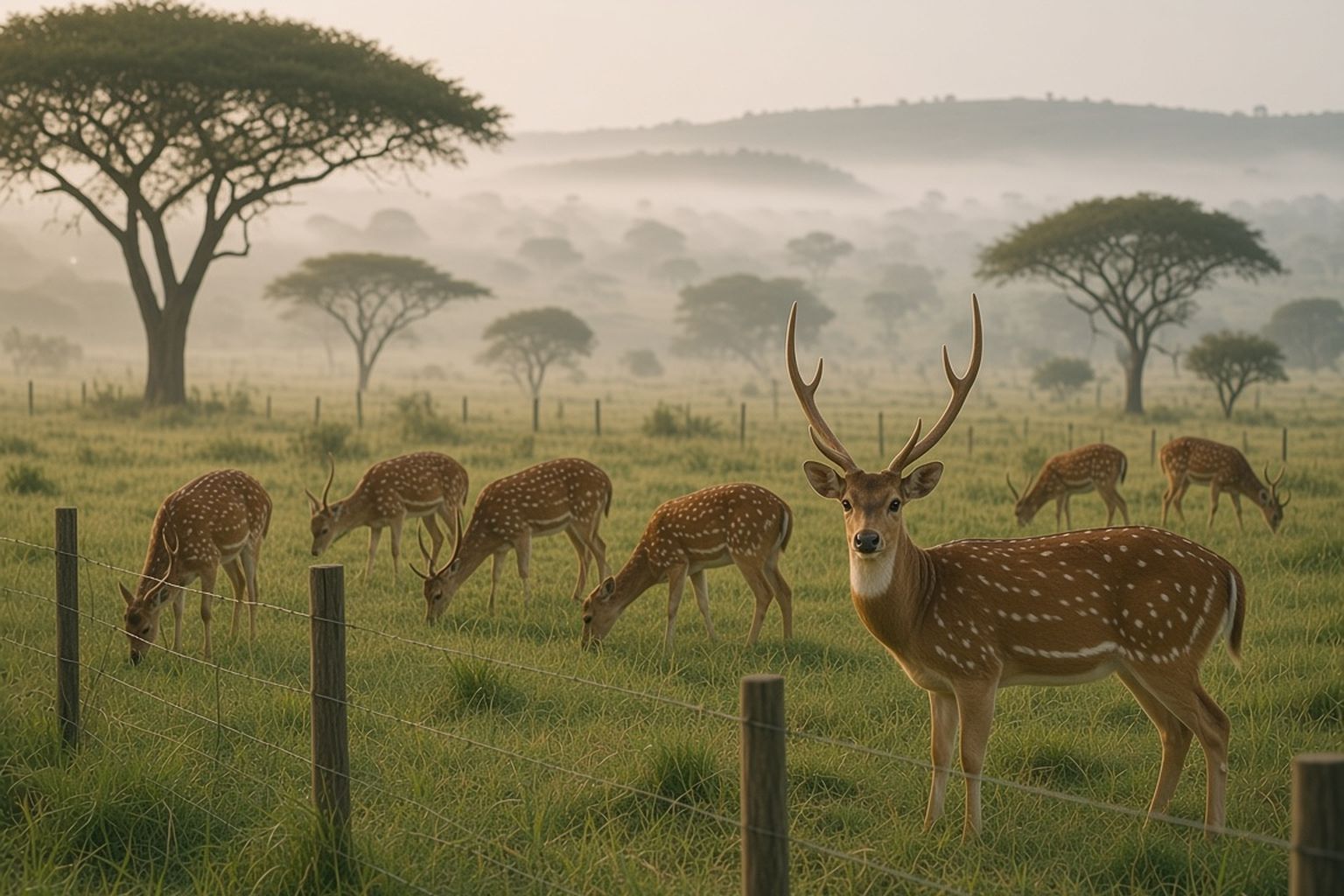
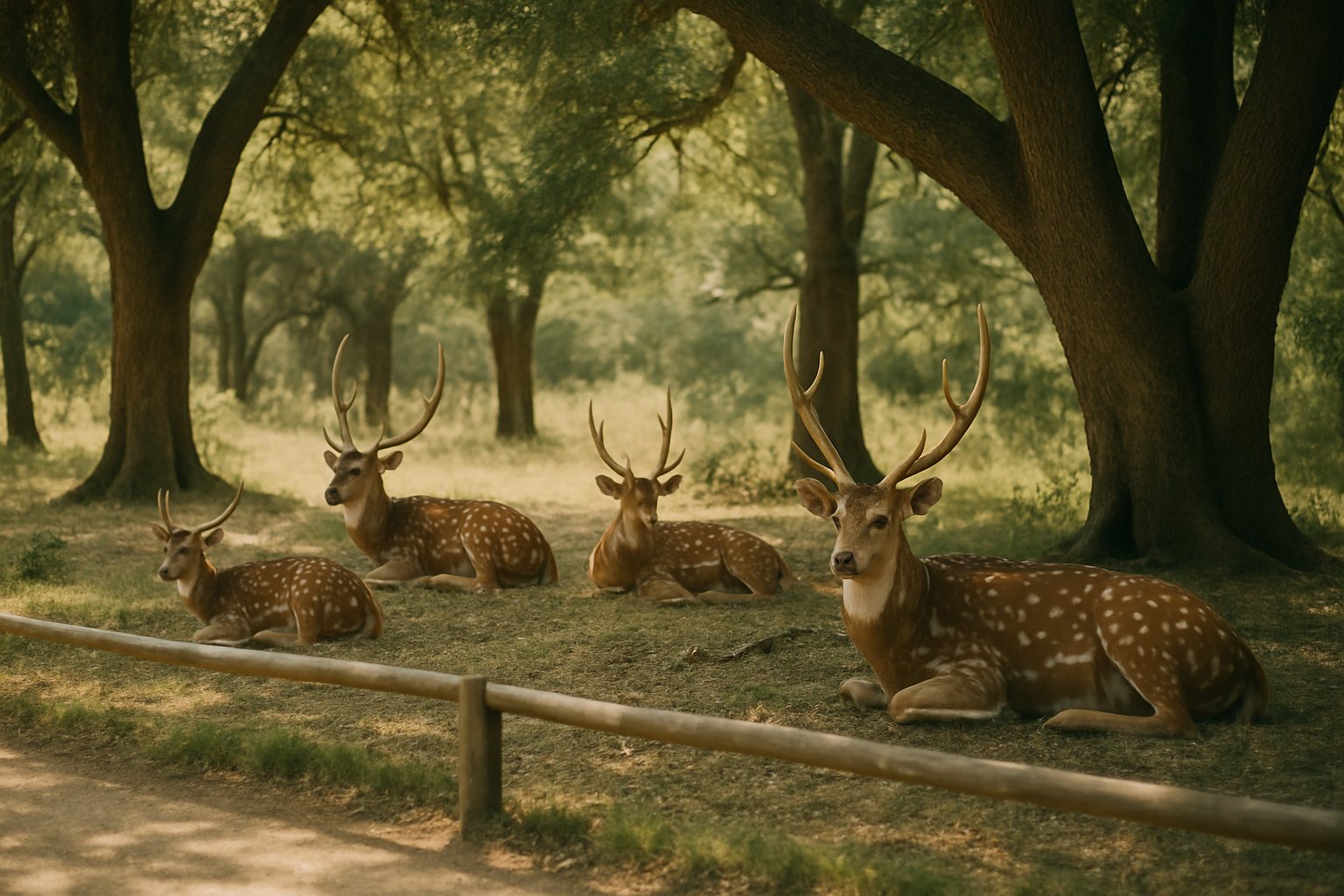
Midlands mornings often begin with a slow, silver mist rolling over the veld, quieting the camp and bringing the scents of wet earth and sweet grass to the fore. Those mornings set the pace for our work with the chital, or axis deer, in their woodland camps. When the mist sits low, sound carries oddly and the deer startle more easily, so we slow everything down.
On misty mornings in the Midlands, I move quietly between the acacia stands and patches of kikuyu, checking the axis camps before the sun has warmed the slopes. The visibility drops to a few metres, so I keep to the paths our bakkie tyres have worn through the veld, stopping often to listen and watch for movement. Axis deer are naturally alert, and in the low mist they are more likely to bunch together or slip silently into thickets.
One morning stands out: I found two young stags frozen at the edge of a bramble patch, ears forward, completely silent. It was only when I spoke softly that they relaxed and stepped back into their group. In weather like this, we take extra care not to startle the herd, because a sudden rush can lead to injuries or split groups, especially among the younger animals.
The mist brings a heavy dew, which is good for the veld but can hide problems with ground cover. As soon as the mist begins to lift, I walk out to inspect the grazing. Kikuyu and ryegrass hold the water well, but the shaded spots under the trees stay wet longest and can get compacted if the deer keep to those areas too long.
We have learnt from past seasons that axis deer will sometimes avoid open patches in low visibility, grazing instead under cover where their hooves can churn up the soil. This makes it important to rotate camps more often during misty weeks, letting each patch recover and preventing erosion around feeding stations.
In El Niño years our Midlands pasture holds less moisture than usual, so careful rotation and rest become even more vital. Axis deer are agile browsers, picking out new shoots under the mist, but they are prone to stress if moved too quickly or handled when visibility is poor.
On these mornings, we keep engines off near the camps, use quiet calls and let the animals approach on their own terms. Any movement through gates or kraals happens slowly, with our herd husbandry manager keeping close records of which groups have been moved and how they settle. This calm approach stops injuries and lets us spot any limping or soft-footed animals early.
We have made our share of mistakes over the years on these misty mornings. Early on, we once pushed a group too soon before the sun had cleared, and lost track of a fawn in the undergrowth, later found safe but shaken, wedged in a hollow. Since then, we wait until the mist lifts before moving any group.
We now log where the mist pools in each camp, so new staff know which hollows to wait out. On misty mornings, gate work waits until we can see at least fifty metres.
Written by
Misty Midlands mornings are browsing time for the Axis Woodland deer near Howick.