Stories
How fallow calendars meet Lowveld lodge seasons.
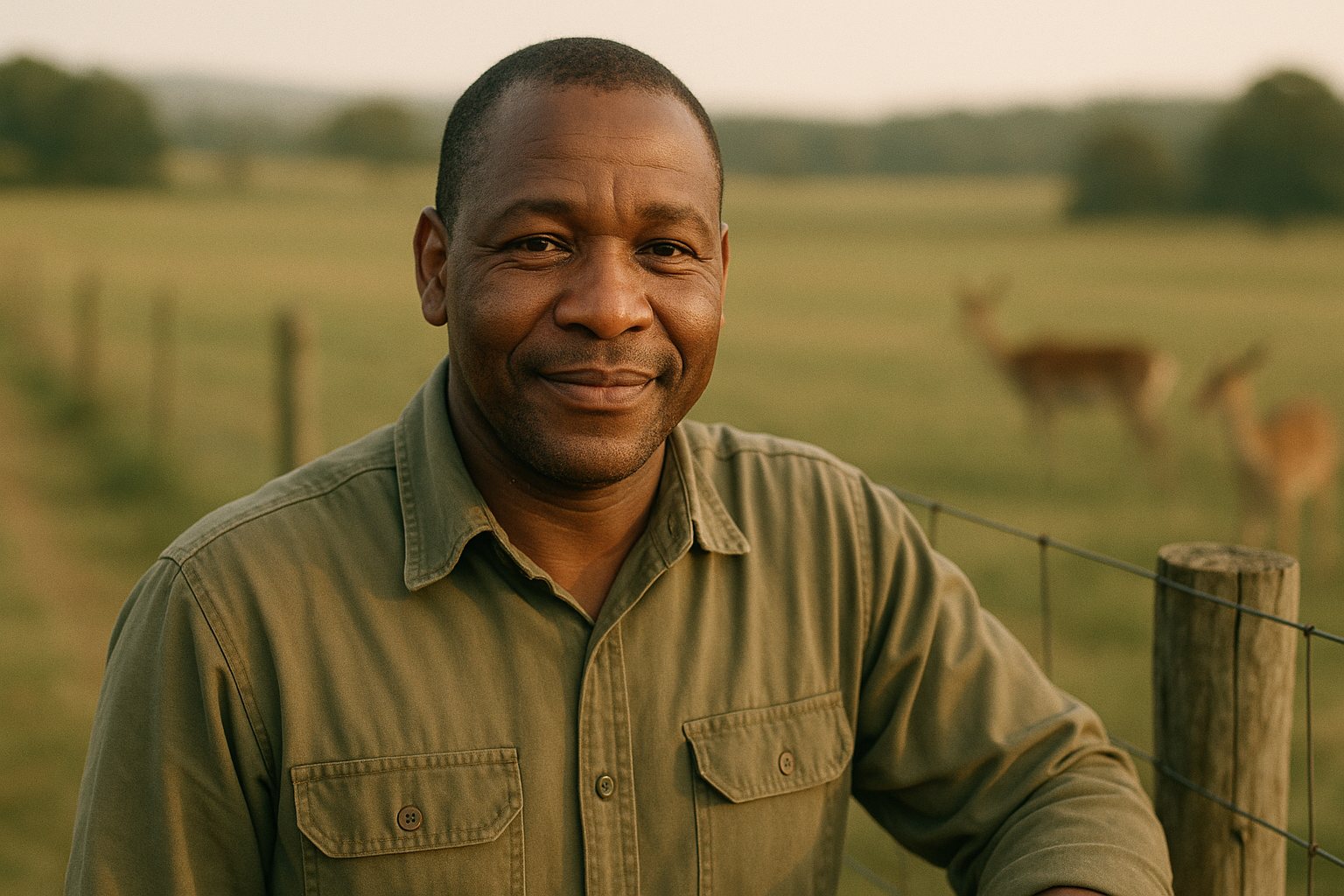
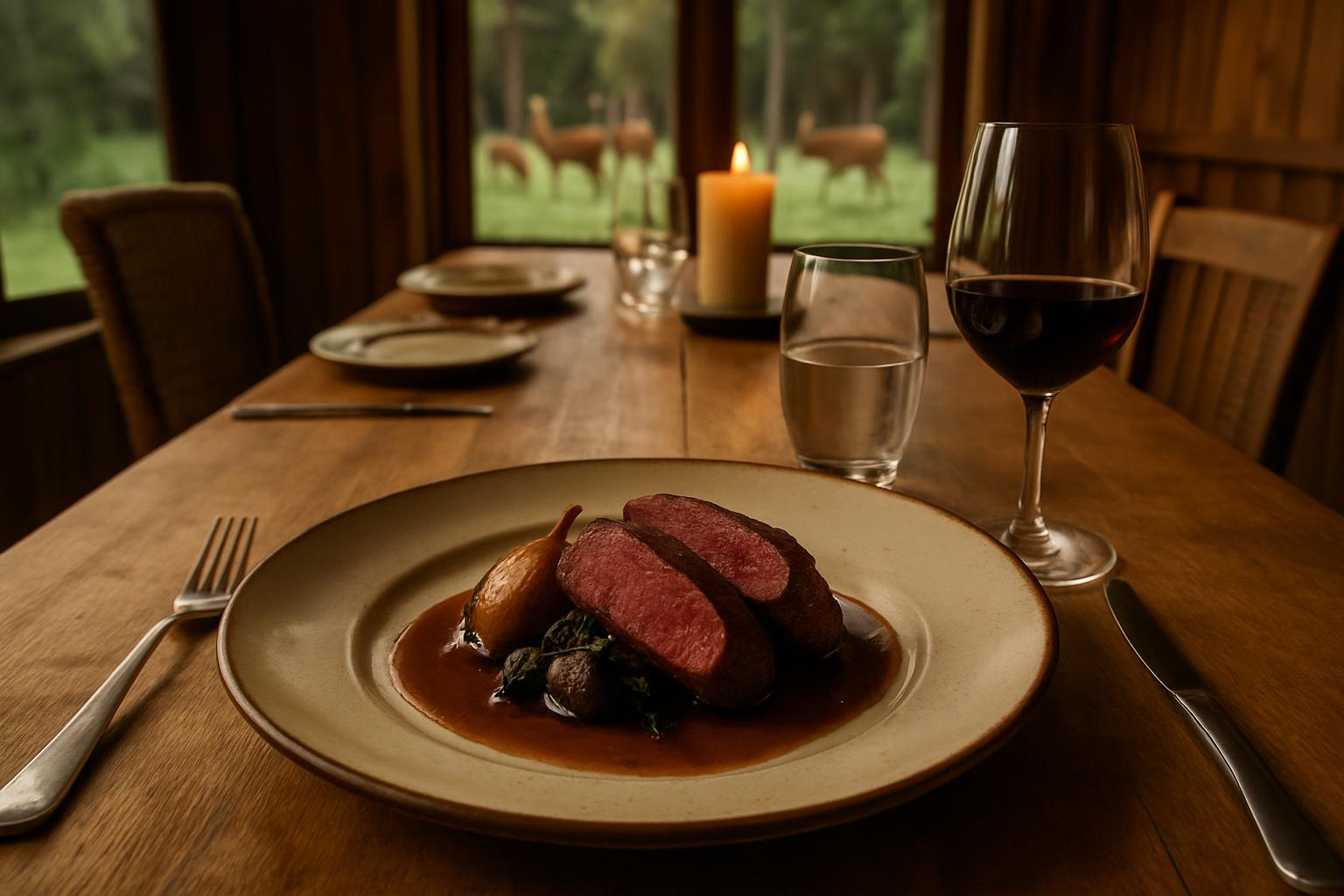
On our Karoo Edge farm, the quiet rhythm of the fallow herds shapes everything we send out to Lowveld lodges. Matching deer cycles to lodge menus comes down to breeding dates, weight checks and daily walks through the camps. Lodge kitchens order months ahead, so the herd’s year is planned around their bookings.
Every year, our Lodge Supply Herd is planned around the seasonal peaks of the safari lodges in the Lowveld. Most lodges need their best venison when international guests arrive in winter and spring, which matches our July to September harvest window after the autumn rut. We set each lodge’s harvest dates at the start of the year. We keep detailed notes on each herd’s breeding dates and pasture availability, so we can predict the best weeks for animals to reach ideal weight and health. Sometimes we get it wrong, and a cold snap slows growth or a late rain means we need to wait a bit longer for the right finish. We never push the animals too fast. We want them calm, with no stress hormones in the meat, and always in good condition.
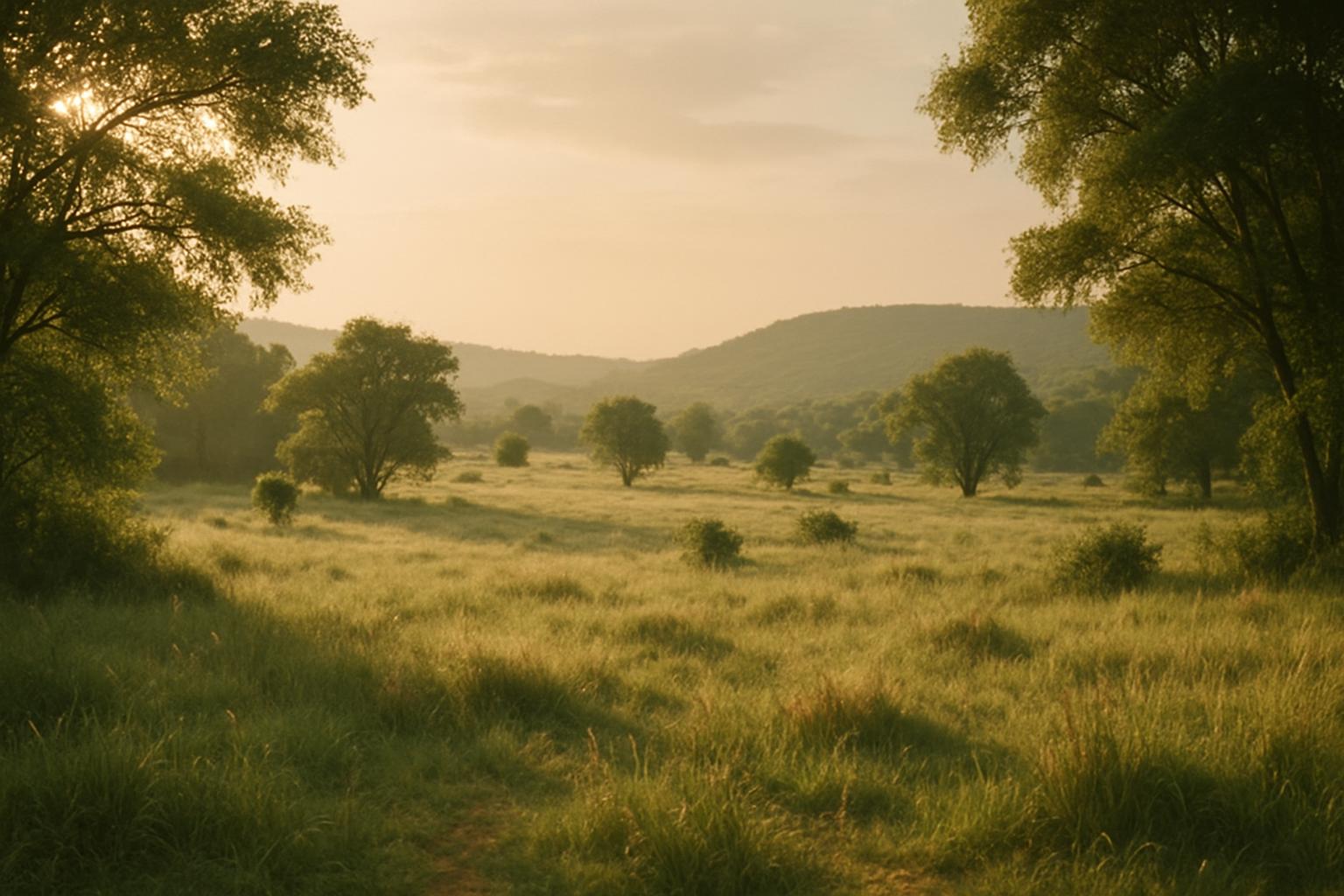
The camp layouts on Karoo Edge are planned around the animals. We use large, well-fenced veld camps, each with shade, natural browse and easy access to water. The herds know their routes and rest spots. My day starts with a slow walk along the boundary, checking for loose wires or any sign of nervousness in the herd. A small moment last month stands out: a young doe paused by the salt lick and watched me, calm and curious. Calm at the lick like that is how we judge our handling. We avoid noisy bakkies or fast movements. Moving animals to the handling kraal is always done at their pace, never rushed. Mistakes happen when camps are crowded or someone gets impatient, so we train new staff to read the herd's body language and keep everything as calm as possible.
Lodge chefs often ask for specific cuts or whole venison from named lots, which means our venison provenance manager and I must track each group closely. Fallow deer must be slaughtered at our registered partner abattoir under the Meat Safety Act, so we coordinate with the slaughter team and the chef’s calendar. Venison provenance is built into our process, from veld to cold room, and the paperwork is checked at every stage. Movement of live animals is strictly controlled: under the national foot-and-mouth disease rules, no deer leaves without the state vet’s written go-ahead if there’s any movement ban in place. The Karoo Edge cold room has backup power, in case the mains go off during a collection.
In strong El Niño years, we check veld condition every week. Fallow deer handle Karoo winters well, but spring can be stressful if the pasture is short and the heat sets in too soon. Our pasture and forage manager checks dam levels and pasture cover, and we adjust the herd rotation before camps get overgrazed or bare patches appear. If we see any sign of thin animals, we supplement with lucerne or veld hay, but we prefer to keep the animals foraging naturally. We keep the herd relaxed and healthy and take only the animals that are ready, even when an order is large. Lodge chefs get named lots from animals that were calm, weighed and recorded before they left the farm.
Written by
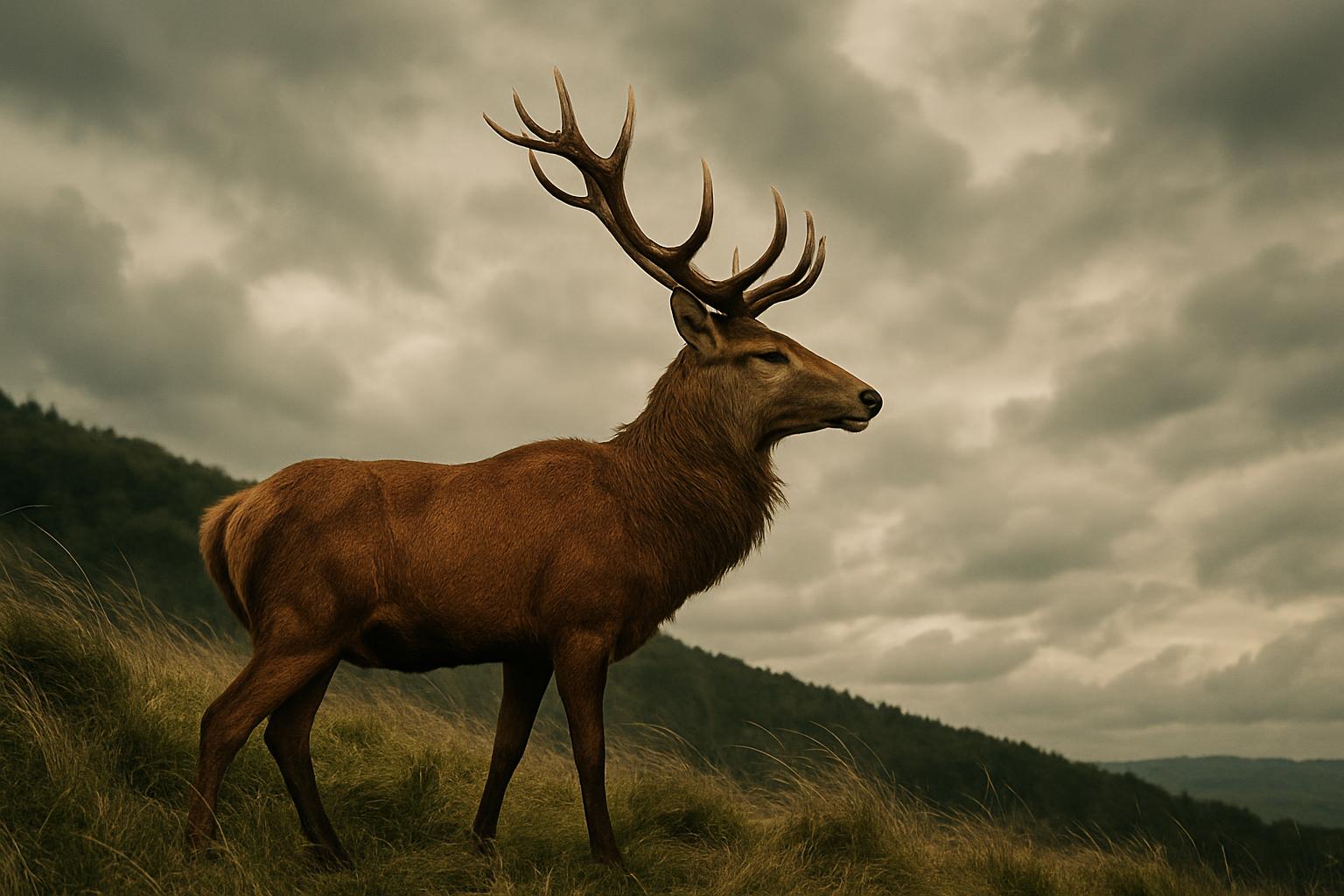
Lodge kitchens receive calm, well-recorded fallow from the Lodge Supply Herd.