Stories
Rotation that lets browse recover.
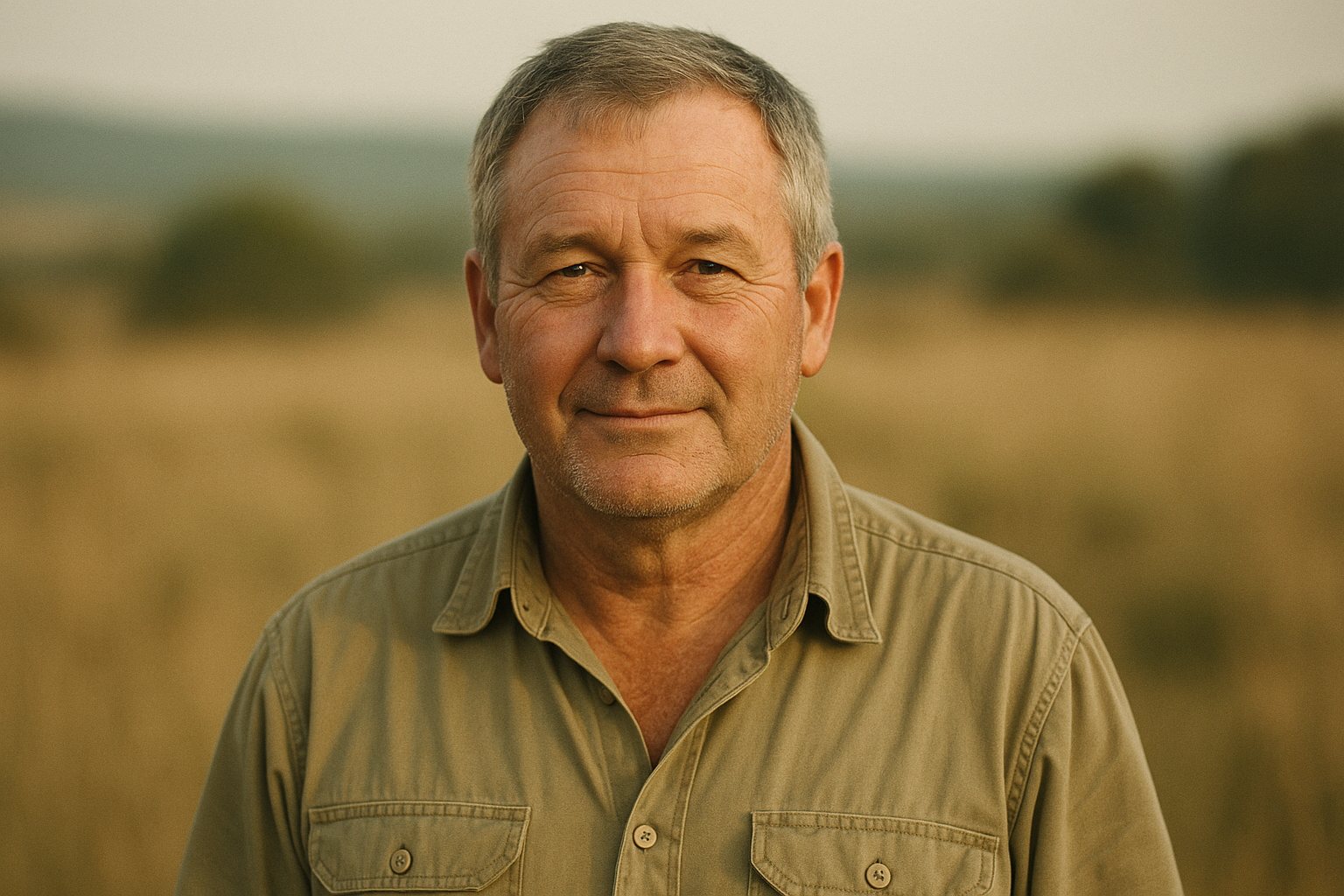
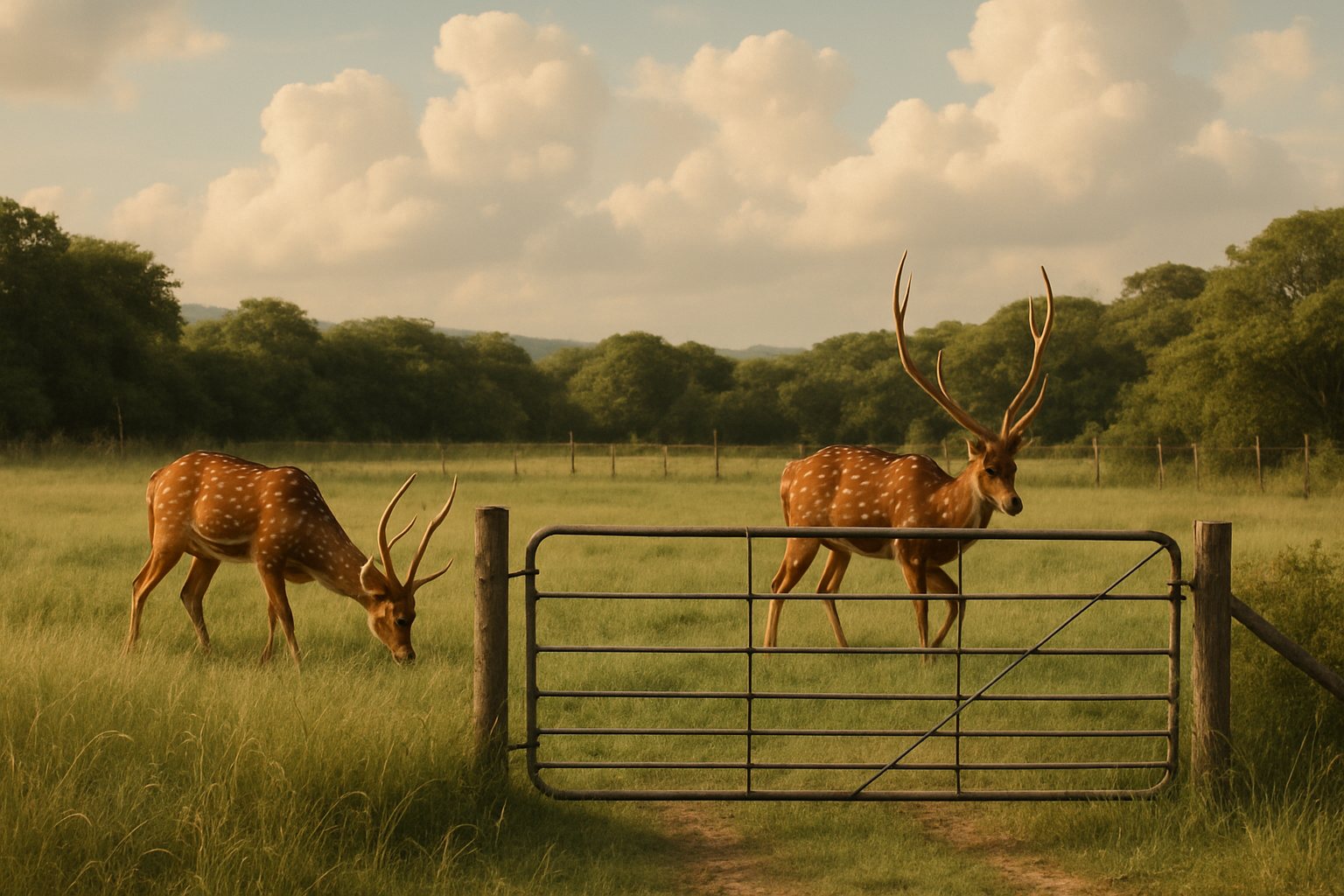
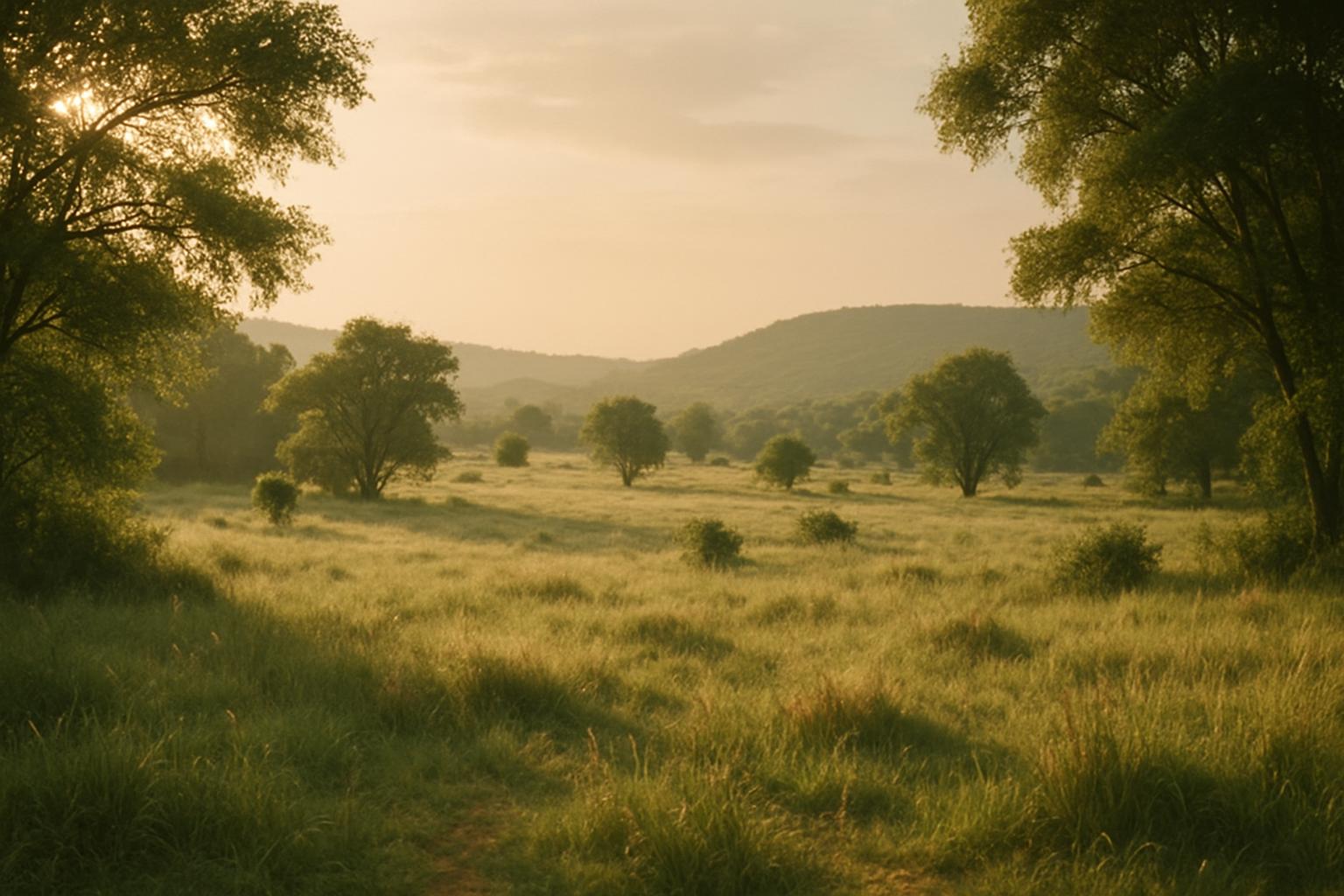
Resting camps before the first rain is one of our most important tools in keeping veld healthy, especially in El Niño years. I spend a lot of time walking through the camps, checking the grass and how much of the browse is left. Our rotation plan, especially in the Axis Woodland programme, has to adapt from year to year.
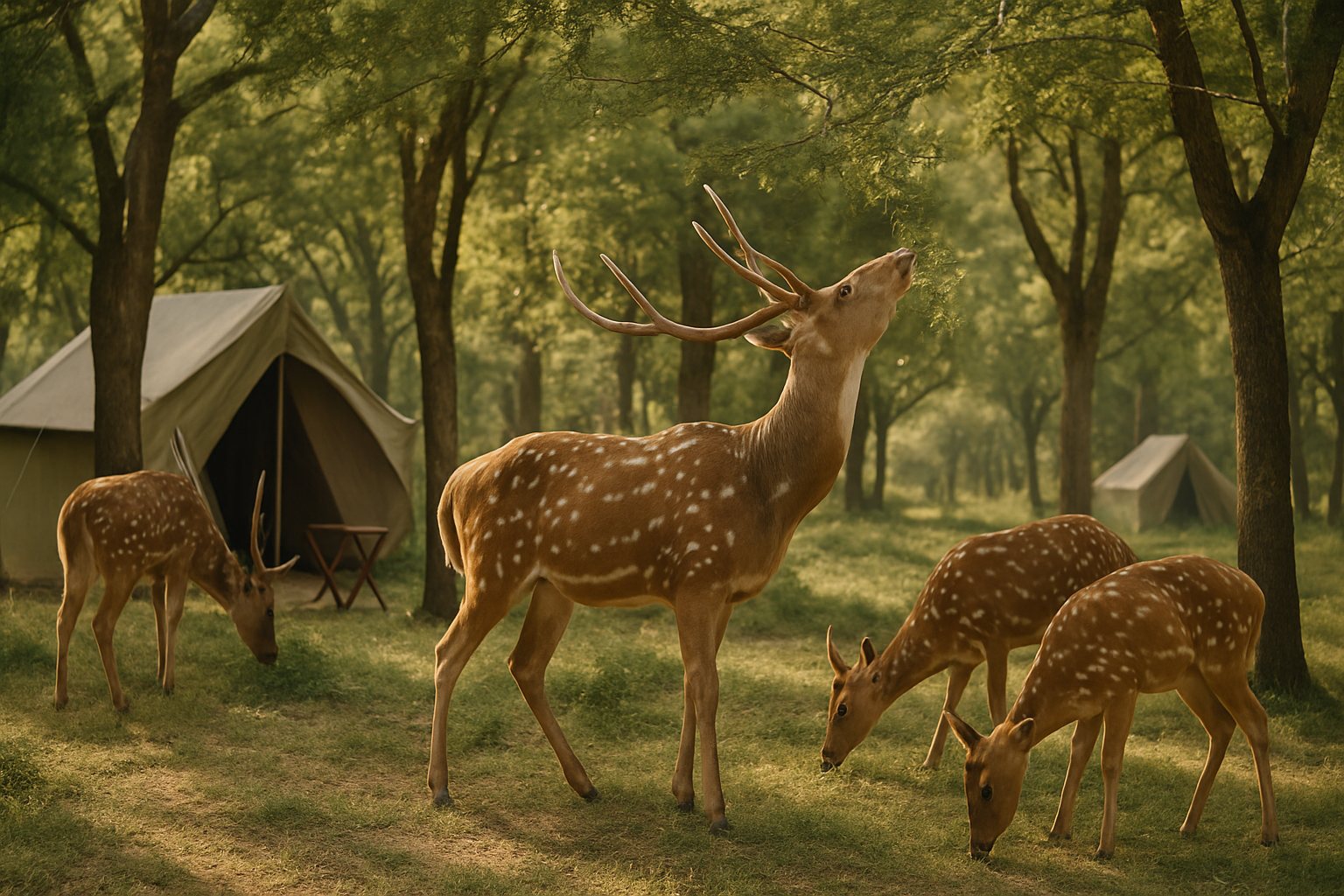
With chital (axis) deer, veld rotation has to account for browse as well as grass. They love the thorn veld and seek out the sweet leaves on bush and acacia. When we rest a camp for a month or two, you can see the difference: new shoots appear along the ouhout and sweet-thorn, and the wild olives recover some lower leaves. If we leave deer in too long, they strip the lower branches, and those don’t come back in one season. Some years, after a late frost, we have to delay moving back so the bush isn’t hammered twice. We set each rest period camp by camp, from the browse left and the herd’s body condition.
A strong El Niño often brings drought. In those years we plan rest periods from the rainfall forecast as well as the browse. We want enough standing browse and dry matter in the camps before fawning, since rain might not come early. We mark camps that were grazed harder last season and give them double the usual rest. The usual error is moving a group back into a camp too soon after a green flush, especially when the bakkie tyres are already making dust and water points are low.
Chital always find the greenest tips, so a camp can look lightly used while its best browse is already gone. That’s why our Axis Woodland programme uses a map of each bush clump and a notebook of what’s sprouting after rest. A good rest shows in the birds too: Cape robin-chats and hornbills come back to thickening undergrowth.
I remember one winter when I let a group stay two weeks too long in a koppie camp because the borehole pump was slow on the next one. The deer stripped the sweet-thorn and chewed the young taaibos right down. It took nearly two years for that patch to fill out again. Now, we always keep a backup water drum and try to move camps before the browse line gets too high. Skipping a planned move can set a piece of veld back a season or more, especially in these drier years. We also learnt not to trust a veld map from last spring, as bush regrowth can be slower after a dry summer.
Before opening a gate, I walk the length of the camp, looking for three things: enough ground cover between the shrubs, browse within reach on at least half the bushes, and no sign of deep trampling around water points. If any of these are missing, we give it another week. Sometimes I forget my hat on the post and have to double back after the herd’s already moved. We keep a notebook with dates, rainfall, and a few photos of what’s sprouting where.
In a dry season, those notes decide which camp the herd moves to next.
Written by
Camp rest before the rains protects the browse that feeds the Axis Woodland herd.