Stories
Woodland browse and visitor lanes without spook.
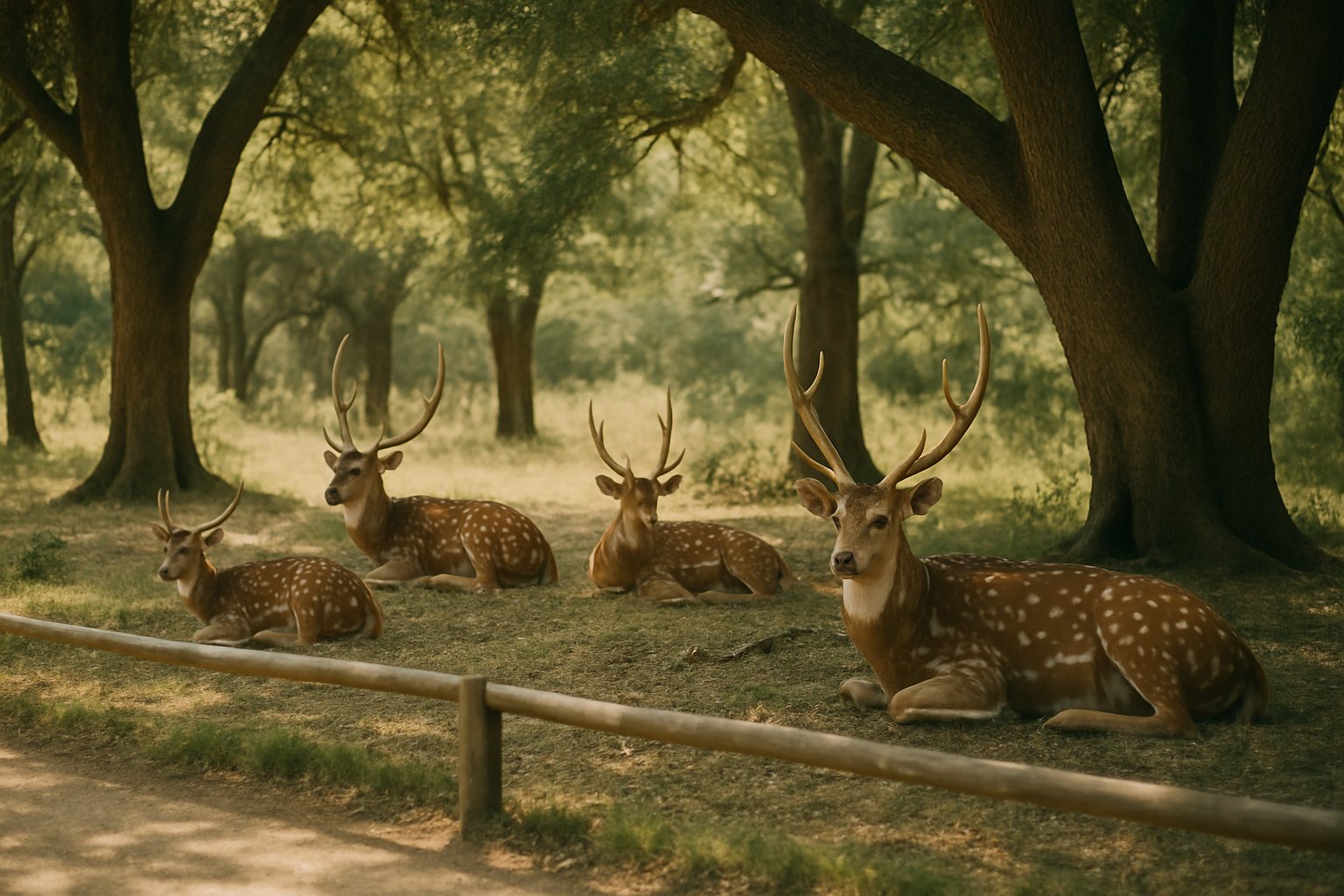
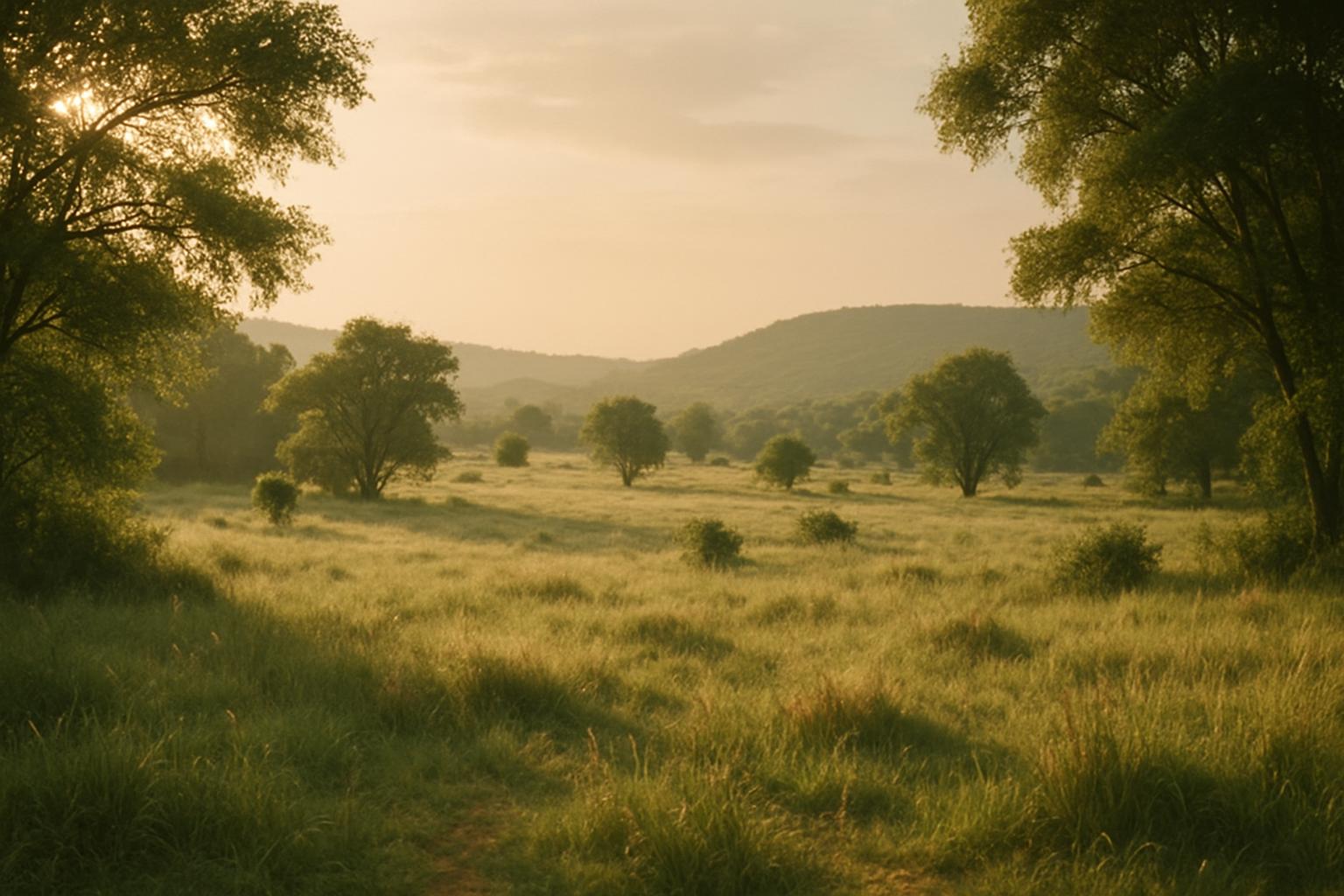
There are mornings at our Midlands farm near Howick when the chital, or axis deer, move quietly through our narrow shade lanes while the sun lifts above the wooded slopes. These lanes shade the deer and also let visitors move along the edge of the camps without disturbing the herds. Since we planted the lanes, the axis stay settled while guided groups walk the edge of the camp.
Axis deer are more sensitive to sudden movement than our fallow or red herds. When we first brought axis to the Midlands camps, we found that open veld or wide, bare visitor tracks made them jittery. Even a bakkie slowing at the boundary fence would send the whole lot to the far side of the camp. So we began to study how they used the woody thickets and how natural cover changed their behaviour during the hottest part of the day.
We now lay out shade lanes about 8 to 12 metres wide, weaving naturally through the light acacia and karee, with extra clumps of wild olive planted along the boundaries. Visitor access is always on foot, and the path curves gently between the outer fence and the densest cover. The deer can step back into cover, and we can watch from 20 metres or more without them bolting.
The axis deer also favour soft-leaved browse and will strip a bush clean if their camp is short of natural forage. After losing young saplings in the first season, we now plant established shrubs with good root systems and protect them until the canopy is out of reach.
The best results have come from a mix of sweet thorn, wild olive and river bushwillow, along with strips of winter grass. These cool the ground and offer year-round bite. We monitor each lane weekly, because regrowth is slow in El Niño years. In dry spells we mulch the roots more heavily and add a lick to supplement trace minerals.
Early on, we underestimated just how quickly axis deer will react to a person or a dog in their line of sight. Our first visitor lane was too close to a watering point, and we saw fawns left behind as does bolted. We also learnt that a lane without enough overhead cover felt like a trap to the herd. They want the safety of a continuous screen of trees.
Now, we only allow booked walks with a guide, and we close the visitor lane during fawning time. We also stagger feeding to keep the herds away from high-traffic spots when we know a college group is due.
I spend part of each week noting herd movement at different times of day. The axis groups use the lanes differently from our fallow herds: they prefer to rest in the dappled light and step out quietly to browse. If I see startles or signs of fence running, it means we have missed something, usually a gap in cover or an edge where veld dogs have come too close.
We have also set up a line of solar backup for the shade lane fence energiser, so even if the main power cuts out, the camp stays secure. Any time we shift a lane or add a new clump of bush, we watch for two weeks to see if the axis settle or avoid it. Since these changes, the axis rarely run the fence, even on a busy visit day.
Written by
The shade lanes run through the camps of the Axis Woodland herd.