Stories
Why sika reward compact footprints and quiet crews.
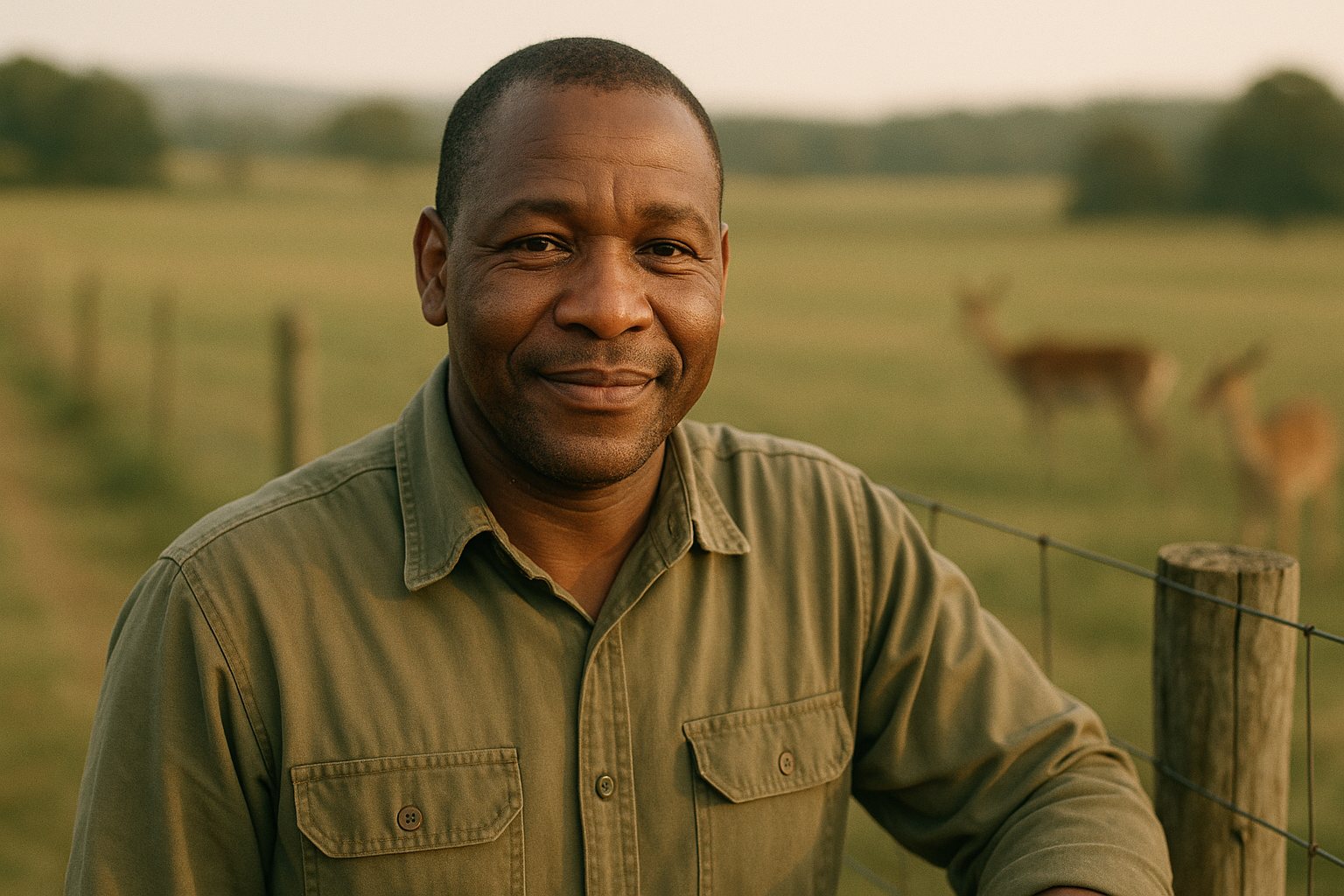
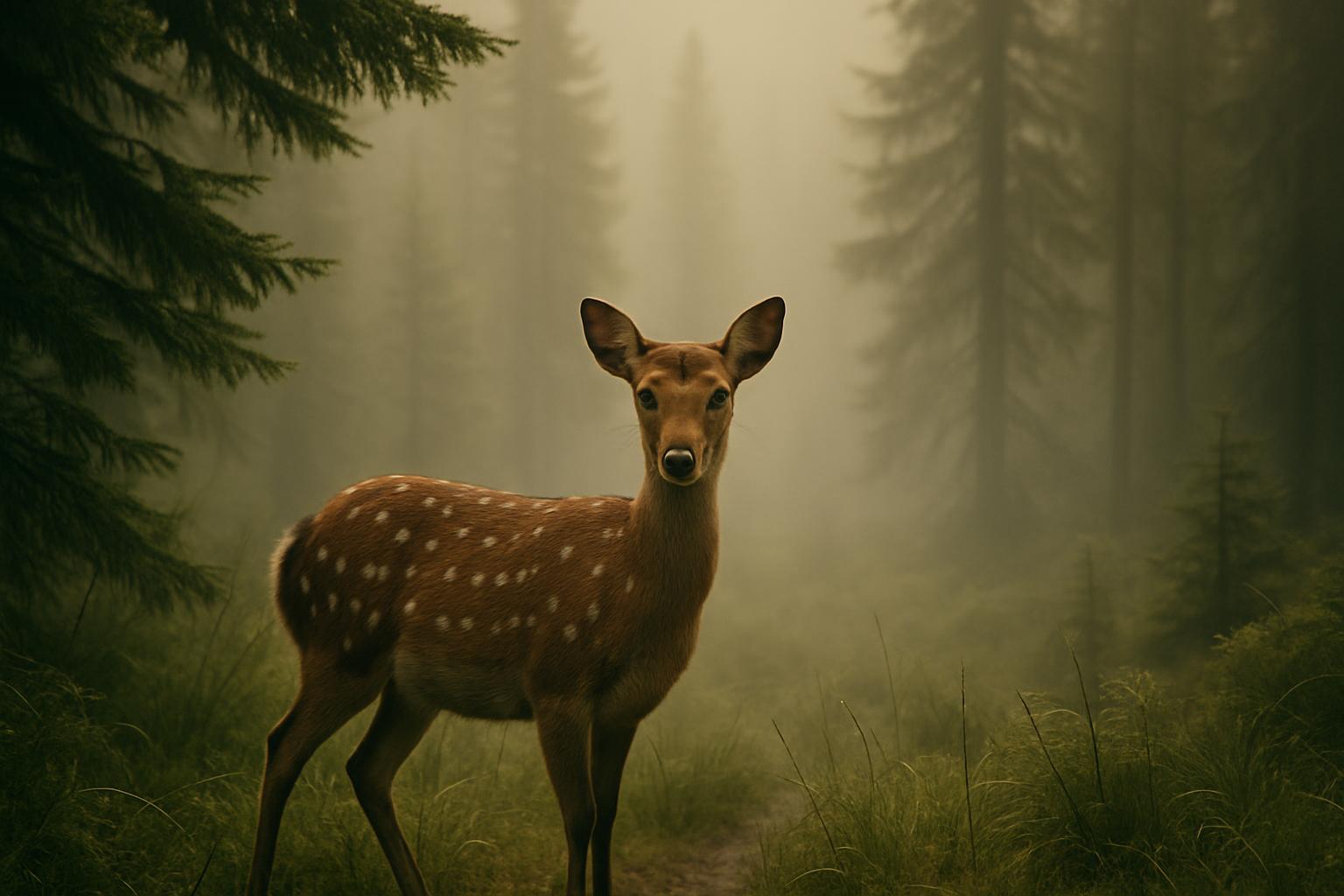
Sika deer are quiet animals that hide signs of trouble, so we check them closely. At Karoo Edge, our smallest pastures are reserved for sika, where quiet routines and good grass go together. Our Sika Quiet Pasture programme grew out of those small camps, with fewer animals and calmer days.
Sika hinds and stags are naturally shy, moving softly at the edges of thicker bush or grassland. In large, busy camps, they tend to stick to the far corners and avoid open spaces, making checks and handling more stressful for both them and the crew. We made a shift to using our most sequestered, well-grassed paddocks for the main sika herd, each no bigger than a rugby field and always close to cover. Smaller camps mean less ground to scan and quicker intervention if a fence is down, a water trough fails or a hind is slow to rise.
After one long, gusty berg wind afternoon, I found a sika hind wedged quietly behind a fallen thornbush in the smallest camp, out of sight from the main lane. If the pasture had been any larger or busier, we would have missed her need for help until much later. Since then, the smallest camp is checked first on every round.
Sika are quick to pick up if a handler is in a hurry, or if a bakkie’s engine idles too loudly at the gate. We bring as few people as possible into camp and move at walking pace, closing gates softly. It helps to use the same routes and voices so the deer recognise us. If we need to move animals for a health check or to bring a new stag into a group, we plan ahead and avoid sudden changes.
One common mistake is to let a bigger team handle sika the same way as fallow or red deer: with too many boots and too much noise, the sika simply melt into cover and refuse to budge. In the Sika Quiet Pasture programme, the same two or three people handle the sika, and every move is planned a day ahead.
In tight sika camps, it is easier to pick up on subtle signs that something is amiss. A single animal hanging back at feeding, a limp, or a break in the usual groupings can tip us off early. I always check water points first thing, as sika are sensitive to any change in taste or flow, especially in the hot, dry spells of an El Niño year. Old pipes and loose float valves get checked on the same round.
We watch the fences closely too, because sika are quick to find a sagging wire. We walk the lines every week, looking for fresh tracks, pushed grass, or signs a hind has squeezed under. Repairs are done the same day.
Early on, we tried rotating the sika through larger multi-use paddocks, thinking variety would keep the veld healthier. But the deer became harder to monitor, and a young stag once vanished for two days in a mealie patch before reappearing, spooked and limping. Now we avoid moving groups unless necessary, and keep the rotation tight, which suits the grass and lets us see every animal daily.
Another lesson: never assume a sika will behave like a fallow or red deer when startled. If a fence is loose, or a water trough runs dry, sika will test every boundary before any other group. Our sika camps have stayed small since then, and the same small crew handles them. Questions about sika husbandry or our Sika Quiet Pasture routine are welcome through our contact form.
Written by
Each sika in these camps has its own record in the Sika Quiet Pasture.