Stories
College students spent a day at our farm gate learning about fences, records and quiet observation of the herd.
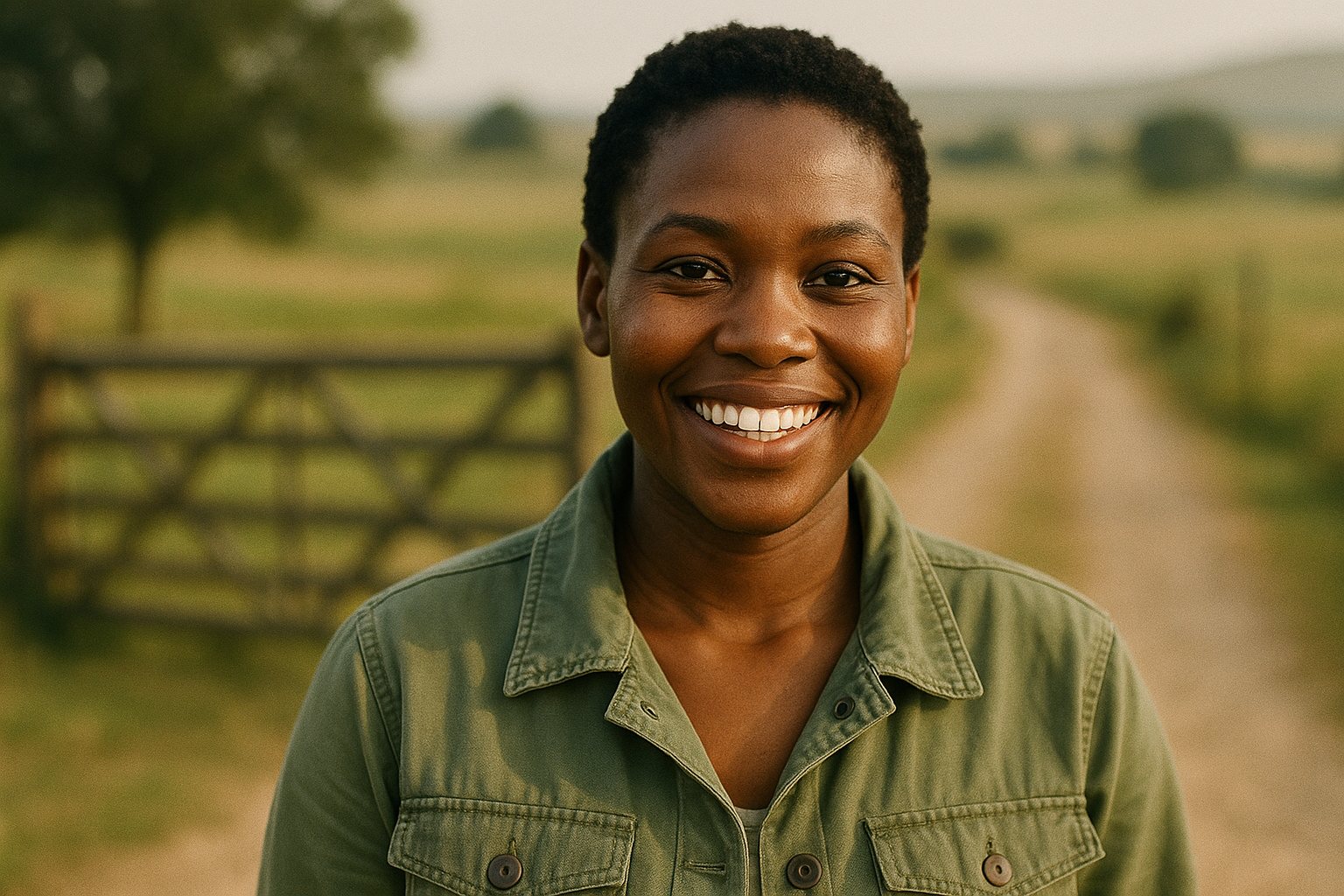
The spring sun had just started to warm the wet grass when the first minibus parked outside our Stellenbosch education farm gate. As I greeted students from the agricultural college, I could see their curiosity and a bit of city dust on their boots. We start every education day with the basics: safe fencing, careful records, and ten minutes of watching the animals quietly in their camp.
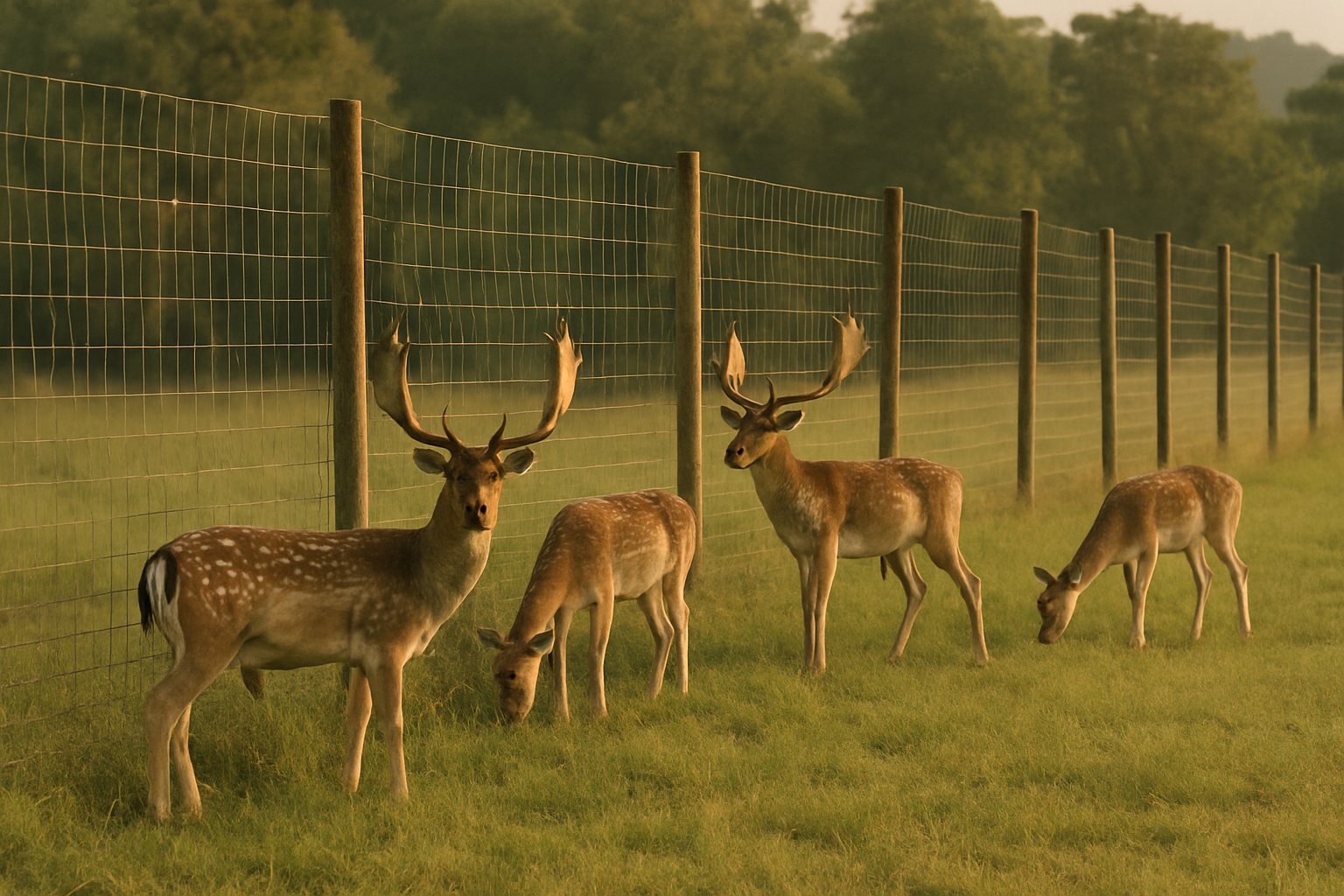
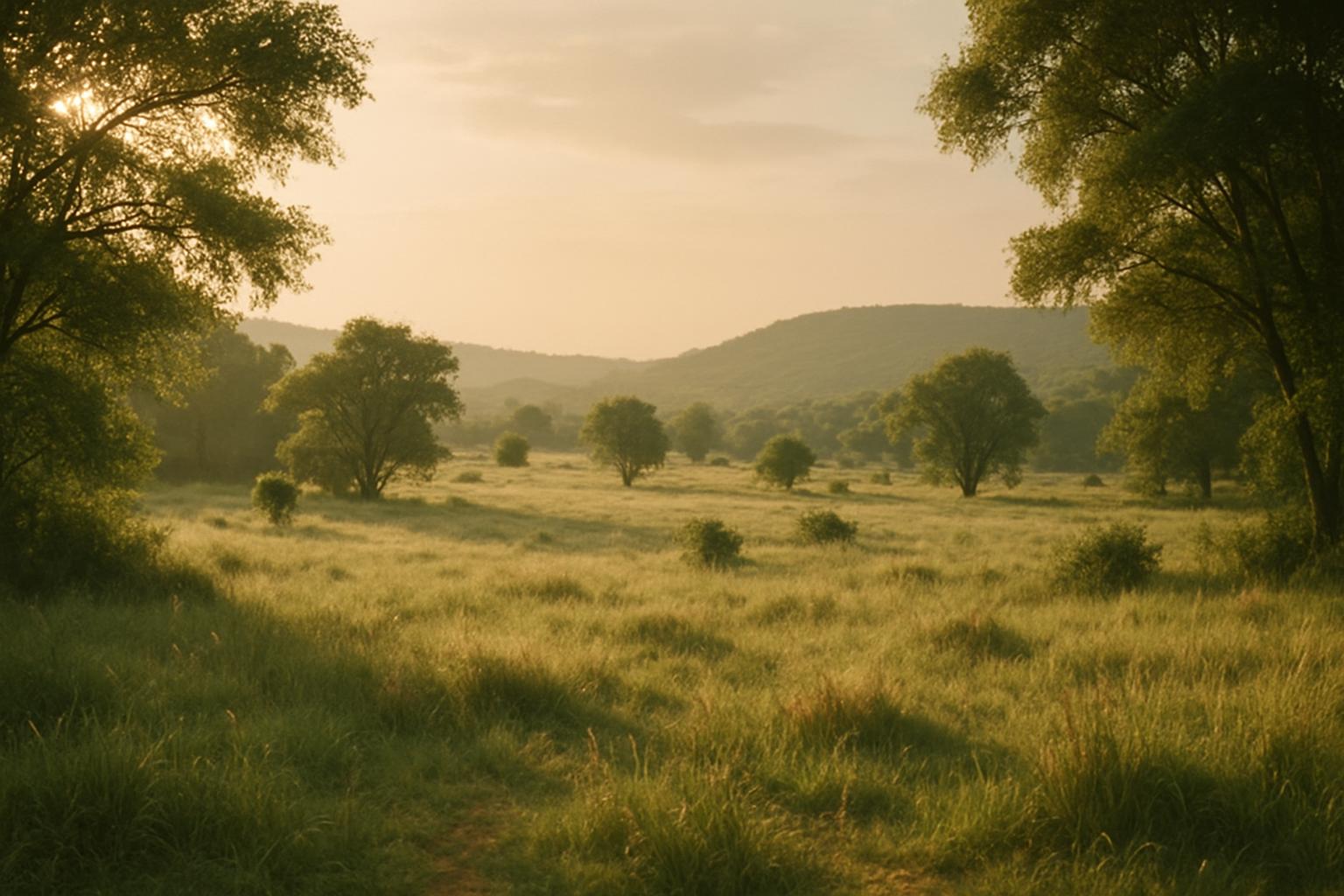
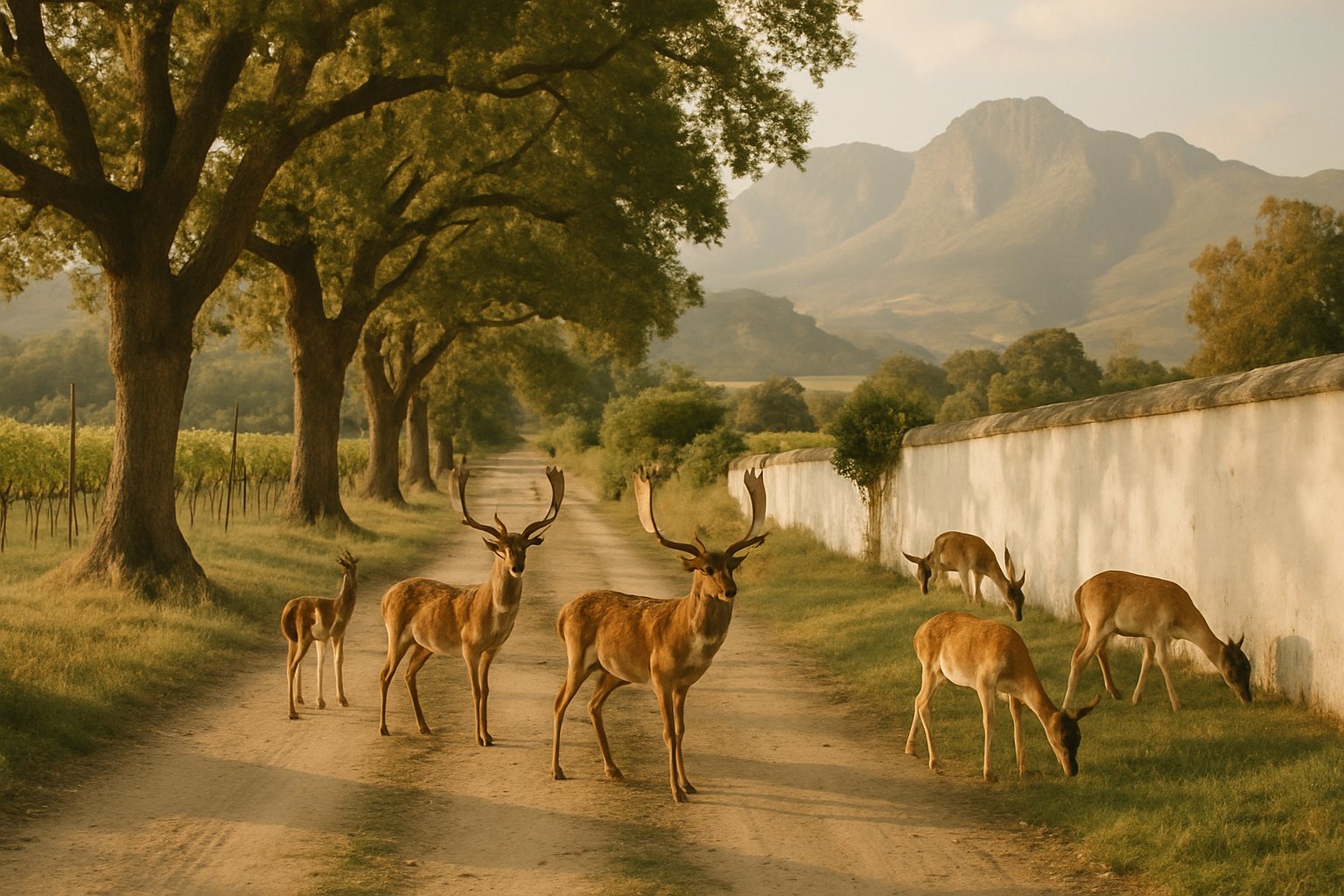
Our Stellenbosch education farm is set among rolling hills and old farm trees, with the Border Teaching Herd of fallow deer grazing quietly in the near camps. For these students, the first lesson is always the boundary: we walk the perimeter fence, pointing out how a legal permit to keep deer here depends on secure fencing that passes an environment officer’s inspection.
We stop to check each line: is the electric fence live? Are the fence posts steady after winter rains? Do we see any gaps under the bottom wire? A few years back, we lost half a day repairing a gate after a strong berg wind rattled it loose. It taught us to check latches and hinges every week.
Students learn that deer, unlike sheep, fall under the Category 2 invasive species permit rules. Each camp is mapped and listed on the permit. If even one animal escapes, we must report it and fix the breach.
After boots are cleaned and hands washed, we gather in the barn classroom where our stud records lead brings copies of the Karoo Edge stud records and the day’s Border Teaching Herd register. Students laugh at some of our deer names, but they soon see the detail in the records: birth dates, weights, parentage, camp moves, and veterinary visits.
We explain how those records protect the herd. The stud book guides us in matching pairs for genetic diversity and watching for inherited problems. Missing a single move or vaccination can cost a farm its permit or risk disease. I tell them about a year when a rain-damaged tag meant we almost missed a key update for our state vet report, so now we double-check the records every Friday.
The best part of the day comes when the students scatter quietly along the camp fence to watch the deer from the shade. Today, a group of fallow does grazed near the koppie while two yearlings browsed a low thorn bush.
I ask everyone to keep silent for ten minutes, just to see what the herd does when people are not moving or talking. Once, a group of learners startled the deer by laughing too loudly, so groups now stand further back from the fence. Now, those minutes of silence are a highlight: students notice more, from ear flicks to the subtle way a mother keeps her fawn close in new surroundings.
Before leaving, students always have questions about deer health, veld recovery and working with state permits. We walk them through our back-up systems for the electric fencing and water pumps, especially with power cuts so common this year.
We remind them that a permit can be withdrawn if the rules are broken. The Border Teaching Herd is here for learning from mistakes too: last summer, we underestimated grazing pressure in one camp and had to reseed after the autumn rains. Now, we rotate the camps more carefully, watching both the animals and the grass.
Several former students now manage farms and bring their own staff on the same walk.
Written by
Students on education days work alongside the Border Teaching Herd.