Practice
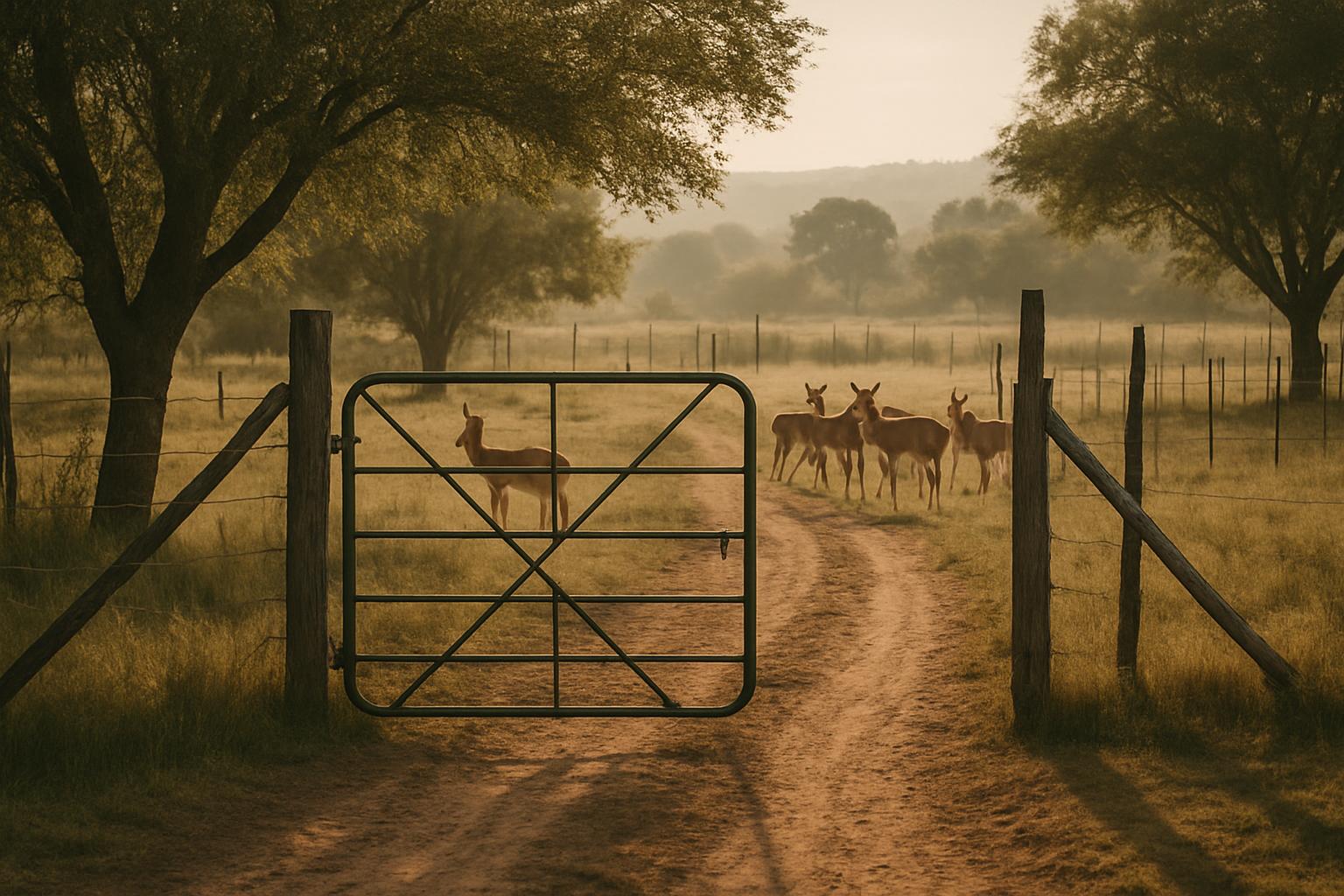
We rotate our deer between fenced camps so pasture, browse and shade get time to recover, especially in dry seasons.
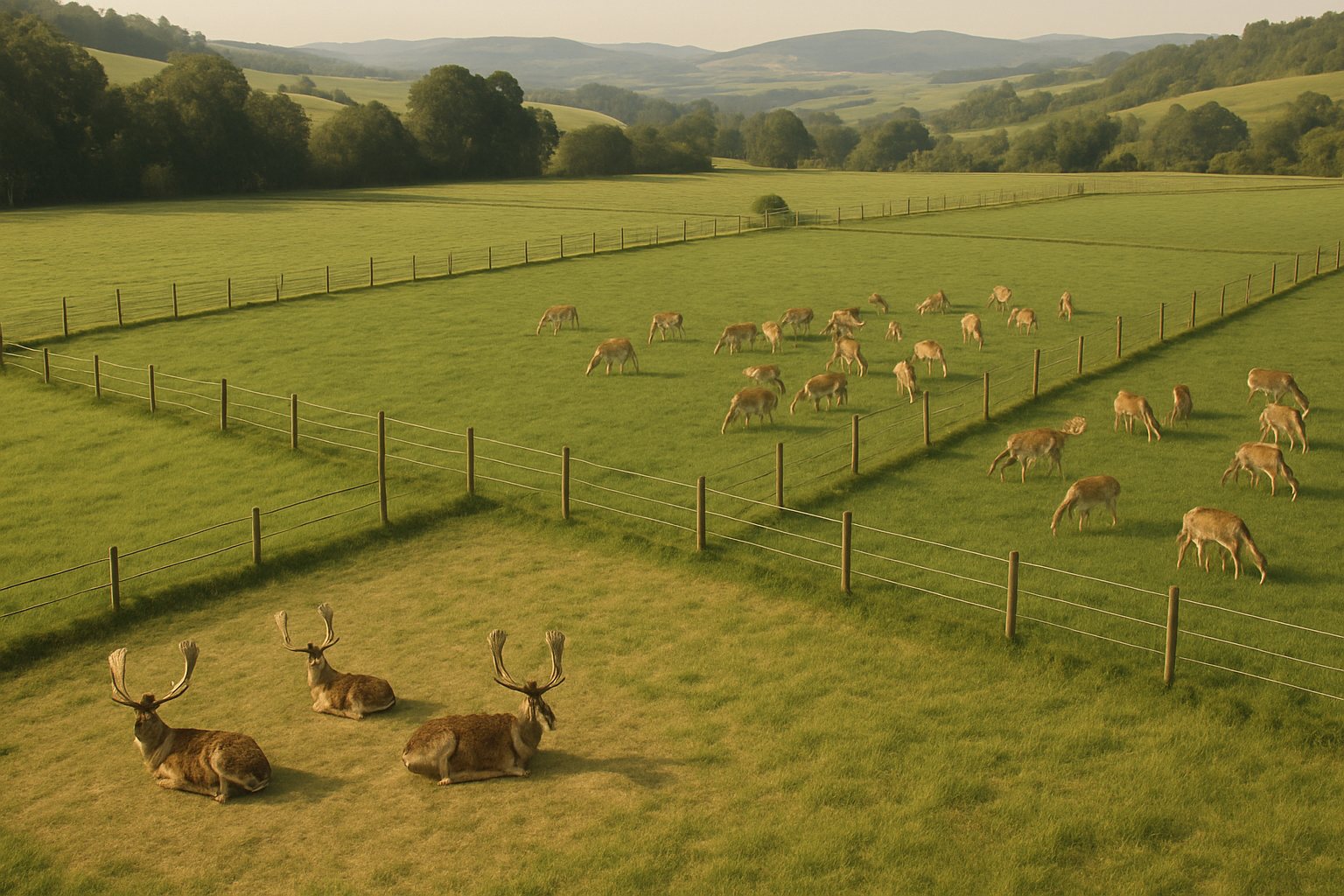
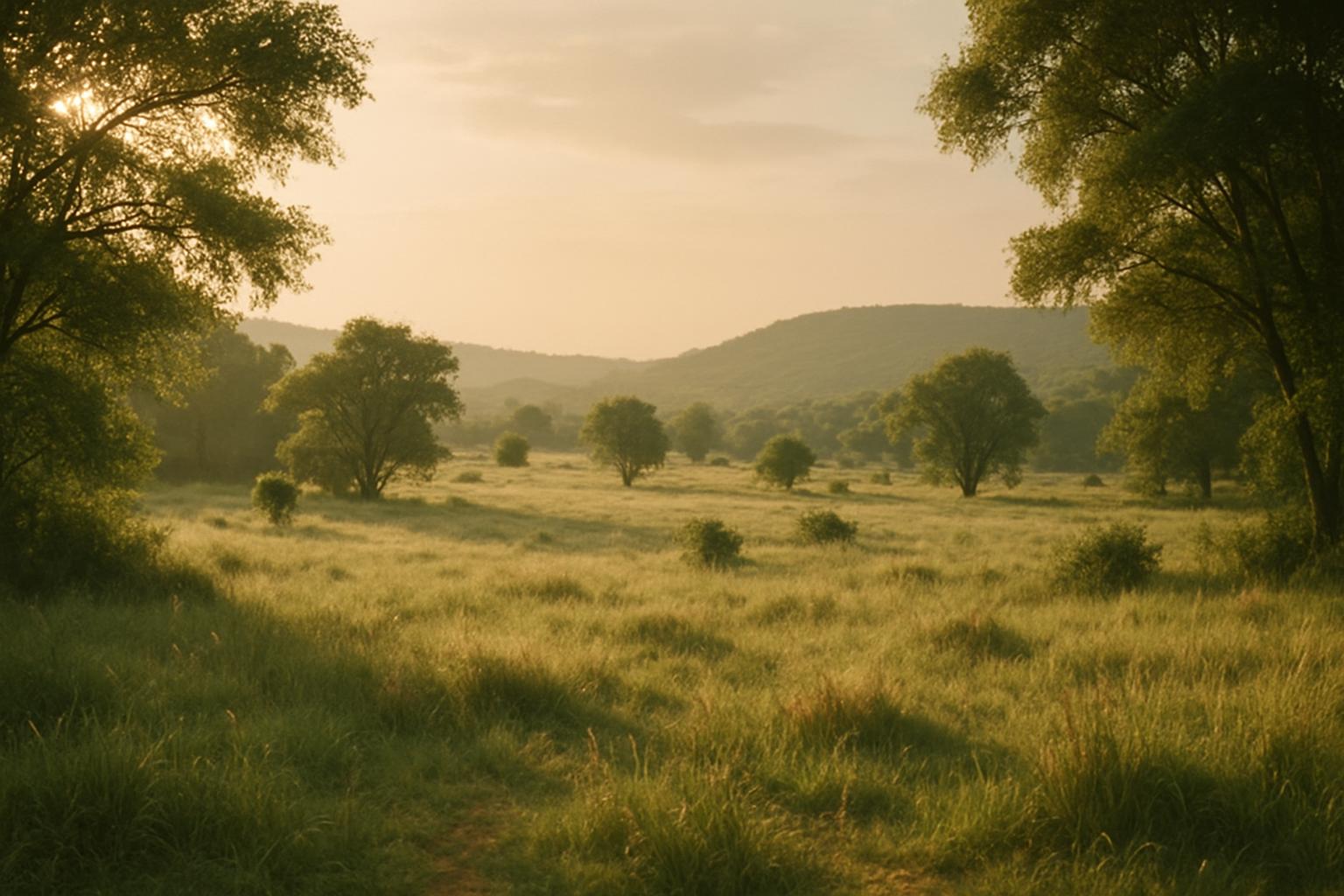
Each camp is rested until the grass and browse have grown back. Good rotation protects the veld and supports healthy deer on clean ground, especially in dry seasons.
On a South African deer farm, pasture rotation means moving herds between fenced camps so that no single camp is grazed too hard or too long. This is vital for fallow, axis, red and sika deer, all of which both browse and graze.
The practice serves our core breeding herds, yearling groups and deer in growth or recovery, giving each camp a full rest season for new grass and browse to grow. This helps prevent overgrazing, veld erosion and heat stress, and keeps shade trees from being stripped.
Our herd husbandry manager and our pasture and forage manager work together to plan the resting and rotation of camps for all our herds. Each programme has its own approach: Axis Woodland groups use large, bushier camps with thicket for shade and browse, while the Fallow Grove Herd rotates through grassier camps with sheltering trees and fresh understory growth.
Yearling Growth Pens get short, regular moves to keep young deer on clean ground with fine-stemmed browse. After each move, we rest the empty camp for several weeks or longer, depending on veld condition, rainfall and time of year. We check grass height, regrowth under trees, and look for signs of trampling or bare patches before restocking.
Drought, poor regrowth and patchy shade can all undermine pasture rotation. If rain is scarce, we lengthen camp rest, supplement with hay, and shift shade netting if trees are stressed. Camps near water or shade attract heavier use, so we rotate earlier there to give the veld a break.
Some deer, especially axis and sika, will overbrowse young trees if left too long, so checks are done weekly in high-pressure seasons. If we see soil compaction or damage from trampling, we break up larger herds or move them sooner. We also watch for parasites after heavy rain and rest camps longer if needed.
Pasture rotation is set at the start of each season but must adapt to weather and herd changes. In winter, we avoid overgrazing near water and keep deer away from frost-prone low spots. Spring and early summer bring fast regrowth if rain comes, and when an El Niño is forecast we prepare for a dry spell, resting camps longer and cutting back herd size if veld shows stress.
Permits require us to keep deer on named land, with good fences checked before every move. All staff are briefed before each herd move, and shade, water and forage are checked daily in hot weather. Any problems are logged and reviewed with the team each week.
Setting up camps
Verified Google reviews