Bloemfontein
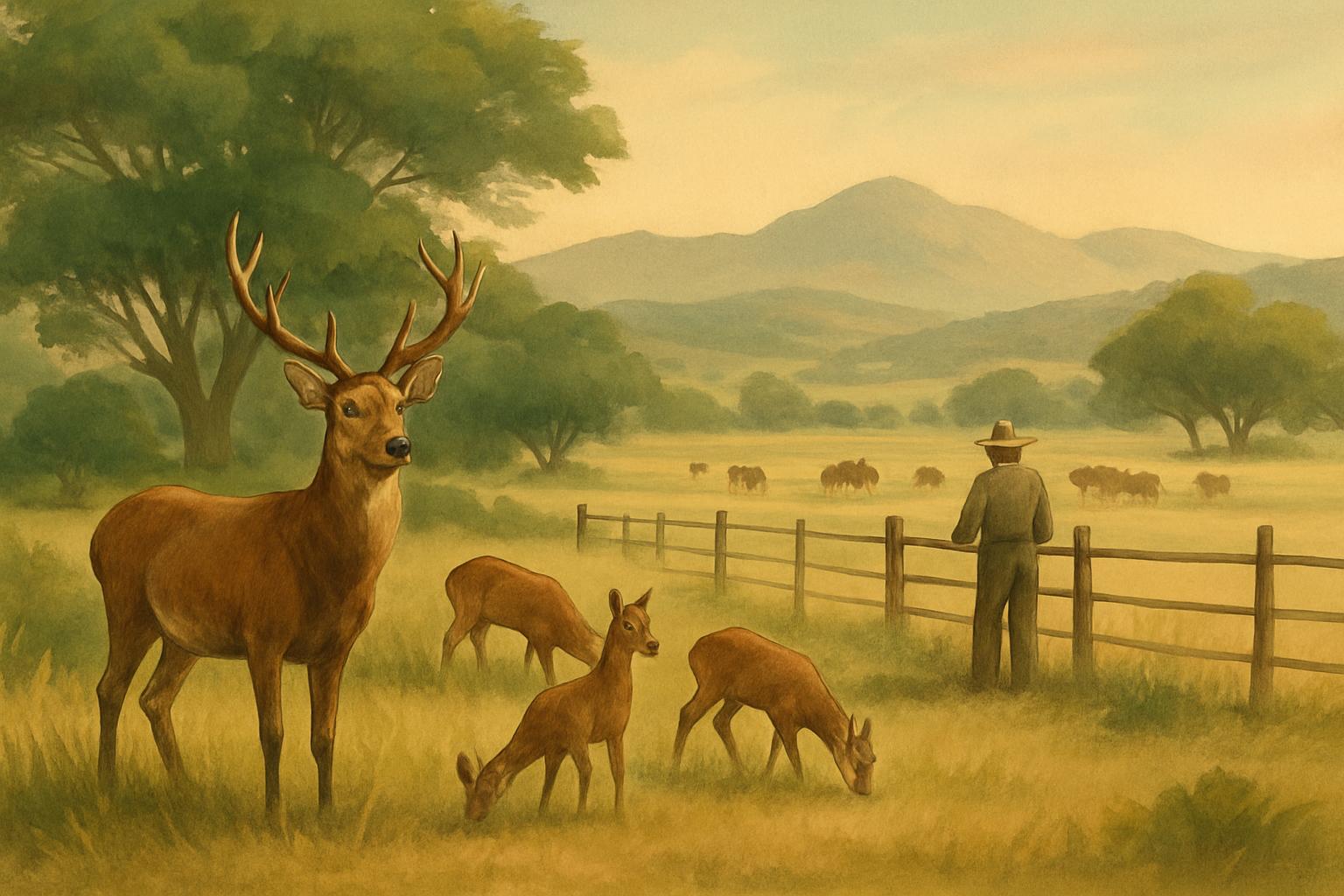
A highland red deer herd in the Free State found new strength through careful stud selection and detailed farm support.
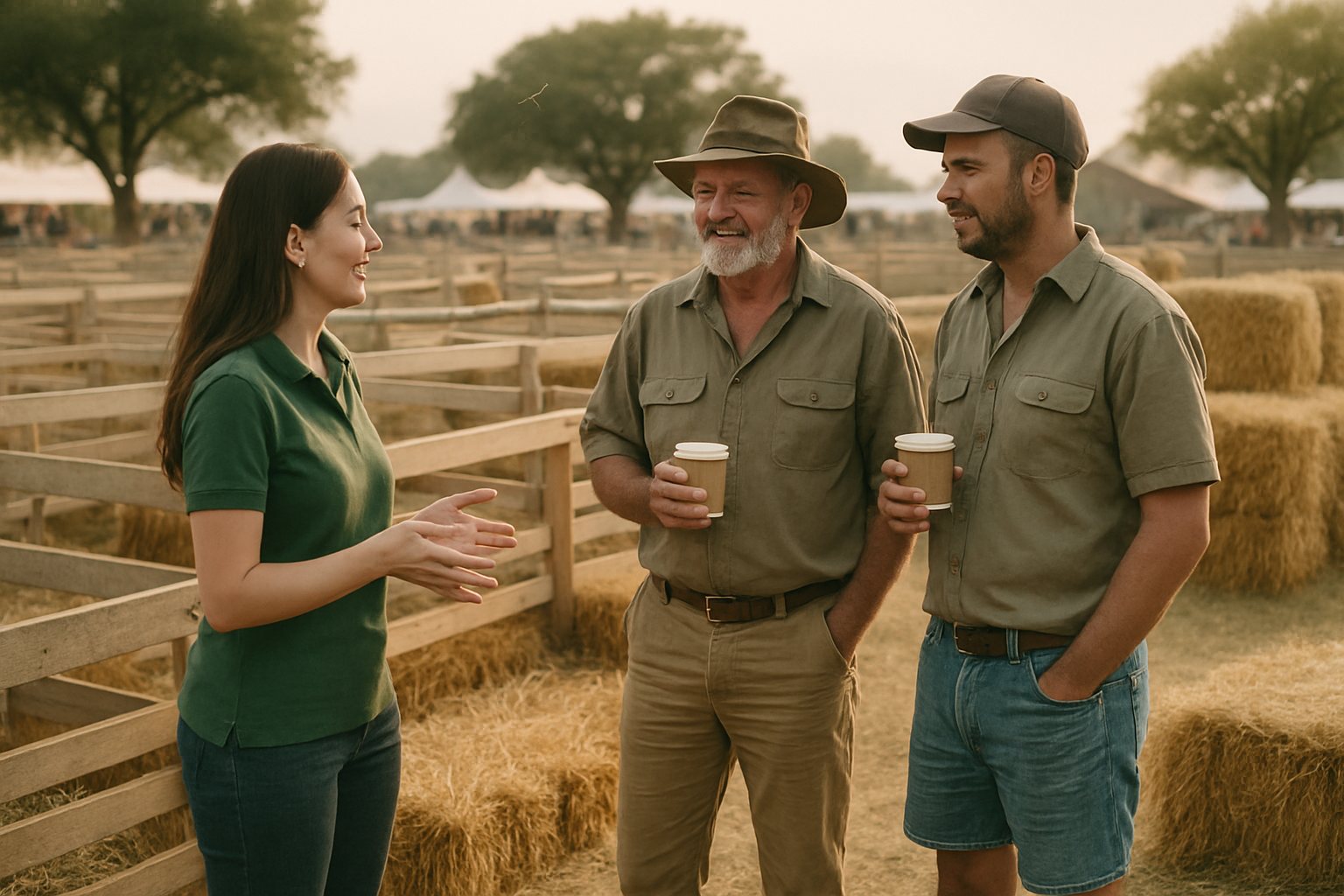
At the Bloemfontein showgrounds, we supported a local farm looking to improve their highland red herd. Our team delivered pedigree packs and guided visits, ensuring every step matched strict permit and welfare standards.
Bloemfontein winters bring frost and sharp berg winds, so any herd must stand up to temperature swings and dry veld. The local farm had a decent group of red deer but needed improved genetics to handle the tough highland conditions. Camps were fenced to permit rules, but there was a wish for more structure in record-keeping and long-term planning. After connecting at our seasonal stand at the showgrounds, the farm asked about our Red Stag Highland line and how pedigree records could help them grow.
We set up a detailed visit and used our Stud Breeding Programme to match their needs with suitable breeding stags. Our farm visits coordinator arranged a farm gate introduction and checked fencing and shade, while our stud records lead brought full pedigree packs and explained each animal's genetic background. The farm already held the correct permits for red deer, so we could focus on discussing animal movement under the current NEMBA rules. We explained how the Red Stag Highland line is selected for weight gain, cold tolerance and sound feet, and planned for a calm, supervised transfer when the farm was ready.
After the new breeding stag settled in, the farm reported more structured calving and a steadier, less stressed group. The move also encouraged them to use our pedigree packs for ongoing herd management across the whole herd. A few months on, the young reds were showing better growth and fewer foot issues in the wet spells. With our stud records and advice, the farm felt more confident working with state veterinarians if they ever needed to move deer under the new foot-and-mouth controls. It was good to see the new lines blend in with the older herd and to watch the veld recover after resting a couple of the smaller camps.
In future, we would space the visits so there is more time to walk each camp with the farmer and talk about grazing rotations. On this sale, we packed everything into one morning and didn’t leave enough room for questions about drought buffers or winter feeding. Next time, we will also bring an example of the Red Stag Highland ration for the farmer to see and maybe trial a small lot before the main handover.
Setting up camps
Verified Google reviews