Karoo Edge
A Karoo spring morning brought visitors to our main farm gate to meet the fallow, red deer and stud herds up close.
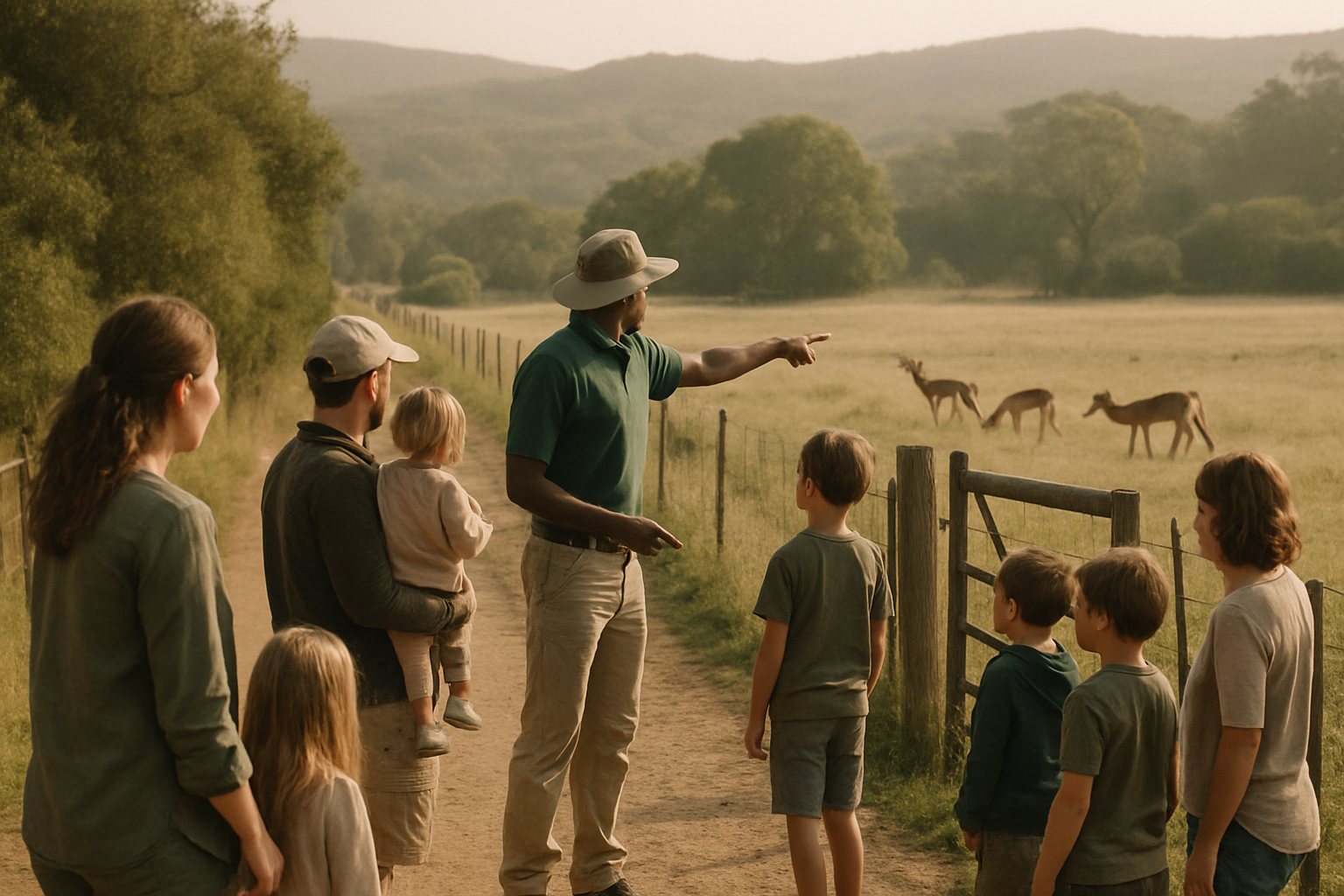
Families and college students walked the veld along our fence lines, learning why deer camps are built as they are. Each stop had its own herd keeper on hand to answer questions.
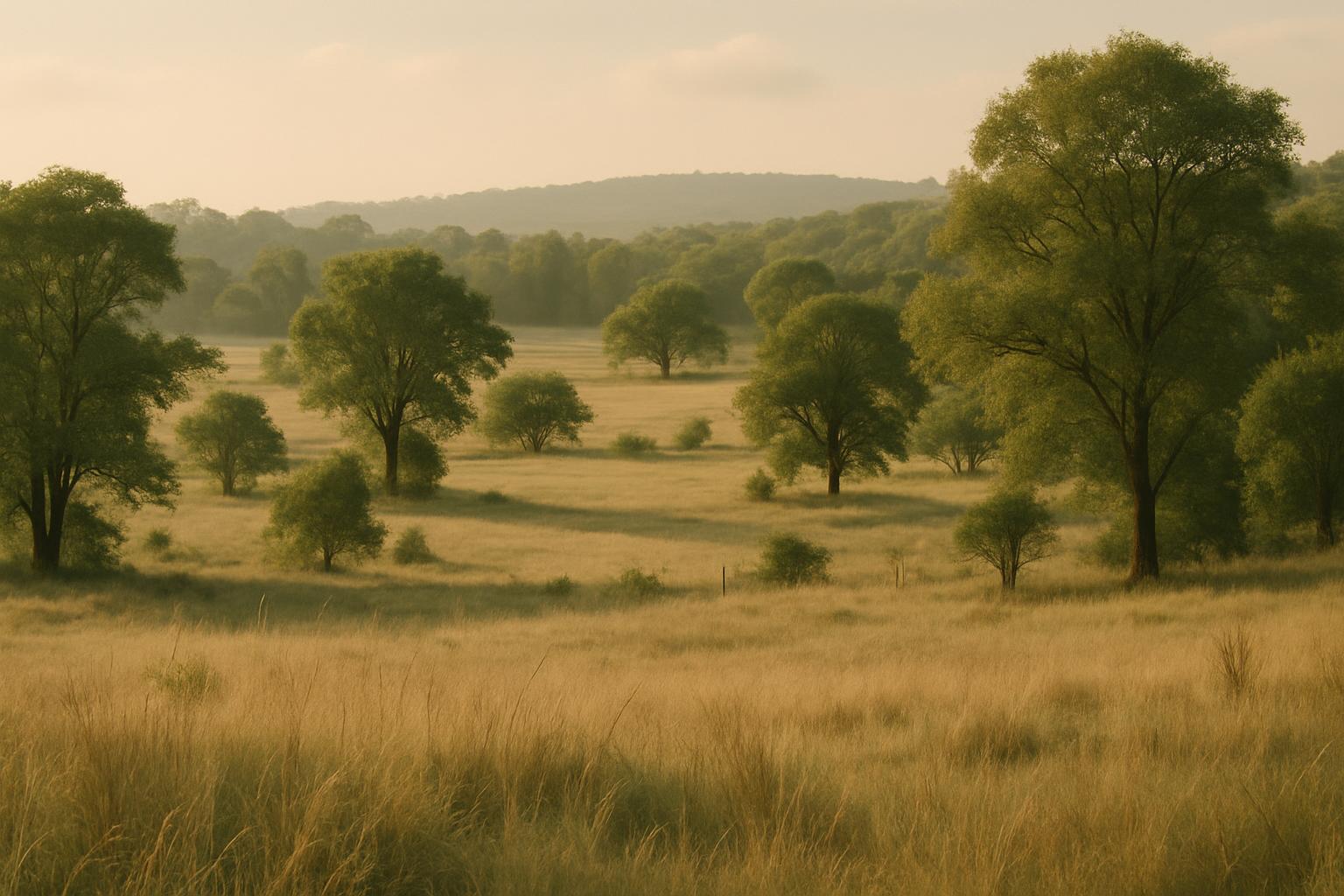
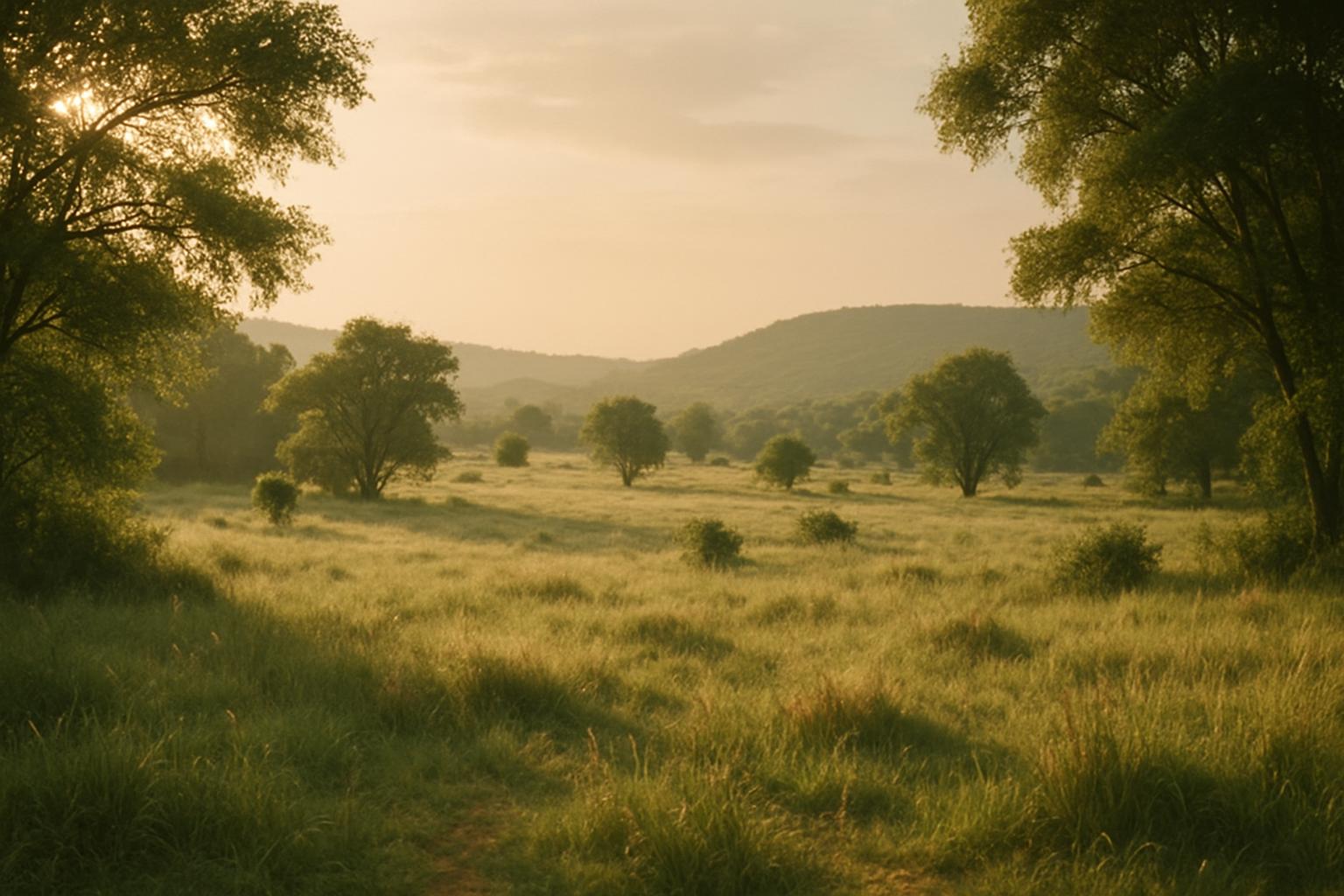
In early October, with the veld starting to green after patchy spring rain, we opened the Karoo Edge farm gate to booked groups. The koppies still held the last winter chill but the sun warmed the grass between our well-fenced deer camps. The farm road carried visitors past the main handling kraal, through the grove where the fallow deer herd browses, and out to the shaded corners where the sika keep to cover.
We set up water points and shady rest spots along the fence lines, and our farm visits coordinator greeted every group with a word about safety and the importance of walking quietly. Our low-stress approach meant the animals watched but kept their calm, drifting to browse nearby while people listened to stories of drought, veld management, and farm routine.
The day’s programme drew from three of our core herds: the Fallow Grove Herd, the Red Stag Highland, and the Stud Breeding Programme. Each stop along the walk was led by a team member with hands-on experience: our herd husbandry manager described the daily care and calm handling methods in the fallow camp, while our stud records lead unpacked how the stud records are kept and why our breeding plans matter.
We put special focus on the fencing. Many visitors had questions about permits and the legal duty to keep deer secure under NEMBA rules. Walking the perimeter, our pasture and forage manager explained how we plan for veld recovery, rotate camps to avoid overgrazing, and keep both the animals and the veld healthy, especially through strong El Niño seasons.
Visitors left with a much clearer sense of what it takes to keep deer well in the Karoo, from the importance of solid fences to the value of knowing each animal’s background. Several young people told us they now understood why deer need specialist care, and one college group said they’d take these lessons back to their own livestock projects.
For our herds, the quiet presence of small, respectful groups meant the animals stayed settled. Moving calmly as a herd, the fallow deer showed their usual curiosity, while the red deer kept to their shade but watched from a distance. Visitors watched quietly from the lane, and neither herd moved off.
Next time, we’ll stagger the start times more finely so groups arrive at intervals, keeping noise and movement to a minimum around sensitive camps. We’d also add a practical training day at the kraal for those interested in hands-on fencing techniques, and perhaps bring in a game veterinarian to answer more technical questions.
We found that even with careful planning, veld paths near water points need clearer signs to prevent trampling. We’ll mark these better and refresh shade covers before the next open gate day.
Days on the farm
Verified Google reviews