Stellenbosch
A week on the edge of Stellenbosch brought hands-on conservation learning to college students working with our deer.
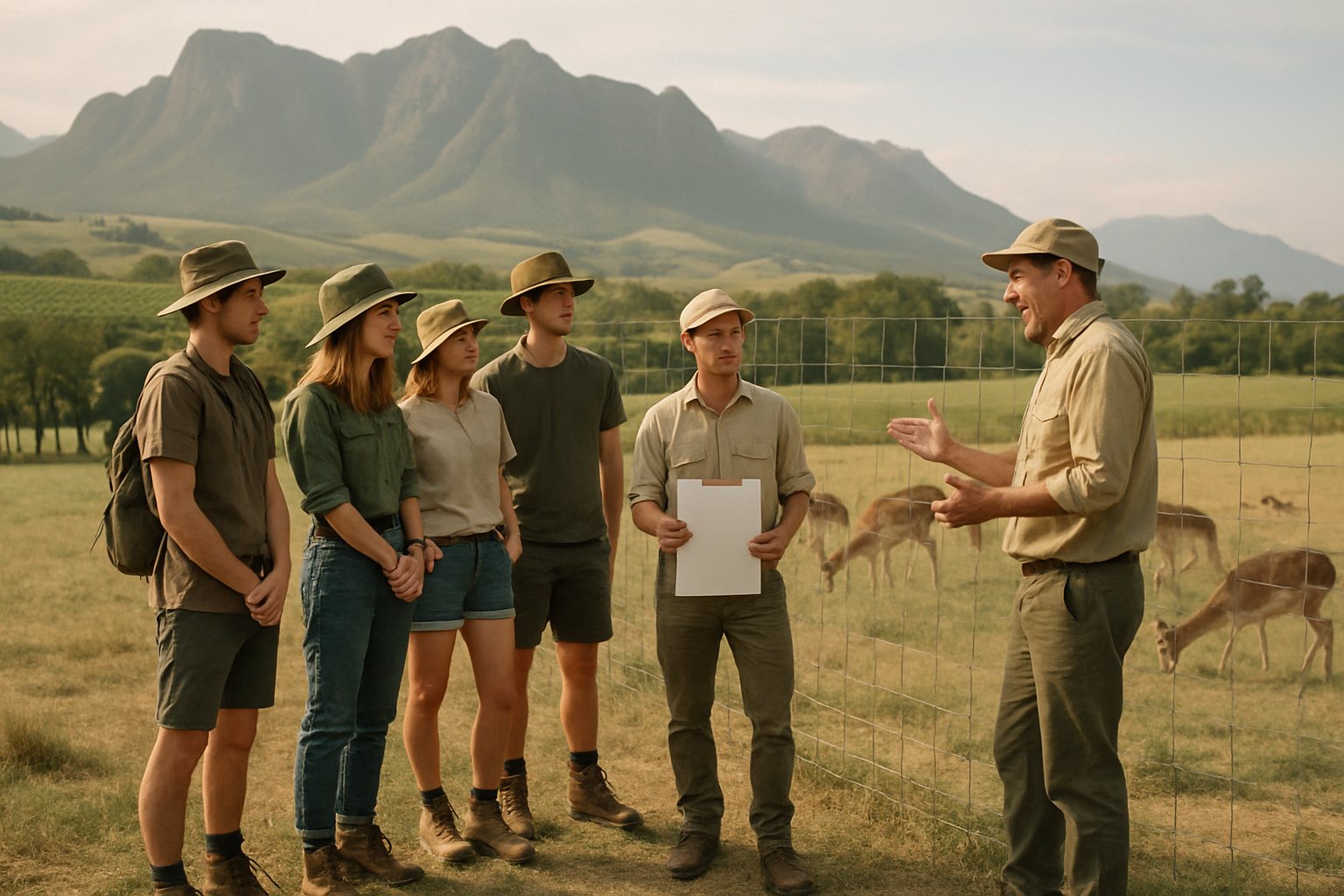
Students joined our team at the education farm gate outside Stellenbosch for fieldwork on deer fence standards and stud record-keeping. Working with the Border Teaching Herd and Conservation Genetics Line, they saw how practical measures support both animal welfare and genetic diversity.
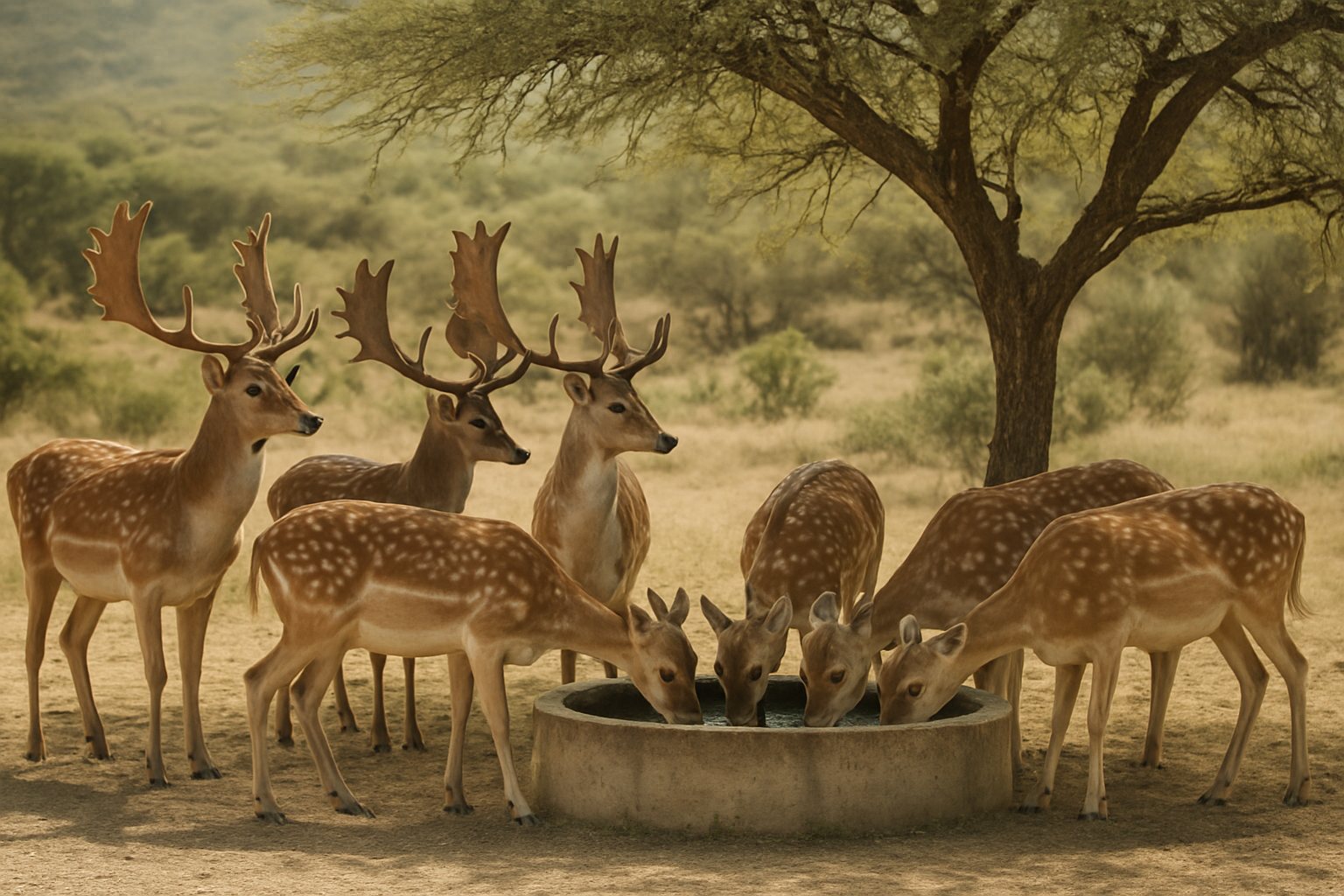
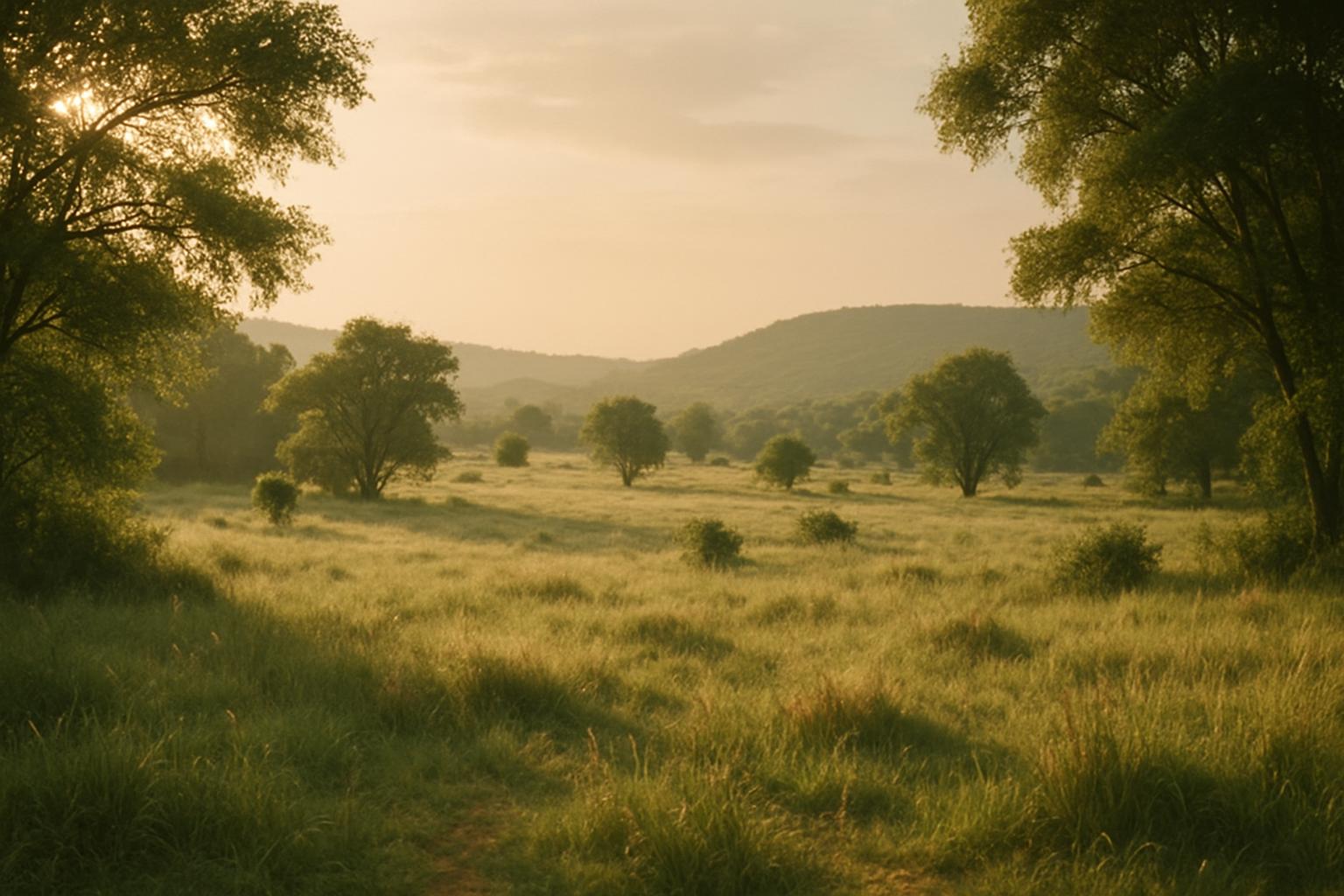
The education farm outside Stellenbosch sits under the lee of the mountains, where the oaks thin and the veld opens up. In early spring, with the Cape still cool and the grass just coming back, the barn classroom and fenced camps made a fitting base for a college group eager for hands-on experience. The Border Teaching Herd, a handful of settled fallow does and yearlings, was already grazing in the demonstration paddock beside the barn, and our stud records lead brought the Conservation Genetics Line files and samples from the fallow and red deer at Karoo Edge.
These visits are by booked appointment, with advance lists for biosecurity and permit checks at the gate. The plan was to focus on the nuts and bolts of deer fence construction and stud record work, linking practical skills to the bigger picture of legal compliance and conservation.
We structured the week around two main learning streams. First, with the Border Teaching Herd, students worked alongside our herd husbandry manager and our farm visits coordinator on walking fence lines and checking camp boundaries. They learned what makes a deer fence reliable: correct line posts, tension, electrics with backup, and gate layout, always with attention to permits and NEMBA rules. The group replaced a run of mesh and tried their hand at fitting insulators, all under supervision.
Then, with our veterinary liaison officer and our stud records lead, the Conservation Genetics Line took the spotlight. Students helped gather identity tags, check marking records, and compare pedigree packs. They saw how genetic diversity is tracked across the herd, and how we keep accurate, legal records for every animal, work that supports both conservation and compliance.
Students left with a bigger sense of what goes into permitted, responsible deer farming. Many remarked that this was their first close look at both the hands-on labour and the legal structure behind a working camp. Through direct fieldwork and discussion, they saw the value of good fences for animal welfare and disease risk, and how record-keeping protects genetic health.
For our animals, the teaching herd benefited from extra eyes on small repairs, and a few minor issues were picked up early. The does and yearlings stayed calm all week, as routines were kept and all handling remained low-stress.
Next time, we would split the group into slightly smaller teams, each with more focused rotations between fence, kraal, and records. This would give students longer, quieter sessions with the animals and more time to ask questions during the checks.
We would also add a practical session on camp shade and drought buffers. Colleges want to see adaptive forage and water management in action, especially for El Niño years. Feedback from this group will help us refine our education days further.
Days on the farm
Verified Google reviews