Practice
Strong forage buffers and careful camp management keep our deer productive and healthy through dry Karoo years.
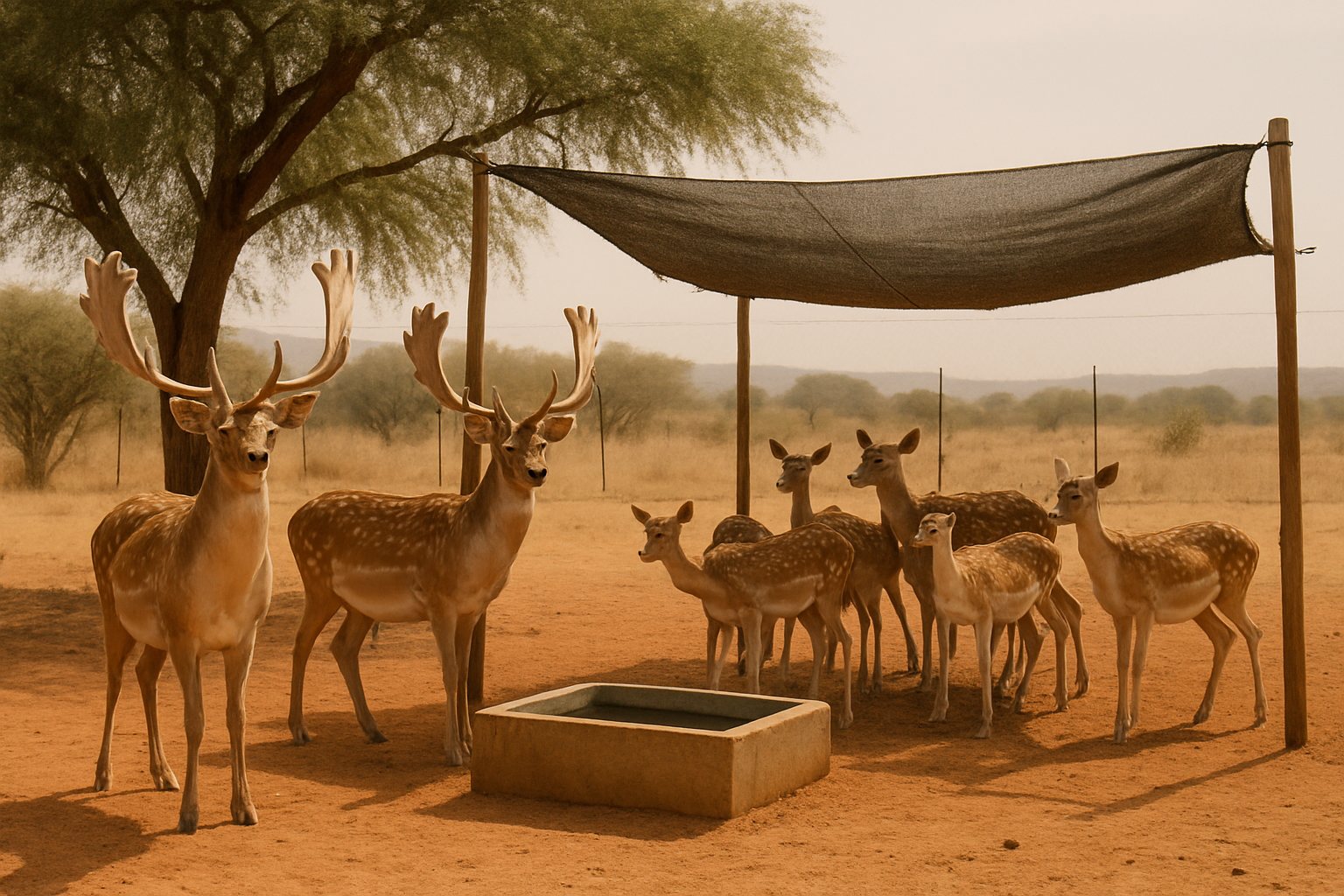
The Karoo's unpredictable rains make drought resilience a core part of our farming. We combine seasonal forage planning with stock numbers that match what the veld can hold, so neither the deer nor the veld loses condition.
We set our drought buffers in autumn, before the dry season begins. The Karoo cycles through good seasons and tough, dry years, and deer herds need planning to thrive through both. Forage buffers are extra reserves, bales, standing veld, drought fodder camps, kept aside for the bad times. Careful stocking means matching animal numbers to what the veld can hold through long summers and heatwaves. This practice serves both the deer and the land: keeping the animals well-fed and reducing grazing pressure, while giving the veld time to rest and recover. It also means our buyers, from restaurant chefs to fellow game farmers, can rely on consistent supply even when the weather turns hard.
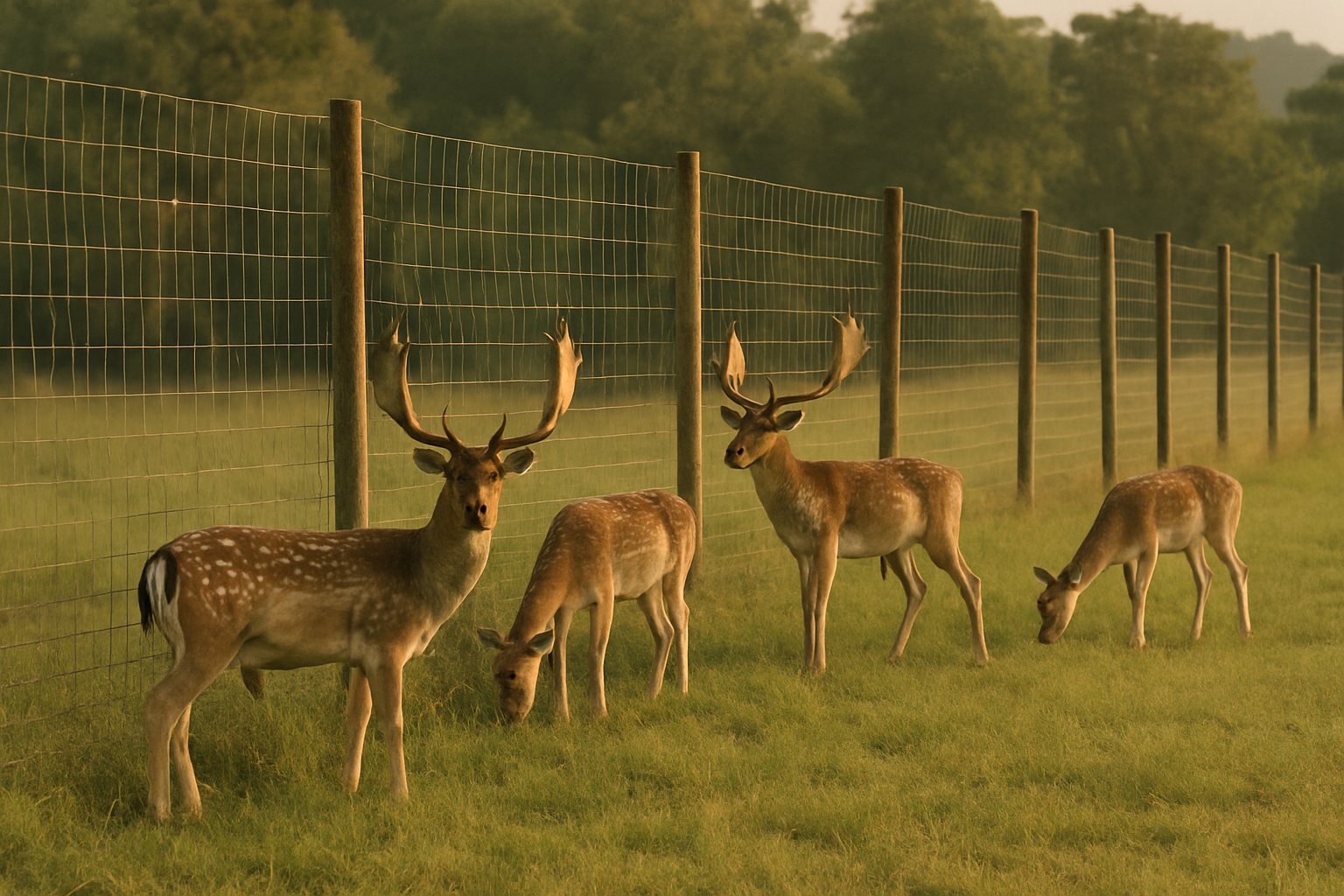
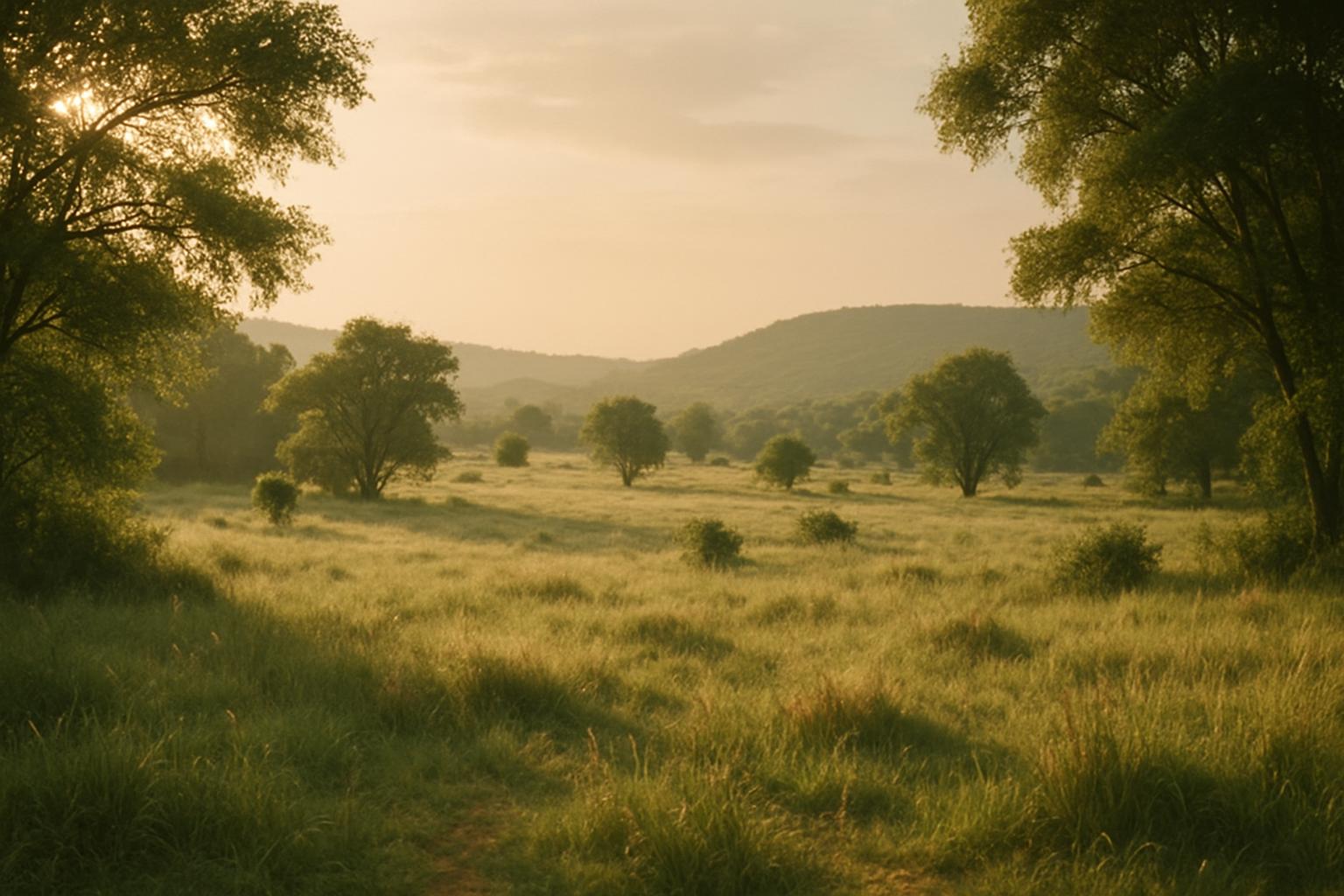
We build resilience by running a mix of pasture and veld camps, always with flexible movement between them. Yearling Growth Pens are used to finish young deer on irrigated pasture or bought-in hay when the veld dries out. The Red Stag Highland camps, higher up the koppies, are grazed lightly and rested through winter, then opened after the first spring rain so the veld has a head start. The Hybrid Venison Line is rotated through different forage plots so no section is overgrazed. We keep a rolling reserve of bales in the shed, with backup feed and water for the main herd. Each camp is checked weekly for available browse, water points and shade, and we adjust numbers or move animals before the veld becomes stripped. We also keep in touch with local stock farmers, sharing notes on how the veld is faring and which feeds are moving in the co-op. Careful records show us which areas need longer rest, and which can safely take a handful more deer as conditions allow.
Drought brings its own set of problems. Overgrazing can take hold quickly if animal numbers aren't reduced soon enough, leading to bare ground, dust and bush encroachment. In hot, dry spells, water systems can fail and bakkies get stuck in the dust. Power cuts threaten the cold chain and electric fencing, so we run solar and generator backups for both the energisers and the cold rooms. In hard years, we sometimes need to sell down the herd or move groups to the Lodge Supply camps near the Mbombela gate. If we do need to move live animals, all the right permits and veterinary checks come first. Foot-and-mouth disease controls have tightened: if our area falls under quarantine, we keep all livestock movements on hold until the state vet gives the go-ahead. A small group left in a corner camp is easily missed, so we double-check our herd lists before and after any move.
Each year, the calendar shapes our plans. In spring, as the first Karoo grasses shoot after scattered rain, we open rested veld camps and gradually increase stock numbers in line with new growth. In summer, when the worst heat and berg winds arrive, we check water points daily and shift animals early in the morning or late in the day. Autumn is for weaning in March and building forage reserves for winter; culls go in the July to September harvest window. When the South African Weather Service warns of a strong El Niño, we tighten stocking, ration out the oldest hay first and give drought camps longer to recover. Staff meetings focus on what each camp needs: our pasture and forage manager walks the veld with a notebook, our herd husbandry manager checks shade and fence lines, and our venison provenance manager monitors the Karoo Edge cold room stock. Rules and permits are updated as soon as new government notices come out. By keeping the whole team alert, we can change our plan quickly if weather or veld conditions shift.
Setting up camps
Verified Google reviews