Practice
We supply restaurants with venison from the veld, tracing every batch and naming its provenance.
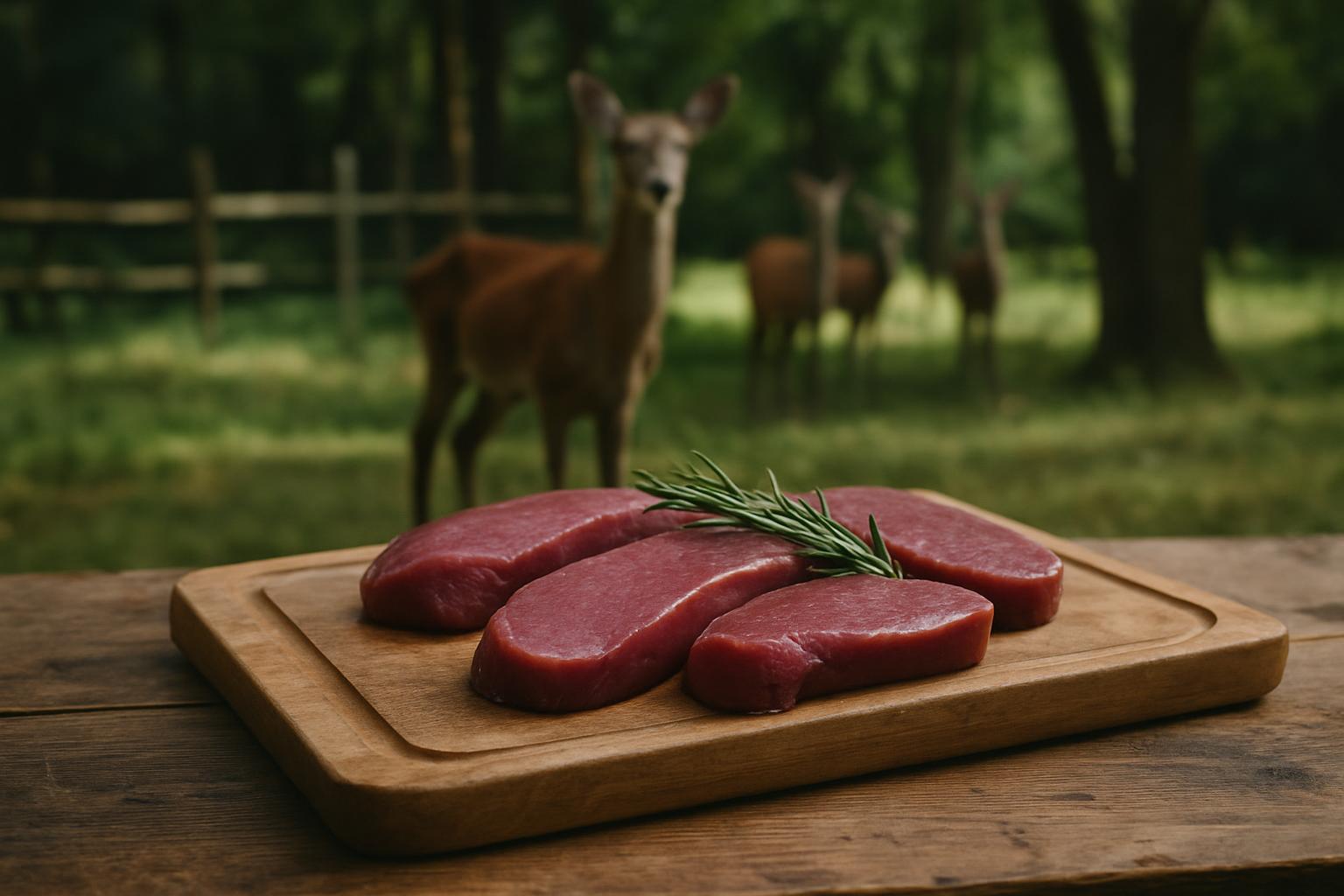
Deer Farming brings farm-to-table meaning into practice, offering chefs and butchers named lots of venison from specific herds and camps. We maintain tight provenance, with each batch prepared to meet customer needs and delivered under cold chain from veld to kitchen.
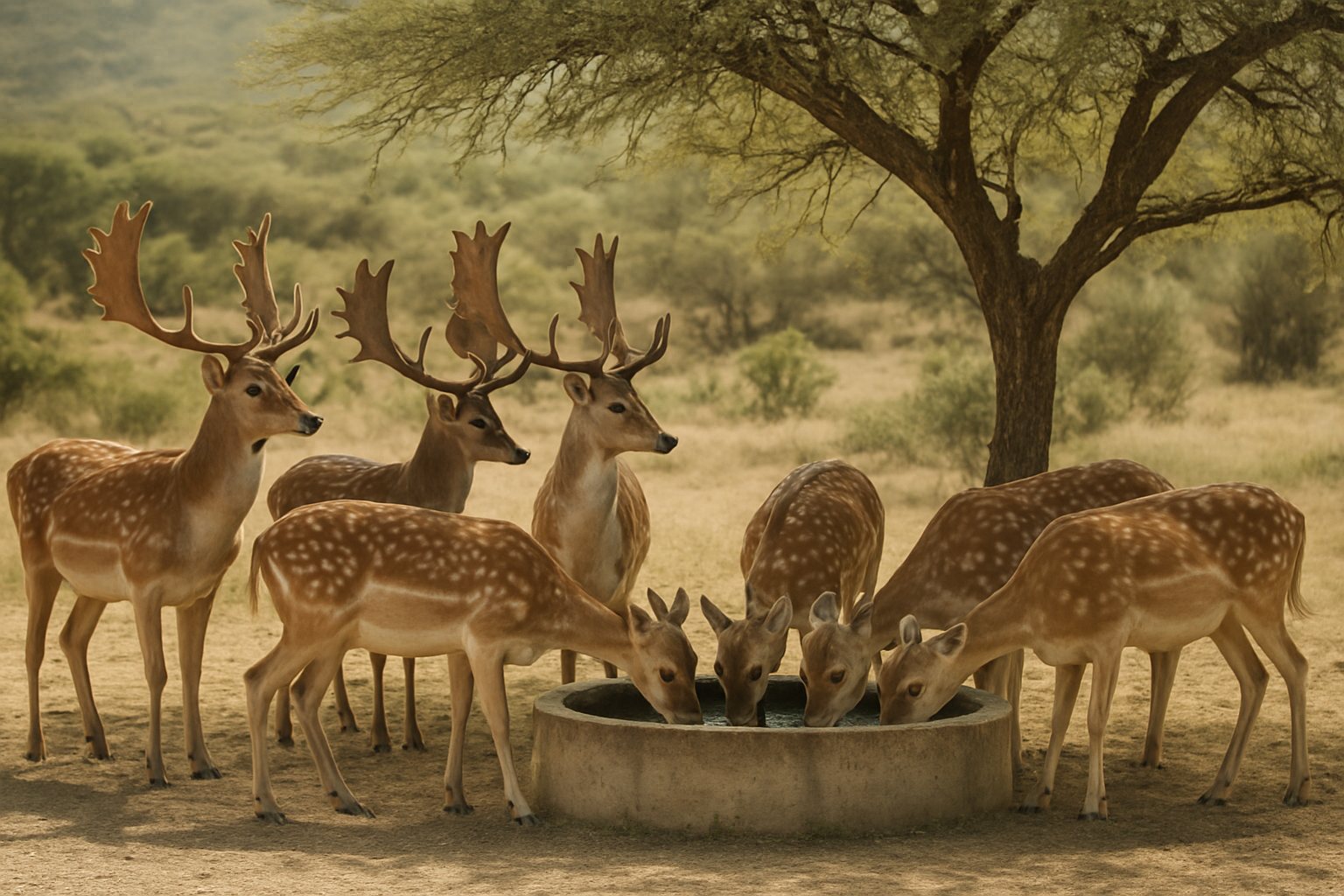
Our farm-to-table venison is traced from camp to plate, with welfare and flavour notes for each lot. Every fallow, red, sika or chital deer that enters our kitchen supply line is recorded from the very start, right back to the specific camp and herd at Karoo Edge or our satellite farms. We work with chefs, restaurant buyers and butchers who value the taste, the story and the ethics behind every cut. Our named lots mean you know exactly which herd and veld block your venison comes from, and we can provide chef or butcher briefs tailored to your menu or counter.
By keeping the full process under our own eye, from veld to abattoir, we serve kitchens and shops who want South African venison farmed under permit with full animal welfare and provenance.
Our core practice rests on three related programmes: Farm Table Venison, Hybrid Venison Line and Fallow Grove Herd. Each lot starts with herd selection, led by our venison provenance manager, who works with chefs and butchers to understand cut preferences, fat levels and intended use. Our herd husbandry manager and our veld team select and prepare the right animals, focusing on low-stress handling and precise camp records.
After humane slaughter at our registered partner abattoir, we document each carcass by camp and date. The cold chain is maintained throughout, backed up by batteries and solar where needed to protect against power cuts. We then prepare each named lot to the chef or butcher’s brief, whether whole carcass, primal cuts or specific trim. Orders are packed and labelled by lot, with full provenance paperwork, and delivered directly to our customers or their collection points.
Every step is recorded, and each batch carries its veld story right to the kitchen.
Farm-to-table venison can go wrong if handling slips, records are muddled, or cold chain breaks. We avoid these issues by careful planning and checks at each step. Our main risks are stress during handling, trace mix-ups, and delays at the abattoir. With our herd husbandry manager on low-stress handling and our venison provenance manager checking paperwork, we keep every lot traceable and calm. If weather turns hot or delivery is delayed, our backup systems keep cold storage reliable.
Cross-contamination is a risk in a mixed-species abattoir, so our venison provenance manager makes sure our lots are cut and packed separately, and all paperwork follows the named batch from veld to abattoir to end buyer.
Farm-to-table venison supply is shaped by the seasons, herd cycles and legal duties. Spring and early summer bring peak pasture growth, and veld stress when rain fails; our harvest window is July to September. In El Niño years we adjust grazing and drought buffers early, under our pasture and forage manager’s eye, to keep condition and flavour consistent through the dry months.
Permits under the Alien and Invasive Species Regulations are always checked before handling, and all abattoir dates and deliveries are booked ahead, especially before Easter and game festival seasons when demand is high. The Animal Diseases Act (especially for foot-and-mouth disease controls) sets clear rules for live animal movements, but not carcass supply, so we focus on cold chain and biosecurity at all handling points.
Our team holds regular planning meetings, and our farm visits coordinator takes bookings for farm visits and chef education days, so everyone in the chain knows what’s coming up. For named lot orders or to discuss chef briefs, send a message through our contact form.
Buyers and partners
Verified Google reviews