Practice
Our feed programmes keep deer thriving on veld forage, with transitions to concentrates handled with care.
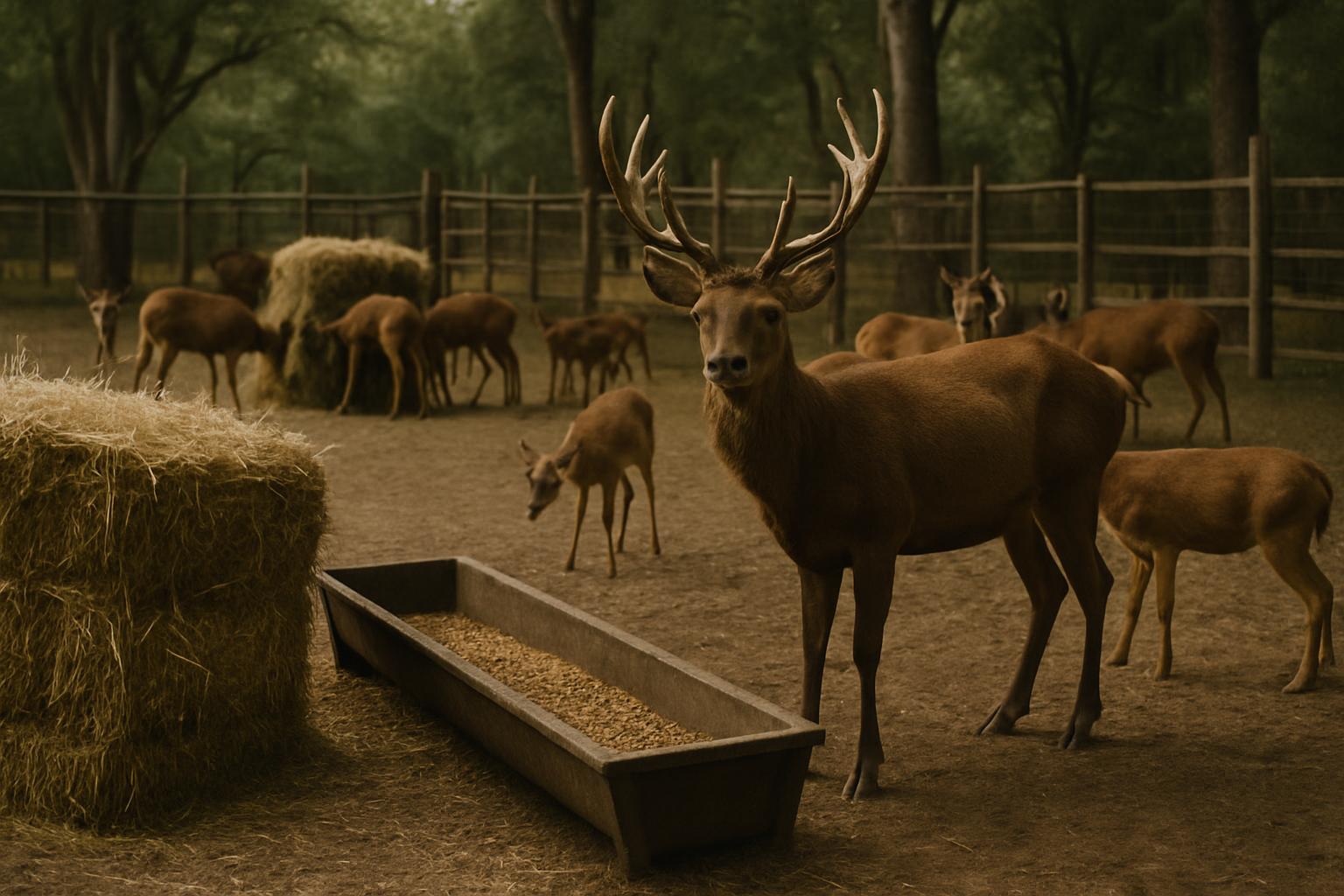
Deer Farming develops forage-led feed plans matched to each deer group’s needs and veld condition. Concentrate feeds are used only where necessary, with each transition managed slowly to protect rumen health.
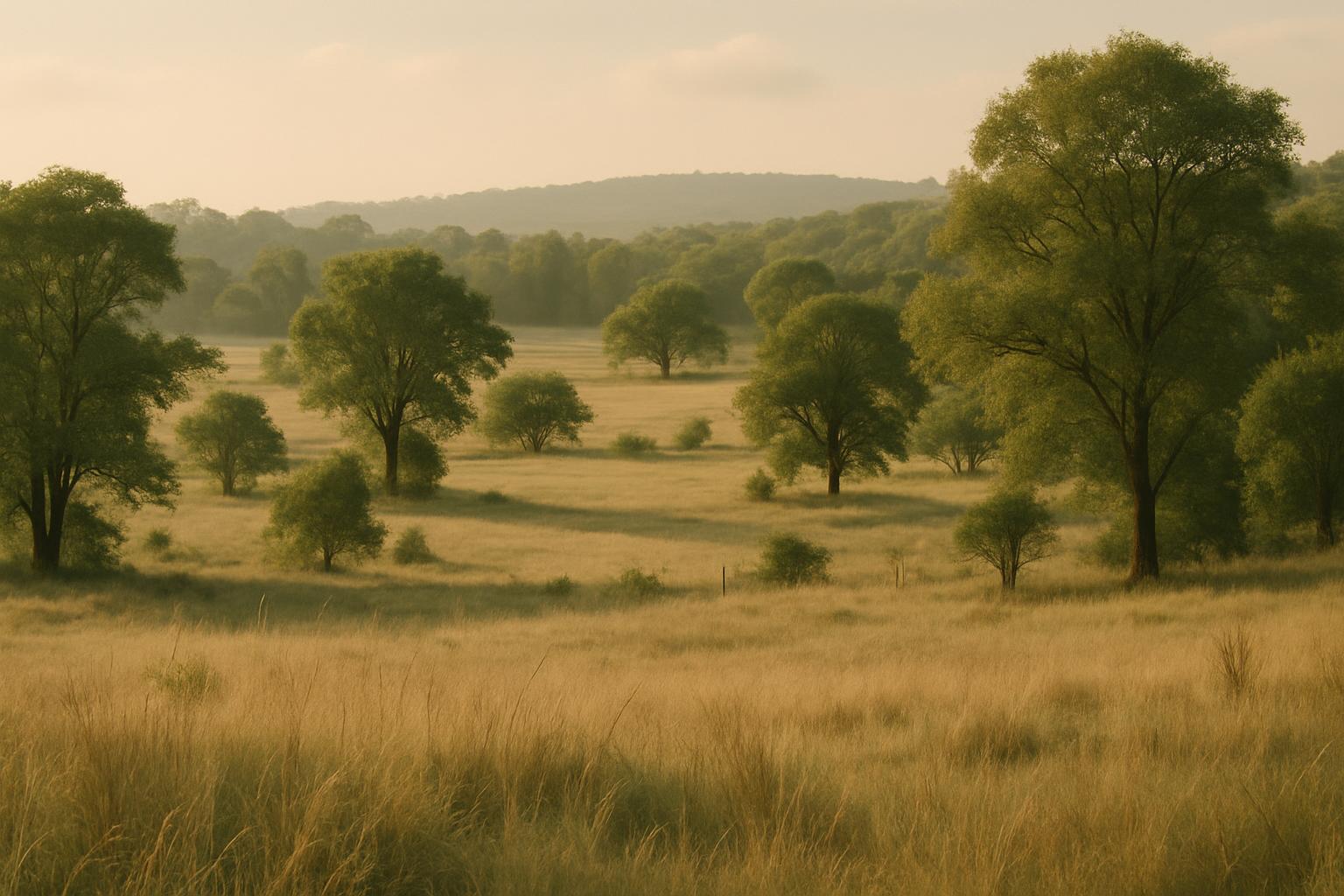
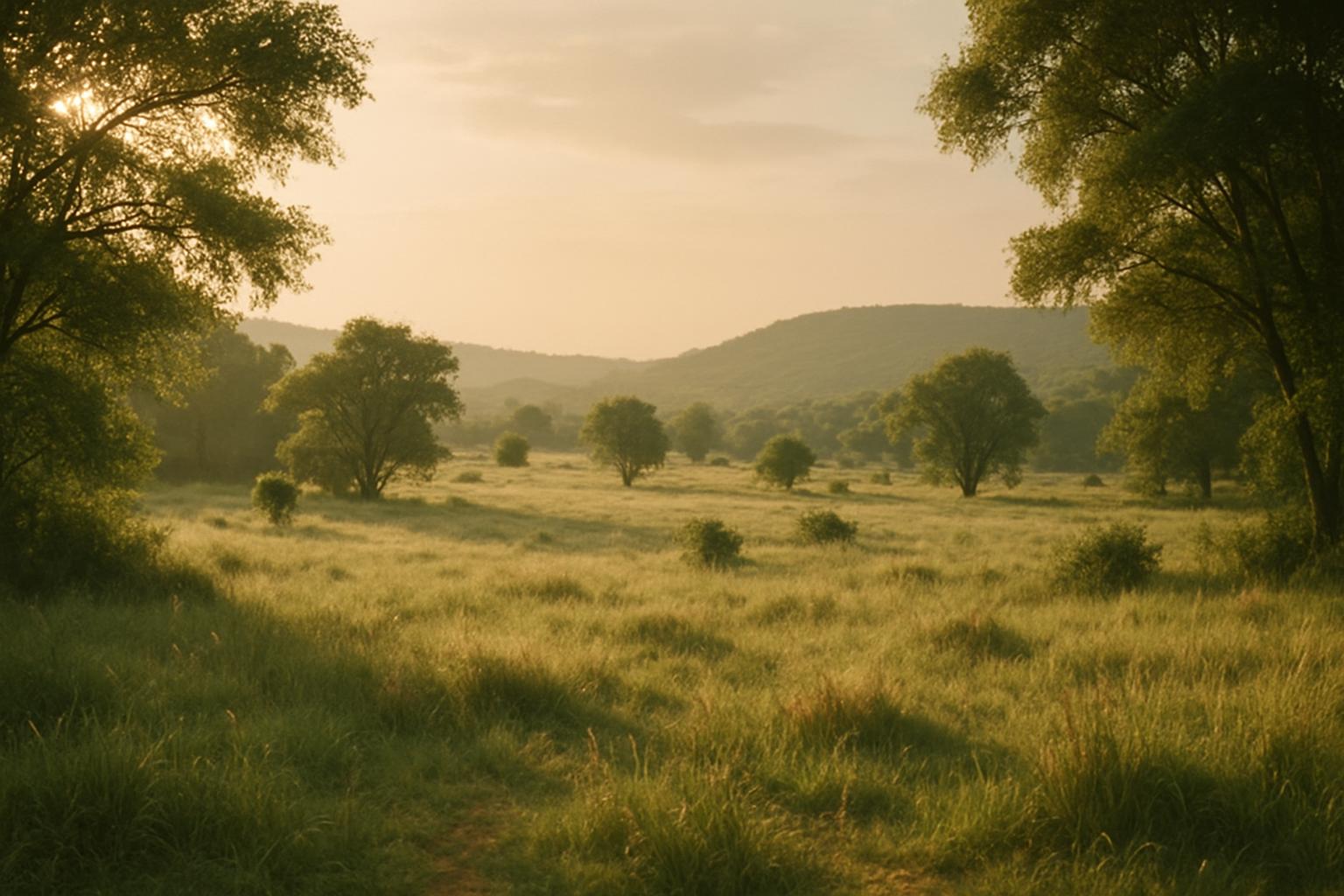
On a South African deer farm, feed starts with veld and browse, with lucerne in the trough as a top-up. Our approach considers the veld, the climate and each deer group’s daily needs, from lactating does to growing yearlings. Forage is the base, drawing on mixed Karoo veld, Midlands woodland browse or indigenous grass near the Mbombela gate. We balance this with careful use of concentrates during high growth, rut or drought, always respecting the natural grazing habits of fallow, red, sika and chital deer.
These feed programmes support farms raising stud animals, commercial venison herds and conservation projects. Whether supplying a kitchen, producing stud sires or running education days, our goal is healthy, well-grown deer that fit their environment and purpose. Related feed work includes our Yearling Growth Pens, Hybrid Venison Line and the Sika Quiet Pasture, each with its own feed plan tailored to breed, age and region.
Each feed plan is drawn up after a veld walk. Our pasture and forage manager and the Karoo Edge team assess grazing condition, plant diversity, water points and shade, recording what’s available before supplementing. We rotate camps and rest veld, letting indigenous grasses recover after the main grazing period. The core herds, including fallow, are mostly veld-fed, with hay and browse cut for drought resilience.
When we need to use concentrates, such as during Yearling Growth Pens or for Hybrid Venison Line animals close to target weight, we introduce pellets or grains over 10 to 14 days, starting with small handfuls. Our venison provenance manager keeps daily feed records, checking that no animal is left behind. The Sika Quiet Pasture herds get extra leafy forage and very gradual concentrate transitions, as sika deer can be fussy eaters. Each batch of feed is checked for freshness and contamination. Veterinary guidance is always part of the programme, especially for new feeds or after stress events.
Any change in diet can upset a deer’s gut. Sudden changes, especially from veld to rich concentrate, can cause acidosis or bloat. Overfeeding young animals or offering new feeds too quickly triggers digestive upset. Spoiled feed or water can spread disease. In a warm, dry El Niño year, pasture quality can drop fast, pushing animals to eat less or risk weight loss.
We stick to gradual changes, allow shy feeders time to adjust, and monitor dung and rumen fill every day. Our camps have extra water points in summer. Feed bins and troughs are cleaned daily. Our herd husbandry manager checks for any sign of foot-and-mouth disease when moving between camps, following the latest FMD controls in affected areas. Nutrition plans are regularly reviewed with the vet team to catch any early signs of deficiency or overfeeding.
Seasonal changes drive all feed planning. In the Karoo, winter means dry veld and extra hay, while summer storms can bring a flush of green. The Midlands often face mist and wet spells, which slow pasture growth and leave camps muddy. For El Niño years, we keep backup fodder, drought buffers and shade ready to keep deer comfortable.
Feed stores and the cold room have battery or generator backup for power cuts. Staff rotate duties so that every camp is checked daily, and all concentrate deliveries are logged. Permits for keeping and moving deer require us to record feed sources and camp rotation, as part of our legal and animal welfare duties. The feed calendar is reviewed each season, with input from the team and local game vets, to keep the programme responsive and practical.
Days on the farm
Verified Google reviews