Practice
Export-ready venison needs complete herd records, a registered partner abattoir and a cold chain logged from the chiller to the cold room.
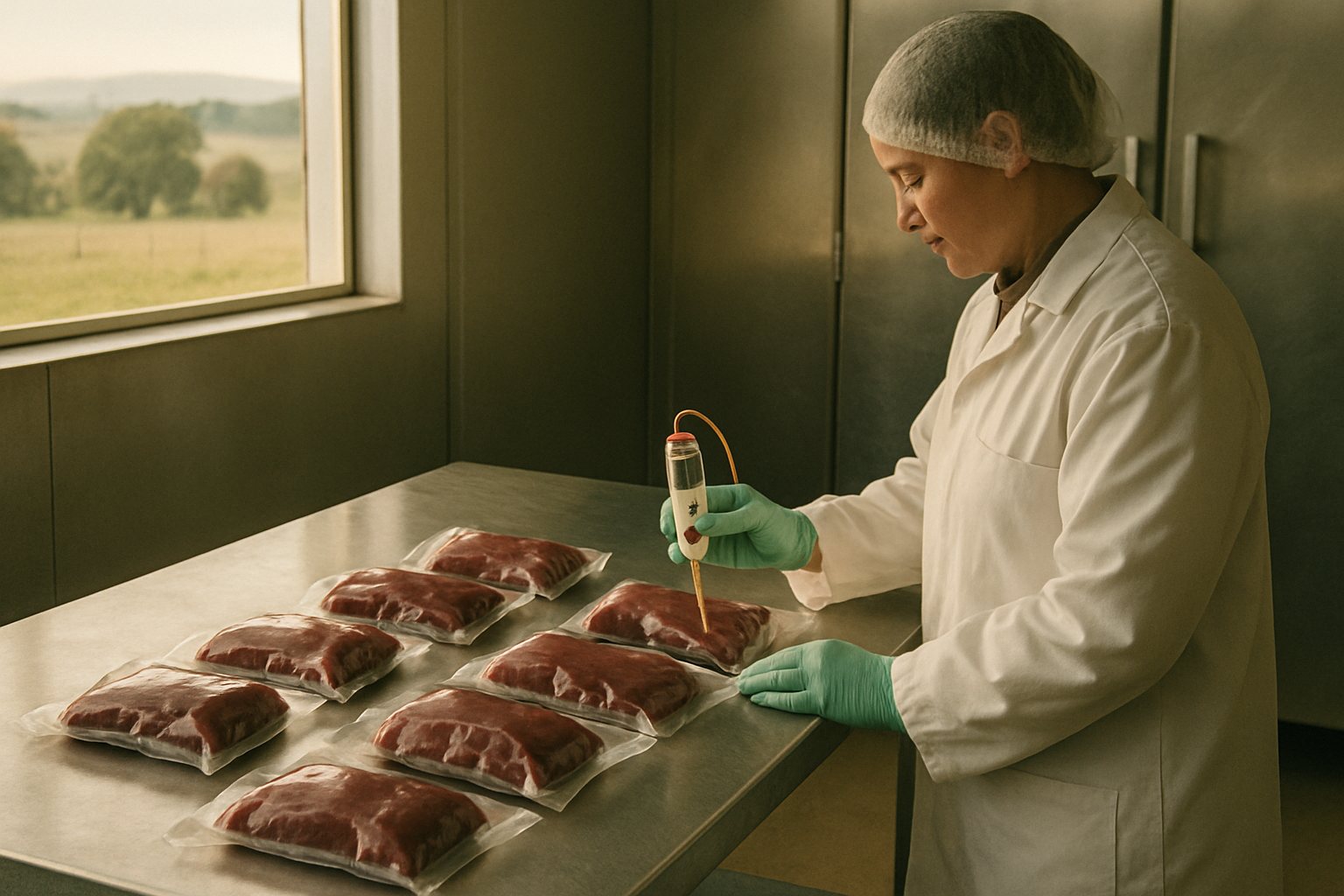
Our export-minded venison work means every lot is fully documented, traceable and compliant with national rules. From Karoo Edge to export gate, strict protocols ensure safety, provenance and international market readiness.
Export lots need sound carcasses and a complete paper trail. Every step is logged, from the animals’ camp records to the abattoir and the cold room. This practice is for chefs, farm shops and international buyers who require formal records for every kilogram, and for South African farmers aiming to meet export protocols. South Africa’s venison export market demands clear documentation, legal movement and disciplined cold chain, especially as fallow, red, sika and chital deer are controlled species. Every animal must be moved under the right permits, and every animal leaving the farm for venison is slaughtered at our registered partner abattoir.
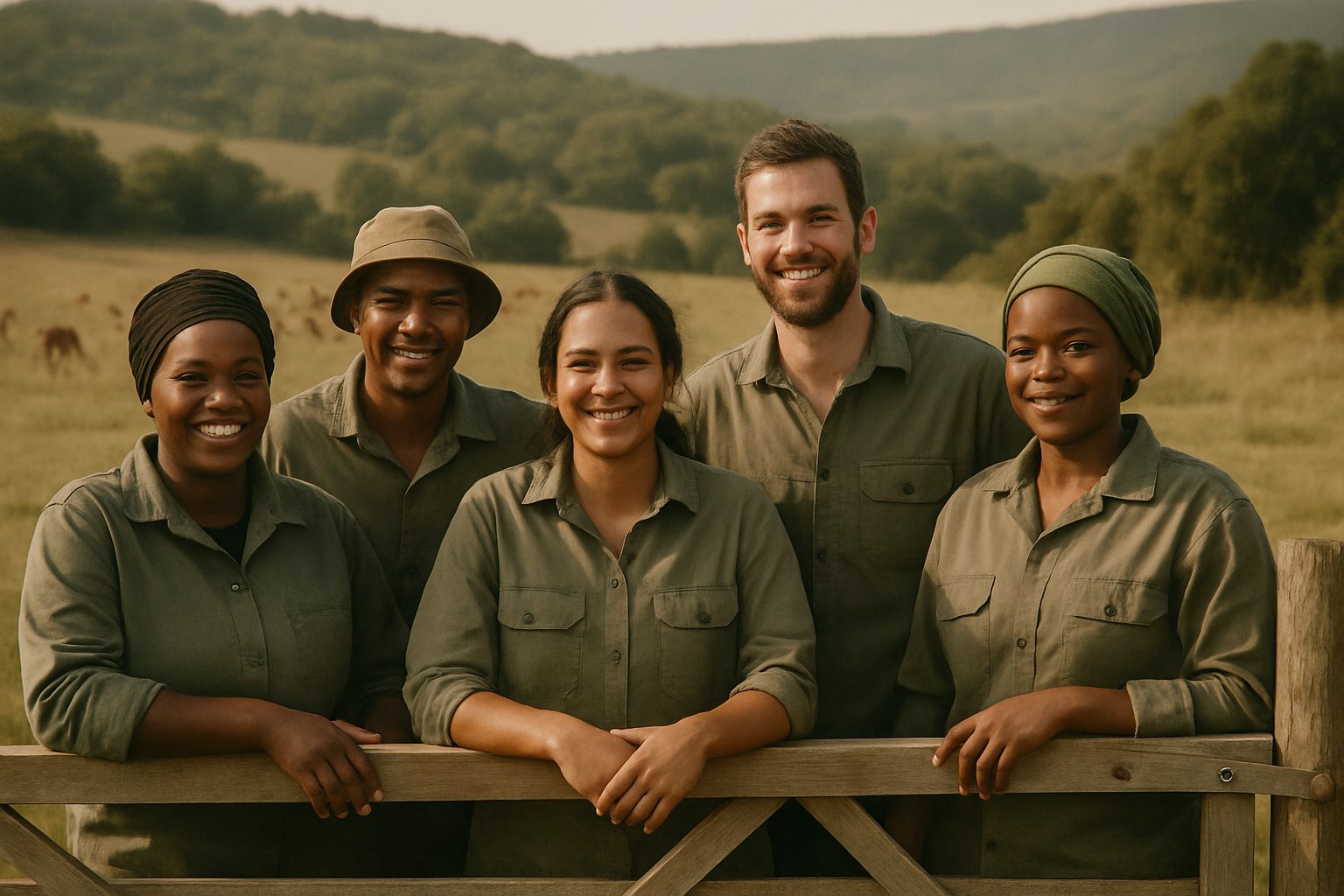
Each export lot is built from strict camp management and lot records, drawing on experience from our Farm Table Venison, Hybrid Venison Line and Stud Breeding Programme. Our venison provenance manager works with named lots, keeping precise records from veld to abattoir. Each animal is tagged and recorded in the stud book by our stud records lead, with oversight from our veterinary liaison officer who liaises with state veterinarians for movement and export health certification. Every consignment moves with full cold chain discipline, using backup power for the Karoo Edge cold room and energisers to keep meat safe even during power interruptions. All venison is cut and packed at the partner abattoir, meeting the Meat Safety Act requirements for export pathways. If export is planned, we work with export-approved facilities and keep detailed documentation available for inspection.
Export lots can be delayed or rejected if documentation is incomplete, if a lot’s provenance is unclear, or if cold chain breaks occur. Foot-and-mouth disease status is critical: the state vet’s written permission is needed in restricted areas, and movement from a quarantined property without full clearance is not allowed. Incorrect permits, poor recordkeeping or lax abattoir standards can lose export approval. To avoid these, our team double-checks every step: our venison provenance manager confirms lot lists and abattoir paperwork, our stud records lead checks the trace-back to stud records, and our veterinary liaison officer keeps us in step with veterinary rulings. We work only with buyers and exporters ready for the compliance load and never take shortcuts in animal movement or documentation.
Each season brings its own planning challenges. Export lots come from the July to September harvest window, when animal weights suit export specifications. In dry years, such as a strong El Niño, we buffer with conserved forage and careful management of camp rest, led by our herd husbandry manager and our pasture and forage manager. Staff rotations are planned around abattoir booking slots and export facility schedules. National regulations or sudden disease outbreaks, such as FMD controls, may require movement holds or extra paperwork, so we keep flexible buffers in our calendar and work closely with state vets. Anyone looking to join the export programme should get in touch early through our contact form to organise permits and agree on compliance timelines.
Buyers and partners
Verified Google reviews