Lodge Supply Herd
We manage relaxed, settled deer in camps suited to both their welfare and smooth lodge supply.
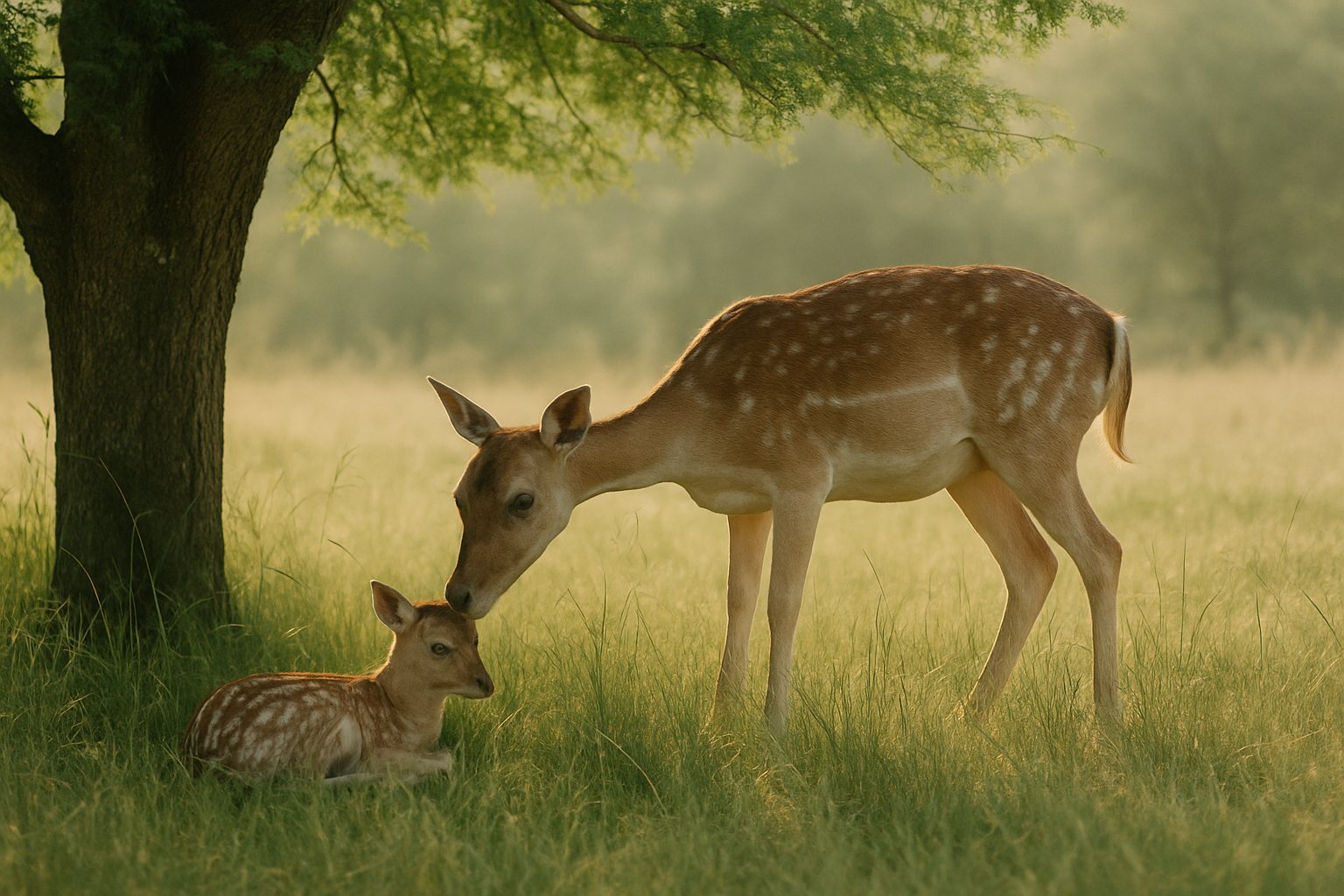
The herd calendar for lodge supply is mapped to kitchen demand and deer biology. In autumn, the rut brings activity but we avoid moving animals or causing stress then. Calves and fawns arrive in November and December, so we leave the mothers and young quiet. Harvest for kitchen supply is scheduled from July to September, outside the rut and calving. This keeps fawn-rearing steady, and lets us plan quiet, low-stress harvests.
Venison for the lodge channel is always prepared in booked windows, so we can align with special events or seasonal menus. During the dry winter, we keep an eye on body condition and supplement grazing with Lucerne and veld hay when needed. Whenever a strong El Niño is forecast, we tighten grazing rotations and stock numbers for drought resilience.
Lodge supply deer stay in camps sized for good movement but small enough that every animal can be checked daily. Each camp has permanent shade from thorn trees or netting, and there are always two water points so one never runs dry by mistake. We check the fence line daily and walk the perimeter weekly, making sure there are no gaps, as the NEMBA regulations require proper control on the permitted land.
Electric fences are backed up with solar or generator power to keep the system going through power cuts. Feed bins and mineral blocks are lifted up on stands to stay clean, and every camp has a quiet crush for handling if animals need to be separated before abattoir booking.
Deer for lodge supply are moved in small groups, walked on foot by our herd husbandry manager and team. We schedule any movement or husbandry task for early morning or late afternoon to beat the heat and keep the camps settled. Veterinary checks are routine, with our veterinary liaison officer and our game veterinarians monitoring for signs of stress, lameness or injury, and to keep vaccinations up to date. The deer are walked into the kraal quietly, never chased.
We have a written biosecurity protocol for all visitor and vet days, including footwear dips and bakkie washdowns. In case of a foot-and-mouth outbreak in the region, we follow the Animal Diseases Act rules and only move deer with the state vet’s written permission and Red Cross permit. For questions or copies of our vet and movement protocols, send a message through our contact form.
Days on the farm
Verified Google reviews