Sika Quiet Pasture
Sika Quiet Pasture is built around low-stress handling, thoughtful camp design and a steady seasonal rhythm.
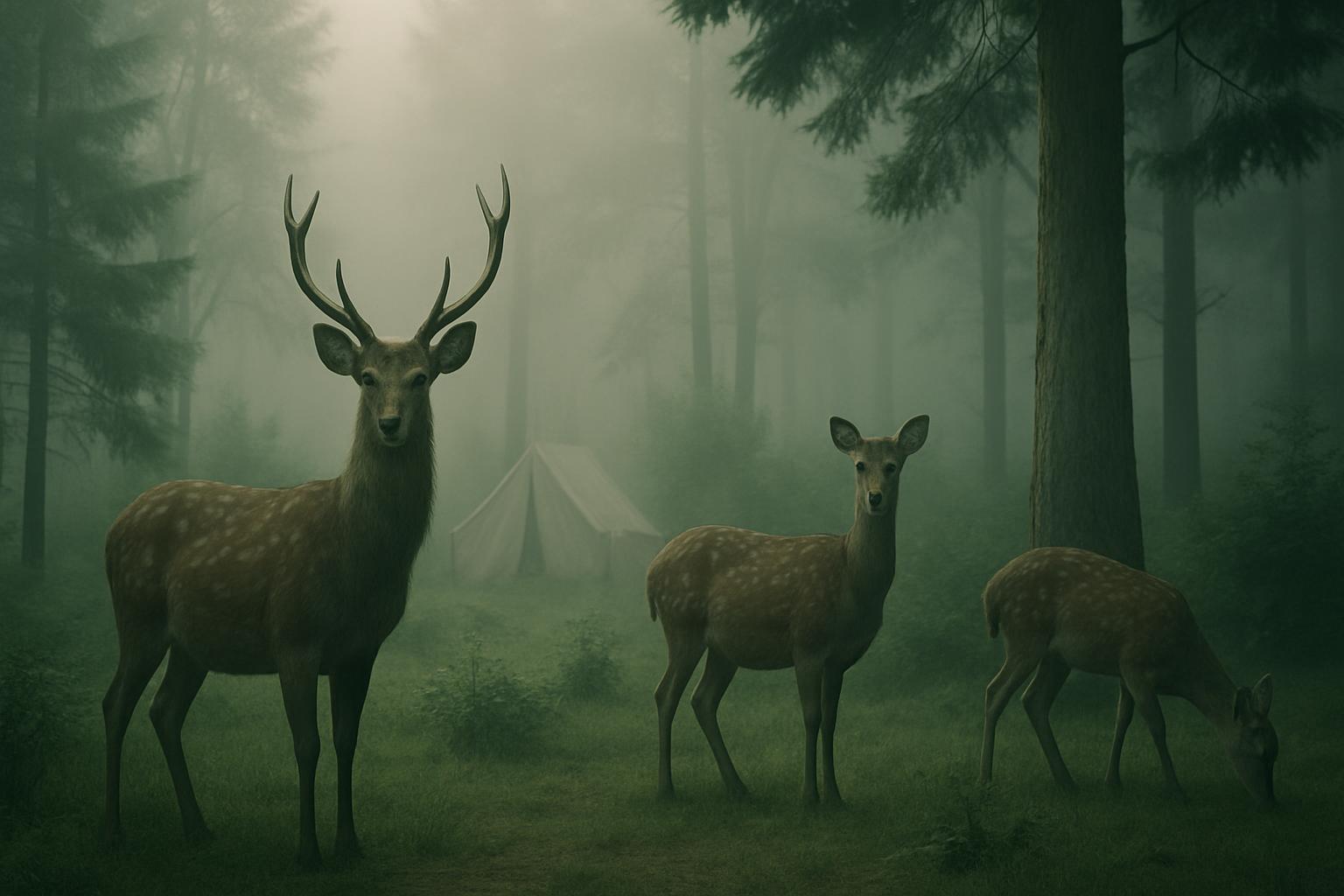
The annual cycle for our Sika Quiet Pasture herds is shaped by their natural rhythms and the South African climate. The rut generally falls in autumn, with stags calling softly at dusk and dawn. Fawning follows in early to mid-summer, making use of the best grazing and mild weather. We give our hinds extra privacy in lightly stocked camps, ensuring minimal disturbance during this sensitive period.
Antler growth in stags is steady but less dramatic than in some other deer breeds. We support velvet development with well-balanced pasture and a touch of supplemental minerals where needed. Winters at Karoo Edge bring cold fronts and frost, so we always have dry shelters and some hay ready to keep all animals in good condition.
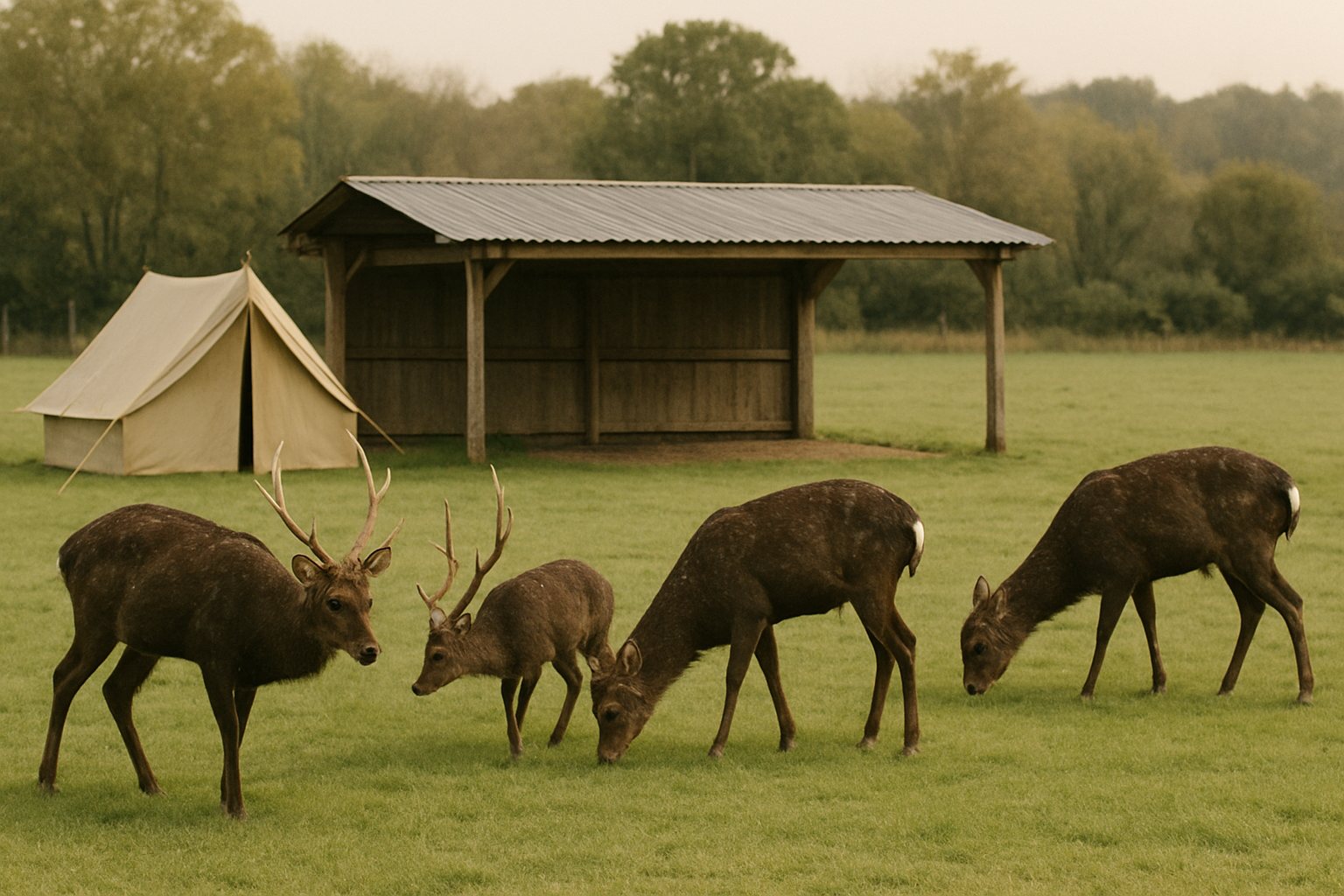
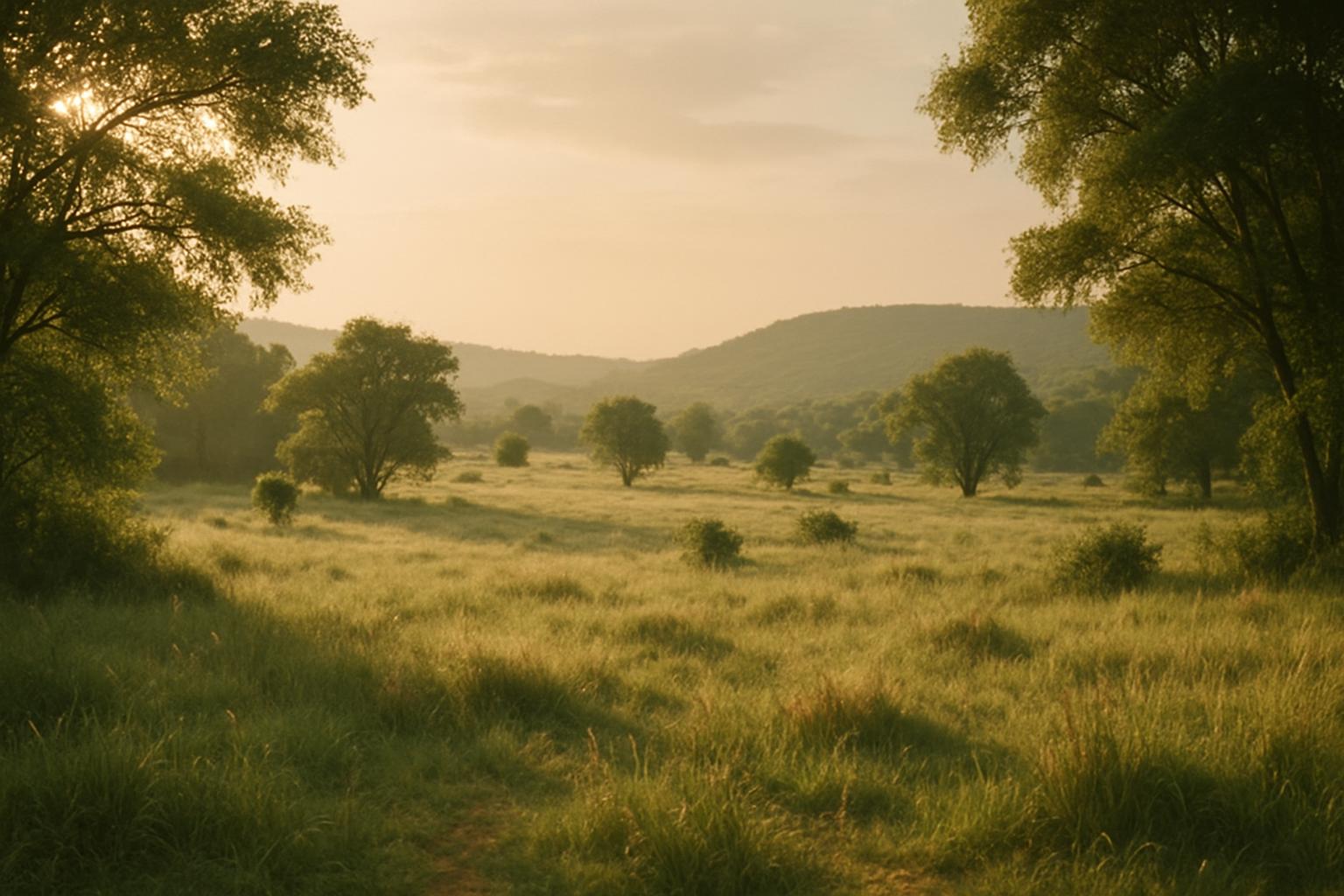
Sika settle well in modestly sized, well-fenced camps with enough space for small herds to graze and move without crowding. We design our paddocks with plenty of visual barriers, like shrubs and windbreaks, as this helps nervous animals feel secure. Camps are checked weekly for fencing integrity, water supply and shade cover, especially as El Niño conditions could push temperatures higher or affect grass growth.
Each paddock includes at least two shaded areas, using both mature trees and simple constructed shelters. Water points are checked daily in summer, and automatic troughs are backed up by gravity-fed reserves or solar pumps. The electric fences and the Karoo Edge cold room have battery or generator backup for power cuts.
Our herd husbandry manager leads our low-stress handling routine, using quiet bakkie rounds and soft movement in the kraal. We limit handling to what is necessary, especially outside the rut and fawning seasons. When gathering animals, we use small groups and never rush. Sika respond well to steady routines and calm voices.
Our veterinary liaison officer works closely with local wildlife vets, scheduling vaccinations, routine parasite checks and annual health assessments at times that least disturb the herd’s natural cycle. For any animal leaving the farm, we follow the latest FMD movement rules, securing veterinary permits and Red Cross clearance where required. We also brief visiting game farmers and students on hygiene measures to prevent disease introduction.
Days on the farm
Verified Google reviews