Fallow Grove Herd
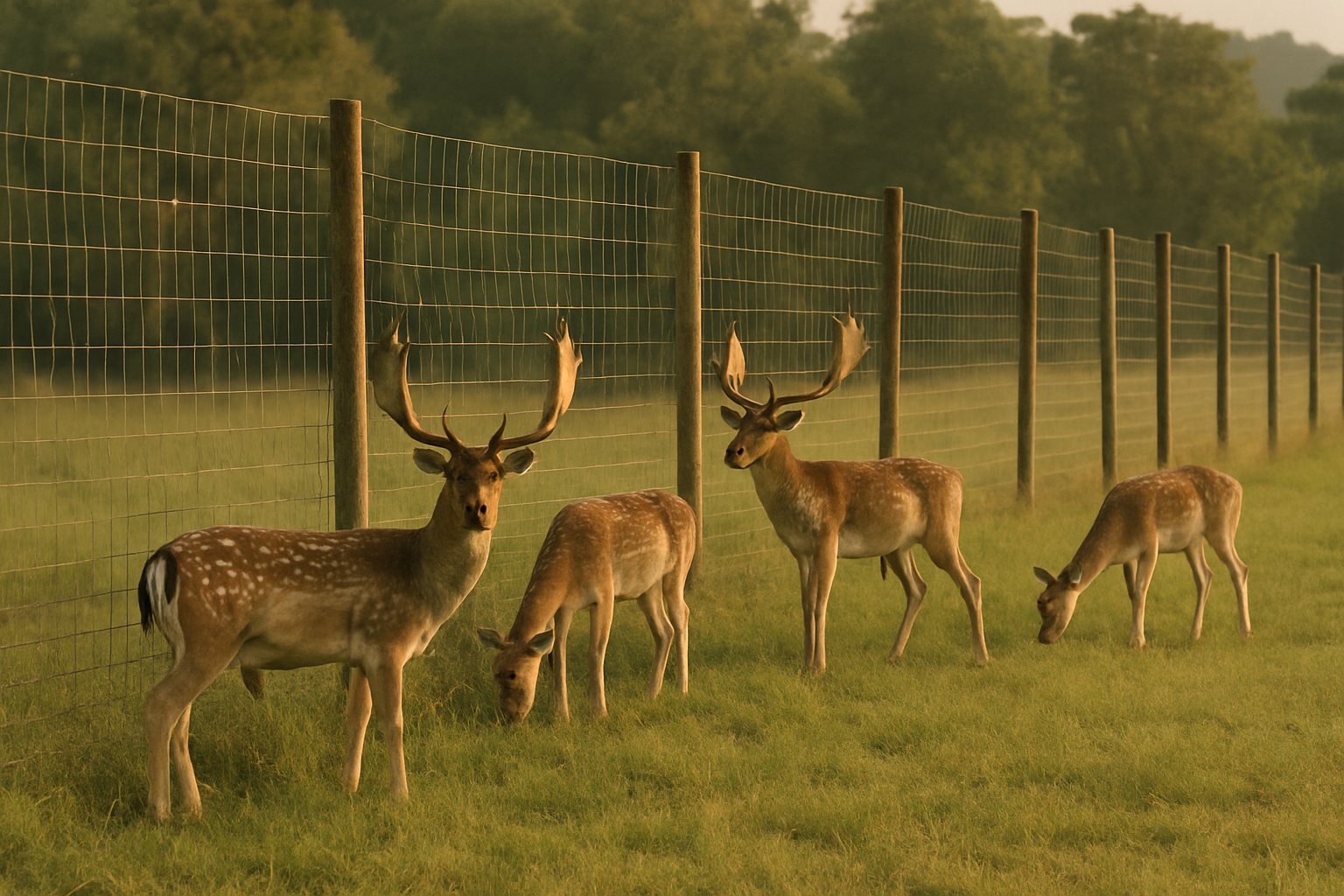
The Fallow Grove herd is managed quietly through the seasons for steady growth and calm handling.
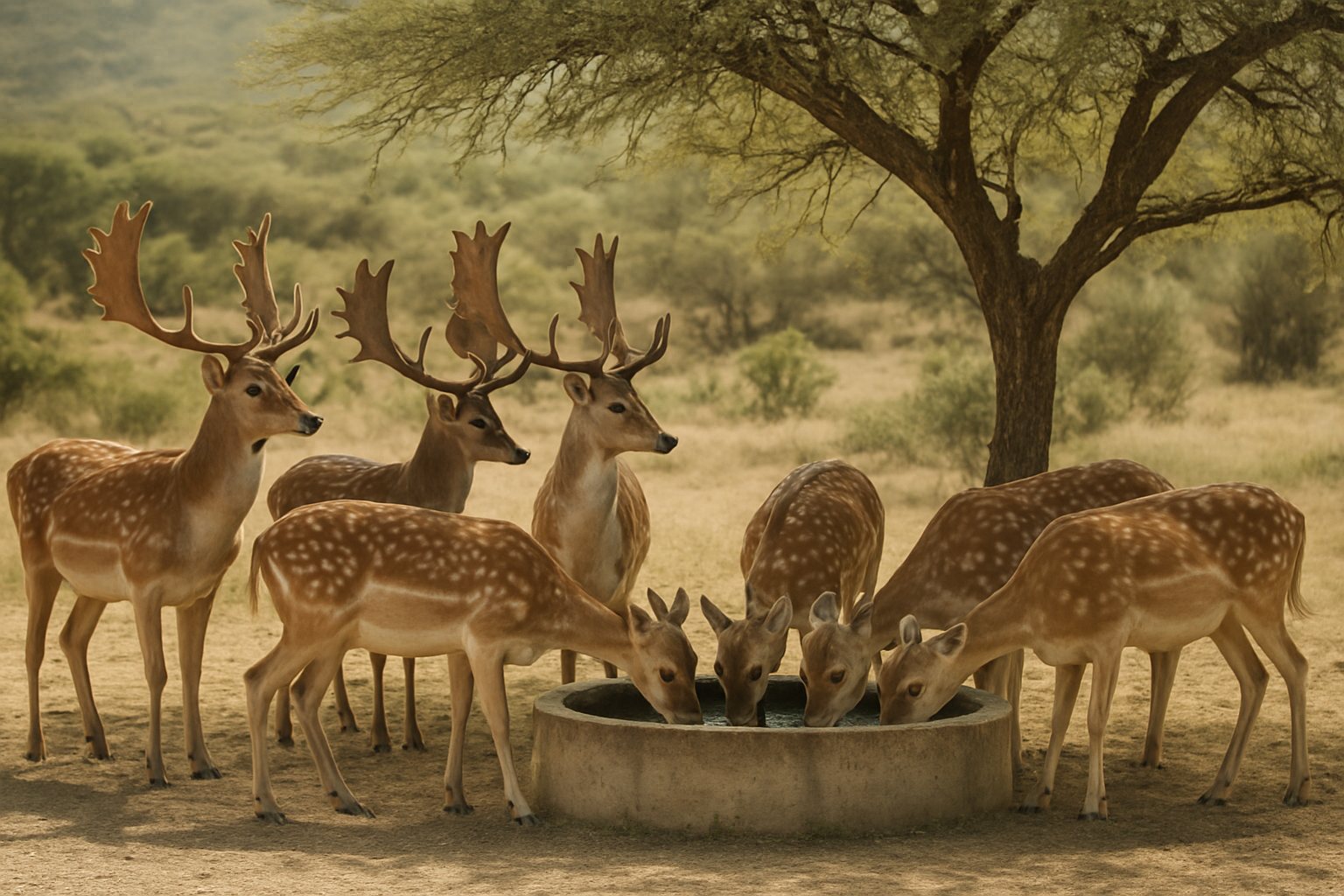
Our management follows the natural rhythm of the fallow deer. The rut peaks in late April and May, with bucks clean of velvet by late summer and in hard antler through the rut. Fawning happens from November through December, and we keep close watch for drought signs if the El Niño brings a dry start to summer. After fawning, does and fawns are moved onto fresh rested veld to recover condition and avoid parasite buildup.
By June, we begin winter feeding as the grassveld turns pale and the Karoo shrinks back. Protein lick and clean roughage are always available in sheltered feed racks, topped up twice a week. Spring sees a flush of veld growth and we rotate camps to make the most of the green-up.
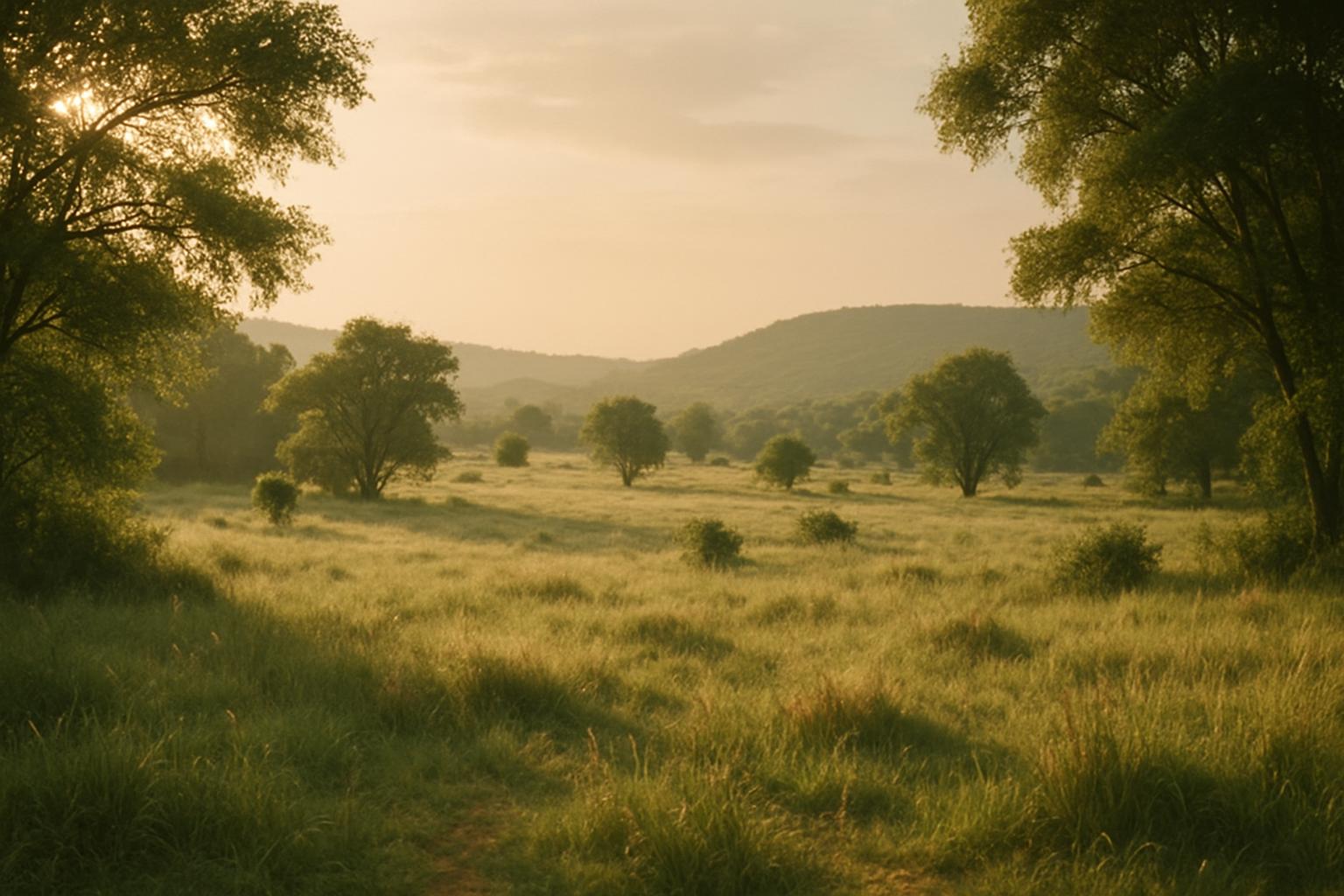
Camps for the Fallow Grove herd are medium-sized, mixing Karoo bush and open grass patches. Each camp fence is checked daily from the bakkie and walked on foot every week for breaks or signs of digging. Portable water troughs are set under the shade of small wild olive or karee trees, and there’s a windbreak or old kraal wall in every paddock for shelter from the berg winds. Shade nets go up in the sunniest camps from September onwards, and we keep one camp rested at all times for when veld recovery is needed.
Water is gravity-fed from a main tank and checked morning and evening. In summer, extra troughs are placed for fawns, as they drink more on hot days. If a cold front or heatwave is coming, we double-check shade and troughs in all camps before nightfall.
Our herd husbandry manager and our veterinary liaison officer lead our handling and health programme. Deer are moved calmly in small groups using quiet bakkies and portable panels, never dogs or shouting. We work early in the morning or late in the afternoon, when the veld is cool and the animals are least stressed. All handling is done in well-fenced kraals with slip gates and padded corners.
Routine vet checks are booked for pre-rut and again after fawning to catch any condition loss or parasite load. Every animal gets a visual check weekly, with special care for fawns through their first month. New arrivals are quarantined for three weeks and tested for foot-and-mouth if coming from outside the district. If you’d like to visit or know more about our husbandry, please send a message through our contact form.
Days on the farm
Verified Google reviews