Red Stag Highland
Year-round, our red deer get careful camp planning, seasonal feed, and handling that keeps calm herds and healthy animals.
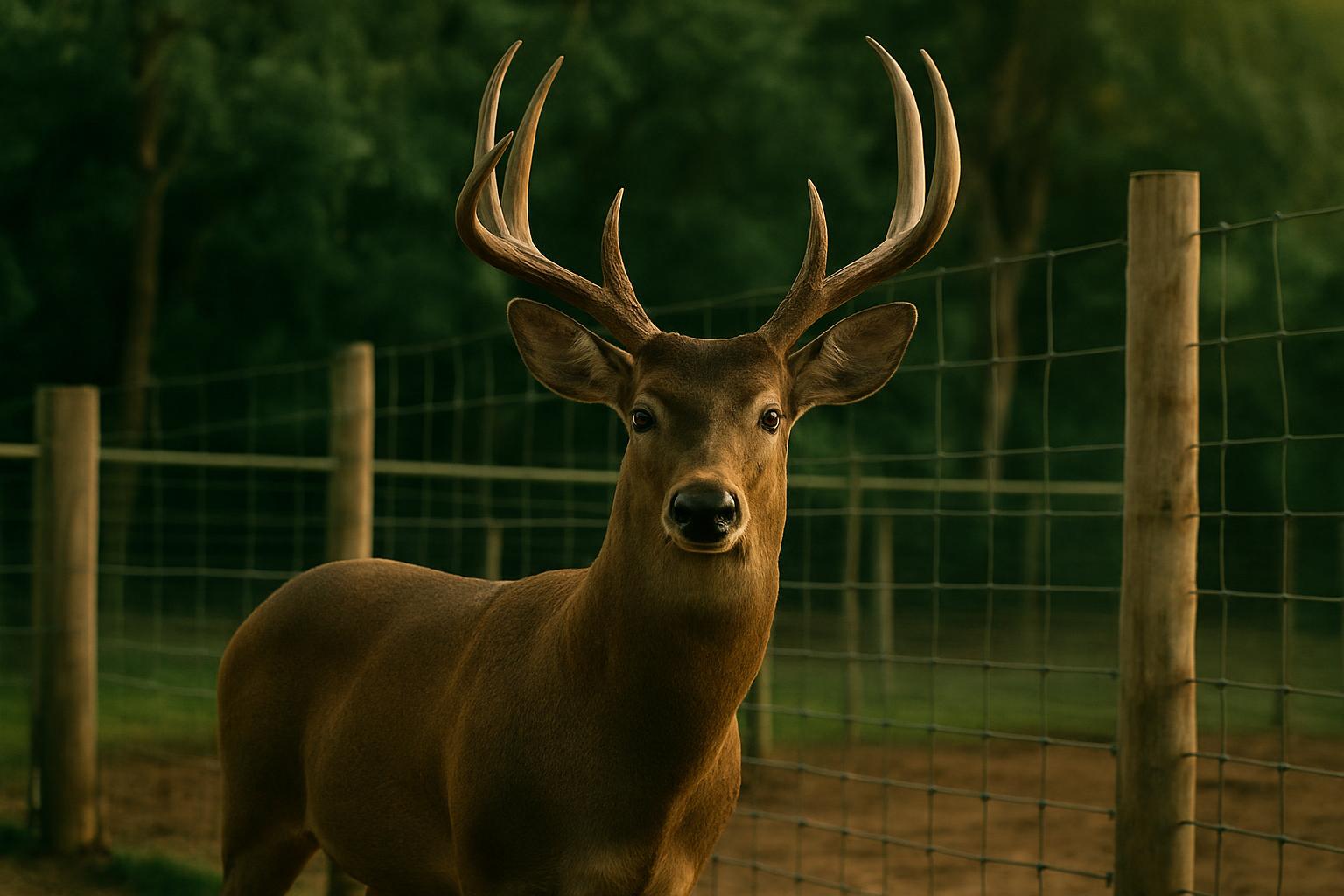
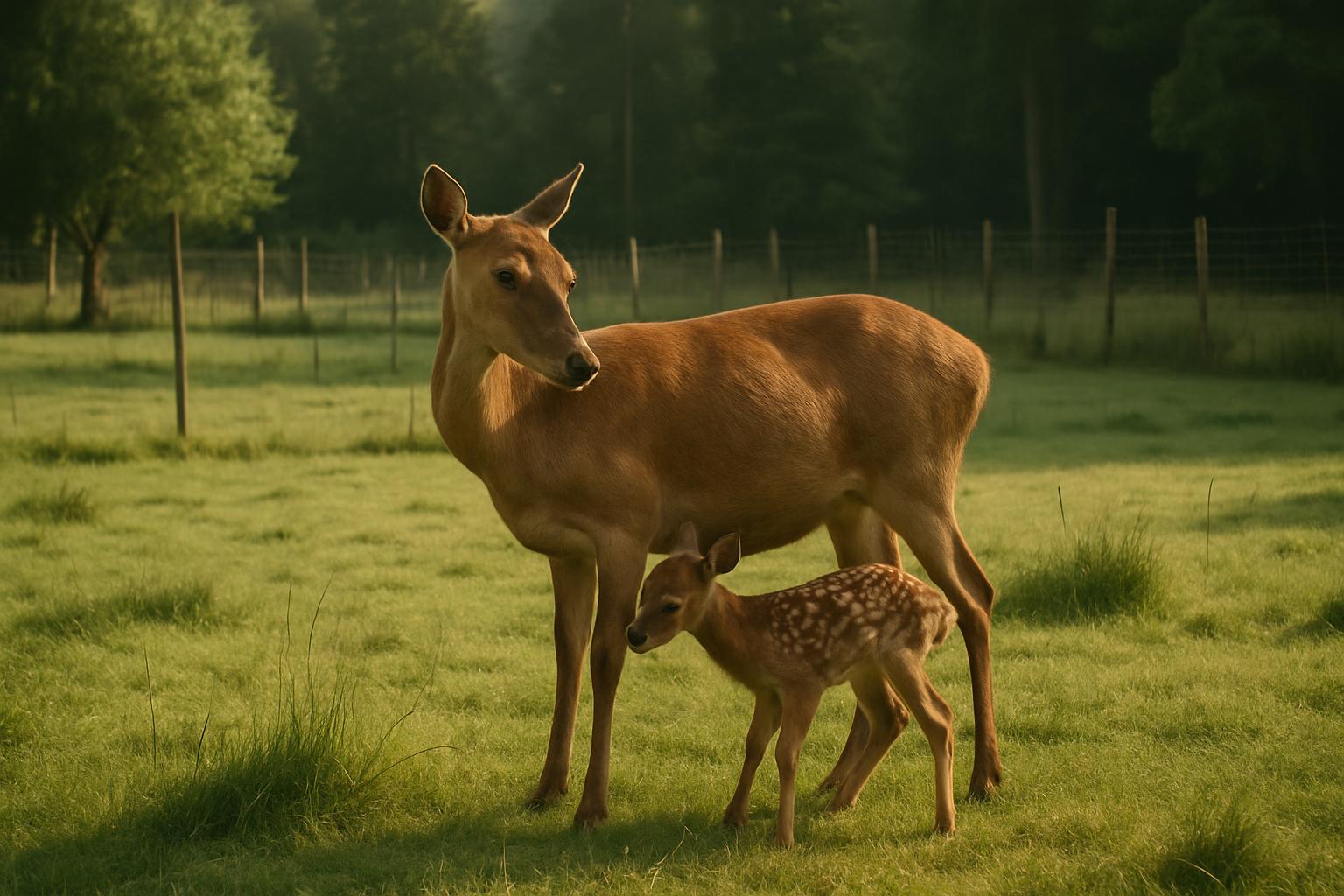
Red stags in this programme rut in late autumn, with the main breeding season from April to early June. During rut, extra checks are needed to manage stag rivalry and to keep hinds stress-free. Calving starts by late November, with calves dropping mostly before the December heat. Our team keeps calving camps quiet and checks new arrivals daily. Antlers are cast in late winter, and new antler grows in velvet from September to December, clean by late summer; any velvet or hard antler is monitored for injury risk and, if removed, is clearly marked on records.
By midwinter, forage quality drops in highland veld, so we supplement with hay and energy blocks, especially for lactating hinds and young stags. When El Niño is in the forecast, we watch grass cover and water levels extra closely, ready to act if the rains are late.
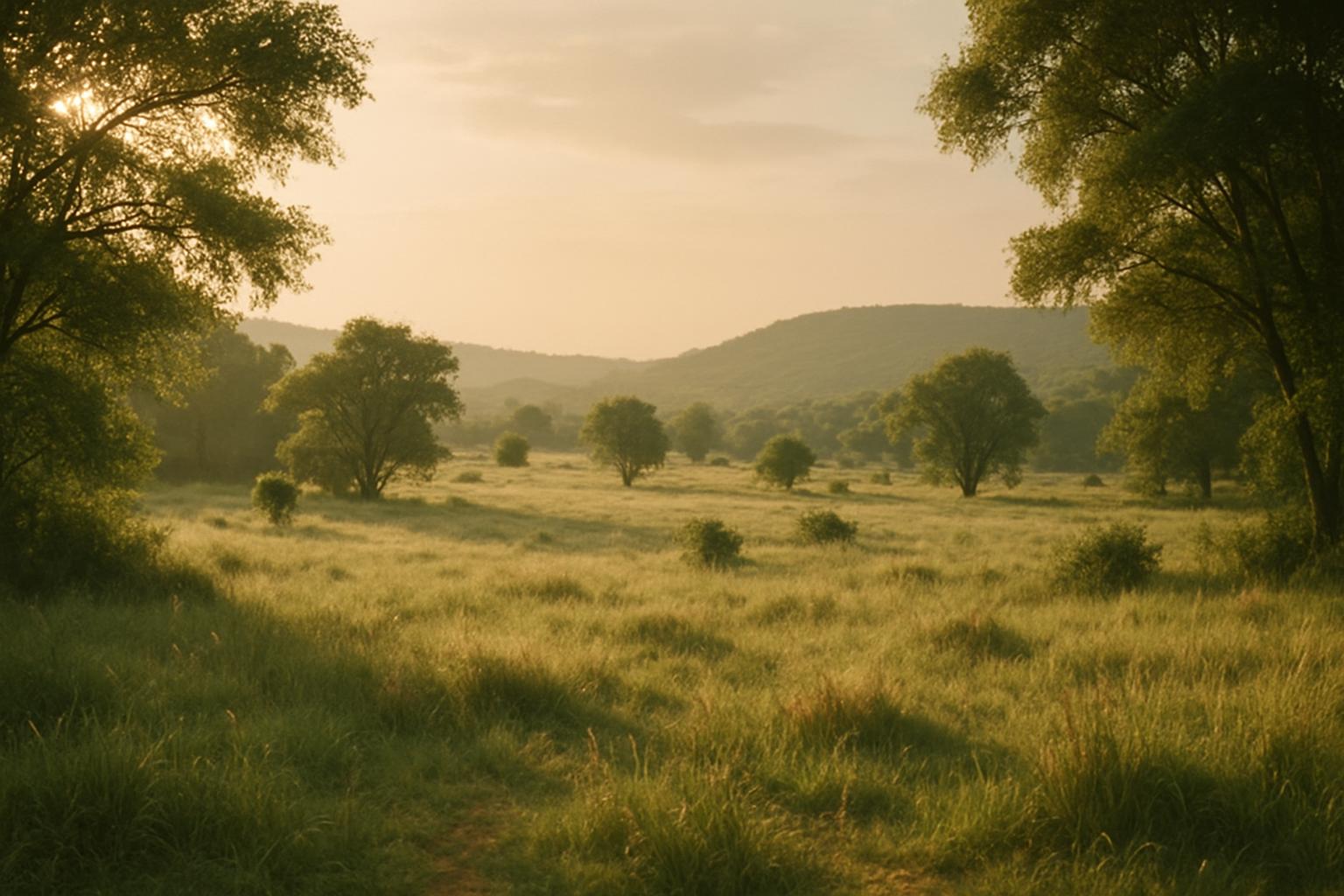
Red deer prefer open camps with some shelter from wind but enough space to roam. Our highland camps are large, with game-grade fences high enough to prevent jumping. Each camp has at least two clean water troughs, with backup tanks in case of pump failure.
Shade is provided by old acacia clusters and purpose-built windbreaks. In summer, the stags rest under shade on the south side of the koppies, while hinds and calves graze toward open veld in the early morning. Pasture is mixed, with patches of cocksfoot and rye where rainfall allows, and extra salt licks placed near water.
We handle the Highland red herd with calm, steady movements. Most routine work is done in the cool of the morning. Camps feed into handling kraals set up for quiet movement, and we use solid sides to keep animals from seeing out. This keeps the deer calm and prevents panic during weighing or health checks.
Our veterinary liaison officer schedules regular veterinary visits, including FMD vaccination where needed by state rules. Treatment records are kept by our veterinary liaison officer, with every animal checked for injury, tick load and hoof health. We always use backup batteries and solar to keep the electric fence lines and the cold room running, so even during the odd power cut, there is no risk of escape or spoilage.
Days on the farm
Verified Google reviews